How Smart Financing Choices Help Buyers Succeed When Purchasing a Tiny Home

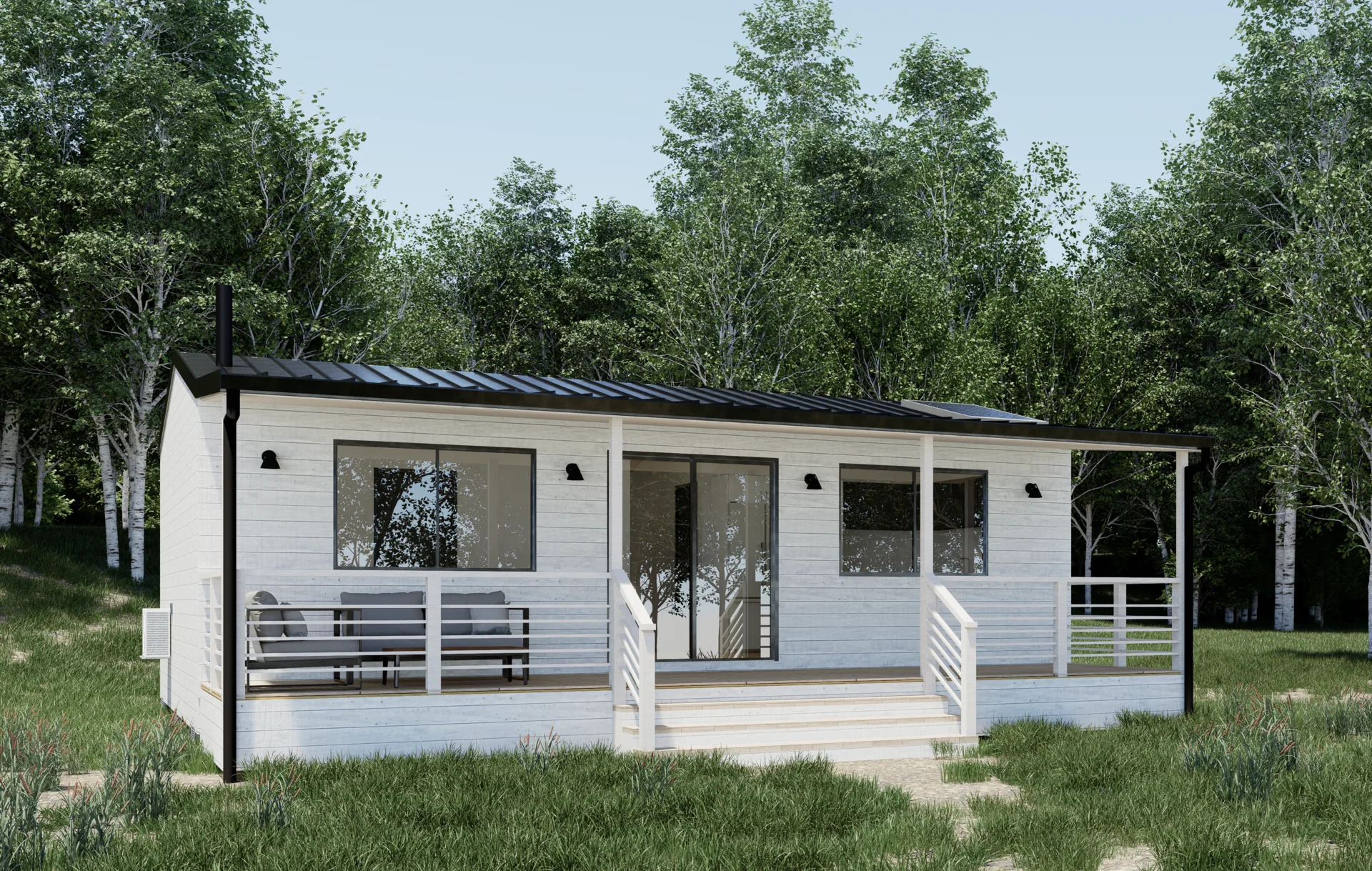
Buying a small house has become a practical option for many buyers seeking lower housing costs, simpler living, or greater financial flexibility. A tiny home purchase can reduce monthly expenses and long-term financial obligations. However, the financing approach matters as much as the price tag. Smaller properties come with unique lending rules, cost structures, and qualification challenges that buyers must understand before committing.
Financing is not simply about securing approval. It shapes affordability, ownership stability, and long-term outcomes. Coordinating with a mortgage broker for buying a small house enables buyers to focus on strategy rather than assumptions. This article explains the financial mechanics of purchasing a small house. It outlines how thoughtful financing choices improve the odds of success for first-time buyers, downsizers, and budget-conscious homeowners.
Why Financing Strategy Matters for a Tiny Home Purchase
Purchasing a tiny home appears straightforward on the surface because of its lower purchase price. In practice, financing small homes can be more complex than traditional properties. Lenders assess risk differently when homes fall below certain size thresholds or when property types do not fit standard residential definitions.
Financing strategy influences several core factors:
- Whether a buyer qualifies for conventional lending products
- How interest rates and terms affect monthly payments
- The level of cash required upfront
- Flexibility for future resale or refinancing
Home buyers who focus only on affordability without understanding the financing structure may face approval delays, higher costs, or limited loan options.
Affordability Beyond the Purchase Price
Smaller homes typically cost less, but affordability extends beyond the listing price. Buyers should account for:
- Closing costs, which may be proportionally higher on smaller loans
- Utility setup or land preparation costs
- Insurance requirements that differ from standard homes
A lower loan amount does not always mean easier qualification. Some lenders impose minimum mortgage thresholds that affect tiny home mortgages.
Mortgage Qualification for Small Homes
Lenders evaluate income, credit history, and debt ratios the same way they do for larger homes. However, property eligibility can become the deciding factor. Homes under a certain square footage or built using non-traditional methods may not qualify for standard financing.
This is where preparation matters. Buyers benefit from reviewing lender guidelines early rather than assuming approval based solely on price.
.png)
Standard Financing Considerations When Buying a Small House
Understanding how financing works for small homes helps buyers make decisions grounded in facts rather than expectations.
Interest Rates and Loan Terms
Interest rates for tiny home mortgages can vary depending on property type, loan size, and perceived risk. Smaller loans sometimes carry slightly higher rates because they generate less interest income for lenders.
Loan terms also differ. While 25 to 30-year amortizations are common for standard homes, some small-house financing options offer shorter terms, which increase monthly payments despite lower balances.
Down Payment Requirements
Down payments depend on the loan product and property classification. Buyers should expect:
- Higher minimum down payments for non-traditional properties
- Larger cash requirements for homes on leased land
- Limited access to low-down payment programs
Planning for upfront costs early reduces the risk of stalled transactions.
Long-Term Ownership Costs
Owning a small house does not eliminate ongoing expenses. Buyers should budget for:
- Maintenance that may be more specialized
- Replacement of compact systems, such as heating or plumbing
- Property taxes that vary widely by location
Many homeowners encounter unexpected expenses beyond mortgage payments; for example, hidden costs like maintenance, property taxes, and insurance now add up to nearly $16,000 per year on average for typical homeowners in the United States, which can strain budgets if not planned for.
Challenges Buyers Face With Tiny Home Mortgages
Financing a tiny home purchase presents challenges that are not always obvious at the start.
Lender Restrictions and Property Type Limitations
Many lenders classify tiny homes differently based on whether they are:
- Permanently affixed to land
- Built on wheels
- Located within recognized zoning frameworks
Homes on wheels are usually treated as personal property rather than real estate, which disqualifies them from traditional mortgages.
Appraisal and Valuation Issues
Appraisals rely on comparable sales. Small homes may lack sufficient comparable properties, making valuation difficult. This can lead to:
- Appraised values lower than purchase prices
- Reduced loan approval amounts
- Additional documentation requirements
Buyers should anticipate appraisal limitations and remain flexible with financing plans.
Zoning and Legal Considerations
Local zoning laws affect whether a property is eligible for residential financing. Even well-built homes can face financing barriers if zoning does not permit full-time occupancy.
Understanding zoning rules before finalizing financing avoids costly surprises.

Loan Options for Buying a Small House
Not all loan products apply equally to small homes. Buyers should understand the range of options and their trade-offs.
Conventional Mortgages
Conventional loans work best when the property meets standard residential criteria. This typically requires:
- Permanent foundation
- Minimum square footage standards
- Residential zoning compliance
When eligible, conventional loans offer competitive rates and longer amortization periods.
Alternative Financing Paths
When conventional options are unavailable, buyers may consider:
- Personal loans with shorter terms
- Chattel loans for movable structures
- Construction loans for custom builds
Each option has a different risk and cost profile. Comparing total repayment amounts rather than just monthly payments is critical.
Preparing Financially for a Tiny Home Purchase
Preparation reduces stress and increases the likelihood of approval.
Financial Readiness Checklist
Before applying for financing, buyers should review:
- Credit scores and recent credit activity
- Debt-to-income ratios
- Cash reserves beyond the down payment
Stronger financial profiles offset some concerns about property-related lending.
Documentation and Transparency
Lenders require detailed documentation for small homes. Buyers should be prepared to provide:
- Building specifications and certifications
- Proof of land ownership or lease agreements
- Insurance documentation
Clear and complete documentation speeds up underwriting.
Navigating the Approval Process With Confidence
Understanding the approval process helps buyers avoid frustration and unrealistic expectations.
.png)
What Lenders Evaluate First
Lenders typically assess:
- Borrower's financial stability
- Property eligibility
- Marketability in case of resale
Even financially strong buyers can face challenges if the property fails eligibility checks.
Managing Expectations
Approval timelines may be longer for tiny home mortgages. Buyers should plan for additional review steps and avoid rigid closing schedules.
Flexibility allows buyers to respond to lender requests without jeopardizing the transaction.
The Value of Informed Financing Guidance
Successful outcomes of buying a small house rely on education rather than persuasion. Understanding how financing works empowers buyers to ask better questions and evaluate options critically.
Working with a knowledgeable mortgage
broker for buying a small house can significantly enhance the home-buying experience. While the broker doesn’t replace the buyer's responsibility, they can help interpret lender criteria and explain the trade-offs involved in different options. Their expertise can clarify realistic pathways to homeownership, ensuring that buyers make informed decisions.
Turning a Tiny Home Purchase Into a Sustainable Financial Choice
A tiny home purchase offers meaningful benefits, but financing determines whether those benefits last. Buyers who understand mortgage qualification rules, loan structures, and long-term costs are better positioned to succeed.
Wise financing choices require preparation, realistic budgeting, and awareness of property-specific challenges. Indeed, buying a small house is considered a financial strategy, as it can help buyers achieve stability, affordability, and confidence throughout the ownership journey.


.svg)

.jpg)