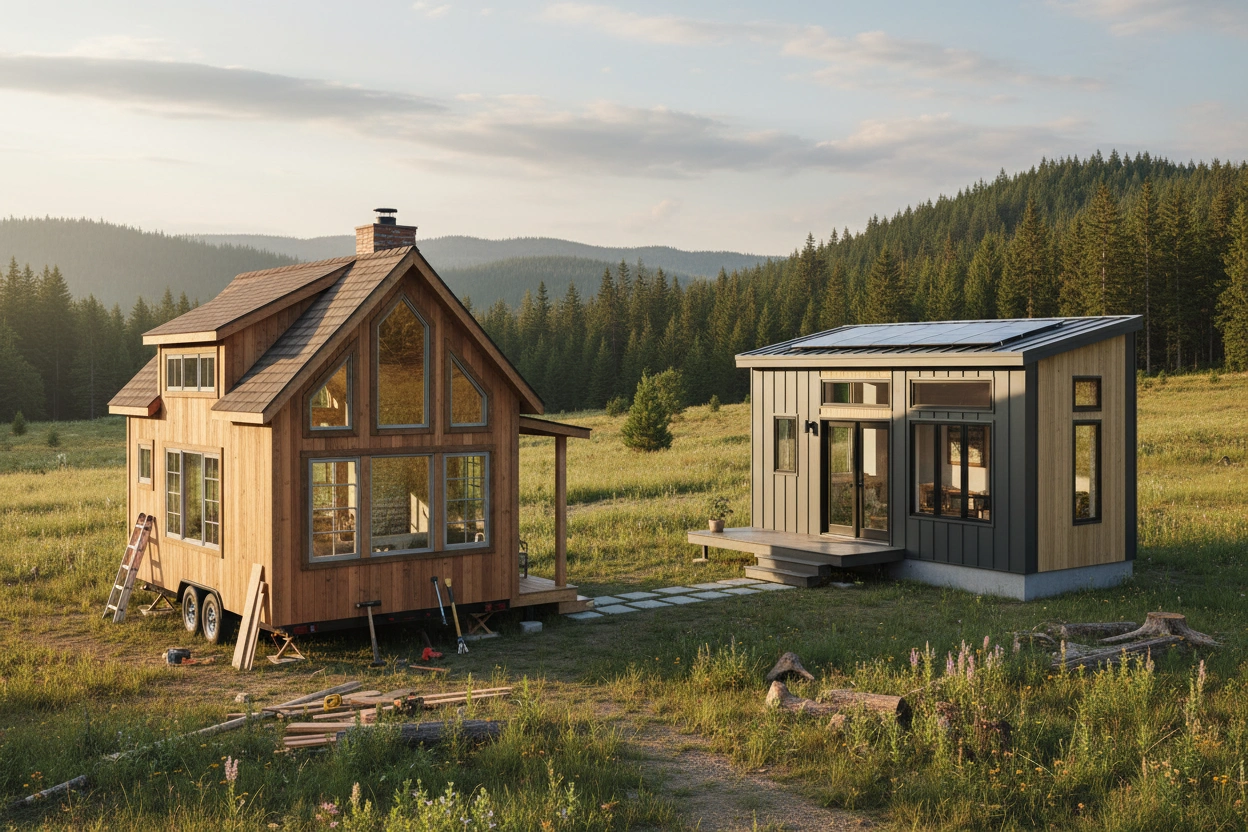
Tiny House Costs in California: Land, Utilities, Taxes, and Smart Financing Options

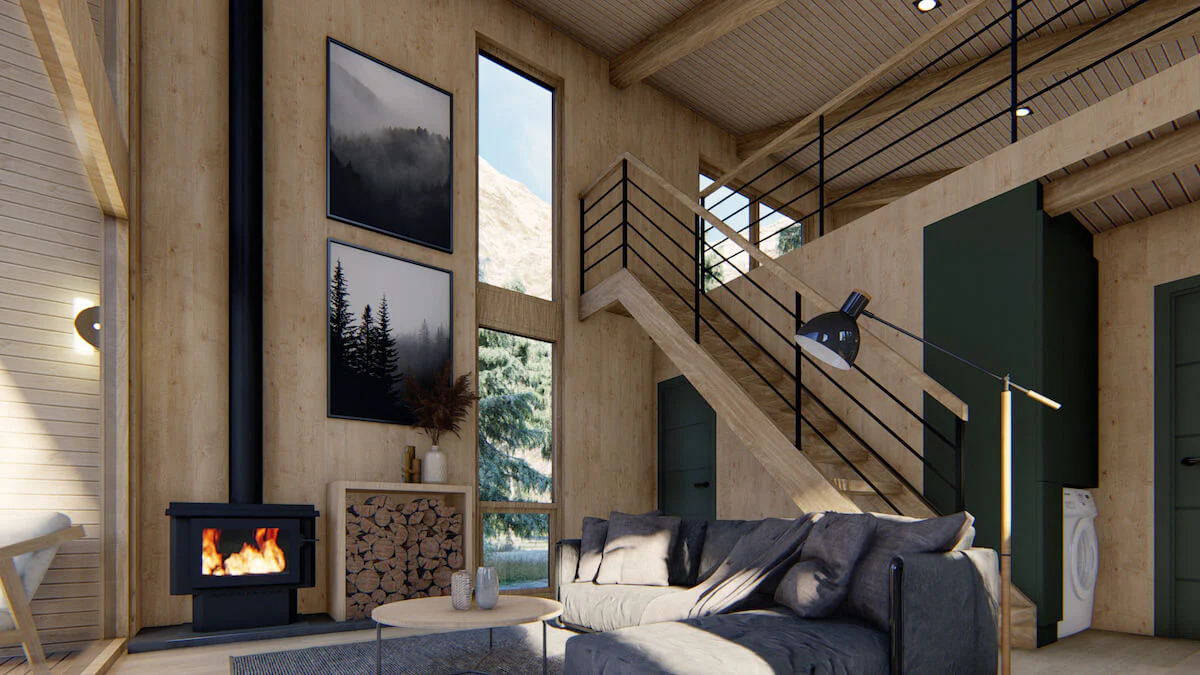
Plenty of Californians are drawn to tiny house living because regular housing prices have shot past what most people can afford. A compact home brings down your expenses, makes upkeep simple, and gives you more freedom to pick your location. But the price tag alone doesn't tell the whole story.
Tiny house costs in California actually rise from land purchases or parking spots, getting utilities hooked up, permit paperwork, annual taxes, and whatever you borrow to make it happen. Map out each expense before you sign anything so you're not scrambling later. Some folks use services like Radcred California Loans to cover short-term gaps, but the trick is nailing down every cost upfront before you borrow your first dollar.
How Much Does a Tiny House Really Cost in California?
In California, a bare-bones tiny house shell can cost anywhere from around $30,000 to $80,000 or so. That cost range varies depending on how big it is, what materials you choose and whether you build from a kit or buy something move-in ready.
California costs more because labor is not cheap here, building codes are stringent and hauling materials from around the state racks up quickly. Your base price typically covers the framing, insulation, windows and rudimentary finishes.
What you won’t get:
- Site prep
- Foundation work
- Permits
- Utility line hookups
- And appliances.
These extras are often skimped on at the start, as people keep their budget in mind and then they panic when cost of tiny house California balloons. Request a specific quote that includes the shell price, as well as delivery, setup and hookup fees so nothing surprises you.
Land and Parking Costs for California Tiny Homes
You've got three main options for parking your tiny home:
- Stick it in a backyard as an ADU or Tiny House on Wheels
- Rent a spot at a tiny house community or RV park
- Or buy your own piece of rural land.
California tiny home land prices vary greatly, depending on where you look. Coastal and city lots can approach $200,000 or more for something small, with rural inland properties starting closer to $30,000 or $60,000. Even once you buy a piece of land, you’re paying for grading, site access roads, utility trenching and the headaches of setback rules and zoning that often flat-out ban permanent tiny dwellings.
Apartment rentals in a community run from $400 to $800 a month, which sidesteps the hefty land purchase and gains no equity. Some lessons to be learned: Review your local zoning rules early on so you’re not wasting money on a plot of land or a build that’s illegal where you want it, and price out every task that falls under site prep before construction even begins.
Utilities, Permits, and Ongoing Bills
Getting water, power, and sewer or septic to your tiny house depends on how far you are from existing lines and what the ground looks like. Water hookups can run $2,000 to $10,000 if you're trenching lines or drilling a well.
Electric service might set you back $1,500 to $5,000 for the trench and meter box, and sewer or septic systems tack on another $3,000 to $15,000 based on soil tests and county rules. Lots of people go partly off-grid with solar panels and composting toilets to slash monthly bills, but that gear costs real money upfront.
Tiny House Taxes and Legal Status in California
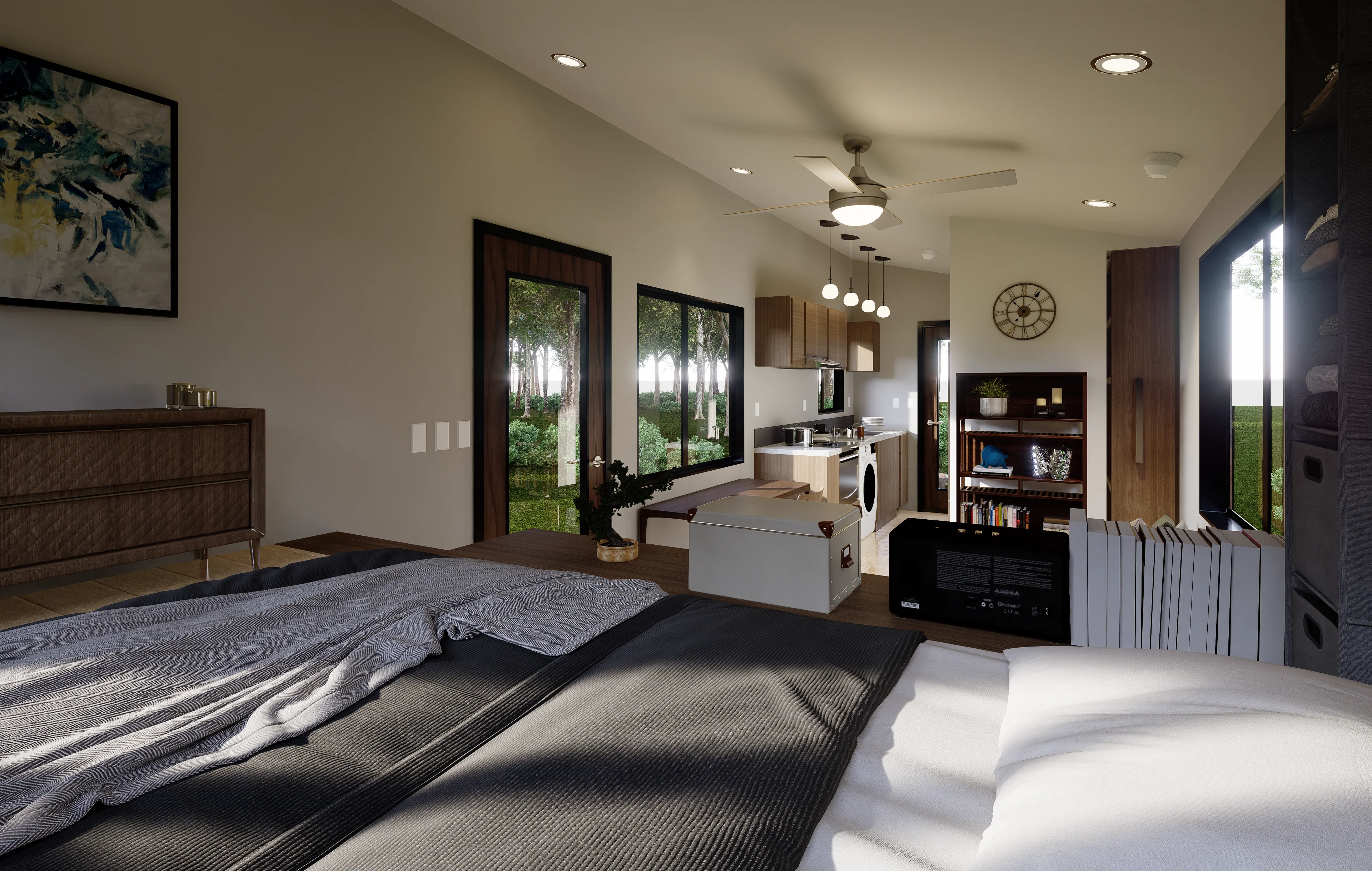
How you classify your tiny house decides what taxes you owe. Build it on a permanent foundation, and it's actual property, so you'll pay California tiny house taxes through annual property assessments at your county's rate.
A Tiny House on Wheels might get registered as an RV, which means annual DMV fees instead of property tax, but only if your county plays along and you're not using it as a full-time residence. Some counties slap personal property taxes on THOWs anyway. Local rules can vary, and cities with ADU-friendly laws might welcome a foundation-based tiny home, while others ban them.
Smart Financing Options for California Tiny Houses
Financing a tiny house in California means looking at several routes since traditional mortgages almost never cover structures without permanent foundations. Personal loans are popular for smaller builds. You can borrow $10,000 to $50,000 with fixed rates, though those rates climb when there's no house to use as collateral.
RV loans or specialized tiny house loans in California offer another path, sometimes stretching terms to 15 years with decent rates if your unit meets lender requirements. Some builders let you finance directly through them, spreading payments over time, but usually at a markup. Homeowners who already own property might pull from a HELOC or get an ADU construction loan if they're building on their lot.
Where Radcred Fits: Covering Gaps, Not the Whole Build
Radcred California Loans make the most sense for short-term, specific expenses rather than bankrolling your entire tiny house. Think permit fees when your main loan hasn't come through yet, bridging a small overrun on utility hookups, or handling a surprise site-prep bill.
Radcred operates statewide in California, connecting borrowers with lenders who look past credit scores and focus on income and actual needs. Use it responsibly by borrowing the bare minimum and paying it back quickly so interest doesn't stack up on what should be a temporary fix.
Build Tiny, Spend Smart in California
The actual cost of a tiny house in California isn't just the structure. It's also land or parking, utility hookups, permits, annual taxes, and whatever financing you use, all rolled into one. Miss anything and you’re in for unpleasant shocks when the bills come due.
List every line item in a budget before you sign contracts or break ground, and search for the best interest rates and terms for financing with tools such as Radcred California Loans. Use short term loans to fill gaps rather than serve as your primary source of funding.


.svg)
.jpg)
.jpg)