
Cultivating Calm: How Sustainable Landscaping Transforms Everyday Living

.jpg)
Modern life often demands more than it gives—fast commutes, endless screens, and daily stressors leave little room for stillness. Yet, right outside our doors lies an opportunity to restore balance: the landscapes we create. Sustainable landscaping is more than just an aesthetic choice; it’s a philosophy of design that nurtures both the environment and the human spirit. By embracing ecological principles, we can craft outdoor spaces that conserve resources, promote biodiversity, and above all, cultivate calm.
Beyond Aesthetics: The Deeper Purpose of Sustainable Landscaping
Traditional landscaping often prioritized surface-level beauty: pristine lawns, exotic plants, and symmetrical beds. While pleasing at first glance, such designs frequently relied on high water use, chemical fertilizers, and constant upkeep. Sustainable landscaping takes a different approach, weaving function and purpose into beauty.
By favoring native plants, minimizing harmful inputs, and creating self-sustaining ecosystems, these landscapes reduce environmental impact while feeling vibrant and authentic. They breathe, buzz, and bloom in harmony with their surroundings, inviting people into a calmer, more mindful relationship with nature.
Inspiration and Practical Ideas
As sustainable landscaping gains momentum, homeowners and communities are looking for ways to blend creativity with responsibility. From rainwater-fed irrigation to recycled hardscaping materials, the possibilities extend well beyond planting choices.
Online resources also play a key role in sparking ideas—those who visit KD Architects will find examples of innovative, eco-conscious design solutions that illustrate how sustainability can be seamlessly integrated into everyday living. These resources emphasize that landscaping can be both inspiring and practical, without sacrificing beauty or ecological integrity.
The Mental Health Benefits of Green Spaces
Science consistently reinforces what many already feel: contact with nature is profoundly restorative. Green spaces reduce stress hormones, lower blood pressure, and lift moods. Sustainable landscapes, with their reliance on natural forms and plantings, create environments that invite people to slow down and simply be.
Picture a garden filled with native wildflowers alive with pollinators, a shaded nook framed by leafy trees, or the gentle sound of a rain-fed water feature. These settings calm the nervous system, offering daily opportunities for reflection, mindfulness, and quiet joy.
Sustainability as Everyday Practice
Perhaps the most powerful aspect of sustainable landscaping is its practicality. These designs embed eco-friendly habits into daily life without demanding extra effort. Drought-tolerant plants reduce the need for irrigation, while permeable pathways help rainwater replenish the soil. Composting enriches the earth and closes the loop on organic waste.
By living within landscapes designed this way, people become natural stewards of their environment—finding satisfaction and calm in knowing their personal choices directly support ecological health.
Biodiversity and Community Resilience
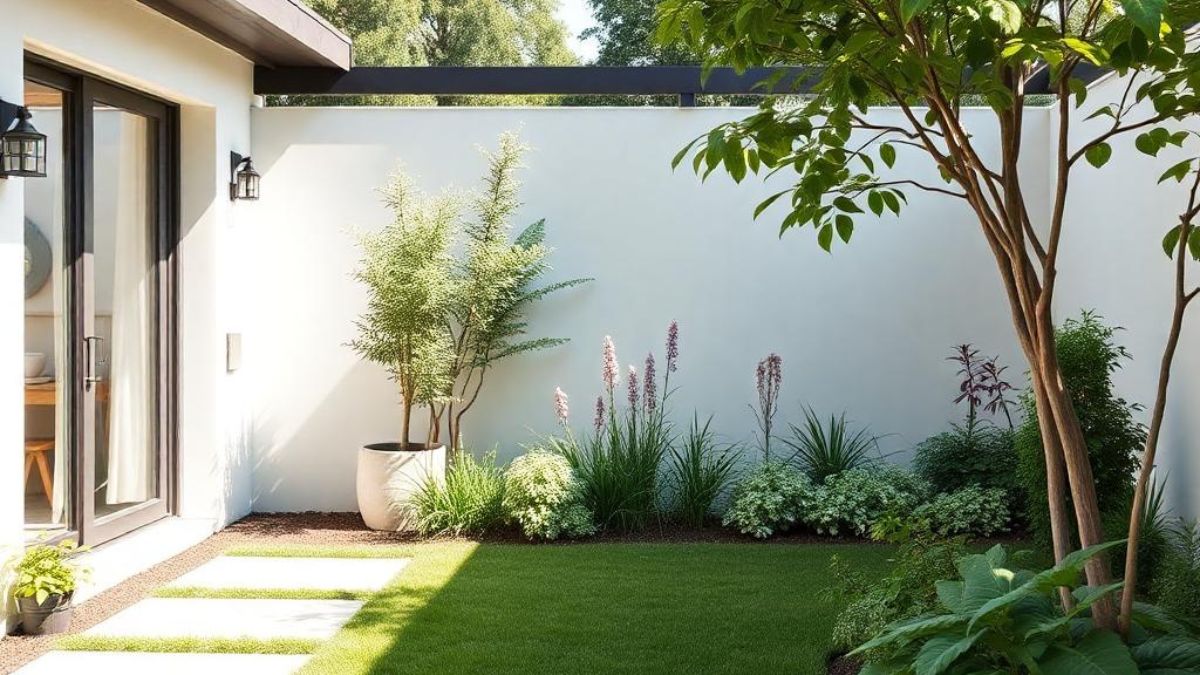
Sustainable landscapes also create ripple effects that extend beyond individual homes. Planting native species supports pollinators, birds, and wildlife, enhancing biodiversity at a neighborhood scale. Communities that embrace these practices benefit from cooler microclimates, cleaner air, and better water management.
The impact is collective serenity: greener streets, more resilient ecosystems, and shared spaces that bring people together. Parks, gardens, and community green corridors become touchpoints of connection where sustainability and social life intertwine.
Technology Meets Tradition in Outdoor Design
Sustainable design doesn’t reject modern innovation—it integrates it. Smart irrigation systems monitor soil conditions to minimize waste, solar-powered lighting reduces energy use, and app-based garden tools help homeowners manage their landscapes with ease.
When combined with timeless ecological wisdom, these technologies produce outdoor spaces that are both efficient and soulful. They remind us that convenience and care for the earth can complement each other, enhancing calm rather than disrupting it.
Cultivating Calm for the Future
As cities expand and climate challenges grow, sustainable landscaping is becoming a necessity, not a luxury. Urban green roofs, vertical gardens, and tree-lined corridors are already helping communities adapt while offering residents much-needed contact with nature.
At a personal level, the movement signals a shift in values: the ultimate luxury isn’t excess but balance—living spaces that feel restorative, resilient, and rooted in care.
Designing for Seasonal Rhythm and Natural Flow
One of the most enriching aspects of sustainable landscaping is its sensitivity to seasonal change. Rather than forcing a garden to look the same year-round, eco-conscious design embraces nature’s rhythm.
Spring blossoms give way to lush summer foliage, autumn brings warm tones and textured seed heads, and winter reveals sculptural branches and hardy evergreens. This natural progression encourages mindfulness, reminding us that change is not something to resist but something to honor. By selecting plants that thrive in each season, homeowners create landscapes that feel dynamic and alive, offering fresh perspectives throughout the year while maintaining ecological balance.

Water Wisdom and Mindful Conservation
Water is one of our most precious resources, and sustainable landscapes treat it with intention and respect. Incorporating rain gardens, bioswales, and strategically placed ground cover allows rainwater to be absorbed rather than wasted as runoff. Mulching garden beds helps retain soil moisture and reduce evaporation, while grouping plants with similar water needs prevents over-irrigation.
These thoughtful choices not only lower utility costs but also create a deeper awareness of how natural systems function. Watching rain nourish the garden instead of overwhelm it can shift our mindset from consumption to conservation, fostering a sense of gratitude and calm.
Outdoor Spaces as Extensions of the Home
Sustainable landscaping also transforms outdoor areas into purposeful living spaces. Thoughtfully designed patios, shaded seating areas, and edible gardens extend daily routines into the open air.
A small herb bed near the kitchen, for instance, connects cooking with cultivation, encouraging healthier habits and a closer relationship with food. Similarly, a composting station tucked discreetly into the yard reinforces the idea that waste can be transformed into nourishment. When outdoor spaces are designed with intention, they become natural sanctuaries for reading, gathering, or simply breathing deeply after a busy day.
Encouraging Slow Living Through Garden Design
In a world driven by speed and productivity, sustainable landscapes quietly promote a slower pace. Meandering stone paths invite gentle walks rather than hurried shortcuts. Layered plantings draw the eye gradually across textures and colors, encouraging observation instead of distraction. Even small design details—like placing a bench beneath a tree canopy or positioning flowering shrubs near windows—can prompt moments of pause.
These intentional spaces act as daily reminders that rest and reflection are not indulgences but necessities. Over time, this shift toward slow living nurtures mental clarity and emotional resilience.
Educational Value for Future Generations
Beyond their immediate beauty and environmental impact, sustainable landscapes serve as living classrooms. Children who grow up surrounded by native plants, pollinators, and seasonal harvests gain firsthand understanding of ecological cycles. They witness how compost enriches soil, how bees support food production, and how responsible water use sustains life. These everyday lessons foster environmental literacy and a sense of stewardship that can last a lifetime.
When families engage in planting, harvesting, or maintaining their gardens together, they strengthen bonds while cultivating shared responsibility for the natural world.
.jpg)
Economic and Long-Term Value
Investing in sustainable landscaping also yields long-term financial benefits. Native and climate-adapted plants typically require less maintenance, fewer chemical treatments, and reduced water usage—lowering ongoing expenses. Energy-efficient features such as strategically planted shade trees can reduce cooling costs during warmer months. Over time, these savings reinforce the practical value of eco-conscious design.
Moreover, properties with thoughtfully designed green spaces often attract increased interest and appreciation, demonstrating that sustainability and economic sensibility can coexist harmoniously.
Reconnecting with Natural Soundscapes
Modern environments are often dominated by traffic noise, notifications, and mechanical hums. Sustainable landscaping helps reintroduce the soothing sounds of nature—rustling leaves, chirping birds, and trickling water. These gentle auditory elements have measurable calming effects on the nervous system.
By designing gardens that support wildlife habitats and incorporate subtle water features powered by natural systems, homeowners can transform their surroundings into restorative soundscapes. The simple act of listening to wind through trees or bees moving among flowers can anchor us in the present moment.
Rooted in Serenity
Sustainable landscaping is far more than a design trend—it is a lifestyle that enriches both people and the planet. By choosing native plants, conserving resources, and nurturing biodiversity, we create spaces that comfort us while fostering ecological resilience.
The calm that emerges from these choices is lasting, flowing into daily routines and community life alike. And as innovative ideas continue to surface, sustainable landscapes will remain at the heart of how we cultivate harmony—reminding us that serenity is not far away, but right outside our doors.


.svg)


.jpg)