Financing a Tiny Home Rental in Texas: How Cash Flow Impacts Loan Approval

.jpg)
Renting out a tiny home in Texas is quickly becoming a popular option for both homeowners and investors. As housing prices rise and people seek more affordable, flexible living options, tiny homes are proving to be a smart solution. Whether you’re looking to make extra income with short-term rentals or provide affordable long-term housing, tiny homes offer flexibility and affordability.
But when it comes to financing a tiny home as a rental, things get a little more complicated. What works for financing a primary residence doesn’t always apply to an income-generating property. Understanding how cash flow plays a crucial role in loan approval can help investors make more informed, realistic decisions and avoid surprises down the road.
Why Tiny Homes Are Becoming Rental Properties in Texas
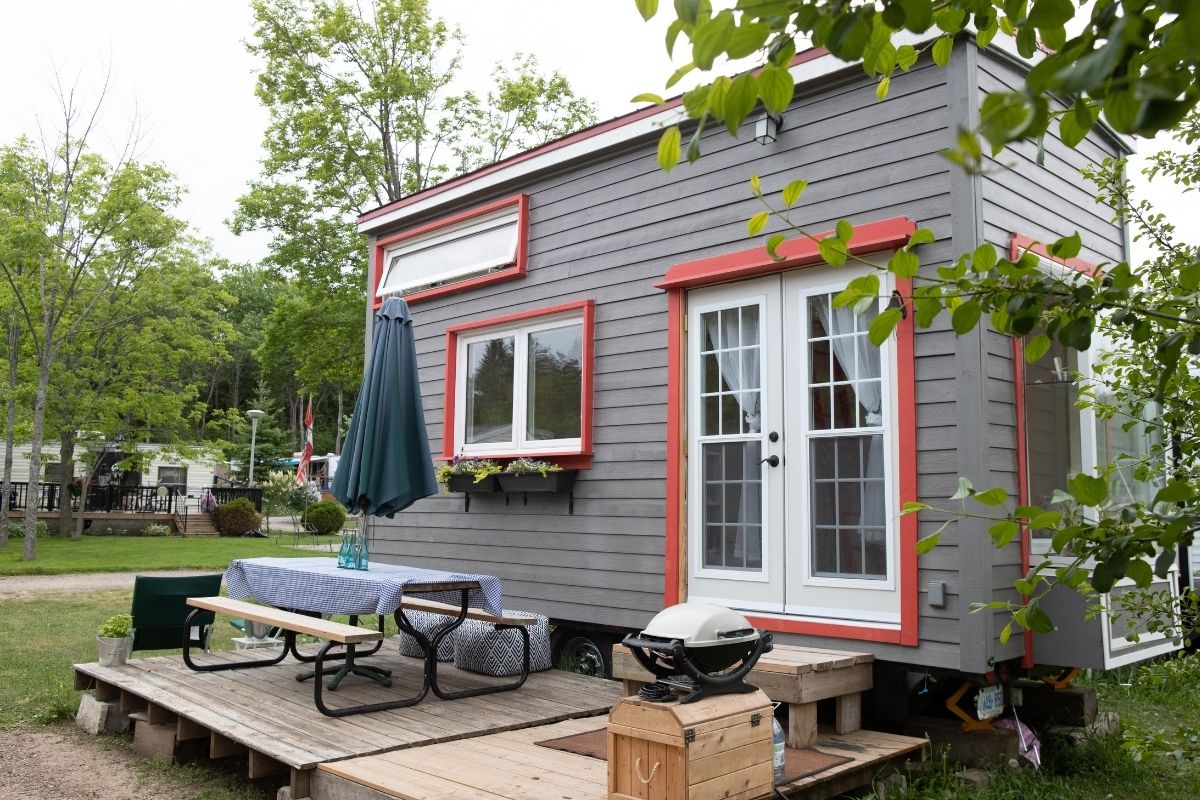
Tiny homes are no longer just for personal use or minimalists. Across Texas, more homeowners are seeing their potential as income-generating properties. As rental demand grows in both big cities and smaller towns, tiny homes offer a compact, affordable option for renters.
In cities like Austin, Dallas, and Houston, rising rents have many people looking for more affordable places to live. But it’s not just the big cities. Suburban and rural areas are also seeing interest in tiny homes, especially when placed as accessory dwelling units or rentals on existing lots. Tiny homes can fit into both of these models, depending on zoning laws and property setup.
Short-term rentals are a popular option. Travelers looking for something unique and cost-effective often prefer tiny homes to typical hotel stays. A well-designed tiny home in an area with good foot traffic or outdoor attractions can be a hit on platforms like Airbnb. Long-term rentals are another solid option, especially in areas with a need for workforce housing.
For investors, tiny homes are appealing because they often cost less to build and maintain than a traditional home. While they don’t guarantee high returns, the smaller scale makes it easier to enter the rental market and manage properties.
Once a tiny home becomes a rental property, however, the financing rules change. What works for a primary residence doesn’t always work when the property is being used to generate income.
Why Financing Looks Different for Rental Properties in Texas
When a tiny home transitions from a personal property to an income-generating rental, the way lenders evaluate it changes. For a primary residence, lenders focus on the borrower’s personal income, credit history, and whether they plan to live in the home. But with rental properties, it’s all about the property’s ability to support itself financially.
Texas continues to experience steady population growth, driving demand for rental properties in both urban and rural areas. According to the U.S. Census Bureau’s QuickFacts for Texas, the state has experienced significant population increases over the past decade, reinforcing the need for more rental housing. This growth helps explain why lenders take a closer look at rental income potential when evaluating investment property applications.
For tiny home rentals, projected rent plays a big role in the approval process. Lenders often want to know if rental income can cover monthly expenses such as the mortgage payment, property taxes, insurance, and other costs. If the rental income looks stable and realistic, the loan application is viewed as less risky.
This focus on the property’s income is a big change from traditional home financing. For primary residences, borrowers may qualify for a loan based largely on their salary and personal finances. But for rental properties, lenders focus more on the income the property will generate. The home needs to prove that it can handle its own financial obligations.
.jpg)
How Lenders Evaluate Rental Cash Flow
Once a tiny home is considered a rental, lenders begin focusing on the numbers behind the property, not just the borrower’s income. The central question is simple: Can this property generate enough income to cover its costs?
For most rental properties, the evaluation starts with determining fair market rent. Lenders and appraisers often compare rental rates for similar properties in the area. For tiny homes, determining rental rates can be trickier, since there may not be direct comparables, but the same general approach applies. For short-term rentals, lenders might rely on income history or conservative occupancy estimates to gauge revenue potential.
Next, expenses come into play. Lenders will look at mortgage payments, property taxes, insurance, and sometimes association fees. They want to see that the rental income can comfortably cover those expenses. If the projected rent barely covers costs, the loan may appear risky. If there’s a solid margin, it strengthens the application.
The key difference here is that rental properties are expected to operate independently. They need to generate enough income to cover the financial obligations, regardless of the borrower’s personal income. This requirement is especially important in areas where rental demand fluctuates or where zoning laws restrict occupancy or rental durations.
Tiny homes may add another layer of complexity. Lenders will want to know if the home is permanently affixed to the land or if it’s movable. The property’s classification and how it’s treated by local municipalities can influence how the loan is processed.
Understanding Cash-Flow-Based Loan Evaluation
When financing rental properties, including tiny homes, lenders often use a debt service coverage ratio (DSCR) to assess whether the property's income covers its obligations. The DSCR compares property income to the debt payment, providing a clear picture of the investment’s financial stability.
In simple terms, DSCR is calculated by dividing the property’s rental income by its total monthly debt payment, which includes the mortgage, property taxes, insurance, and any other required fees. If the ratio is 1.0 or higher, this means the property generates enough income to cover the debt. If the ratio is below 1.0, the income doesn’t fully cover the expenses, which can be a red flag for lenders.
For tiny home rentals, this evaluation is crucial. Lenders use DSCR to assess whether the property itself can support the monthly debt payments. That’s important because tiny homes don’t always fit neatly into traditional lending models based on personal income.
Many investors turn to debt-service-coverage-ratio loans for landlords because they allow investors to qualify based on rental income rather than personal earnings. These loans offer more flexibility, especially for those whose income might not meet traditional lending requirements.
However, DSCR loans come with their own requirements. Lenders will often ask for detailed rental income projections, as well as an appraisal to ensure the tiny home’s value matches the anticipated rental income. The best applications are usually the ones that are grounded in realistic numbers and clear documentation.
Preparing to Apply for Financing in Texas
Now that you understand how lenders evaluate rental income, preparing for the financing application becomes much more straightforward. For tiny home investors in Texas, the application process is heavily dependent on having the right documentation to back up the property’s rental potential.
Start by establishing realistic rental projections. For long-term rentals, this involves reviewing comparable properties and documenting market rents. For short-term rentals, lenders will want to see a history of income or conservative estimates. Lenders generally prefer numbers that reflect steady, predictable income.
Appraisals are also essential. Lenders will usually require an appraisal to confirm the value of the tiny home, and in some cases, to estimate fair market rent. For tiny homes, it’s important to know that classification matters. Homes that are permanently affixed to land tend to be treated differently from movable tiny homes. Having clear documentation about the property’s foundation, utility connections, and zoning can help streamline the process.
Zoning laws deserve attention as well. Texas municipalities vary in how they regulate accessory dwelling units and short-term rentals. Some areas may require special permits or restrict occupancy durations. Proof that the property complies with local rules strengthens the application.
Lastly, make sure your broader financial profile is in order. Even when cash flow is the focus, lenders still review credit history, reserves, and prior real estate experience. Being organized and having your financial details in order can make the application process smoother.
.jpg)
Weighing Risk and Return on a Tiny Home Rental
Financing is only part of the equation. Before committing to a tiny home rental in Texas, investors should assess the property's long-term performance. Cash flow might support loan approval, but consistent profitability depends on careful planning and understanding of potential risks.
Operating costs for tiny homes are typically lower than for traditional houses, but they’re still real. Maintenance, utilities, property management fees, short-term rental platform fees, and occasional upgrades all factor into your bottom line. Even small homes require upkeep, and planning for repairs and ongoing maintenance can help protect your profits.
Vacancy is another consideration. In high-demand areas, occupancy may remain steady year-round. In seasonal locations, though, income can fluctuate. Investors relying on short-term rentals should plan for slower months and use conservative revenue projections. A cautious approach can help keep the investment stable even when bookings dip.
Local regulations also influence performance. Some Texas cities have specific rules regarding short-term rentals. Others place limits on accessory dwelling units or zoning. Before investing in property or starting a rental business, it’s worth reviewing local zoning and land-use laws. If you’re still weighing locations, checking out guidance on buying land for a tiny house can help you understand the legal considerations and infrastructure needs.
A successful rental depends on striking a balance. When rental income consistently exceeds expenses, and all regulatory requirements are met, the investment can deliver reliable returns. But when costs are underestimated, or rules are overlooked, profitability can quickly dwindle.
Conclusion
Renting out a tiny home in Texas can offer solid income potential, but financing is crucial to making the investment work over the long term. Once a property is categorized as a rental, lenders shift their focus toward its performance. Cash flow, projected rent, and overall debt obligations become key factors in loan approval.
Understanding how rental income is evaluated helps investors approach the process with a clear plan. Realistic projections, proper documentation, and compliance with zoning and local laws all strengthen the application. For tiny homes, factors like property classification and setup can also affect financing options.
Texas continues to see steady demand for rental properties, creating great opportunities for well-positioned tiny home investments. With careful planning and a clear understanding of how lenders assess income, investors can make smart choices that align with their financial goals and long-term stability.


.svg)
.jpg)