How to Choose the Best Paint for a Bathroom That Will Truly Last

.jpg)
Bathroom paint must withstand steam, splashes, cleaning products, and repeated temperature changes. A pleasing color alone can't protect walls from those conditions. The right product needs moisture resistance, tolerance for regular scrubbing, and reliable adhesion to a prepared surface. Sheen, mildew resistance, ventilation, and curing time also affect the result. Evaluating each factor before buying paint helps prevent peeling and frequent touch-ups while creating a cleaner, longer-lasting bathroom.
Start With the Bathroom’s Conditions
Bathroom size, ventilation, and daily use all affect the paint selection. A bathroom with a frequently used shower develops more humidity than a half-bath without a tub. Poor airflow leaves moisture on walls longer, which raises the risk of mildew and surface damage.
Homeowners comparing products should focus on the best type of paint for bathroom conditions rather than choosing a color first. Premium 100% acrylic latex paint formulated for high-moisture spaces handles damp air and routine cleaning better than ordinary wall paint. The label should also state that the product resists mildew.
Choose A Durable Paint Formula
Premium 100% acrylic latex paint suits most bathroom walls because it adheres well and withstands routine cleaning. Its water-based formula also produces less odor than many solvent-based coatings, which makes interior painting more comfortable.
A bathroom-specific formula provides added protection in rooms exposed to daily steam. Homeowners should read the label instead of assuming that every interior latex paint has the same moisture resistance. The formula matters more than a broad claim that the paint works in every room.
Select The Right Sheen
Sheen affects durability, cleaning, and appearance. Flat paint hides minor surface flaws, but its porous surface absorbs moisture and resists scrubbing. High-gloss paint handles water and cleaning well, although its reflective surface reveals dents, patches, and uneven drywall.
Satin and semi-gloss finishes provide a practical balance for most bathrooms. They clean more easily than flat finishes and resist moisture without the intense reflection of high-gloss paint. Satin suits walls where a softer appearance matters, while semi-gloss works well on trim and surfaces exposed to frequent splashes.
.jpg)
Look For Mildew Resistance
Moisture creates conditions that support mildew, especially in bathrooms with limited airflow. A mildew-resistant coating helps protect the painted surface, but it cannot correct ongoing condensation or a water leak. Ventilation remains part of the paint plan.
Use an exhaust fan during showers and for a while afterward. When practical, opening a door or window can improve air movement. If existing walls show dark spots, address the source before repainting. Painting over an active moisture problem traps the issue beneath the new coating.
Prepare The Surface Before Painting
Preparation determines how well paint bonds to the wall. Soap residue, dust, grease, and mildew prevent a coating from adhering evenly. Clean walls with a suitable household cleaner, rinse when the product instructions require it, and let them dry completely.
Repair cracks, holes, peeling areas, and damaged drywall before painting. A suitable primer helps seal porous patches and creates an even base coat. Stains and glossy surfaces require extra attention because they can cause uneven coverage or early peeling.
Skipping preparation often creates visible problems within months. Even high-quality bathroom paint cannot compensate for contamination, loose paint, or damp drywall beneath the coating.
Respect Drying And Curing Time
Paint can feel dry while remaining vulnerable to humidity. The surface needs enough time to cure before the bathroom returns to normal use. Running a hot shower too soon exposes the coating to steam before it reaches full hardness.
Product instructions provide the correct drying and recoat times for the selected formula. Temperature, humidity, ventilation, and coat thickness affect the process. Homeowners should keep the room ventilated and avoid heavy moisture until the paint has cured according to the manufacturer’s directions.
Match Color To Light And Room Size
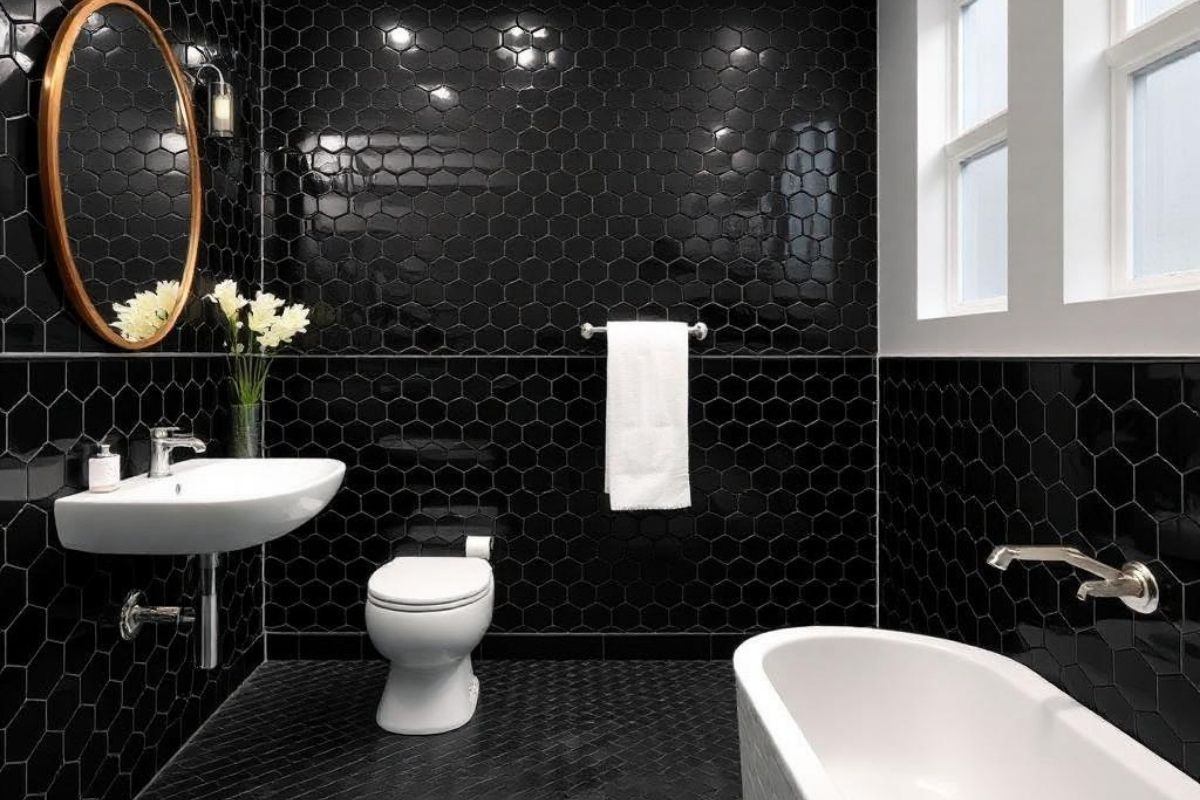
Light changes how a bathroom color appears throughout the day. Pale whites, soft grays, muted blues, and light greens reflect more light in smaller rooms. Warm neutrals also prevent a bathroom with limited natural light from appearing cold or cramped.
Larger bathrooms allow deeper colors on walls or accent areas. The selected shade should still coordinate with the tile, fixtures, flooring, and artificial lighting. Testing a sample on the wall helps reveal undertones before the full project begins.
Conclusion
A lasting bathroom paint job starts with a moisture-resistant 100% acrylic latex formula, a washable satin or semi-gloss sheen, and careful surface preparation. Good ventilation and complete curing protect the coating after application. Before purchasing paint, homeowners should inspect the walls, assess the room’s airflow, and read the label for bathroom suitability and mildew resistance. This checklist prevents mismatched products and gives the finished color a better chance to remain clean and intact.


.svg)
.jpg)