How to Choose Sustainable Products for a Simple Living Home


The concept of simple living has gained traction in recent years as individuals and families seek to embrace a lifestyle that prioritizes sustainability, minimalism, and intentionality. In a world filled with consumerism, the desire for simplicity often extends to the products we use in our homes. Choosing sustainable products not only helps reduce our environmental footprint but also aligns with the principles of simple living. This article will guide you through the process of selecting sustainable products and offer top decluttering tips to create a simpler, more mindful home.
Understanding Sustainable Living
Defining Sustainable Living
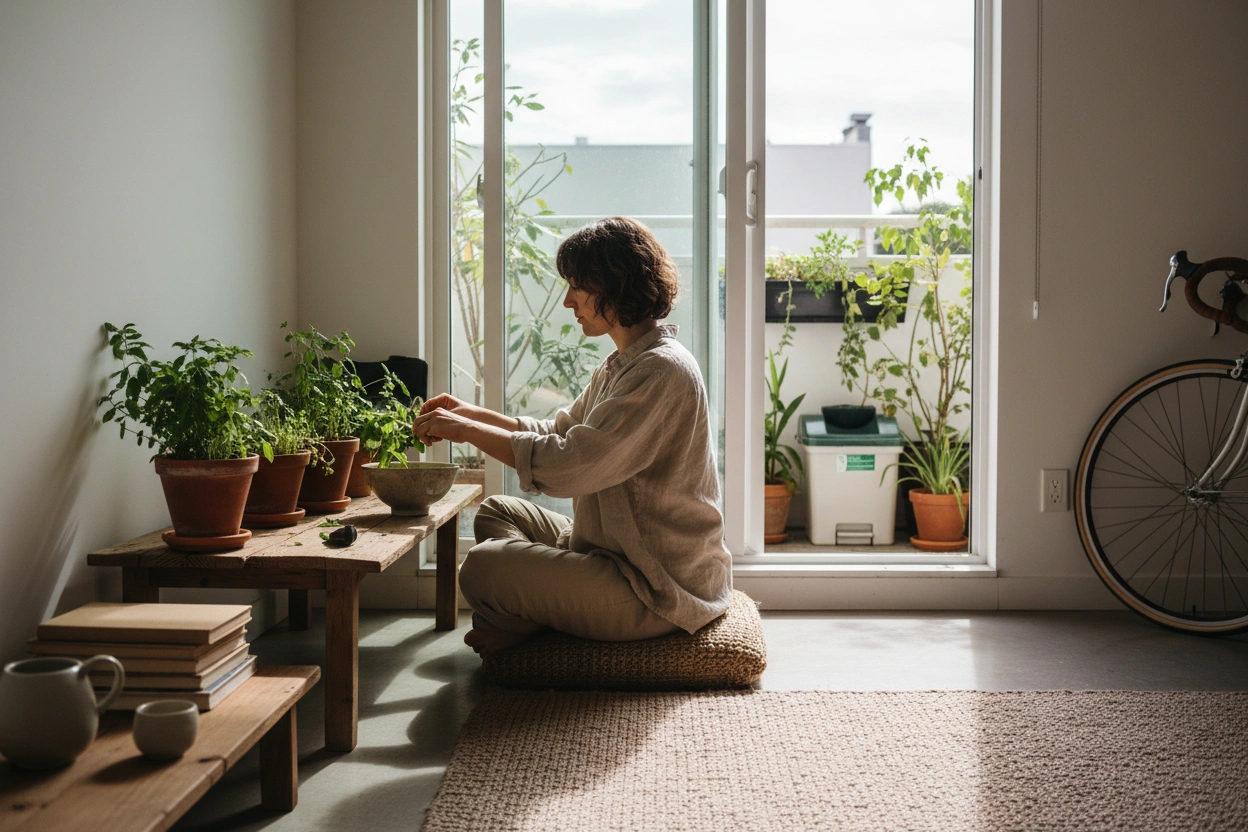
Sustainable living refers to a lifestyle that seeks to minimize an individual's or society's use of the Earth's natural resources and personal resources. It encourages practices that contribute to the long-term health of our planet and fosters a more eco-friendly way of life. This includes making conscious choices about the products we buy, the energy we consume, and how we manage waste.
The Benefits of Sustainable Products
Choosing sustainable products contributes to environmental conservation, resource efficiency, and often improved health. Here are some key benefits:
- Environmental Impact: Sustainable products are designed to minimize waste, reduce pollution, and conserve natural resources.
- Healthier Choices: Many sustainable products are free from harmful chemicals and toxins, promoting better health for consumers and the environment.
- Economic Savings: While some sustainable products may have a higher upfront cost, they often save money in the long run due to their durability and efficiency.
How to Choose Sustainable Products

1. Research Materials and Ingredients
When selecting sustainable products, it is essential to understand the materials and ingredients used in their production. Look for products made from:
- Natural Materials: Organic cotton, bamboo, and hemp are excellent choices for textiles and home goods.
- Recycled Materials: Products made from recycled materials help reduce waste and decrease the demand for new resources.
- Biodegradable Options: Choosing items that can decompose naturally minimizes the impact on landfills.
2. Assess the Production Process
The sustainability of a product often depends on how it is made. Consider the following aspects:
- Ethical Manufacturing: Look for companies that prioritize fair labor practices and safe working conditions.
- Energy Efficiency: Products manufactured using renewable energy sources are typically more sustainable.
- Local Sourcing: Buying locally reduces transportation emissions and supports the local economy.
3. Evaluate Product Lifespan
Durability is a key factor in sustainability. When selecting products, consider:
- Quality Over Quantity: Invest in high-quality items that will last longer, reducing the need for frequent replacements.
- Repairability: Products designed for easy repair can extend their life and reduce waste.
- Multi-functionality: Opt for items that serve multiple purposes to decrease the overall number of products needed.
4. Look for Certifications
Many sustainable products carry certifications that can help you make informed choices. Some notable certifications include:
- Energy Star: Indicates energy-efficient appliances and electronics.
- Fair Trade: Ensures fair wages and working conditions for producers.
- USDA Organic: Certifies organic agricultural products free from synthetic pesticides and fertilizers.
Top 10 Decluttering Tips for a Simpler Home
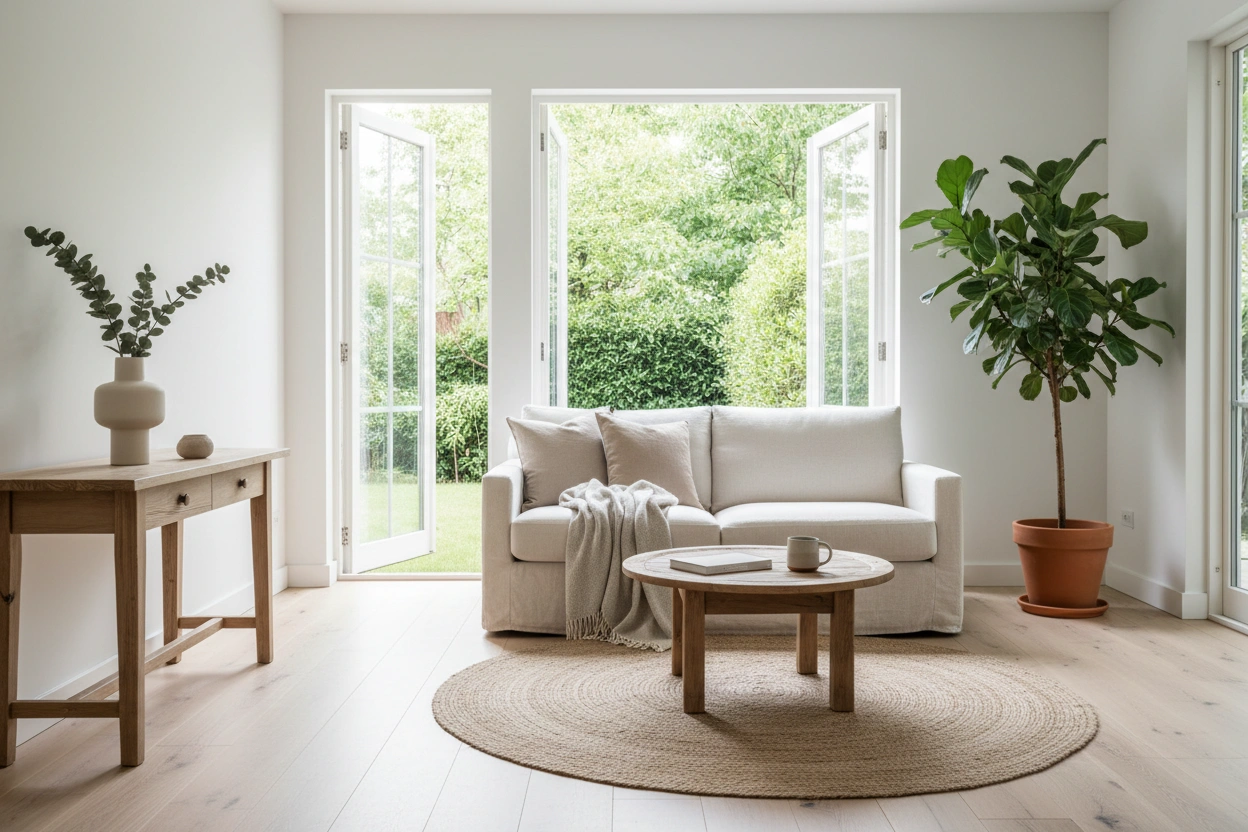
Embracing simple living involves not just choosing sustainable products but also creating a clutter-free environment. Here are ten effective decluttering tips to help you simplify your home:
Start Small: Begin with one room or area to avoid feeling overwhelmed. A small space can yield quick results, motivating further decluttering.
Set Clear Goals: Determine what you want to achieve with your decluttering efforts. This could be a more organized space or a specific aesthetic.
Use the Four-Box Method: Label four boxes as "Keep," "Donate," "Sell," and "Trash." Sort items accordingly to streamline the decision-making process.
Adopt the One-Year Rule: If you haven’t used an item in the past year, consider letting it go. This rule helps prioritize items that are truly valuable.
Limit Sentimental Items: While it’s natural to hold onto memories, be selective about which sentimental items you keep. Consider taking photos of items before letting them go.
Digitize Documents: Reduce paper clutter by scanning important documents and storing them digitally. This not only saves space but also enhances organization.
Create a "Maybe" Box: If you’re unsure about certain items, place them in a box and revisit it in six months. If you haven’t needed them, it’s likely safe to donate or discard.
Involve Family Members: Encourage everyone in the household to participate in decluttering. This fosters a sense of shared responsibility and makes the process more enjoyable.
Regular Maintenance: Schedule regular decluttering sessions, such as once a season, to maintain a clutter-free environment.
Embrace Minimalism: Shift your mindset to value experiences over possessions. This can help reduce the desire to accumulate unnecessary items.
Common Misconceptions About Sustainable Living
Sustainability is Only for the Wealthy
A common misconception is that sustainable living is too expensive. While some sustainable products may have a higher initial cost, many affordable options exist. Additionally, the long-term savings from energy-efficient appliances or reusable products can offset initial expenses.
All Eco-Friendly Products Are Created Equal
Not all eco-friendly products are equally sustainable. It’s crucial to research and understand the practices behind the products you choose. Look for transparency from brands regarding their sourcing, manufacturing, and environmental impact.
Sustainable Living Requires Major Lifestyle Changes
While some may think that adopting a sustainable lifestyle requires drastic changes, small adjustments can make a significant difference. Simple actions, such as reducing single-use plastics or choosing local produce, can contribute to a more sustainable lifestyle without major upheaval.
The Role of TinyHouse.com in Simple Living
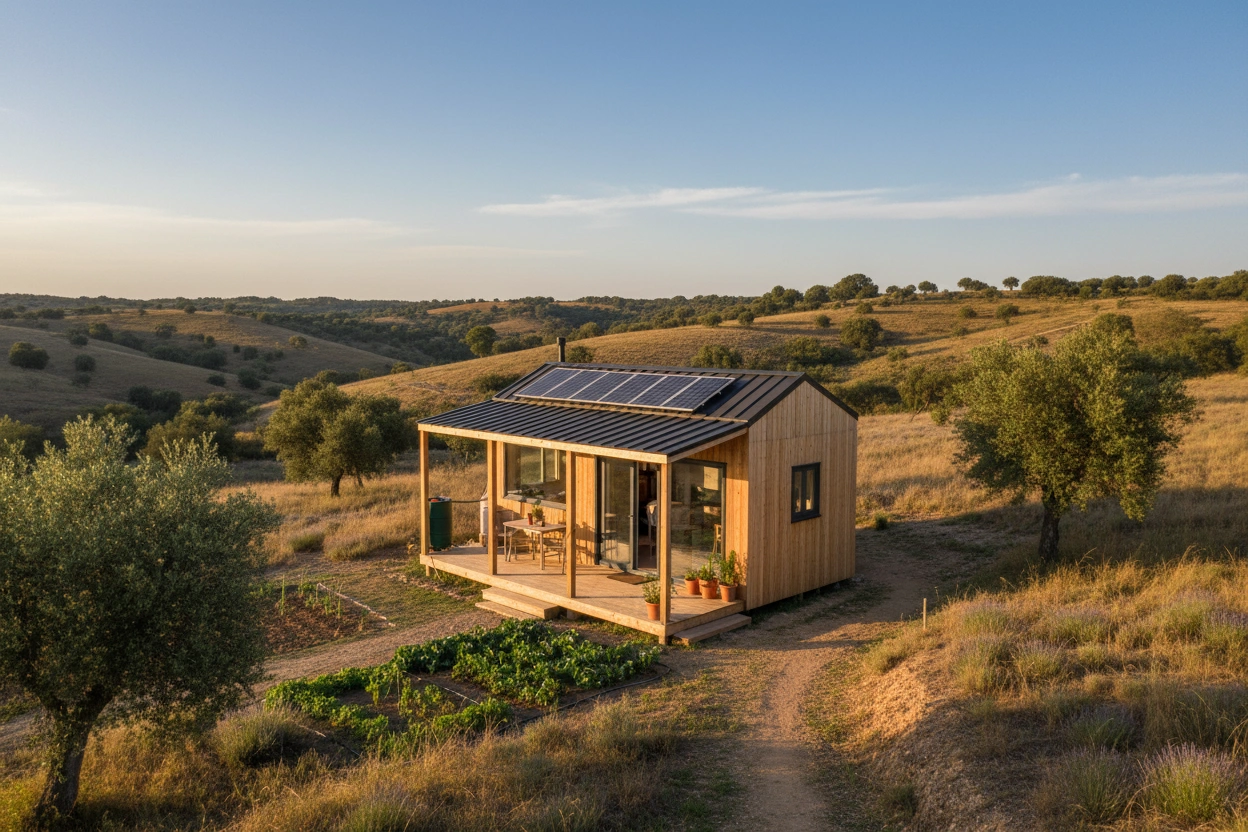
TinyHouse.com is dedicated to promoting the principles of simple living, offering resources and insights into sustainable housing options. The tiny house movement aligns perfectly with the values of minimalism and sustainability, providing a pathway for individuals and families to reduce their environmental impact while enjoying a simpler life.
By focusing on sustainable practices and promoting the benefits of tiny living, TinyHouse.com empowers aspiring homeowners to embrace a lifestyle that prioritizes both simplicity and sustainability. Visitors can find guidance on building, buying, and living in tiny homes, making it easier to adopt a simple living approach.
Embracing Simple Living Through Sustainable Choices
Choosing sustainable products is an integral part of creating a simple living home. By understanding what makes a product sustainable, assessing materials and production processes, and implementing effective decluttering strategies, individuals can foster a lifestyle that is both eco-friendly and minimalistic.
TinyHouse.com is here to support your journey towards simple living. With a wealth of resources and tools at your fingertips, you can take actionable steps toward building or buying a tiny home that reflects your values.
For more information on simple living and sustainable choices, visit TinyHouse.com and discover how you can create a home that embodies your commitment to a simpler, more sustainable lifestyle.


.svg)