How to Maintain and Repair Your Tiny House Roofing Like a Pro


Maintaining and repairing tiny house roofing is essential for ensuring the longevity and safety of your home. Tiny houses, due to their compact nature, often face unique challenges when it comes to roofing. Understanding the best roofing materials for tiny houses and repair can save you time, money, and stress in the long run. In this article, we will cover the best roofing materials for tiny houses, along with their pros and cons, and provide actionable tips for maintaining and repairing your roofing like an expert.
Understanding Tiny House Roofing Needs
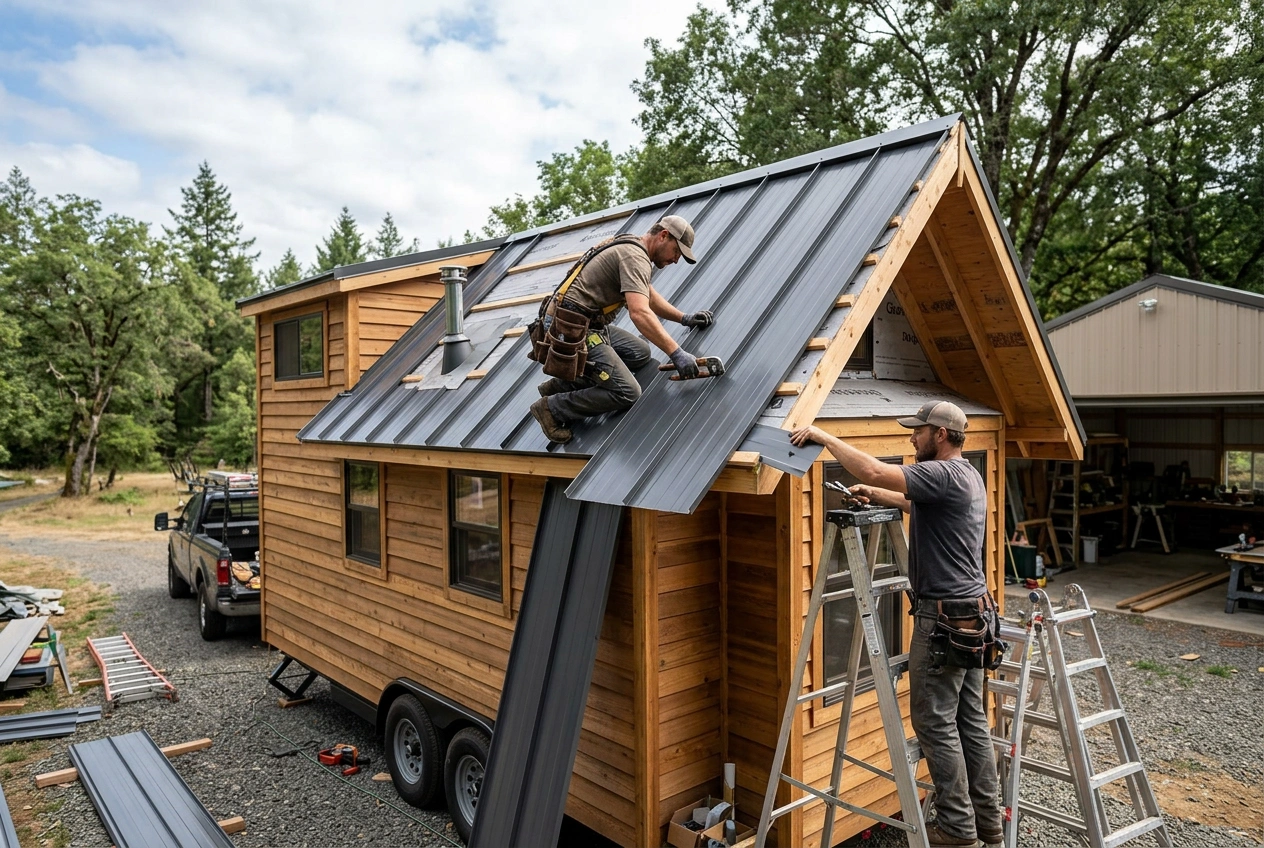
Why Roofing Matters in Tiny Houses
Tiny houses, while small, are still subject to the same environmental factors as traditional homes. This means that your roofing must withstand rain, snow, wind, and sun exposure. The compact design of tiny houses often leads to a steeper roof pitch, which can affect water drainage and snow accumulation. Proper roofing not only protects the interior from leaks but also contributes to the overall energy efficiency of the home.
Moreover, tiny house roofing can significantly impact aesthetics. The choice of materials and design can enhance the overall appeal of your tiny home, making it not just a shelter but also a stylish living space. As such, understanding the intricacies of tiny house roofing is vital for both functionality and visual appeal.
Common Misconceptions About Tiny House Roofing
There are several misconceptions surrounding tiny house roofing that can lead to costly mistakes. One common belief is that tiny houses can use the same roofing materials as larger homes without any modifications. However, the structural integrity and weight distribution in tiny homes are different, requiring careful consideration of material choices.
Another misconception is that all roofing types are equally durable. While some materials may seem cost-effective initially, they might not stand up to the rigors of the environment over time. It’s essential to evaluate roofing options based on their long-term performance and maintenance requirements to ensure you are making an informed decision.
Top Roofing Materials for Tiny Houses: Pros and Cons
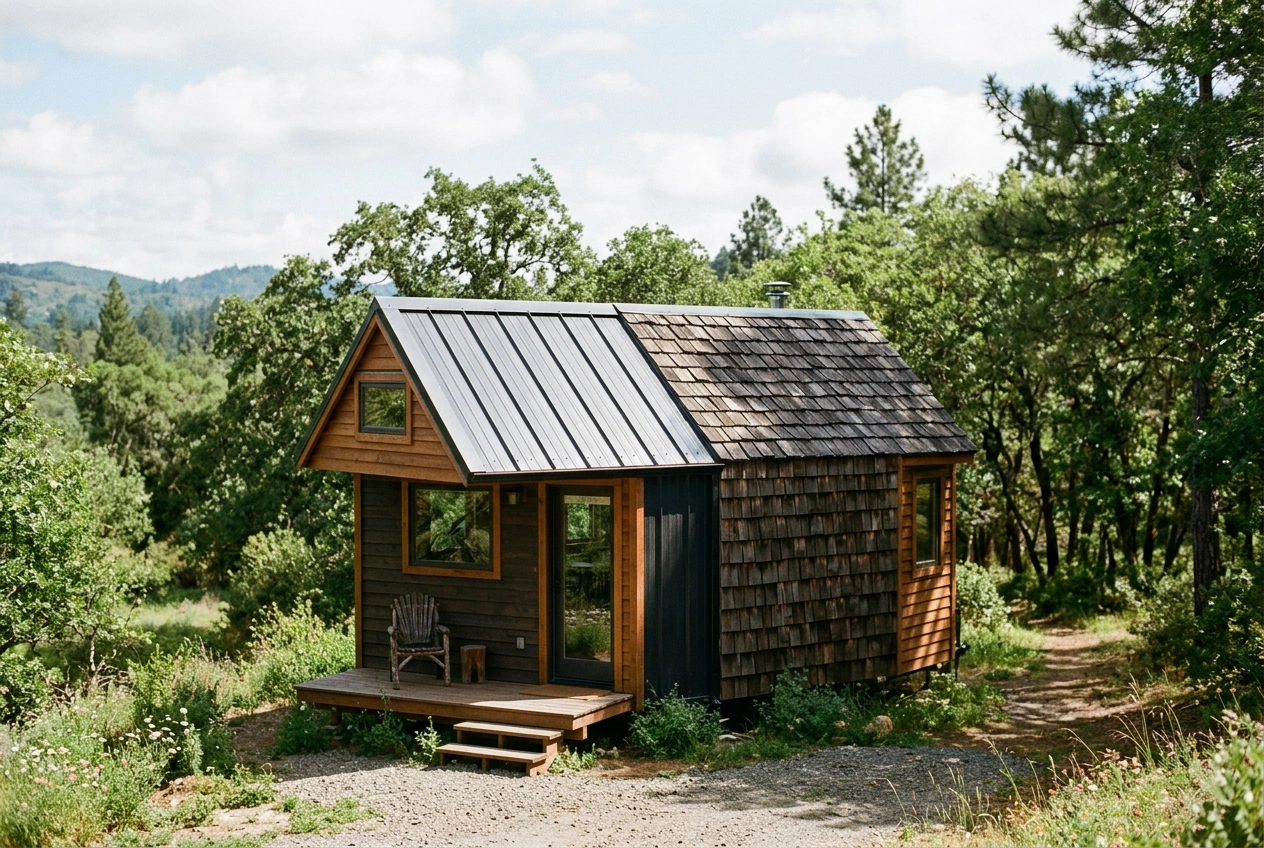
Choosing the right roofing material is crucial for the longevity and efficiency of your tiny house. Below are some of the best roofing materials for tiny houses, along with their pros and cons.
1. Metal Roofing
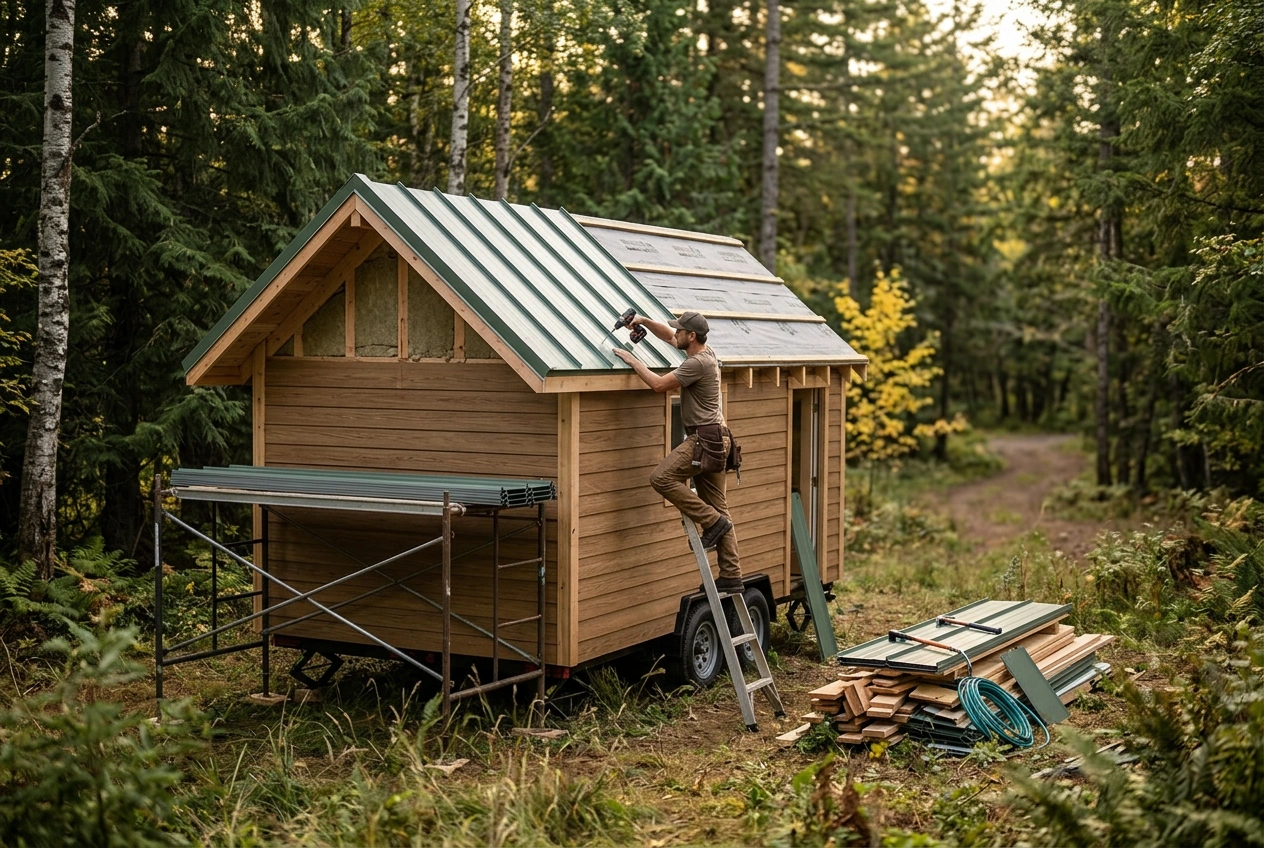
Metal roofing is a popular choice for tiny houses due to its durability and lightweight nature.
Pros:
- Longevity: Metal roofs can last 40-70 years with proper maintenance.
- Lightweight: This material is easy to install and doesn’t add significant weight to the structure.
- Energy Efficiency: Metal reflects sunlight, reducing cooling costs in hot climates.
Cons:
- Initial Cost: Metal roofing can be more expensive upfront compared to other materials.
- Noise: Rain can create a loud sound on metal roofs, which may be bothersome in a tiny house setting.
2. Asphalt Shingles
Asphalt shingles are a traditional roofing material that can work well for tiny houses.
Pros:
- Cost-Effective: Asphalt shingles are one of the most affordable roofing options available.
- Variety: They come in various colors and styles, allowing for customization.
Cons:
- Lifespan: Typically, asphalt shingles last 15-30 years, which is shorter than other materials.
- Vulnerability: They can be susceptible to wind damage and may require more frequent repairs.
3. Rubber Roofing
Rubber roofing is an increasingly popular option for tiny houses, especially for flat or low-slope roofs.
Pros:
- Waterproof: Rubber roofing is highly effective at preventing leaks.
- Flexibility: It can accommodate roof movement without cracking.
Cons:
- UV Sensitivity: Over time, rubber can degrade under direct sunlight unless treated.
- Installation: Proper installation is crucial, and mistakes can lead to significant issues.
4. Wood Shakes
Wood shakes offer a rustic aesthetic that appeals to many tiny house owners.
Pros:
- Natural Look: Wood shakes provide a charming, traditional appearance.
- Insulation: Wood naturally insulates, helping to keep the interior comfortable.
Cons:
- Maintenance: Wood roofs require regular maintenance to prevent rot and insect damage.
- Fire Risk: Wood shakes are more susceptible to fire compared to other materials.
5. Slate Roofing
Slate is a high-end roofing material known for its beauty and durability.
Pros:
- Durability: Slate can last over 100 years with proper care.
- Aesthetic Appeal: It adds a sophisticated look to any tiny house.
Cons:
- Weight: Slate is heavy and may require additional structural support.
- Cost: It is one of the most expensive roofing materials available.
Essential Maintenance Tips for Tiny House Roofing
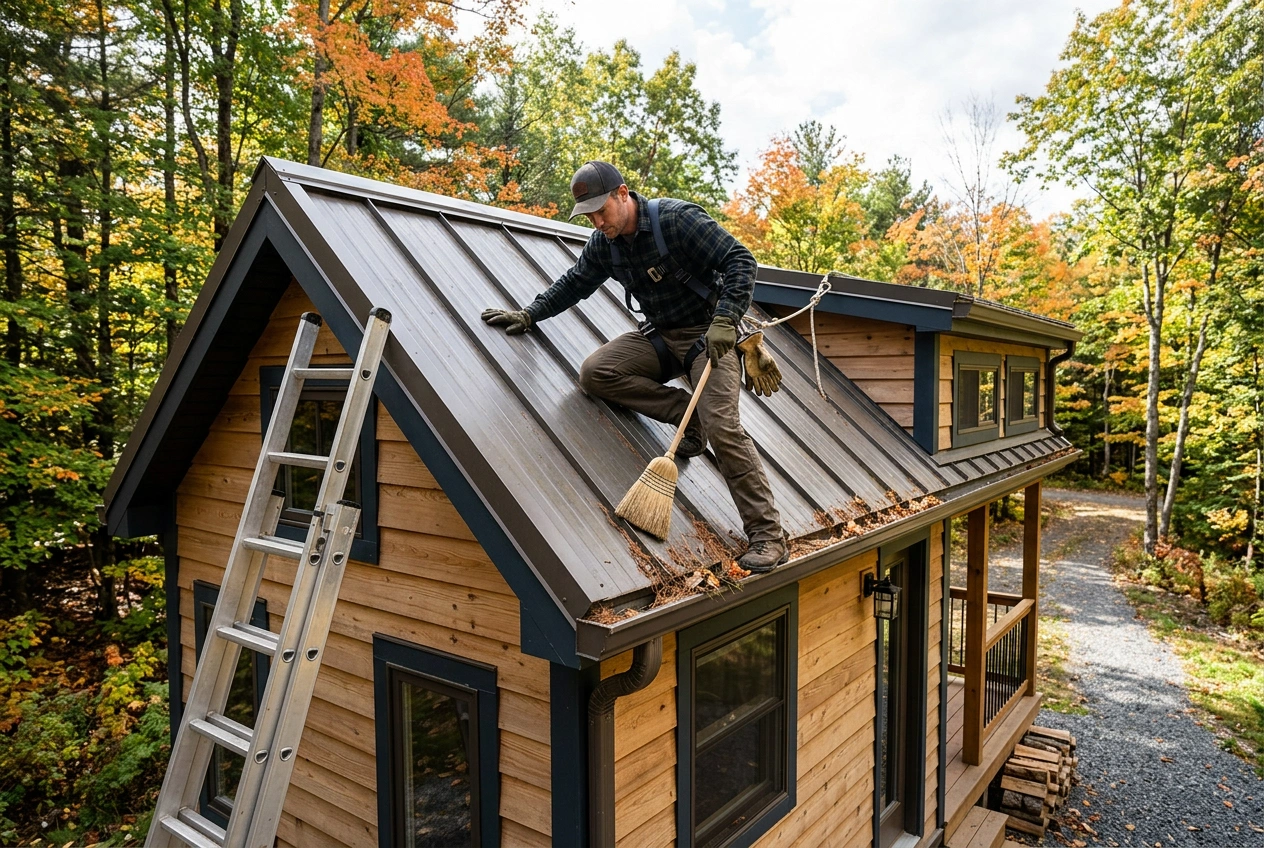
Maintaining your tiny house roofing is essential for preventing costly repairs and ensuring your home remains safe and comfortable. Here are some actionable maintenance tips:
Regular Inspections
Conducting regular inspections can help identify potential issues before they escalate.
- Inspect the roof at least twice a year, preferably in spring and fall, to check for signs of damage or wear.
- Look for loose shingles, rust spots on metal roofs, or any signs of leaks inside the home.
Cleaning Debris
Keeping your roof clear of debris is vital for its longevity.
- Remove leaves, branches, and other debris that can trap moisture and lead to mold or rot.
- Clean gutters regularly to ensure proper drainage and prevent water from pooling on the roof.
Addressing Damage Promptly
Promptly addressing any damage can prevent further issues.
- If you notice a loose shingle or a small leak, repair it immediately to avoid more extensive damage.
- For significant damage, consider consulting a professional to assess and repair the roof.
Seasonal Preparation
Preparing your roof for seasonal changes can extend its lifespan.
- In winter, ensure that snow is cleared to prevent ice dam formation, which can lead to leaks.
- In summer, check for signs of UV damage, especially on rubber or wood roofs.
Repairing Tiny House Roofing
Understanding how to repair your tiny house roofing can save you money and ensure your home stays in top condition. Here are some common repair strategies:
Patching Leaks
If you discover a leak, it's essential to patch it promptly.
- Identify the source of the leak, which may require climbing onto the roof.
- Clean the area around the leak to ensure proper adhesion.
- Use roofing cement or a patching compound to seal the leak, and allow it to cure as per the manufacturer's instructions.
Replacing Damaged Shingles
If you have asphalt or wood shingles that are damaged, replacing them is straightforward.
- Remove the damaged shingle carefully to avoid disturbing surrounding shingles.
- Slide the new shingle into place, ensuring it overlaps properly with adjacent shingles.
- Secure it with roofing nails, applying roofing cement underneath for added protection.
Addressing Metal Roofs
For metal roofs, rust spots or loose panels need immediate attention.
- Sand down rust spots to expose bare metal and apply a rust-inhibiting primer.
- Repaint the area with a matching metal roof paint to protect it from further rust.
- Tighten any loose panels and ensure they are properly sealed.
The Importance of Professional Help
While many tiny house roofing maintenance and repair tasks can be handled by homeowners, there are instances when professional help is advisable.
- Complex repairs, such as structural damage or extensive leaks, should be addressed by a qualified roofing contractor to ensure safety and compliance with building codes.
- Professionals can also provide valuable insights into the best materials and techniques for your specific roofing situation.
The Intersection of Tiny House Roofing and Expert Support
Maintaining and repairing tiny house roofing requires attention to detail and a proactive approach. With the right materials and maintenance strategies, you can ensure that your tiny home remains a safe and comfortable sanctuary.
TinyHouse.com offers a wealth of resources and expert guidance for aspiring tiny house owners. Whether you are just starting your journey or looking to maintain your existing home, our team is here to help you every step of the way.
For more information on how to maintain your tiny house roofing and to explore a range of resources, visit TinyHouse.com today. Your tiny home deserves the best, and we're committed to helping you achieve just that.