How to Start Simple Living With Mindful Consumption Habits

In an age where consumerism often overshadows personal well-being, the concept of simple living is gaining traction. This lifestyle emphasizes mindfulness, sustainability, and a focus on what truly matters. By adopting mindful consumption habits, individuals can not only reduce their environmental footprint but also enhance their quality of life. Whether you are looking to declutter your home, streamline your purchases, or make more conscious choices, understanding simple living can be the first step toward a fulfilling and sustainable lifestyle.
This article provides actionable insights on how to start your journey into simple living, focusing on the importance of practical decluttering tips to create a simpler home environment.
Understanding Simple Living
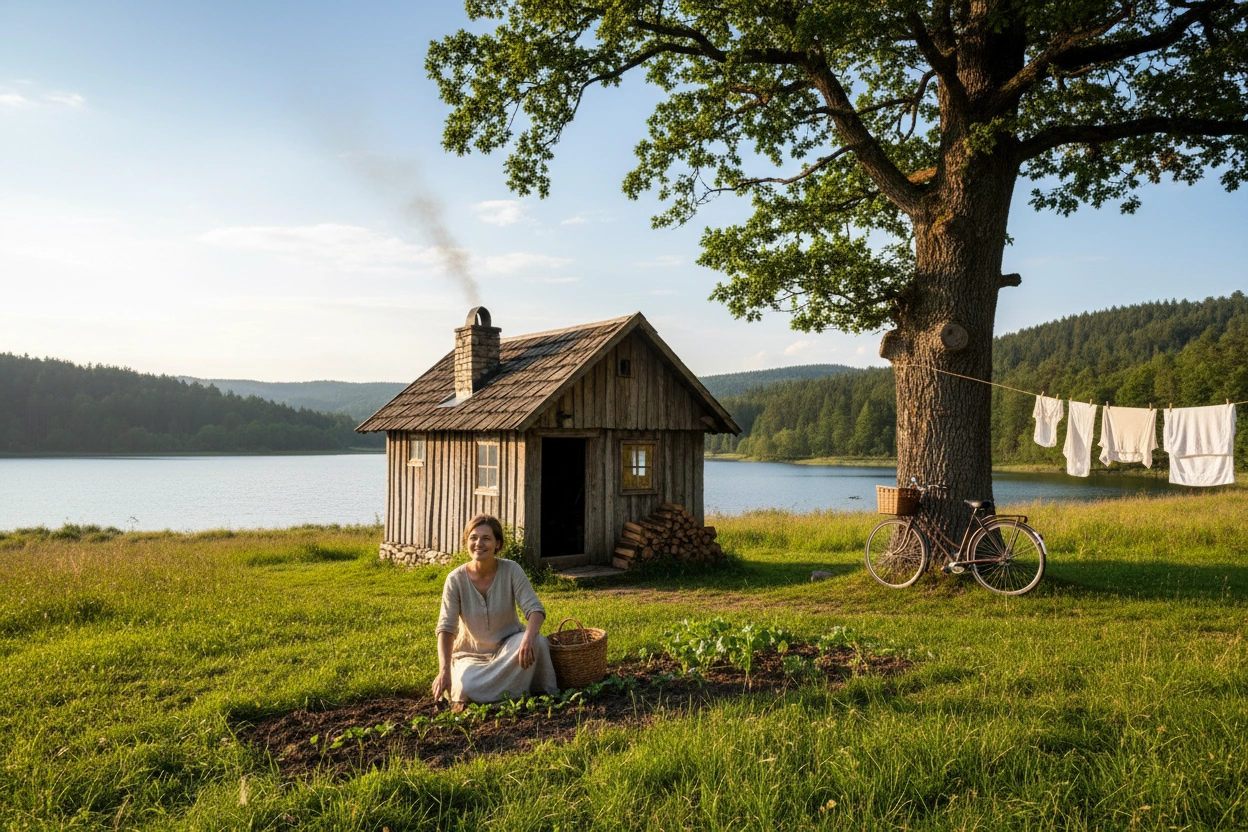
Simple living is a lifestyle choice that encourages individuals to focus on what they truly need rather than what they want. It is about making intentional decisions that lead to a more meaningful life. This approach not only aids in reducing material clutter but also promotes mental clarity and emotional well-being.
The Philosophy Behind Simple Living
At its core, simple living is about prioritizing quality over quantity. This philosophy encourages individuals to evaluate their possessions and consumption patterns critically. By understanding the motivations behind purchases—whether they stem from societal pressure, advertising, or emotional needs—people can begin to make more thoughtful choices. For instance, instead of purchasing the latest gadget because it's trendy, a simple living mindset would prompt you to consider whether the item adds real value to your life.
Benefits of Mindful Consumption
Mindful consumption is an integral part of simple living. It involves being aware of the impact of your purchasing decisions on both your life and the environment. Here are some benefits of adopting mindful consumption habits:
- Reduced Waste: By buying only what you need, you decrease the amount of waste generated from unused items.
- Financial Savings: Mindful shopping can lead to significant savings, as it encourages you to avoid impulse purchases and focus on quality products that last longer.
- Increased Satisfaction: When you buy less, you tend to appreciate your possessions more, leading to greater overall satisfaction with your life.
Top 10 Decluttering Tips for a Simpler Home
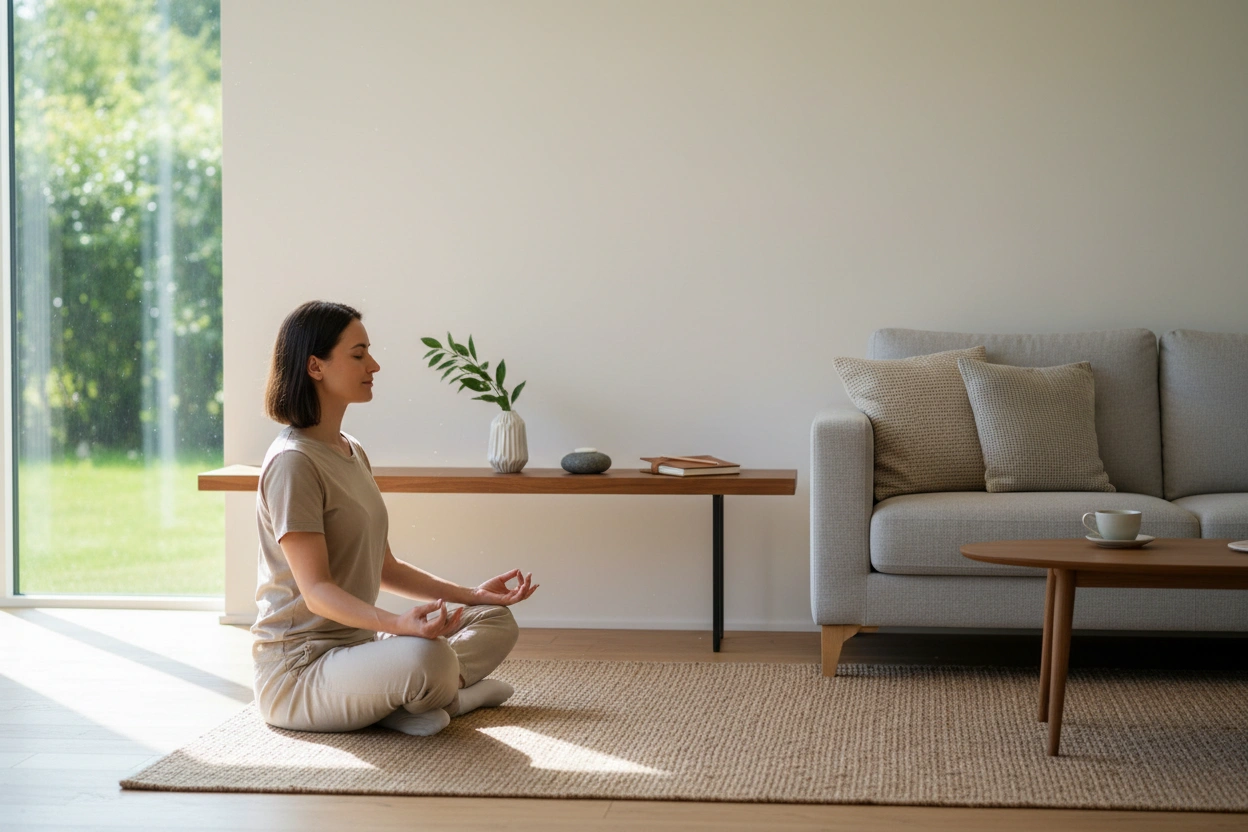
Decluttering is a fundamental step in achieving a simpler lifestyle. Here are ten effective tips to help you create a more organized and minimalist home:
- Start Small: Begin with one room or even a single drawer. Tackling a small area can provide quick wins and motivate you to continue.
- Set Clear Goals: Define what you want to achieve with your decluttering. Whether it's a specific number of items to remove or a goal to create more space, having clear objectives will guide your efforts.
- Use the One-Year Rule: If you haven’t used an item in the past year, consider whether you truly need it. This rule helps in making decisions about keeping or discarding items.
- Categorize Items: Sort your belongings into categories such as keep, donate, sell, and discard. This systematic approach simplifies the decluttering process.
- Practice the "One In, One Out" Rule: For every new item you bring into your home, remove an existing one. This habit prevents clutter from accumulating.
- Digital Decluttering: Don’t forget your digital space. Unsubscribe from emails, delete unused apps, and organize your files to create a more streamlined digital environment.
- Create a Decluttering Schedule: Set aside regular time for decluttering activities. Whether it’s once a week or once a month, consistency is key.
- Limit Sentimental Items: It’s easy to hold onto items for sentimental reasons. Choose a few meaningful keepsakes and let go of the rest to avoid cluttering your space.
- Involve Others: If you live with family or roommates, involve them in the decluttering process. This fosters a shared commitment to creating a simpler home.
- Celebrate Your Progress: Take time to appreciate your achievements, no matter how small. Celebrating milestones can motivate you to continue your journey toward simple living.
Common Misconceptions About Simple Living
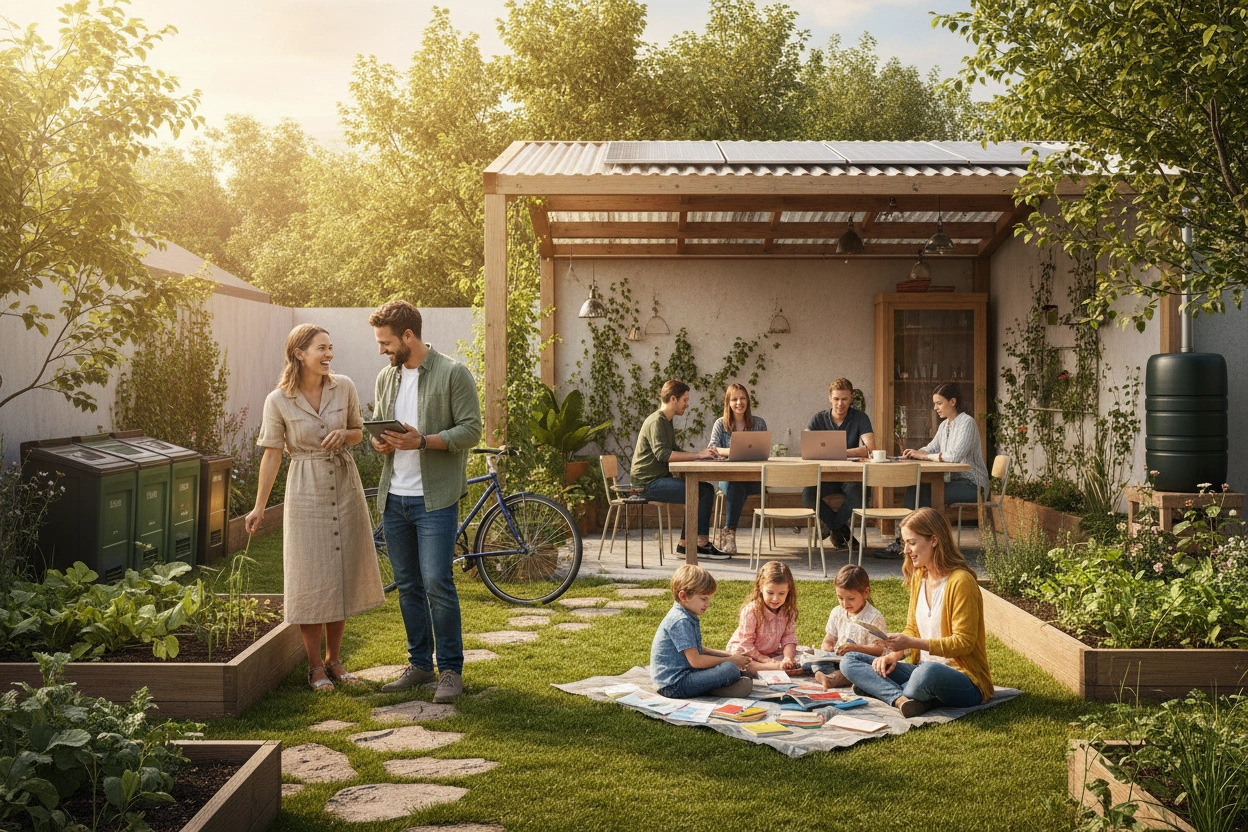
While simple living may seem straightforward, there are several misconceptions that can hinder individuals from embracing this lifestyle. Addressing these misunderstandings can pave the way for a more fulfilling experience.
Misconception 1: Simple Living Means Living With Nothing
A common belief is that simple living equates to extreme minimalism, where individuals own very few possessions. However, simple living is about finding a balance that works for you. It encourages people to keep items that hold value and bring joy while discarding the rest.
Misconception 2: It’s Only for Certain People
Many think that simple living is a lifestyle reserved for specific demographics, such as those who are environmentally conscious or those who can afford to live minimally. In reality, anyone can adopt simple living principles regardless of their background or financial situation. The focus is on making mindful choices that suit your lifestyle.
Misconception 3: Simple Living is About Sacrifice
Some perceive simple living as a lifestyle of deprivation. On the contrary, it is about prioritizing what truly matters and finding fulfillment in experiences rather than possessions. This shift in perspective can lead to a more enriched life.
Strategies for Implementing Mindful Consumption
Transitioning to mindful consumption involves a few strategic steps. Here are several effective strategies to help you embrace this approach:
1. Conduct a Needs Assessment
Before making any purchase, assess whether the item is a necessity. Consider asking yourself questions like:
- Do I need this item, or do I want it?
- How often will I use it?
- Can I borrow or rent this instead?
2. Research Before You Buy
Take the time to research products before making a purchase. Look for reviews, compare prices, and check for sustainable options. This not only helps in making informed decisions but also encourages you to buy higher-quality items that last longer.
3. Support Local and Sustainable Brands
When possible, choose to buy from local businesses or brands that prioritize sustainable practices. This not only supports your community but also contributes to a healthier planet.
4. Practice Delayed Gratification
Instead of making impulsive purchases, practice delayed gratification. Implement a waiting period—such as 30 days—before buying non-essential items. This helps to eliminate buyer's remorse and ensures that you truly want the item.
5. Create a Shopping List
Before heading out or shopping online, always create a list of necessary items. Stick to this list to avoid impulse buys and keep your consumption in check.
6. Evaluate Your Consumption Habits
Regularly review your consumption patterns and identify areas where you can improve. Are there recurring purchases that you could reduce or eliminate? This self-assessment fosters greater awareness and encourages more mindful choices.
The Intersection of Simple Living and Tiny Homes
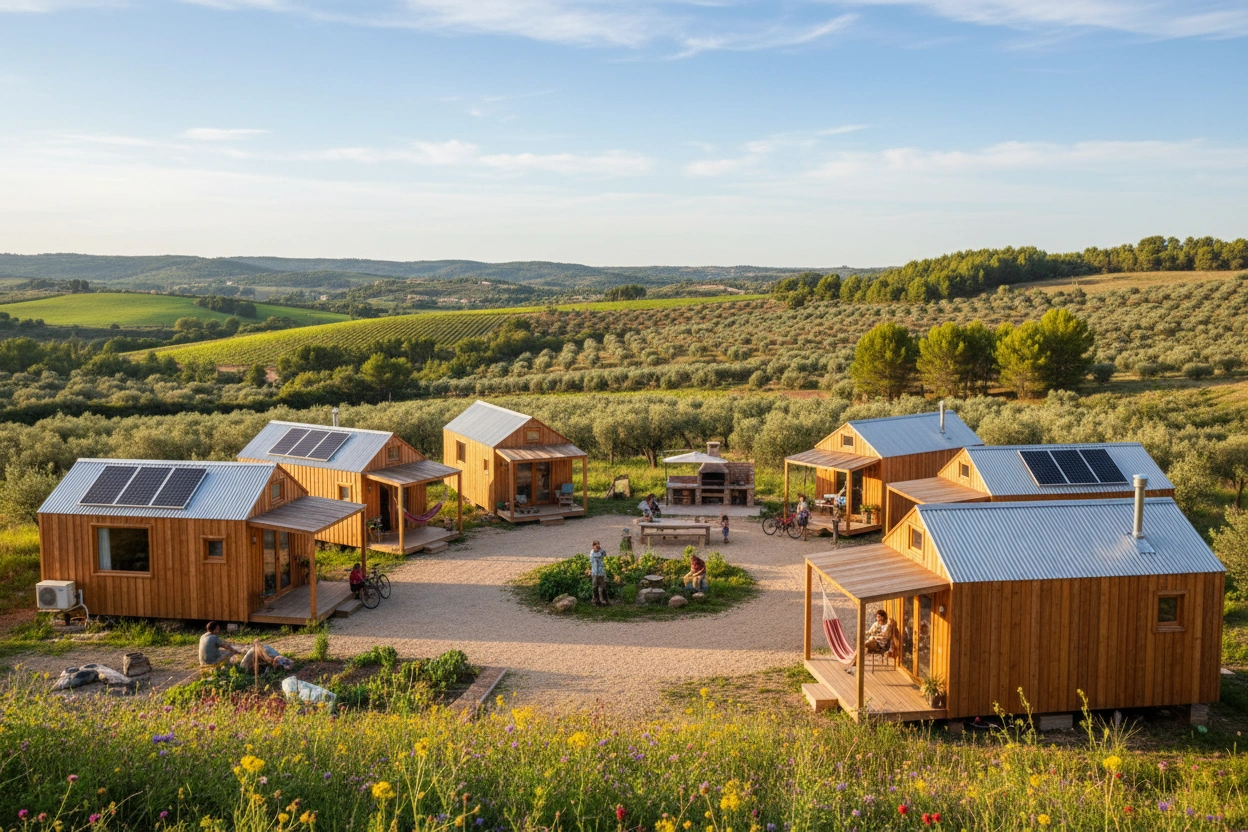
Adopting a simple living lifestyle often leads individuals to consider alternative housing options, such as tiny homes. These compact living spaces embody the principles of minimalism and sustainability, making them an ideal choice for those seeking a simpler life.
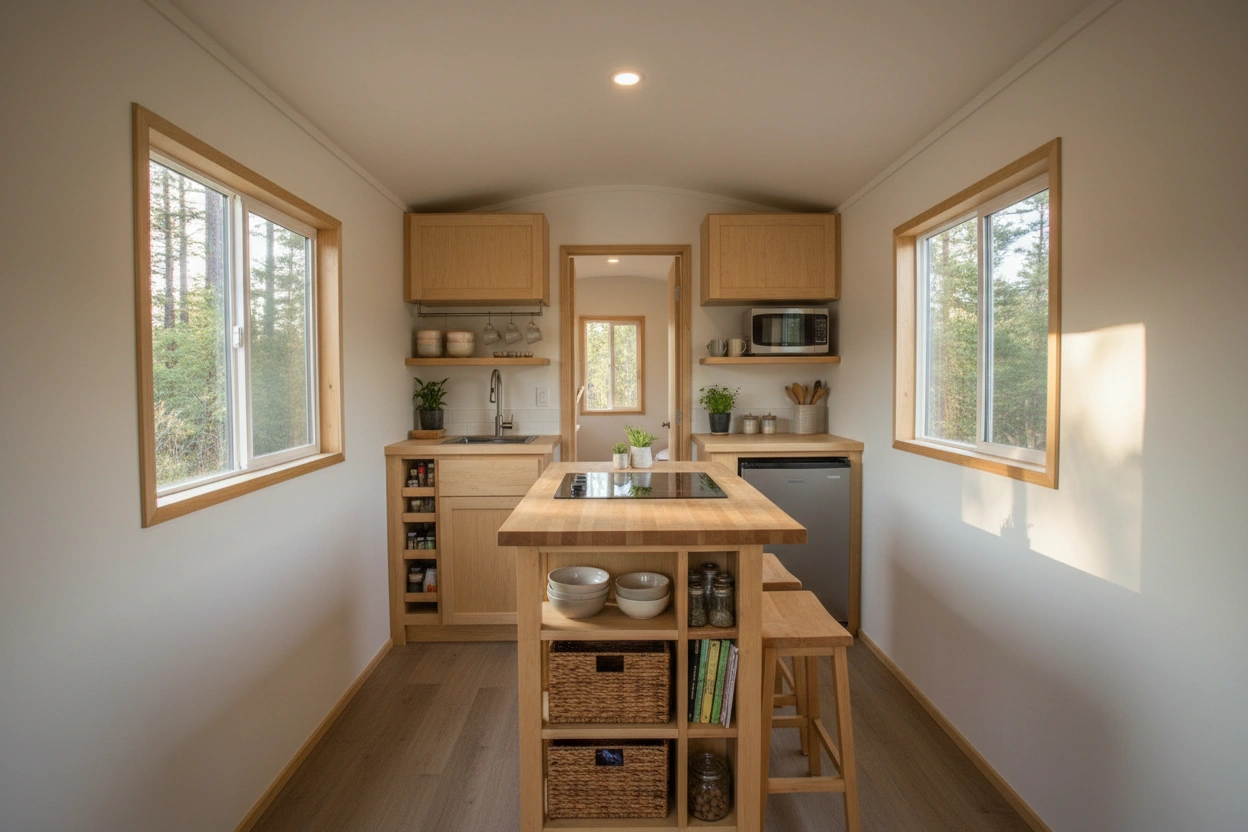
Tiny homes encourage individuals to rethink their space and prioritize functionality over excess. With a focus on efficient use of space, tiny homes can foster a deeper connection with one's surroundings and promote a sense of community.
For those interested in exploring the tiny home movement, TinyHouse.com offers valuable resources and insights into building or buying a tiny home. From design ideas to practical tips, the platform can help you navigate the journey toward achieving your simple living principles.
Embracing Simple Living with TinyHouse.com
By adopting simple living principles and mindful consumption habits, you can create a more meaningful life. This lifestyle not only fosters personal growth but also encourages sustainability and environmental responsibility. As you consider how to implement these practices in your daily routine, remember that TinyHouse.com is here to support you.
Whether you are looking for resources on tiny home living or need guidance on simplifying your life, TinyHouse.com can provide the information you need to start your journey.
To take the first step toward a simpler, more fulfilling lifestyle, visit TinyHouse.com today.


.svg)