How to Choose the Best Tiny House Roofing for Any Climate

The tiny house movement has gained significant traction in recent years, attracting individuals seeking a simpler, more sustainable lifestyle. One of the critical decisions in constructing or renovating a tiny house is selecting the right roofing material. With various options available, understanding the nuances of tiny house roofing becomes essential, especially considering the diverse climates across the globe. This comprehensive guide will delve into the best roofing materials suitable for tiny houses, their maintenance, and how to choose the right option based on your specific climate.
Understanding Tiny House Roofing Options
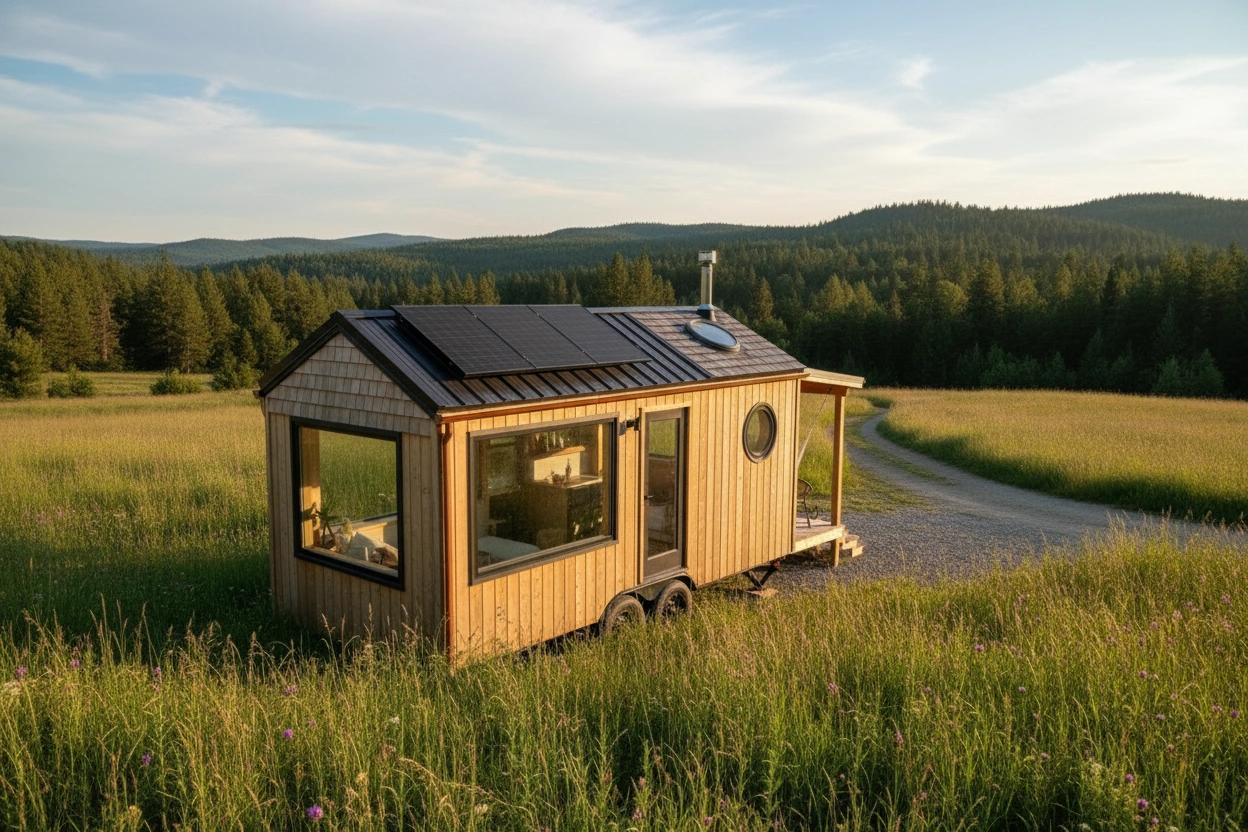
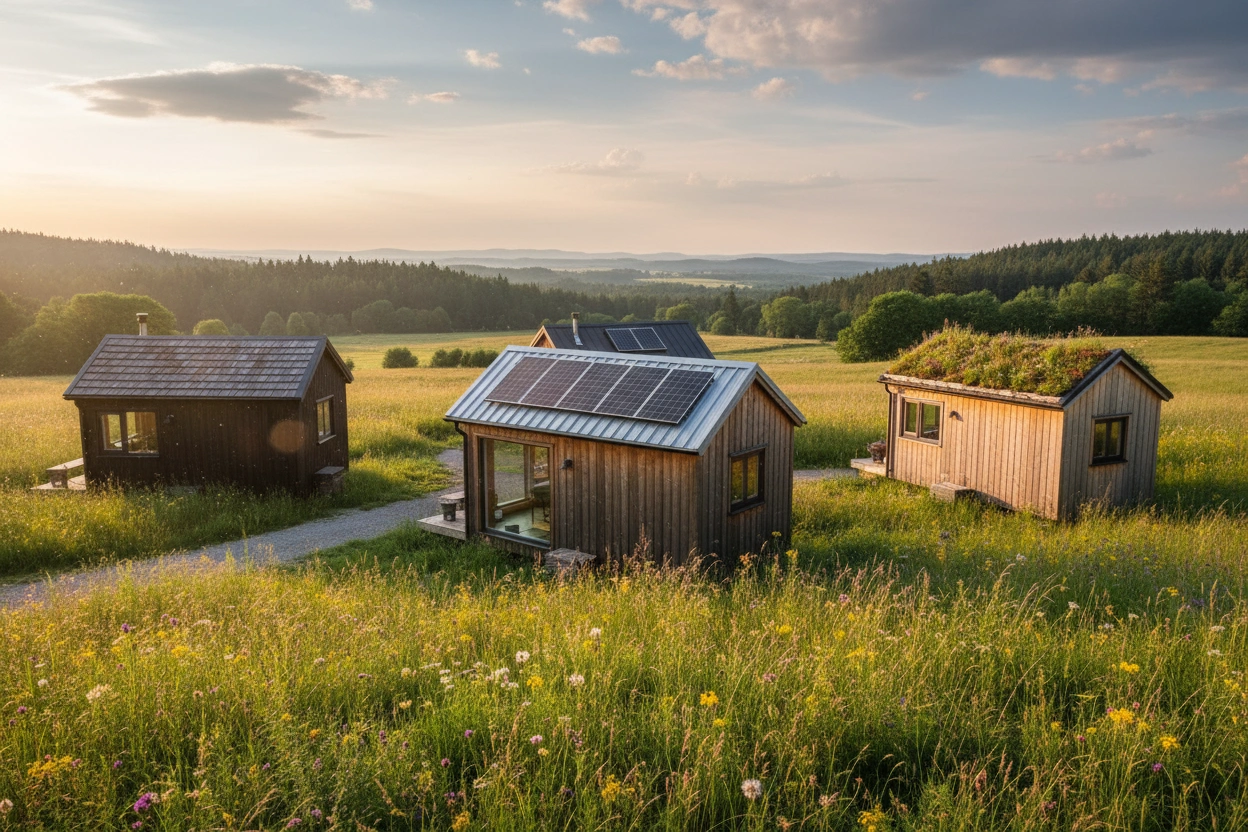
Selecting the best tiny house roof options requires a thorough understanding of the various materials available, their benefits, and their suitability for different weather conditions. Each roofing material presents unique characteristics, making it essential to assess them based on durability, insulation properties, weight, cost, and aesthetic appeal.
Popular Tiny House Roofing Materials
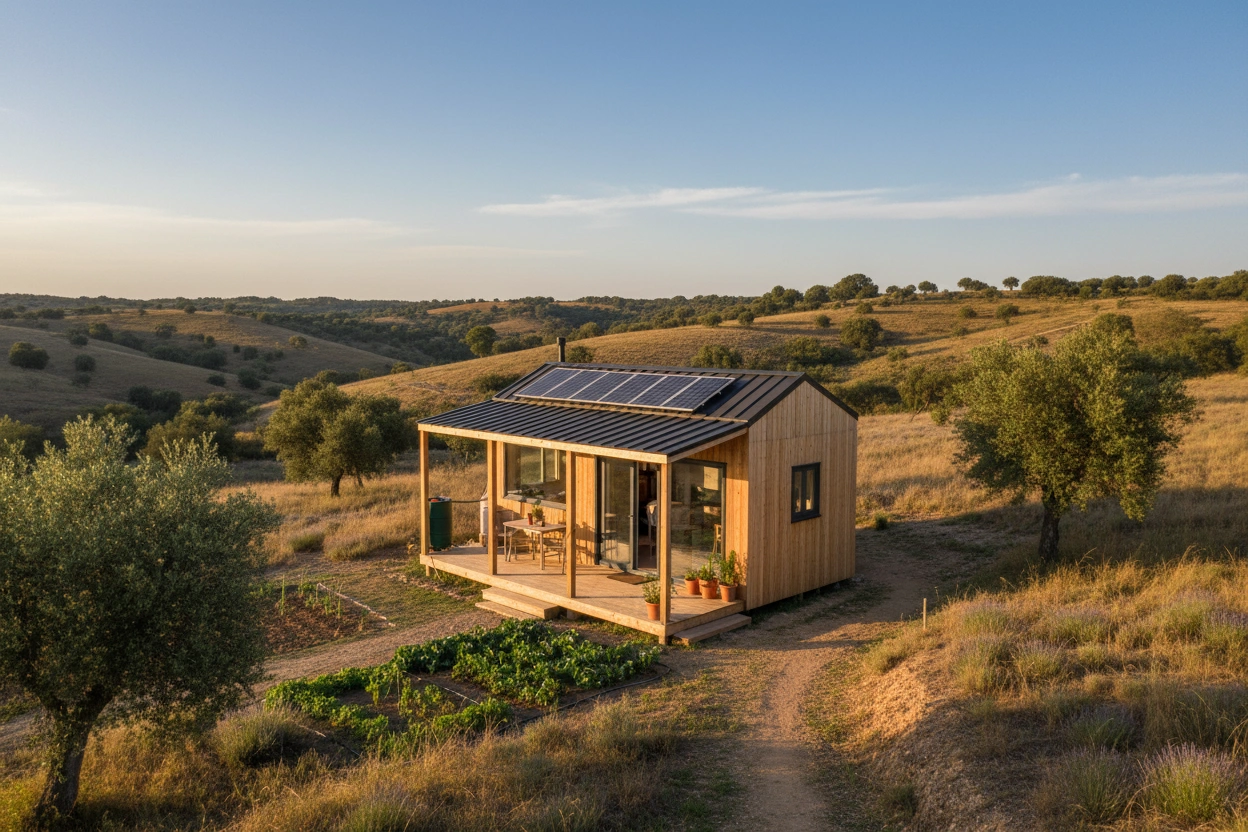
Metal Roofing
- Metal roofing is known for its durability and longevity, often lasting over 50 years with minimal maintenance. It is lightweight, making it ideal for tiny homes, and its reflective properties help in energy efficiency by keeping homes cooler in warm climates.
- Available in various styles and colors, metal roofs can complement any design aesthetic. However, it's important to consider sound insulation, as rain or hail can create noise when it hits metal surfaces.
Asphalt Shingles
- Asphalt shingles are among the most common roofing materials due to their affordability and ease of installation. They come in various colors and styles, allowing homeowners to customize the look of their tiny house.
- While they are not as durable as metal roofs, asphalt shingles can last 20 to 30 years with proper maintenance. They are also relatively lightweight but may require additional support if used on a steeper pitch.
Wood Shakes and Shingles
- For those seeking a rustic aesthetic, wood shakes and shingles provide a natural look that blends well with the environment. These materials are excellent insulators but require regular maintenance to prevent rot and insect damage.
- Wood roofs can last 30 years or more with proper care, but they are not recommended for areas with high humidity or heavy rainfall due to potential mold growth.
Rubber Roofing
- Rubber roofing, often made from recycled tires, is an eco-friendly option that offers excellent waterproofing capabilities. It is particularly suitable for flat-roofed tiny houses, as it can easily conform to the shape of the structure.
- With a lifespan of around 30 years, rubber roofing is durable and resistant to extreme weather conditions. However, it may not have the same aesthetic appeal as traditional materials.
Slate Roofing
- Slate is one of the most durable roofing materials available, with a lifespan that can exceed 100 years. Its natural beauty adds an elegant touch to tiny houses, but the weight of slate requires a sturdy structure to support it.
- While slate roofs are expensive and require professional installation, they offer excellent fire resistance and insulation properties, making them a worthwhile investment in the long run.
Climate Considerations for Tiny House Roofing
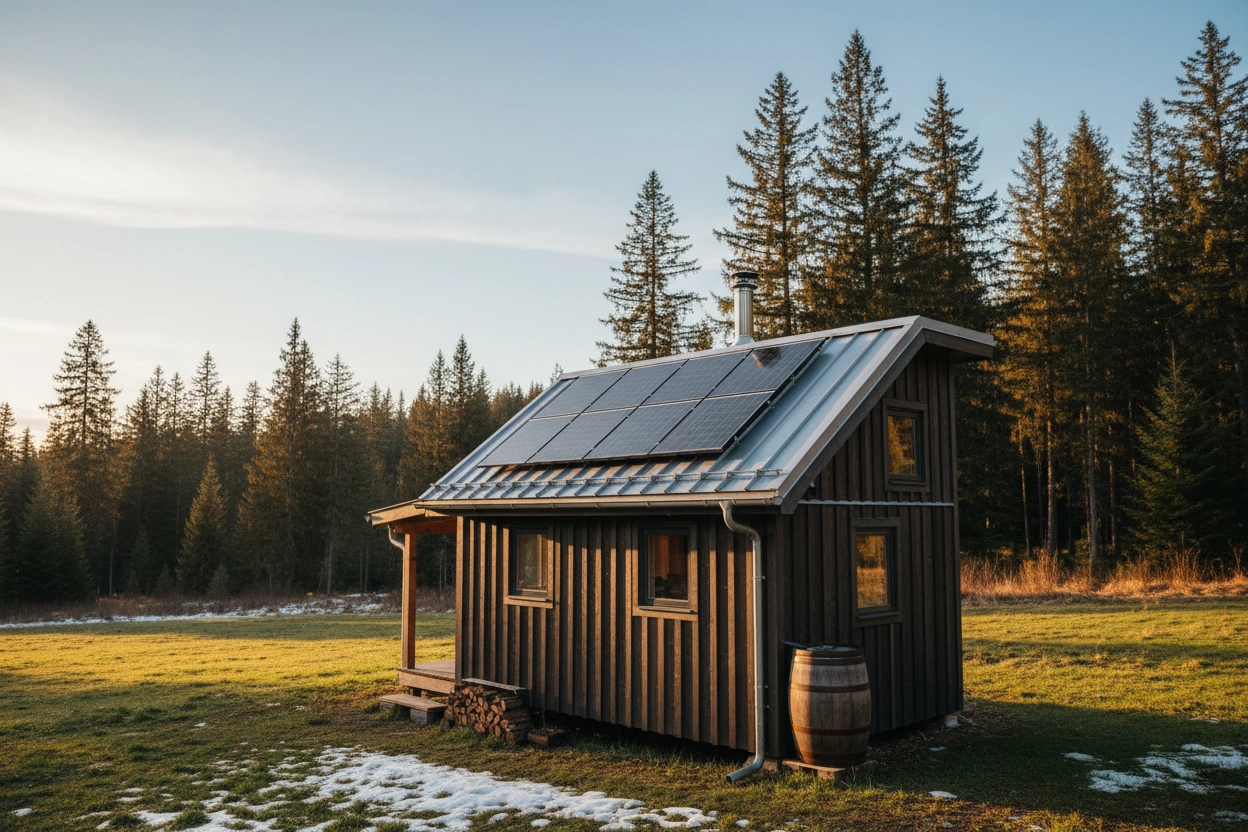
When choosing tiny house roofing, it's crucial to consider the climate in which the home will be located. Different roofing materials perform better under specific weather conditions, and understanding these factors can help ensure the longevity and effectiveness of your roofing choice.
How Climate Affects Roofing Choices
Hot and Dry Climates
- In regions with high temperatures and low humidity, reflective materials like metal roofing are ideal as they help maintain cooler indoor temperatures. Asphalt shingles can also be suitable but should be chosen with reflective granules to enhance energy efficiency.
- Wood shakes might be less favorable due to the risk of cracking and warping under extreme heat.
Cold and Snowy Climates
- Areas that experience heavy snowfall require roofing materials that can withstand the weight of snow accumulation. Metal roofs are advantageous because their smooth surface allows snow to slide off easily, reducing the risk of ice dams.
- Slate and rubber roofing can also be effective, but homeowners should ensure proper insulation to avoid heat loss and ice buildup.
Humid and Rainy Climates
- In regions prone to high humidity and frequent rainfall, materials with excellent waterproofing capabilities are necessary. Rubber roofing and metal roofing both provide strong resistance to moisture, minimizing the risk of leaks and mold growth.
- Wood shakes and shingles, while aesthetically pleasing, may require more maintenance to prevent rot and should be treated with preservatives to enhance their durability.
Windy Areas
- For tiny houses in regions with high winds, it's vital to choose roofing materials that can withstand gusts without becoming dislodged. Metal roofing is highly resistant to wind damage and can be secured effectively to prevent lifting.
- Asphalt shingles can also perform well if installed correctly, though they may require additional anchoring in particularly windy areas.
Tiny House Roof Maintenance Essentials
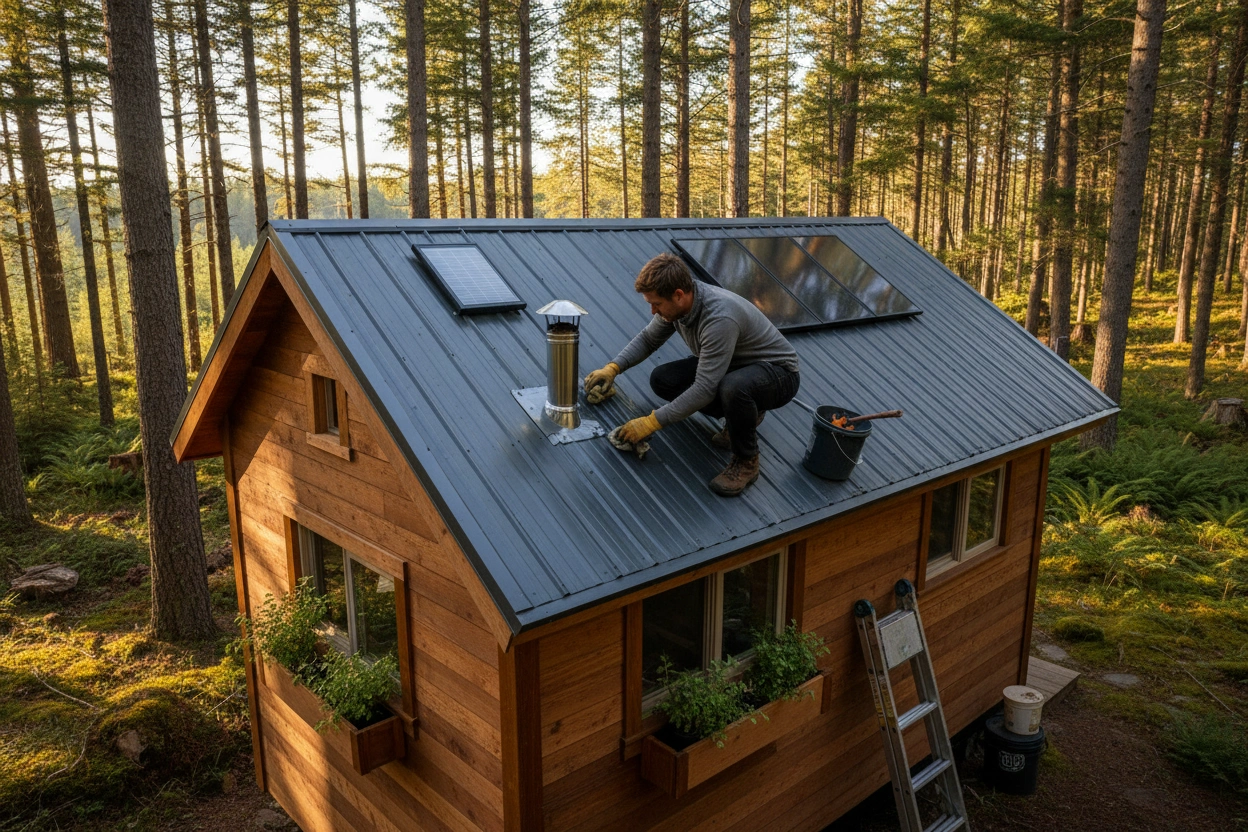
Once you have selected the appropriate tiny house roofing material, regular maintenance is crucial to ensure its longevity and performance. Different materials have varying maintenance requirements, and understanding these can help you avoid costly repairs in the future.
Key Maintenance Practices for Tiny House Roofing
Regular Inspections
- Conduct regular inspections of your roof, especially after severe weather events. Look for signs of damage, such as missing shingles, rust spots on metal, or signs of mold and mildew on wood.
- Early detection of issues can prevent more significant problems down the line, such as leaks or structural damage.
Cleaning Debris
- Keep your roof clean by removing leaves, branches, and other debris that can accumulate over time. Clogged gutters can lead to water pooling and increased weight on the roof, which can cause damage.
- For metal roofs, a gentle wash with a garden hose can help maintain appearance, while asphalt shingles may require a soft brush to avoid dislodging granules.
Addressing Repairs Promptly
- If you notice any damage during inspections, address repairs promptly to prevent further deterioration. This includes replacing missing shingles, sealing leaks, and treating wood for pests or rot.
- Consult a professional if you are unsure about the extent of the damage or the best approach for repairs.
Seasonal Maintenance
- Seasonal maintenance is essential, particularly in climates with harsh winters or heavy rainfall. Before winter, ensure your roof is clear of debris, and check for any signs of wear that could be exacerbated by ice and snow.
- In the spring, inspect for damage caused by winter weather and prepare your roof for the summer heat.
Common Mistakes When Choosing Tiny House Roofing
Selecting the right roofing material for your tiny house can be overwhelming, and it's easy to make mistakes that can lead to issues down the road. Being aware of common pitfalls can help you make a more informed decision.
Avoiding Roofing Selection Pitfalls
Ignoring Climate Needs: One of the most significant mistakes is choosing roofing materials without considering the local climate. Each material has its strengths and weaknesses, and selecting one that does not suit your environment can lead to premature failure.
Overlooking Installation Quality: Even the best roofing materials can fail if not installed correctly. It's essential to hire experienced professionals or ensure that you are well-versed in installation techniques if you choose to do it yourself.
Neglecting Maintenance: Many homeowners underestimate the importance of regular maintenance. Failing to address small issues can lead to larger, more costly repairs later.
Focusing Solely on Cost: While budget is a crucial factor, it shouldn't be the only consideration. Investing in quality roofing can save money in the long run through reduced maintenance and increased lifespan.
The Intersection of Tiny House Roofing and Sustainability
Choosing the right tiny house roofing material is not only about aesthetics and durability; it also plays a significant role in sustainability. Many roofing materials now offer environmentally friendly options that can enhance the overall eco-friendliness of a tiny home.
Eco-Friendly Roofing Options
Recycled Materials: Many roofing options, such as rubber roofing, utilize recycled materials, contributing to waste reduction and sustainability.
Energy Efficiency: Reflective roofing materials can significantly reduce energy consumption by keeping homes cooler, lowering air conditioning costs, and reducing reliance on fossil fuels.
Longevity: Selecting durable materials reduces the frequency of replacements, minimizing resource consumption over time.
Making the Right Choice for Your Tiny House
Choosing the best tiny house roofing involves careful consideration of various factors, including climate, aesthetic preferences, and maintenance requirements. By understanding the different materials available and their respective benefits, you can make an informed decision that enhances the longevity and sustainability of your tiny home.
Tips for Selecting the Right Tiny House Roofing
- Assess your local climate and choose materials that will withstand the conditions.
- Consider the weight of the roofing material in relation to your tiny house structure.
- Factor in long-term maintenance needs and costs when selecting roofing materials.
- Consult with roofing professionals to ensure proper installation and durability.
In conclusion, understanding the intricacies of tiny house roofing and the various materials available can significantly impact the comfort and longevity of your tiny home. As you embark on your journey to create a sustainable and efficient living space, remember that TinyHouse.com is here to assist you. From comprehensive guides to expert advice, we can help you navigate the world of tiny house roofing and ensure your home is well-equipped for any climate.
Visit TinyHouse.com to explore further resources and connect with a community of tiny house enthusiasts ready to support your journey.


.svg)

.jpg)