
Affordable Tiny House Design Solutions for Budget-Conscious Living

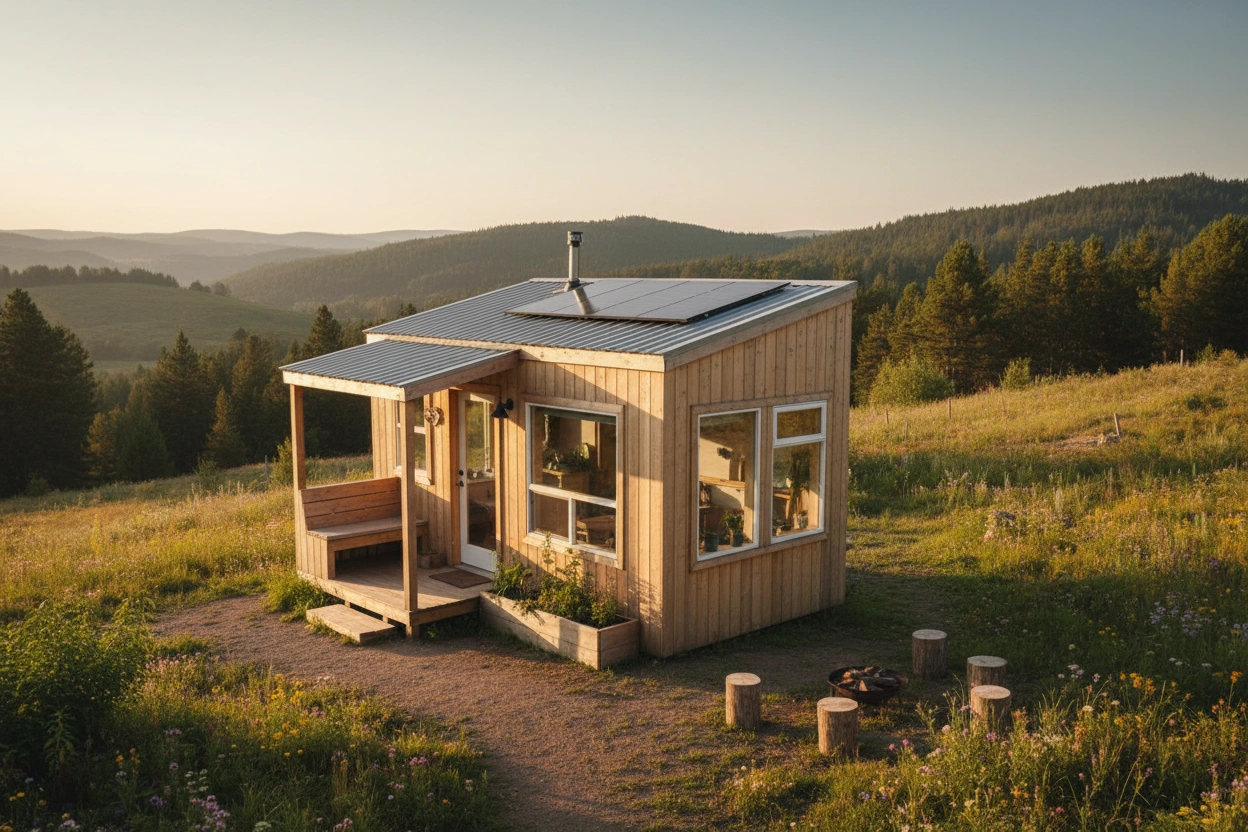
The tiny house movement has gained significant traction over the past few years, offering an appealing alternative for those seeking a more sustainable and economical lifestyle. As of 2026, the appeal of tiny homes continues to grow, especially among individuals and couples looking to downsize, reduce debt, and embrace minimalism. With the right tiny house design, one can create a functional and aesthetically pleasing space without breaking the bank. This article will provide practical insights into affordable tiny house design solutions, including a curated list of the top ten tiny house plans to inspire your next project.
Understanding Tiny House Design
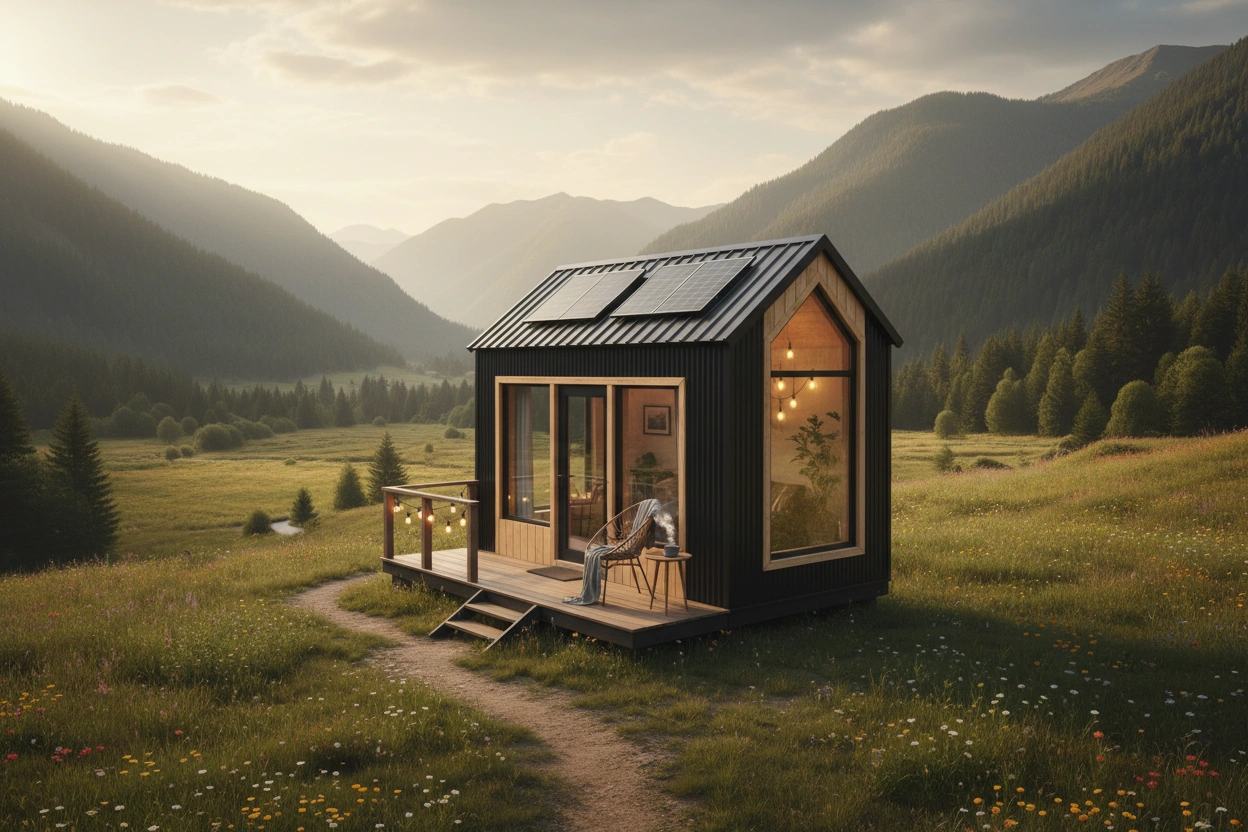
Tiny house design encompasses various elements that contribute to the overall functionality, aesthetics, and efficiency of a small living space. The primary focus is on maximizing utility while minimizing space, which requires careful planning and creativity. Many people mistakenly believe that tiny house design is merely about reducing square footage; however, it involves much more than that.
Key Principles of Tiny House Design
Space Optimization
Tiny homes require innovative solutions to utilize every inch effectively. Multi-functional furniture, such as foldable tables or Murphy beds, can transform a small area into a versatile living space. Storage solutions that capitalize on vertical space, like wall-mounted shelves and under-bed storage, are essential for keeping the area organized and clutter-free.Sustainability
Sustainable materials and energy-efficient designs are integral to tiny house design. Incorporating solar panels, rainwater collection systems, and energy-efficient appliances can significantly reduce a tiny home's environmental footprint. This approach not only benefits the planet but also lowers utility costs over time.Aesthetic Appeal
A well-designed tiny home should be visually appealing while still being functional. Choosing a cohesive color palette, incorporating natural light through strategically placed windows, and using high-quality materials can enhance the overall aesthetic without compromising practicality.
Top 10 Tiny House Plans to Inspire Your Next Project
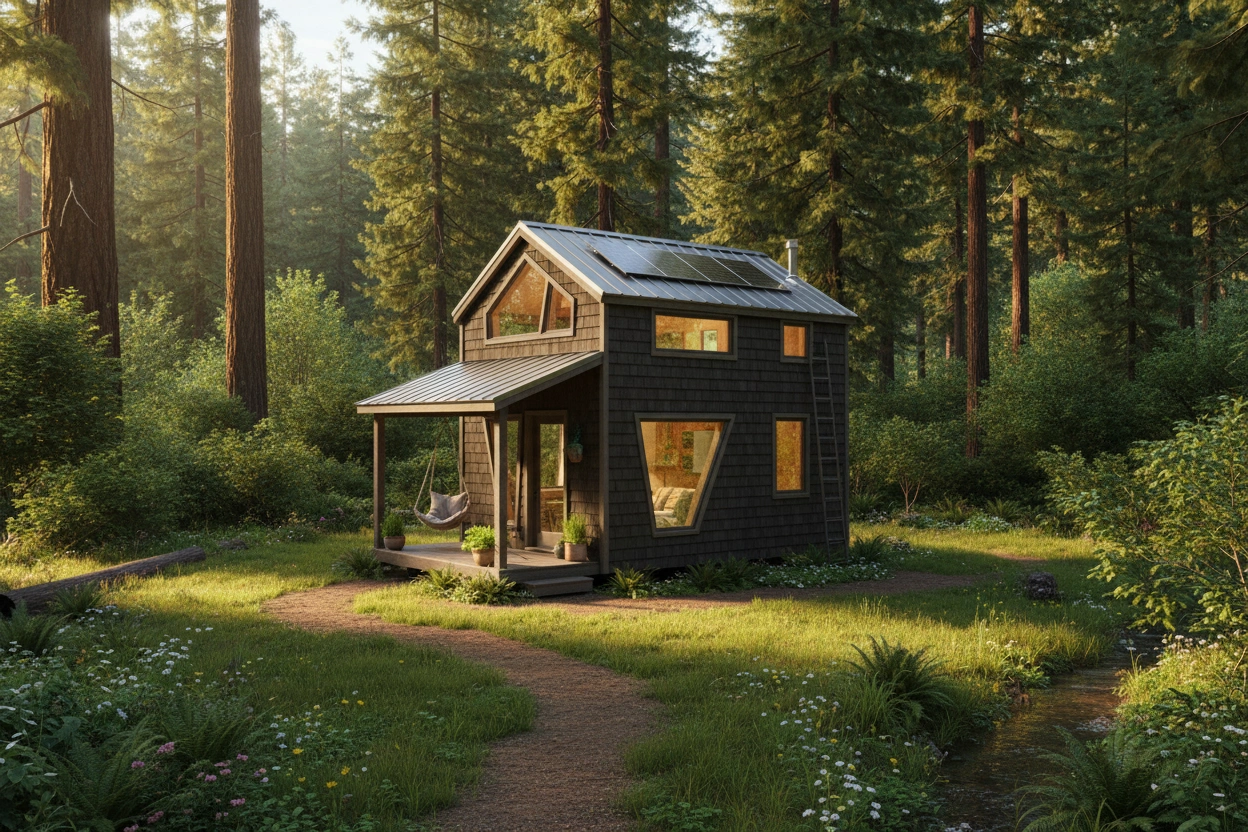
For those considering a tiny house, having a blueprint can make the process smoother. Below are ten thoughtfully designed tiny house plans that balance affordability and style, catering to various preferences and needs.
1. The Classic Tiny Cottage
This design features a charming exterior with a pitched roof and front porch. Inside, it includes a cozy living area, kitchenette, and a lofted sleeping space. The use of reclaimed wood for flooring and accents adds character while promoting sustainability.
2. The Modern Box
Characterized by clean lines and a minimalist aesthetic, this plan emphasizes open space and natural light. Large windows allow for ample sunlight, and the open floor plan integrates living, dining, and kitchen areas seamlessly. This design is perfect for urban dwellers seeking a contemporary vibe.
3. The Eco-Friendly Retreat
This tiny house prioritizes sustainability with its green roof, rainwater harvesting system, and solar panels. Inside, eco-friendly materials are used throughout, creating a healthy living environment. The layout includes a small office nook, making it ideal for remote workers.
4. The Family-Friendly Tiny Home
Designed for small families, this plan incorporates two separate sleeping areas and a shared bathroom. The living space is designed for functionality, with a dining table that can expand for family gatherings. This plan ensures comfort without sacrificing style.
5. The Rustic Cabin
With a focus on natural materials, this tiny house design evokes a cabin-like feel. Exposed beams, wood paneling, and a stone fireplace create a warm atmosphere. The layout includes a functional kitchen and a loft for sleeping, making it an inviting retreat.
6. The Urban Loft
This design maximizes vertical space, featuring a lofted bedroom and a compact kitchen below. Industrial elements, such as metal fixtures and concrete flooring, lend a modern edge. Ideal for city living, this tiny house plan offers both style and practicality.
7. The Minimalist Retreat
For those who appreciate simplicity, this design offers an open layout with minimal furnishings. The focus is on creating a peaceful environment, with neutral colors and natural light enhancing the sense of space. This plan is perfect for those looking to declutter their lives.
8. The Tiny House on Wheels
This mobile tiny home design allows for flexibility and adventure. Built on a trailer, it includes all the essential amenities in a compact space. The layout is designed for easy transport while maintaining comfort and style.
9. The Artist's Studio
This unique design caters to creative individuals, featuring a spacious area for artistic pursuits. Large windows provide natural light, and the open layout allows for the flexibility to create and display artwork. This tiny house encourages inspiration and creativity.
10. The Compact Family Unit
This design is perfect for families who need a little more space without going overboard. It includes a small living room, two bedrooms, and a full kitchen. The clever use of space ensures that every family member has their own area while still promoting togetherness.
Common Misconceptions About Tiny House Design

Despite the growing popularity of tiny homes, several misconceptions persist that can deter potential homeowners. Understanding these myths can help individuals make informed decisions about tiny house design. common misconceptions
Misconception 1: Tiny Homes Are Uncomfortable
Many people associate small living spaces with discomfort and lack of privacy. However, with thoughtful design, tiny homes can be just as comfortable as traditional homes. Utilizing space effectively and choosing the right furnishings can create a cozy and inviting atmosphere.
Misconception 2: Tiny Homes Are Expensive
While some tiny houses can be costly, many affordable options exist. By opting for budget-friendly materials and DIY elements, individuals can significantly reduce costs. Additionally, the savings on utility bills and maintenance make tiny homes a financially sound choice in the long run.
Misconception 3: Tiny Living Means Sacrificing Style
Another common belief is that living in a tiny home requires sacrificing style for functionality. However, with careful planning and design choices, tiny homes can be both functional and aesthetically pleasing. Incorporating personal touches and design elements can enhance the overall appeal.
Practical Tips for Designing Your Tiny House
When embarking on a tiny house design project, keeping a few practical tips in mind can streamline the process and ensure a successful outcome.
Optimize Space Efficiently
- Use multi-purpose furniture that can serve different functions, such as a sofa bed or an extendable dining table.
- Consider built-in storage solutions that utilize vertical space, such as shelves above doorways or cabinets that reach the ceiling.
- Create designated zones within the tiny home to differentiate living, working, and sleeping areas.
Choose Materials Wisely
- Select durable, low-maintenance materials that can withstand wear and tear. This choice will save money on repairs and replacements in the long run.
- Incorporate sustainable materials to reduce the environmental impact and promote a healthier living space.
- Use light colors and reflective surfaces to enhance the perception of space and brightness within the tiny home.
Plan for Utilities
- Invest in energy-efficient appliances to minimize energy consumption and reduce utility bills.
- Consider plumbing and electrical systems carefully to ensure they meet the needs of the tiny home without overwhelming the space.
- Research off-grid options, such as solar panels and composting toilets, to increase self-sufficiency.
The Benefits of Tiny House Living
Choosing to live in a tiny house comes with numerous benefits that extend beyond mere financial savings. Below are some key advantages that appeal to many individuals and families.
- Financial Freedom: Tiny homes typically cost significantly less than traditional houses, allowing homeowners to reduce debt and save money.
- Simplicity: Living in a smaller space encourages a more minimalist lifestyle, focusing on what truly matters and eliminating unnecessary possessions.
- Mobility: Many tiny homes are designed on trailers, providing the flexibility to relocate as needed, whether for work or personal preferences.
- Environmental Impact: Smaller living spaces generally require fewer resources, making them a more sustainable option for environmentally conscious individuals.
Affordable Tiny House Design Solutions with TinyHouse.com
Affordable tiny house design solutions are within reach for those willing to embrace minimalism and creativity. By understanding the principles of tiny house design, exploring various plans, and dispelling common misconceptions, individuals can successfully navigate their tiny living journey. TinyHouse.com offers a wealth of resources, including detailed plans, design tips, and expert advice, to help you achieve your dream of a tiny home without the stress of technical overwhelm.
For anyone considering a tiny house, the journey can be both exciting and rewarding. By visiting TinyHouse.com, you can access valuable information and tools that will guide you through the process of building or buying your tiny home. Whether you are a seasoned builder or a first-time homeowner, TinyHouse.com is here to support you every step of the way.
Contact TinyHouse.com today to learn more about affordable tiny house design solutions and take the first step toward your new minimalist lifestyle.


.svg)
.jpg)
.jpg)
.jpg)
.jpg)