
How to Choose the Perfect Tiny House Design for Your Needs?

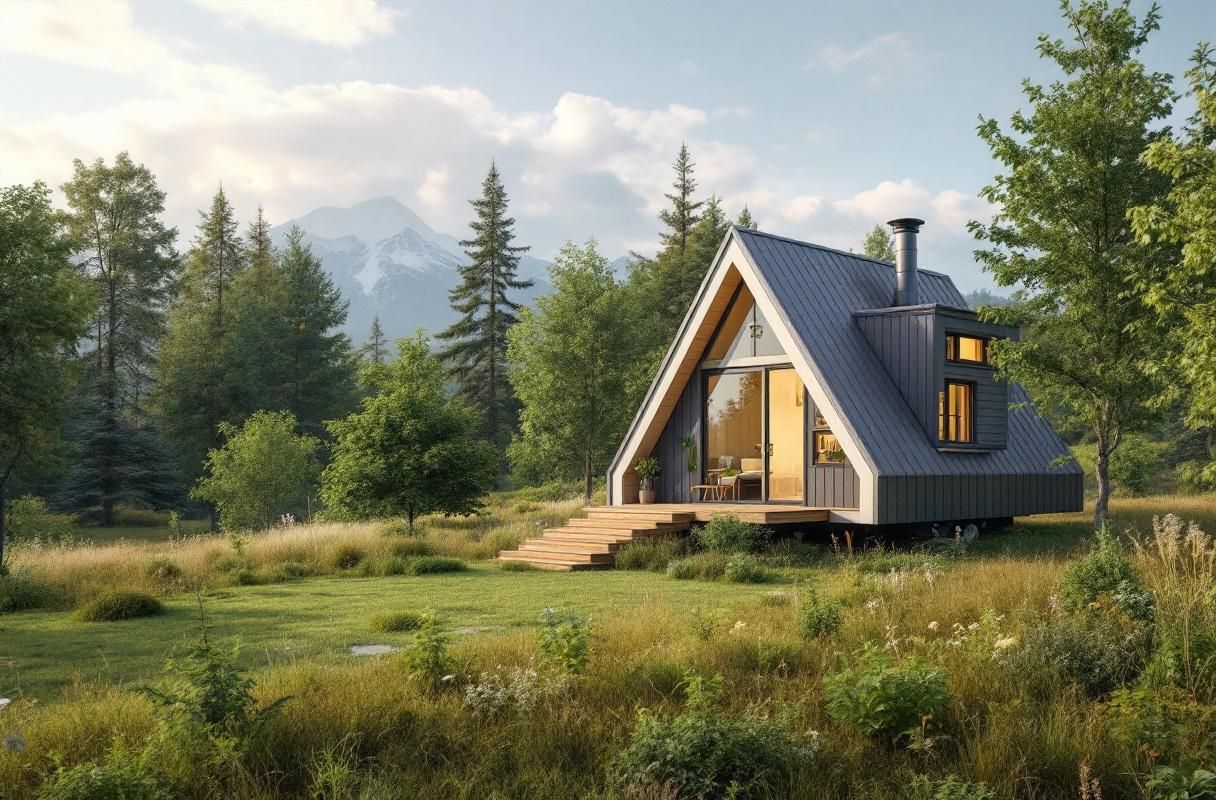
What is How to Choose the Perfect Tiny House Design for Your Needs in Tiny House Designs?
The tiny house movement has gained significant traction over recent years, appealing to those seeking a simpler, more sustainable lifestyle. Tiny house designs offer a unique opportunity to downsize while maximizing space efficiency, making them an excellent choice for minimalist living. However, selecting the perfect tiny house design that aligns with your needs can be overwhelming given the myriad of options available. In this article, we will explore the key considerations in choosing the right tiny house design, providing actionable insights and expert advice to help you make an informed decision.
Understanding Tiny House Designs
Tiny house designs vary widely in style, functionality, and layout. They typically range from 100 to 400 square feet and can be built on wheels or fixed foundations. Understanding the fundamental characteristics of tiny house designs is crucial to determining which model best fits your lifestyle.
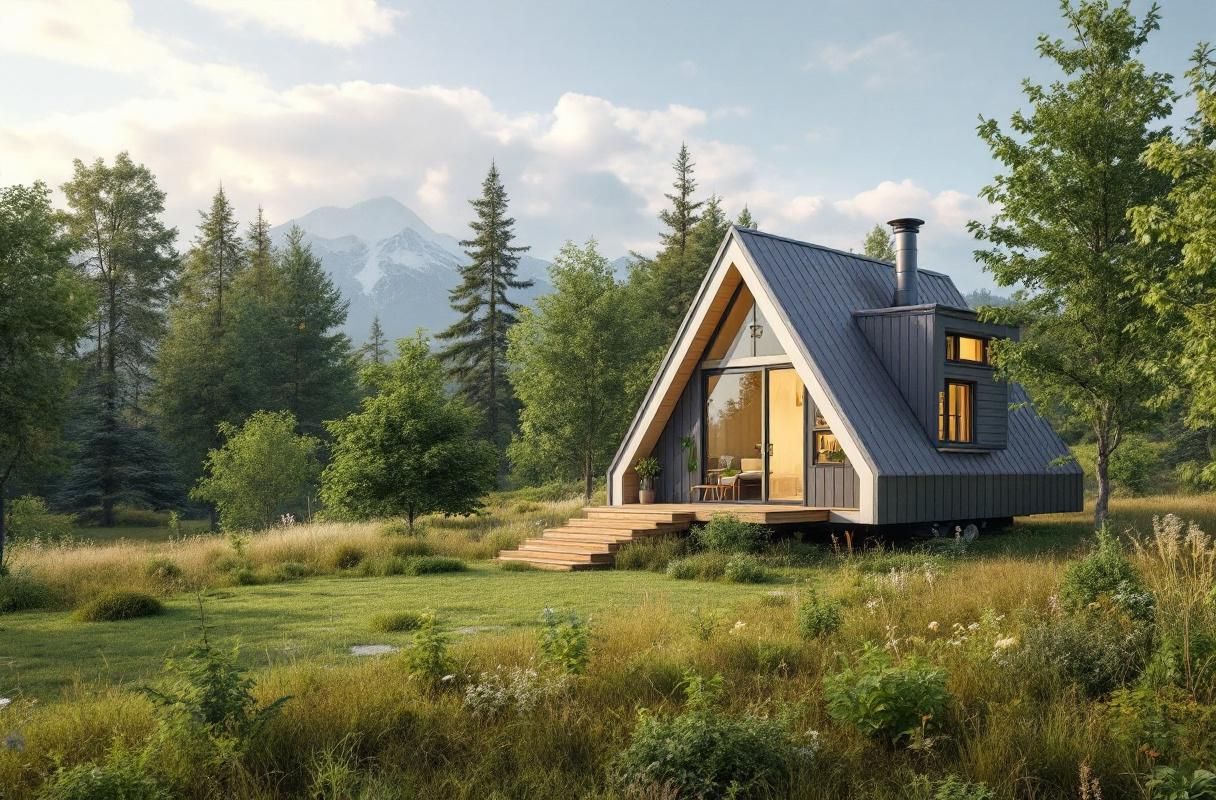
The Appeal of Tiny House Living
The allure of tiny house living often stems from its minimalist approach. By reducing space, individuals are encouraged to declutter their lives, focusing on experiences rather than possessions. Additionally, tiny houses can significantly lower living expenses, leading to reduced financial stress.
- Affordability: Tiny houses often cost less than traditional homes, making homeownership more accessible.
- Sustainability: Many tiny house designs incorporate eco-friendly materials and energy-efficient systems, appealing to environmentally conscious individuals.
- Mobility: Tiny houses on wheels offer the flexibility to relocate easily, providing a sense of adventure.
Common Misconceptions About Tiny House Designs
Despite the advantages, there are several misconceptions surrounding tiny house designs that can deter potential homeowners.
- Lack of Space: Many believe tiny houses lack functionality due to their size. However, innovative designs maximize every inch, providing ample storage and living space.
- Zoning Restrictions: Some individuals assume that tiny houses are illegal or face zoning restrictions. While regulations vary by location, many areas are adapting to accommodate tiny homes.
- Compromised Comfort: The idea that tiny living sacrifices comfort is a myth. Thoughtful design choices can create a cozy, comfortable environment.
Key Factors to Consider When Choosing Tiny House Designs
Selecting the perfect tiny house design requires careful consideration of several factors. The following sections will delve into the essential elements to evaluate during your decision-making process.
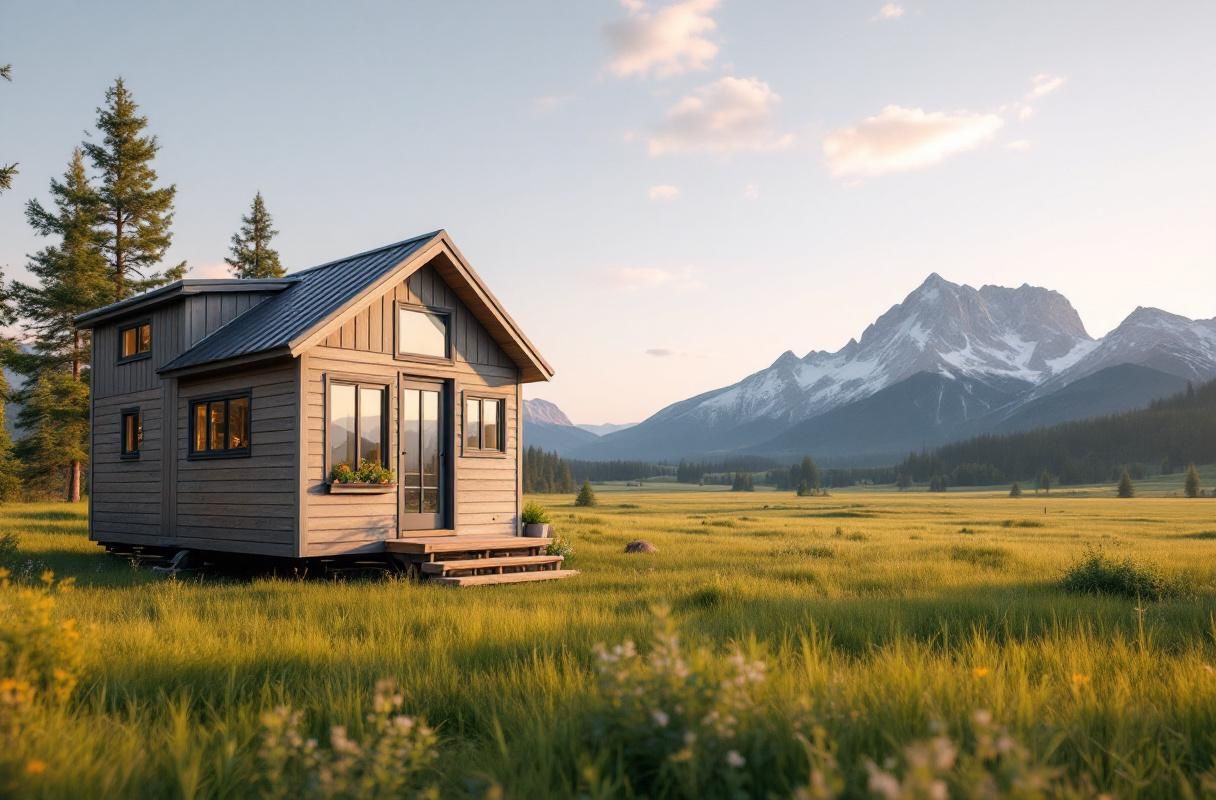
Lifestyle Needs and Preferences
Understanding your lifestyle needs is paramount in choosing a tiny house design. Consider how you plan to use the space and what features are non-negotiable for your daily life.
Assessing Your Space Requirements
Begin by evaluating your current living situation and identifying what works for you. Consider the following:
- Number of Occupants: Determine how many people will live in the tiny house. Designs accommodating multiple occupants will differ significantly from those intended for single occupancy.
- Functional Spaces: Identify essential spaces you require, such as a home office, workshop, or dedicated sleeping areas. This will guide your design choice.
- Storage Needs: Assess your belongings and determine how much storage you will need. A design that incorporates smart storage solutions can help maximize space efficiency.
Budget Considerations
Budget plays a crucial role in determining which tiny house design is feasible for you.
Establishing a Realistic Budget
Before diving into specific designs, establish a clear budget that encompasses all potential costs. Consider the following:
- Construction Costs: Factor in the expenses related to building materials, labor, and any necessary permits.
- Design Customization: Custom designs may incur additional costs. Be transparent about your budget when consulting with designers or builders.
- Ongoing Expenses: Don’t forget to include ongoing costs, such as utilities, property taxes, and maintenance, when calculating your budget.
Design Aesthetics and Features
The aesthetic appeal of your tiny house design is crucial to creating a comfortable living space.
Choosing the Right Style
Tiny house designs come in various styles, including modern, rustic, and industrial. Research different aesthetics and visualize how they align with your personal taste.
- Exterior Finishes: Consider materials like wood, metal, or eco-friendly options that reflect your style while being durable.
- Interior Design: Think about color schemes, fixtures, and furniture that create a cohesive look.
Sustainable and Functional Features
Incorporating sustainable features into your tiny house design can enhance its functionality and eco-friendliness.
Energy Efficiency and Sustainability
Opt for designs that prioritize energy efficiency and sustainability.
- Solar Panels: Integrating solar panels can reduce energy costs and reliance on traditional power sources.
- Water Conservation: Explore rainwater harvesting systems and low-flow fixtures to enhance sustainability.
- Insulation: Proper insulation can significantly impact energy efficiency, keeping your home comfortable year-round.
Practical Tips for Choosing Tiny House Designs
To help you navigate the myriad of options available in tiny house designs, consider the following practical tips.
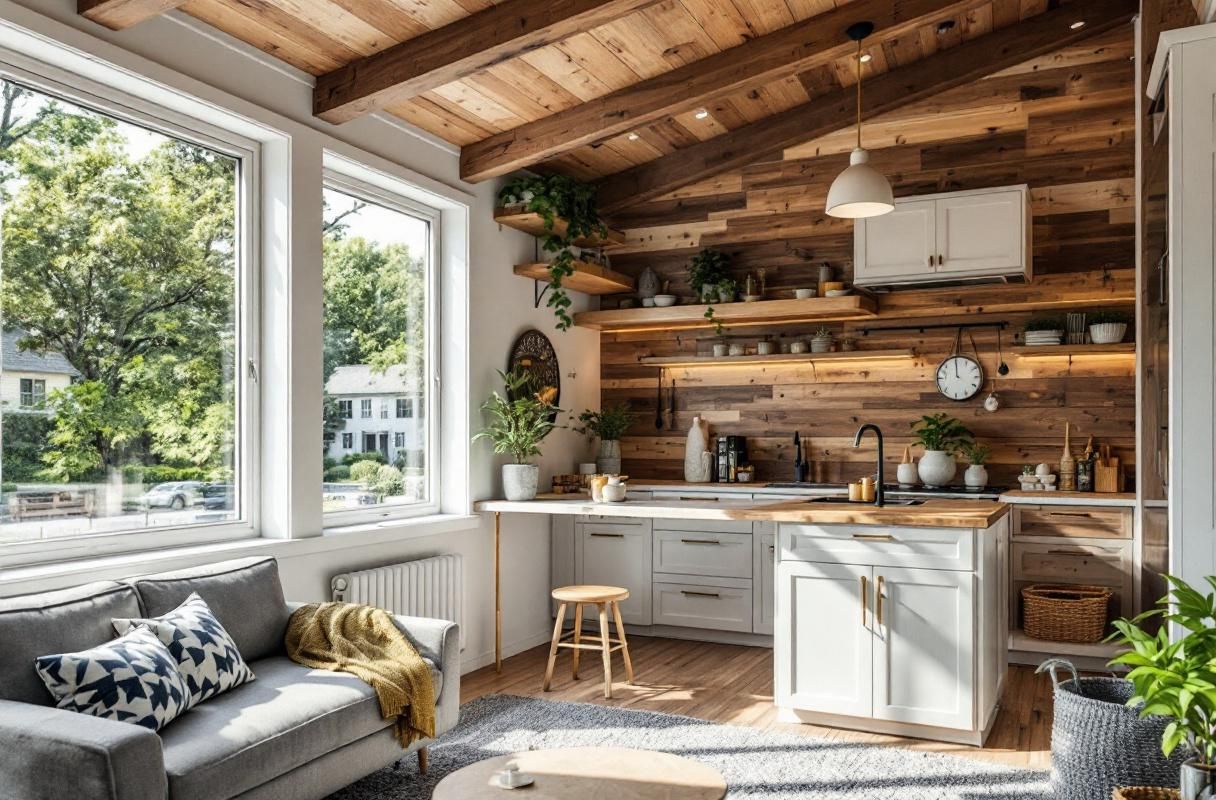
Research and Explore Options
Start your journey by researching various tiny house designs.
- Online Resources: Websites and blogs dedicated to tiny living often showcase different designs and offer insights from homeowners.
- Tiny House Shows: Attend tiny house expos or shows to explore designs firsthand and gather inspiration.
- Social Media: Platforms like Instagram and Pinterest can provide visual inspiration and connect you with tiny house communities.
Consult with Experts
Engaging with professionals can provide valuable insights and streamline your decision-making process.
- Architects and Designers: Consulting with tiny house designers can help you identify features that align with your needs.
- Builders: Speak with builders experienced in tiny homes to understand the construction process and potential challenges.
Visit Tiny House Communities
Experiencing tiny house living firsthand can provide clarity in your decision-making.
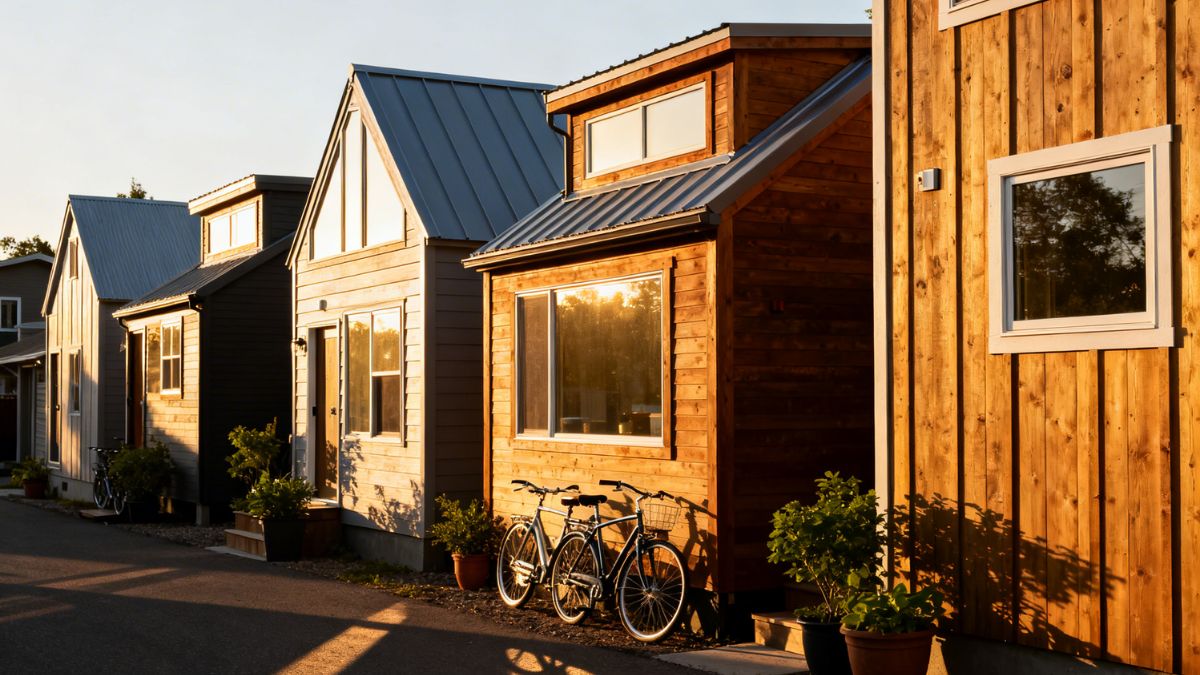
- Tiny House Communities: Visit communities to see how different designs function in real life. This can help you visualize your potential living space.
- Workshops and Tours: Participate in workshops or tours to gain practical insights into tiny house living and design.
Common Mistakes to Avoid When Choosing Tiny House Designs
As you embark on the journey of selecting a tiny house design, be aware of common pitfalls that can hinder your experience.
Overlooking Local Regulations
Before committing to a design, ensure you are aware of local zoning laws and building codes.
- Permits: Research the necessary permits for tiny house construction in your area to avoid future complications.
- Size Restrictions: Verify any size restrictions imposed by local regulations to ensure your design complies.
Neglecting Future Needs
Consider how your lifestyle may evolve in the coming years.
- Flexibility: Choose a design that can adapt to changes, such as family growth or lifestyle shifts.
- Resale Value: If you plan to sell in the future, consider designs that appeal to a broader market.
Ignoring Functionality for Aesthetic Appeal
While aesthetic considerations are essential, functionality should take precedence in your decision-making.
- Smart Design: Prioritize designs that offer practical solutions for everyday living, ensuring comfort and efficiency.
- Test Layouts: Visualize or create mock-ups of your chosen design to ensure the layout meets your needs.
Conclusion
Choosing the perfect tiny house design is an exciting yet challenging endeavor. By carefully evaluating your lifestyle needs, budget, and design preferences, you can select a model that enhances your living experience while aligning with your values. Remember to leverage resources, consult with experts, and avoid common pitfalls during your journey.
As you embark on this transformative lifestyle change, consider exploring various tiny house designs that resonate with your vision. For further inspiration, consider visiting tiny house communities or attending workshops to connect with like-minded individuals. The path to tiny living is not just about downsizing; it’s about embracing a lifestyle that prioritizes simplicity, sustainability, and personal fulfillment.
Explore the world of tiny house designs today and take the first step toward your new minimalist home.


.svg)
.jpg)
.jpg)
.jpg)