
How to Create a Minimalist Home with Smart Tiny House Design

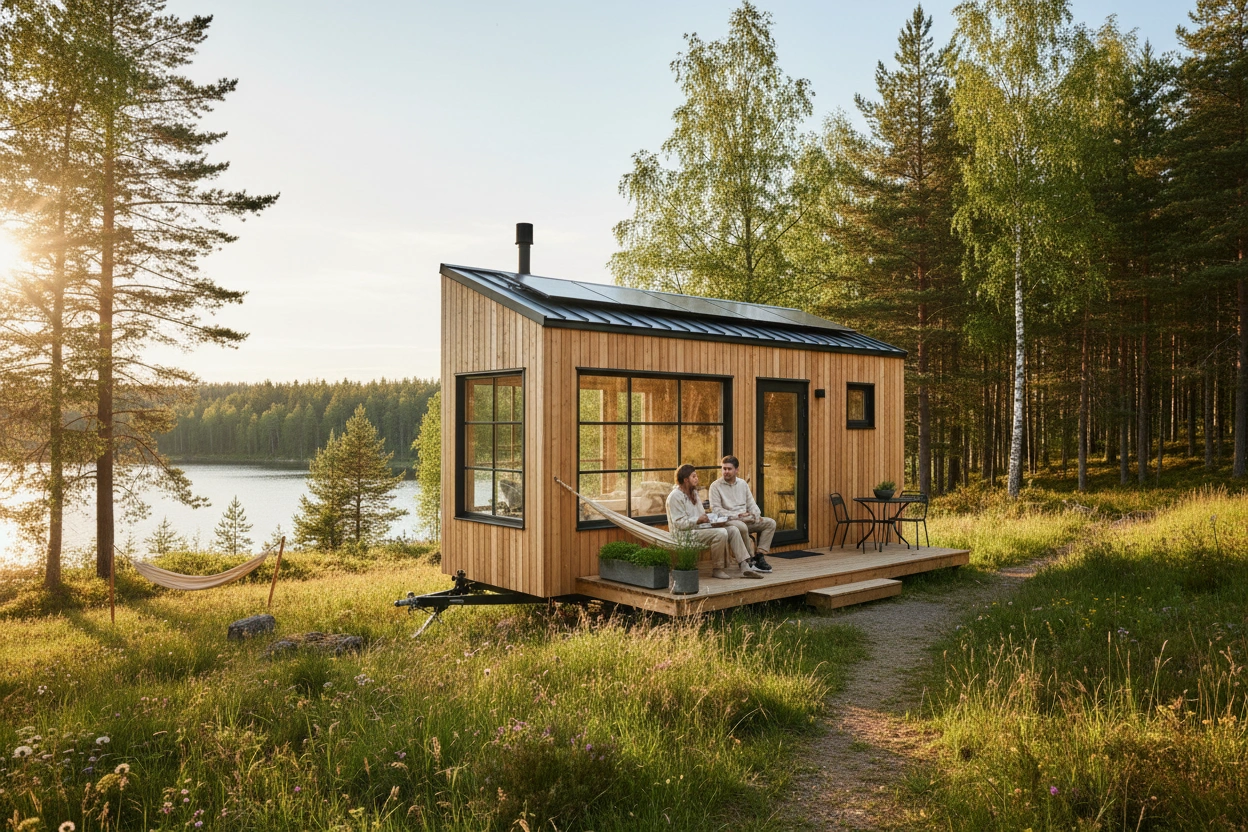
Creating a minimalist home using smart tiny house design principles can lead to a fulfilling lifestyle focused on simplicity and sustainability. The tiny house movement has gained significant traction as people seek to downsize, reduce their carbon footprint, and live a more intentional life. By utilizing effective design strategies, you can transform a compact space into a highly functional and aesthetically pleasing environment. This article will provide actionable insights into maximizing space in tiny house interiors while highlighting the importance of efficient design.
Understanding Tiny House Design Principles
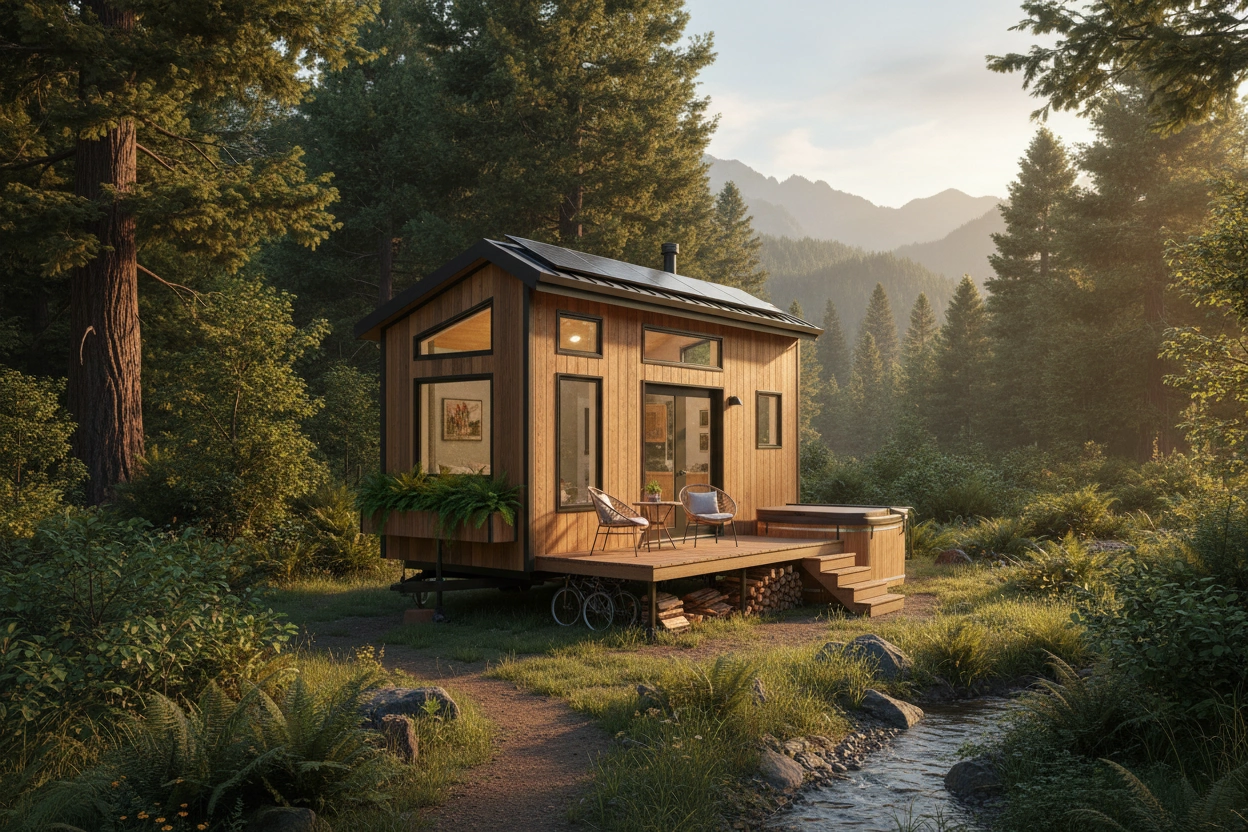
Tiny house design is not just about the physical structure; it encompasses a lifestyle choice that prioritizes minimalism and efficiency. The goal is to create a living space that meets your needs without excess. Here are some fundamental principles to consider:
Space Efficiency
When designing a tiny house, every square foot counts. The layout should be planned meticulously to ensure that each area serves a purpose. This often involves multifunctional furniture and space-saving solutions.
- Multifunctional Furniture: Consider furniture that can serve multiple purposes, such as a sofa bed or a dining table that doubles as a workspace.
- Built-in Storage: Use built-in shelves, cabinets, and under-bed storage to maximize the available space without sacrificing style.
Aesthetic Simplicity
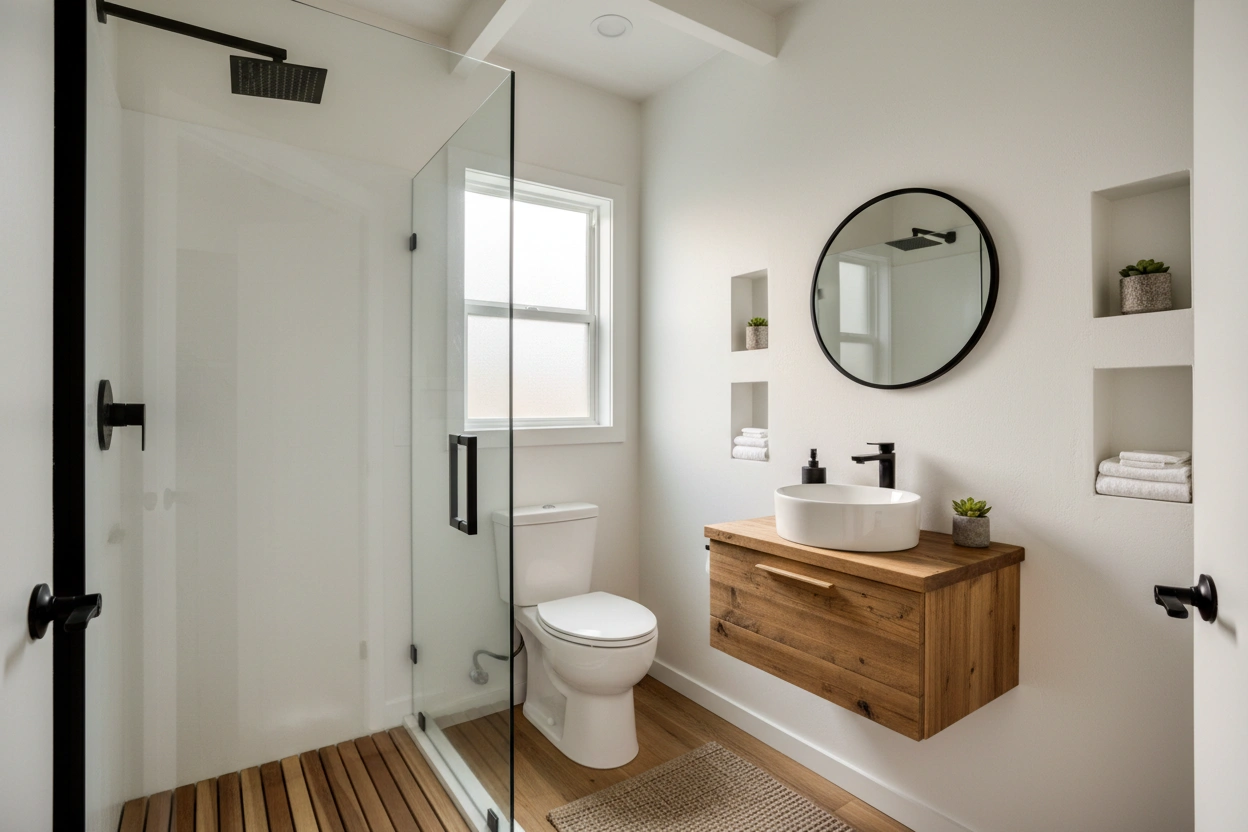
Minimalism in design focuses on decluttering and simplicity. Choosing a neutral color palette and simple furnishings can create an open and airy feel.
- Color Choices: Light colors can make a small space feel larger. Incorporate whites, soft grays, and pastels to enhance the sense of space.
- Declutter Regularly: Periodically assess your belongings to keep only what you truly need and love.
Maximizing Space in Tiny House Interiors
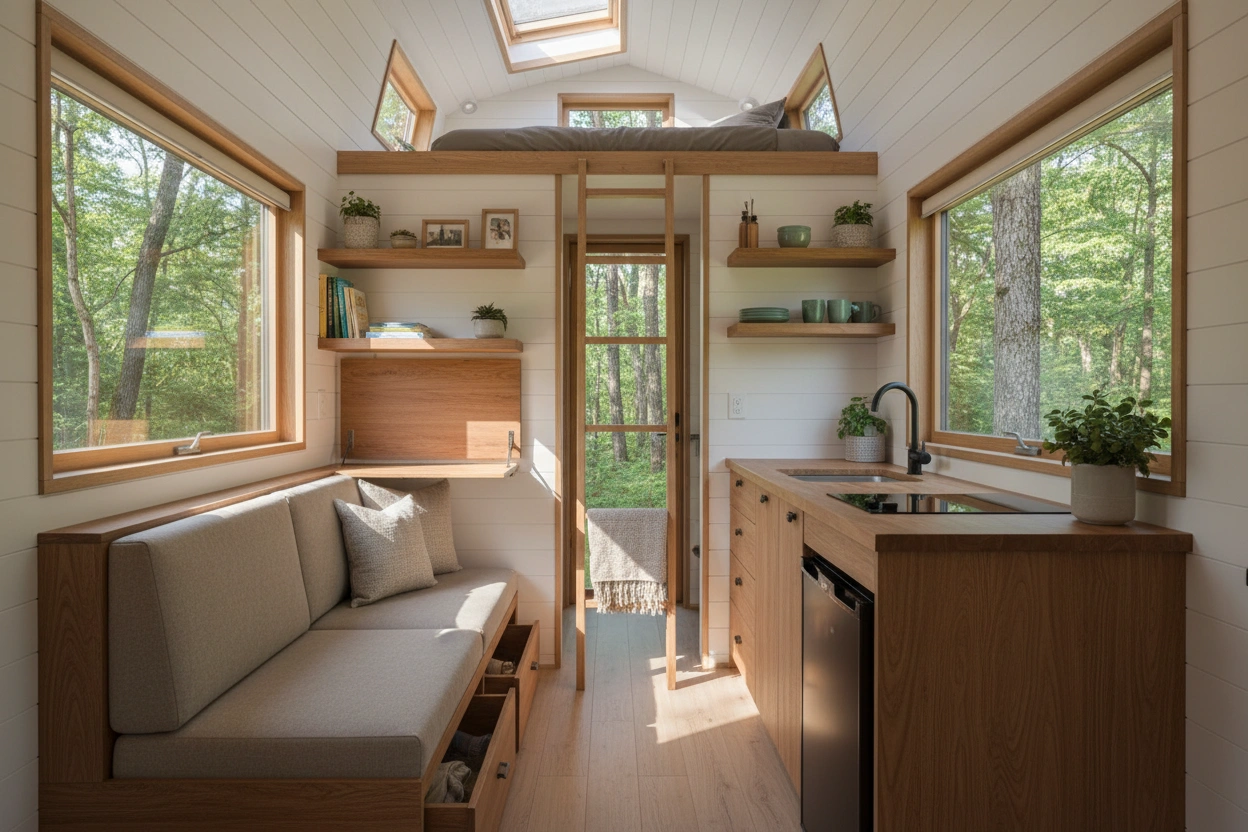
Maximizing space in tiny house interiors involves thoughtful planning and innovative design solutions. Here are some strategies to consider:
Vertical Space Utilization
One of the most effective ways to create more usable space in a tiny house is by utilizing vertical dimensions.
- Tall Shelving Units: Install shelves that reach the ceiling to store books, decor, or kitchen items. This not only maximizes storage but also draws the eye upward, creating a sense of height.
- Lofted Areas: Consider lofted sleeping areas to free up floor space for other activities. A loft can be a cozy retreat while leaving room for a living area below.
Open Floor Plans
An open floor plan can significantly enhance the functionality of a tiny house by allowing for seamless movement between spaces.
- Integrated Spaces: Combine the kitchen, dining, and living areas into one cohesive space. This encourages social interaction and makes the area feel larger.
- Minimal Barriers: Use furniture arrangements instead of walls to define spaces. For example, a couch can separate the living area from the kitchen without closing off the room.
Smart Storage Solutions
Effective storage is key in a tiny house. Here are some innovative storage ideas that can help you stay organized:
- Under-Stair Storage: Use the space under stairs for drawers or shelves, creating additional storage without taking up more floor space.
- Nooks and Crannies: Identify unused areas, such as behind doors or between appliances, for small shelves or hooks.
- Furniture with Storage: Invest in ottomans, benches, or coffee tables that have hidden storage compartments for extra blankets, games, or seasonal items.
Common Misconceptions about Tiny House Living
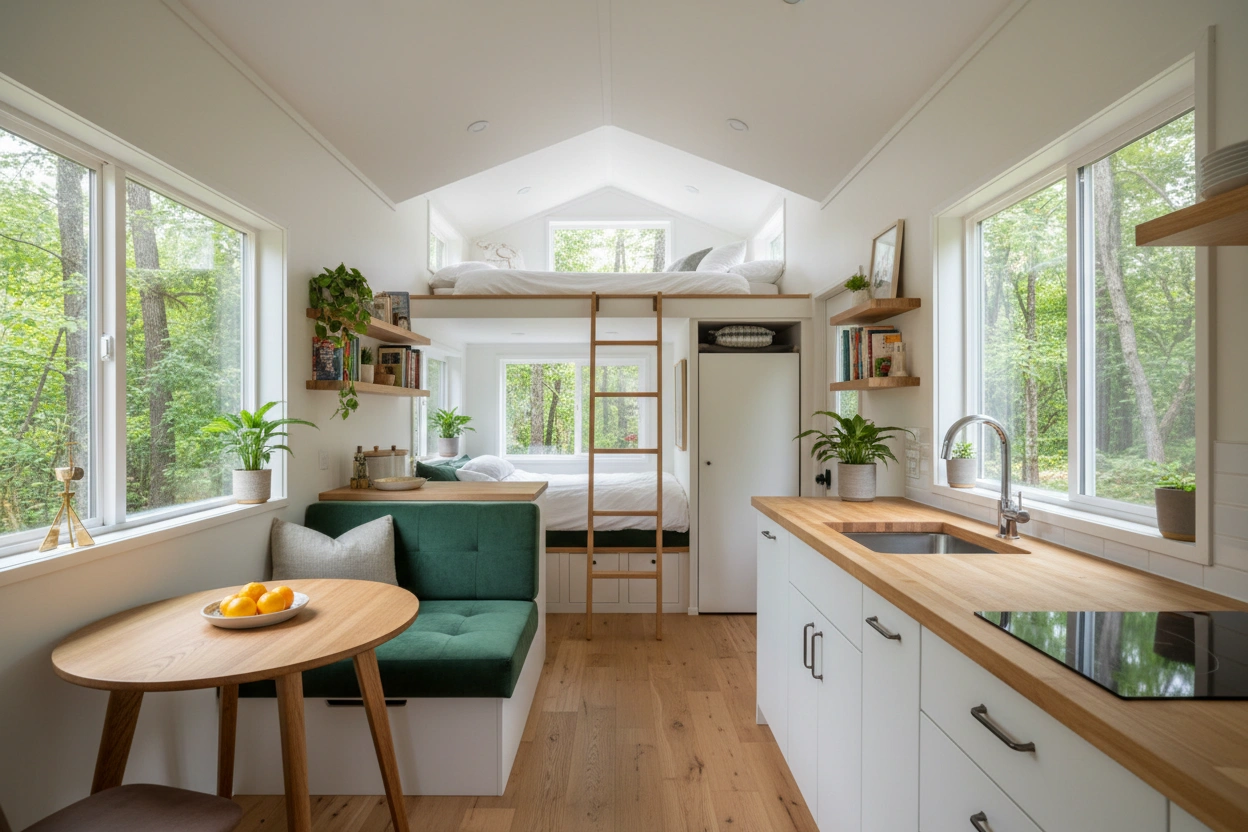
There are several misconceptions regarding tiny house living that can deter individuals from embracing this lifestyle. Understanding these can help clarify the benefits of tiny house design.
Misconception: Tiny Houses Are Too Cramped
Many people assume that living in a tiny house means sacrificing comfort and space. In reality, well-designed tiny homes can feel spacious and comfortable when utilizing effective design principles. Smart layouts: A well-thought-out layout can provide comfort in a small space. Open floor plans and vertical storage can create a sense of openness.
- Personalization: Adding personal touches through decor can make a tiny home feel inviting and uniquely yours.
Misconception: Limited Functionality
Another common belief is that tiny homes lack functionality. However, with the right design choices, tiny houses can be equipped with all the essential amenities.
- Modern Appliances: Compact, energy-efficient appliances are available that fit well in smaller spaces without compromising on functionality.
- Flexible Spaces: Furniture that serves multiple purposes allows for adaptability in how you use your space.
Creating a Minimalist Aesthetic in Your Tiny Home
A minimalist aesthetic can enhance the overall experience of living in a tiny house. Here are some tips to create a serene and uncluttered environment:
Design with Purpose
Every item in your tiny house should serve a purpose. This means carefully selecting decor and furniture that contribute to the overall design without overwhelming the space.
- Curated Decor: Choose a few statement pieces instead of numerous small items to avoid clutter. Each piece should reflect your personal style while fitting seamlessly into the space.
- Functional Decor: Use decorative items that also serve a function, like beautiful storage boxes or stylish hooks.
Natural Light and Ventilation
Natural light plays a significant role in making small spaces feel larger and more welcoming.
- Large Windows: Incorporate large windows or glass doors to allow natural light to flood the space. This creates an illusion of openness and connects the indoors with the outdoors.
- Skylights: Consider installing skylights to enhance natural light without compromising wall space.
The Future of Tiny House Design
As the tiny house movement continues to grow, innovative designs and technologies will evolve to enhance small space living. Here are some trends to watch:
Sustainable Materials
Sustainability is becoming increasingly important in construction and design. Tiny house builders are focusing on eco-friendly materials that minimize environmental impact.
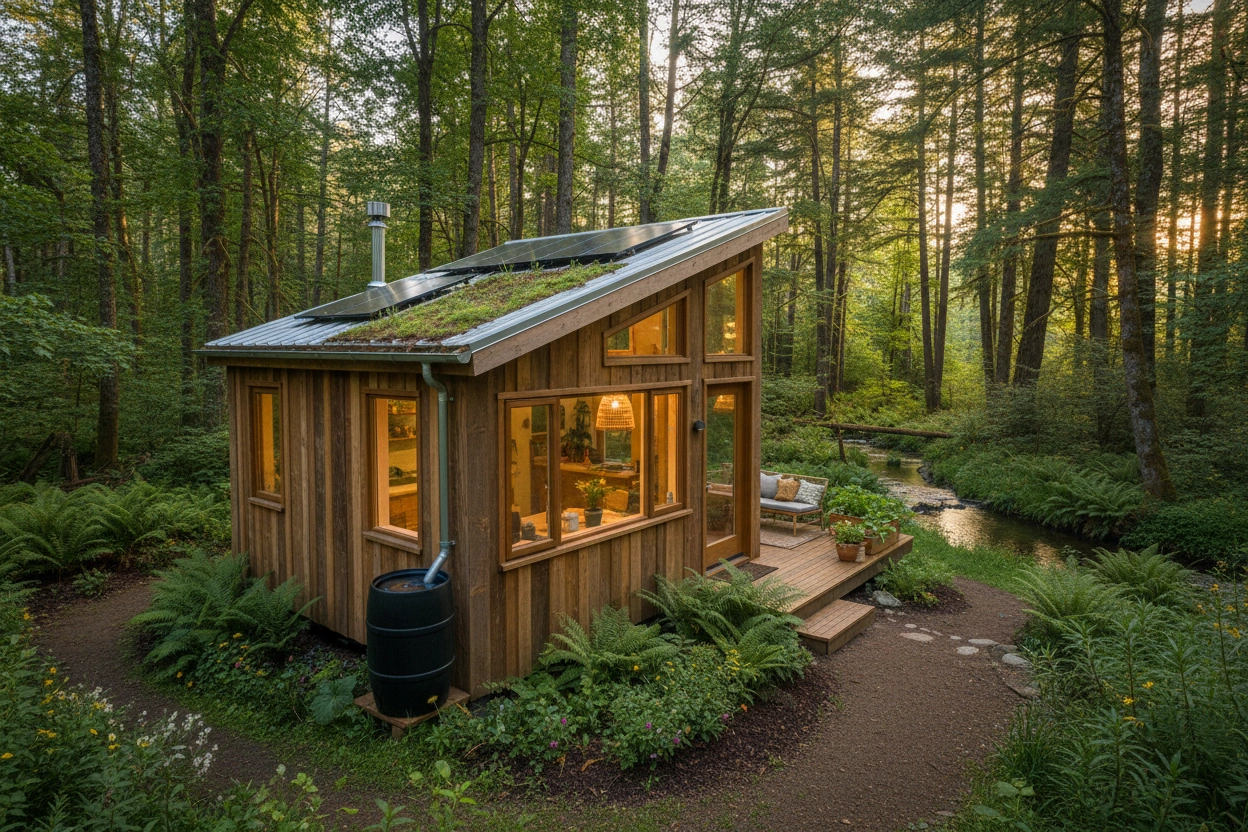
- Reclaimed Wood: Using reclaimed wood not only adds character but also reduces the demand for new materials.
- Energy-Efficient Products: Incorporating solar panels and energy-efficient appliances can lead to lower utility bills and a smaller carbon footprint.
Smart Home Technology
Integrating smart home technology can enhance the functionality and efficiency of tiny houses.
- Smart Thermostats: These can help regulate energy use, ensuring comfort while minimizing costs.
- Automated Lighting: Smart lighting systems can improve energy efficiency and allow for customizable ambiance in your tiny home.
Embracing Minimalism with Tiny House Living
Choosing to live in a tiny house is more than just a design decision; it's a lifestyle choice that embraces minimalism and intentional living. By incorporating smart design principles, maximizing space, and focusing on functionality, you can create a home that is both beautiful and practical.
The journey toward minimalist living in a tiny house involves continuous learning and adaptation. You will find that the benefits extend beyond mere space-saving; it fosters a sense of freedom, peace, and connection to what truly matters.
The Intersection of Tiny House Design and Minimalist Living
Creating a minimalist home with smart tiny house design is a rewarding endeavor that can lead to a more intentional and fulfilling lifestyle. By understanding the principles of tiny house design and maximizing your space, you can achieve a harmonious living environment that reflects your values and aspirations.
At TinyHouse.com, we are dedicated to helping you navigate your tiny house journey. Our resources provide insights into design, construction, and living in small spaces, ensuring that you have the information you need to succeed.
Take the first step towards your dream home today by visiting TinyHouse.com. Whether you are looking for design ideas, building tips, or resources to get started, TinyHouse.com is here to support you in creating the minimalist lifestyle you've always wanted.


.svg)
.jpg)
.jpg)