
Beginner’s Guide: Planning Your First Tiny House Design Project

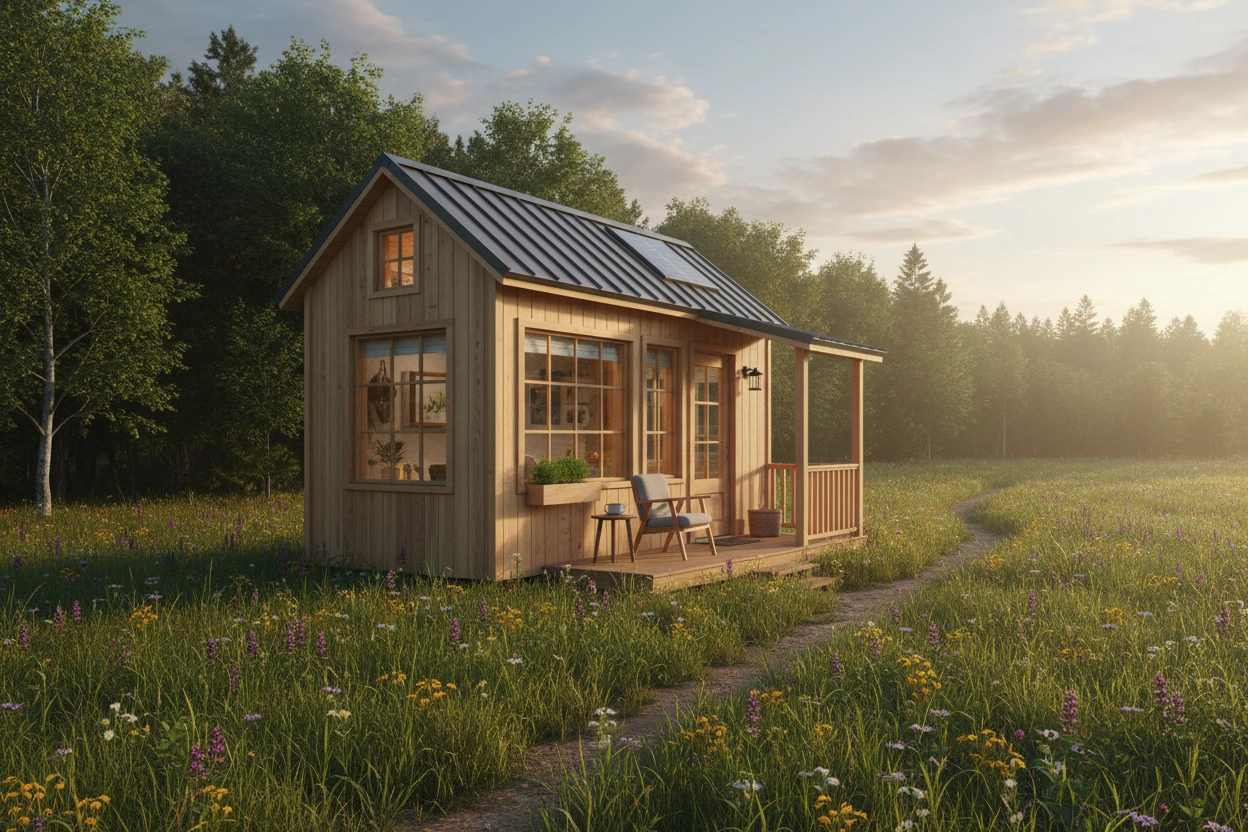
Tiny house design has gained immense popularity as more people seek to embrace minimalism, affordability, and flexibility in their living spaces. As of 2026, the tiny house movement is thriving, with individuals and couples looking for ways to downsize their lifestyles while maximizing their living environments. This guide is crafted for those who are just starting their tiny house design journey, providing actionable insights and strategies for planning your first project.
Whether you're a remote worker seeking a mobile lifestyle or an aspiring homeowner wanting to break free from the traditional housing market, this guide will equip you with the knowledge needed to create a functional and inviting tiny home. From maximizing space in your interiors to understanding the fundamentals of design, let's embark on this exciting journey.
Understanding Tiny House Design Principles
Key Elements of Tiny House Design
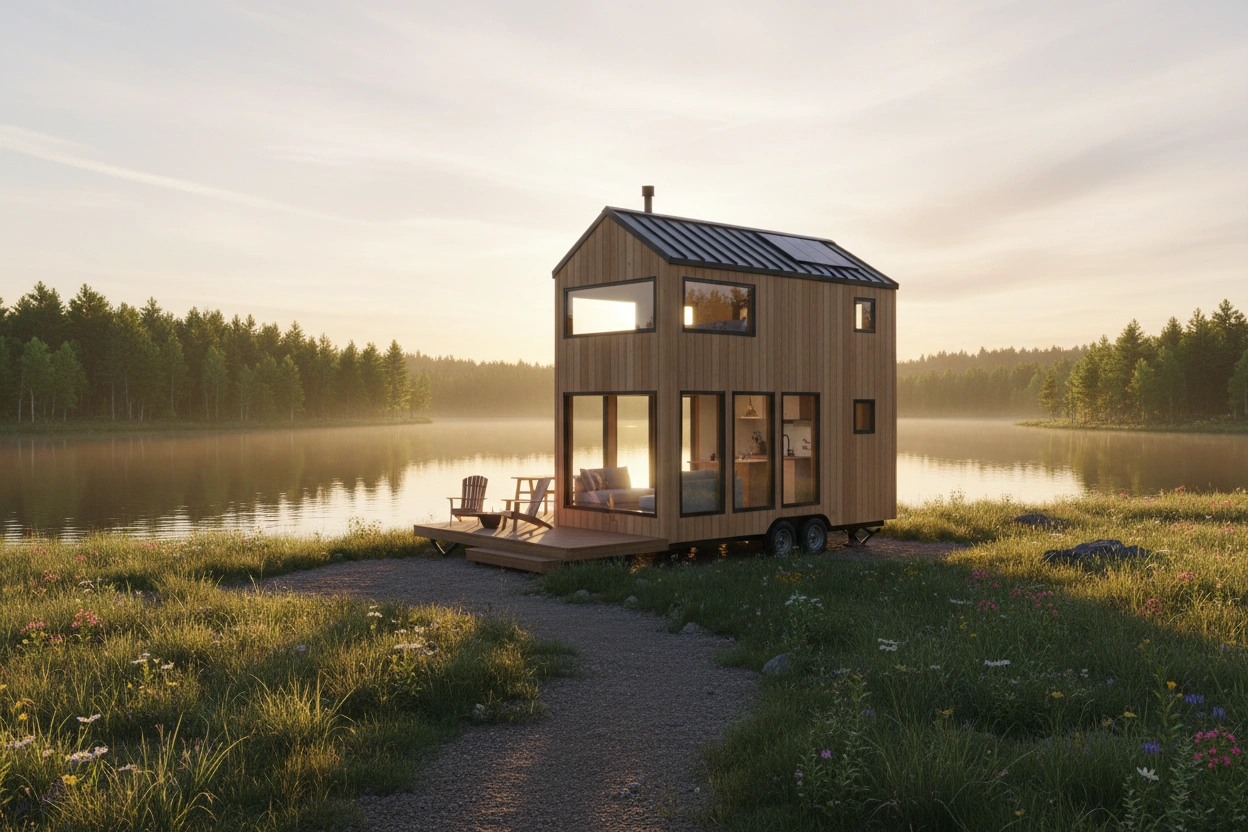
Tiny house design revolves around several core principles that distinguish it from traditional home design. These principles focus on maximizing space, enhancing functionality, and promoting sustainability.
- Space Efficiency: The primary goal of tiny house design is to make the most of limited space. This includes using multifunctional furniture and optimizing storage solutions.
- Sustainability: Many tiny house builders prioritize eco-friendly materials and energy-efficient designs. This not only reduces the environmental impact but also contributes to lower utility costs.
- Personalization: Tiny houses reflect the personal style and needs of their owners. Customization plays a significant role in making a tiny home feel spacious and comfortable.
Understanding these principles will help you create a tiny house that is both functional and reflective of your personal style.
Common Misconceptions About Tiny House Living
Many aspiring tiny house owners hold misconceptions that can hinder their planning process. Addressing these misunderstandings is essential for successful tiny house design.
- Lack of Comfort: Many believe that tiny houses are cramped and uncomfortable. In reality, well-designed tiny homes can be both cozy and spacious through clever design choices.
- Limited Functionality: Another common myth is that tiny homes lack essential amenities. With thoughtful planning, tiny houses can incorporate all the necessary features of a traditional home.
- Regulatory Challenges: Some potential builders fear that zoning laws and building codes will be prohibitive. While regulations vary by location, many areas are becoming more accommodating to tiny homes.
By dispelling these myths, you can approach your tiny house design project with a clearer understanding of what is possible.
How to Maximize Space in Tiny House Interiors
Effective Space-Saving Strategies
Maximizing space is a fundamental aspect of tiny house design. Here are several effective strategies to consider:
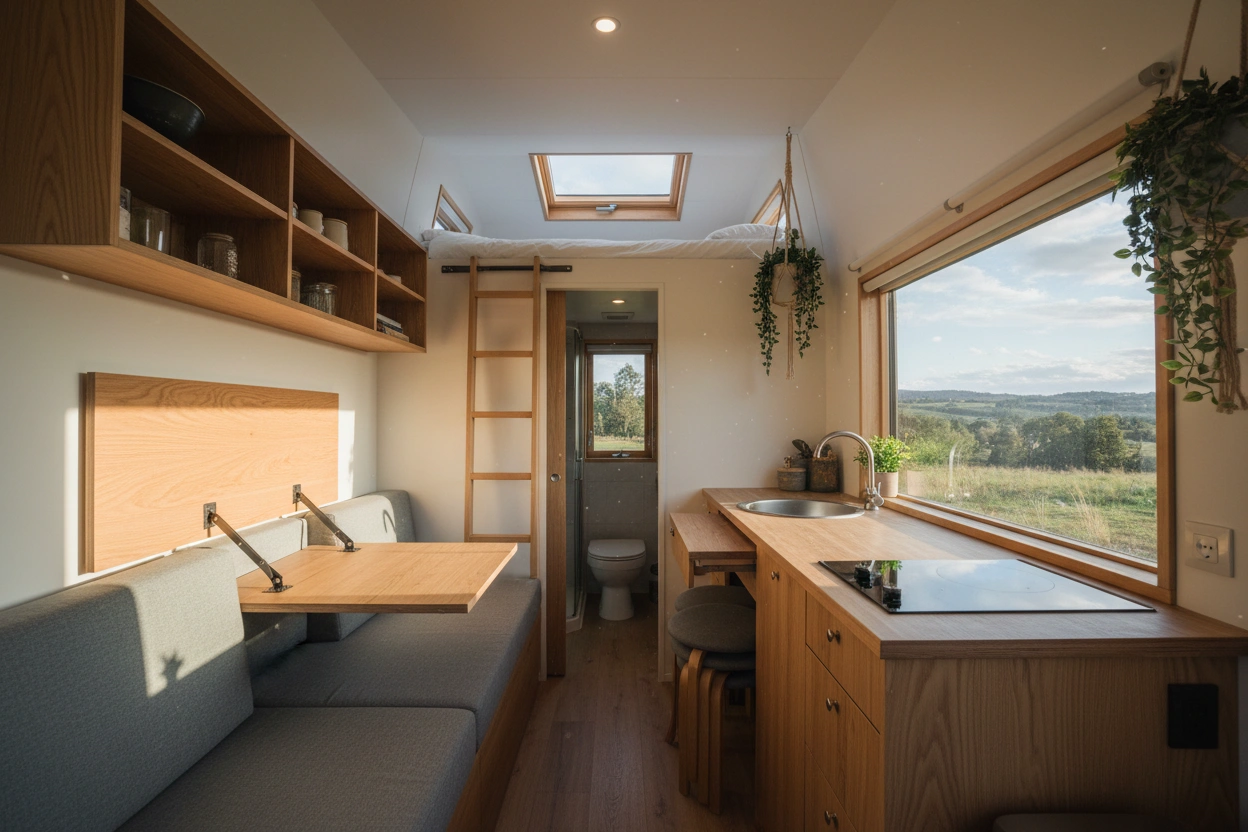
- Multifunctional Furniture: Invest in furniture that serves multiple purposes, such as a sofa bed or a dining table that can double as a workspace. This reduces the need for additional pieces while enhancing functionality.
- Vertical Storage: Utilize vertical space by incorporating shelves, cabinets, and hooks. This approach not only saves floor space but also draws the eye upward, creating an illusion of height.
- Built-In Features: Consider built-in furniture, such as benches with storage compartments or wall-mounted desks. These features can help streamline your living area while providing necessary functionality.
Implementing these strategies can significantly enhance the usability of your tiny home.
Layout Considerations for Small Spaces
The layout of your tiny house plays a crucial role in how well you can maximize space. Here are some important factors to keep in mind:
- Open Floor Plans: An open layout can create a more spacious feel, allowing for better flow and flexibility in furniture arrangement. Consider eliminating unnecessary walls that divide spaces.
- Zoning Areas: Designate specific areas for different activities, such as cooking, working, and relaxing. Use rugs or furniture arrangements to visually separate these spaces without the need for physical barriers.
- Natural Light: Incorporate large windows or skylights to allow natural light to flood the space. Bright interiors can make a tiny home feel larger and more inviting.
By thoughtfully considering your layout, you can enhance the livability of your tiny home and create a more enjoyable environment.
Practical Steps for Planning Your Tiny House Design
Research and Planning
Before diving into the design process, thorough research is essential. This stage will guide your decisions and ensure you stay aligned with your goals.
- Define Your Needs: Start by listing your must-haves and nice-to-haves for your tiny house. Consider factors such as the number of occupants, lifestyle needs, and storage requirements.
- Budgeting: Establish a realistic budget for your tiny house project. Include costs for materials, labor, permits, and any additional features you want to incorporate. Consider affordable design.
- Design Inspiration: Gather inspiration from various sources such as social media, tiny house blogs, and design magazines. Create a mood board that reflects your vision for your tiny home.
This initial research phase sets the foundation for a successful tiny house design project.
Engaging Professionals vs. DIY
Deciding whether to engage professionals or take a DIY approach is a significant consideration in your tiny house journey.
- Hiring Professionals: If you lack experience in construction or design, hiring professionals can ensure a high-quality outcome. Architects and builders specializing in tiny homes can provide valuable insights and expertise.
- DIY Approach: For those with a hands-on mindset, a DIY approach can be rewarding and cost-effective. However, it requires careful planning and a willingness to learn new skills.
Evaluate your strengths and weaknesses to determine the best approach for your project.
The Role of Sustainability in Tiny House Design
Eco-Friendly Materials
Sustainability is a key aspect of tiny house design, and choosing eco-friendly materials can significantly reduce your environmental footprint. Consider the following options:
- Reclaimed Wood: Using reclaimed wood for flooring or furniture not only adds character but also reduces the demand for new lumber.
- Energy-Efficient Appliances: Invest in energy-efficient appliances that consume less power, helping to lower utility bills while minimizing your carbon footprint.
- Sustainable Insulation: Explore insulation options made from recycled materials or natural fibers, which can enhance energy efficiency without harmful environmental impacts.
Incorporating sustainable materials into your design is not only beneficial for the planet but can also enhance the overall aesthetic of your tiny home.
Off-Grid Living Considerations
Many tiny house enthusiasts choose to live off-grid, which involves using renewable energy sources and minimizing reliance on public utilities. Here are some key considerations for off-grid living:
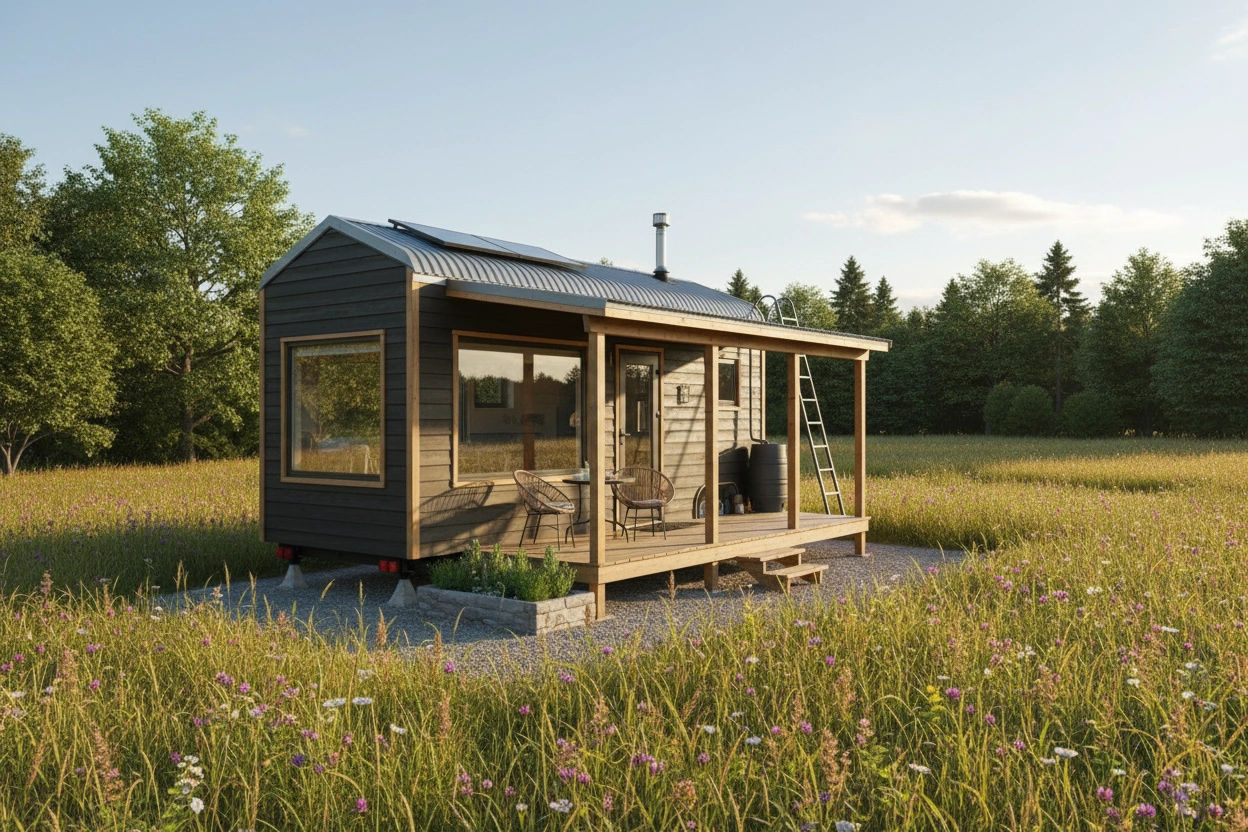
- Solar Power: Installing solar panels can provide a sustainable energy source for your tiny home. Evaluate your energy needs to determine the number of panels required.
- Rainwater Harvesting: Implementing a rainwater harvesting system can reduce your reliance on municipal water supplies, providing a sustainable source for your water needs.
- Composting Toilets: Consider using composting toilets to minimize water usage and create a sustainable waste management system.
Off-grid living not only aligns with the principles of tiny house design but also offers a more self-sufficient lifestyle.
Bringing Your Tiny House Design to Life
Building vs. Buying
Deciding whether to build your tiny house or purchase a pre-made model is a significant step in your journey. Each option has its benefits and drawbacks.
- Building Your Own: Custom building allows for complete control over design and materials. However, it requires significant time, effort, and skill.
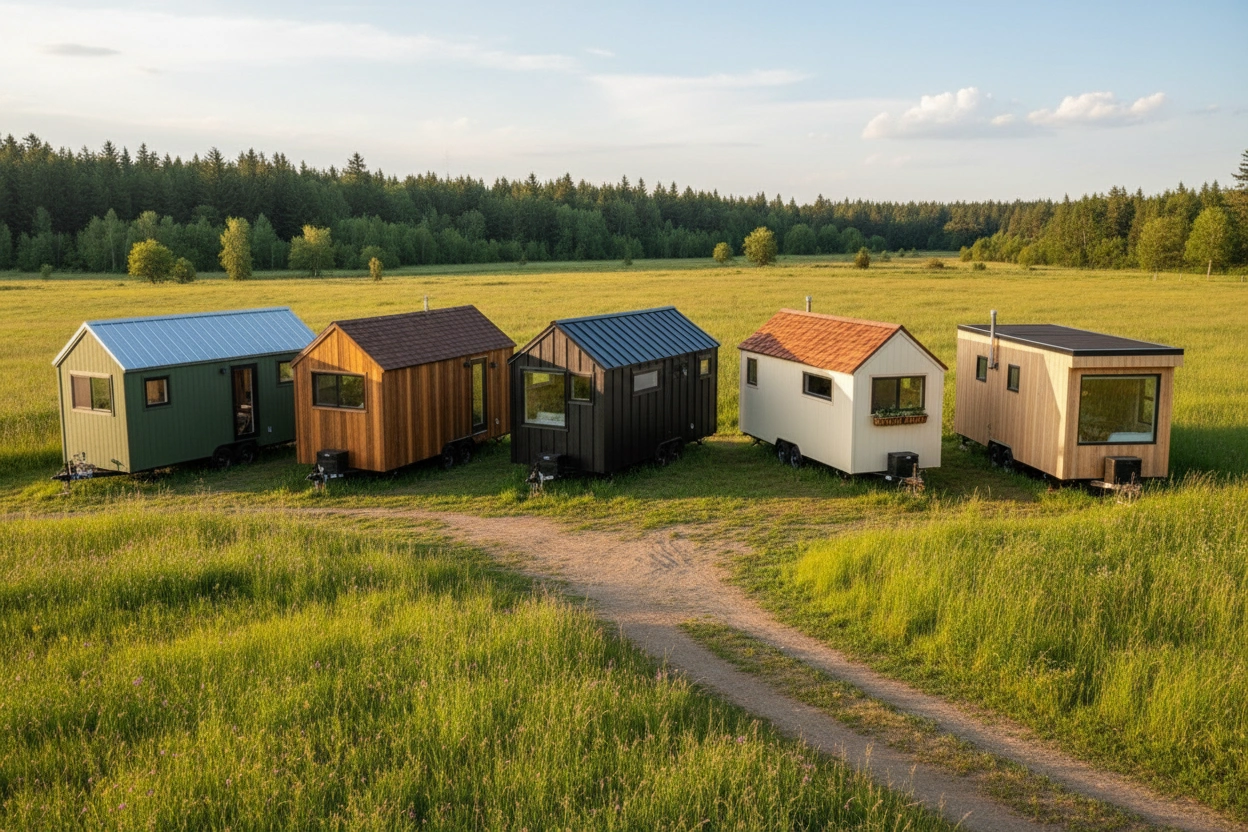
- Buying a Pre-Made Tiny House: Purchasing a pre-made tiny house can save time and simplify the process. However, it may limit customization options and come at a higher price.
Evaluate your priorities, budget, and timeline to make the best decision for your situation.
Finalizing Your Design
Once you've completed your research and planning, it's time to finalize your tiny house design. Consider the following steps:
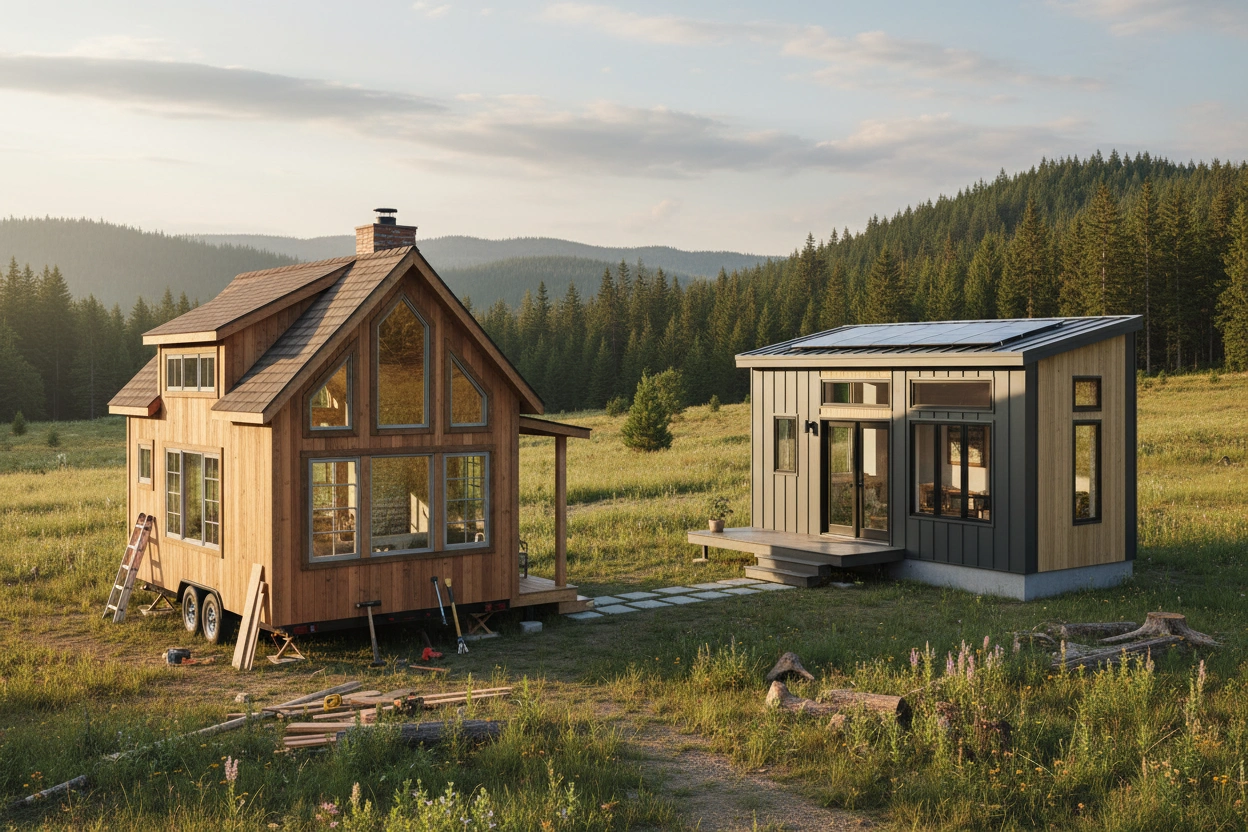
- Create Detailed Plans: Develop detailed blueprints that outline your layout, materials, and features. This will serve as a roadmap for your project.
- Obtain Necessary Permits: Check local regulations and zoning laws to ensure your tiny house complies with all requirements. Obtaining the necessary permits is essential to avoid potential legal issues.
- Begin Construction or Purchase: Once all plans are in place, you can begin construction or finalize your purchase of a pre-made tiny house.
This phase brings your vision to life and marks the beginning of your tiny house journey.
The Path to Your Ideal Tiny Home
Maintaining Your Tiny House
Once your tiny house is complete, maintaining it is essential for longevity and comfort. Regular upkeep can prevent small issues from becoming major problems.
- Regular Inspections: Conduct regular inspections of your home, checking for leaks, structural integrity, and electrical systems.
- Cleaning: Keep your tiny house clean and organized to maintain a pleasant living environment. Regularly declutter to maximize space.
- Seasonal Maintenance: Prepare your home for seasonal changes, such as insulating pipes for winter or cleaning gutters in the fall.
Implementing a maintenance routine will ensure your tiny home remains a comfortable and functional space.
Embracing the Tiny House Lifestyle
Living in a tiny house is not just about the physical space; it's also about embracing a lifestyle that values simplicity and intentional living.
- Community Engagement: Many tiny house owners find community among others who share similar values. Engage with local tiny house groups or online forums for support and inspiration.
- Mindful Consumption: Adopting a minimalist mindset encourages mindful consumption. Focus on quality over quantity when acquiring items for your home.
- Personal Growth: Embrace the challenges and opportunities that come with tiny house living as a path to personal growth and self-discovery.
By embracing this lifestyle, you can fully enjoy the benefits of tiny house living.
The Future of Tiny House Design with TinyHouse.com
Your Journey with TinyHouse.com
Planning your first tiny house design project involves a blend of creativity, practicality, and sustainability. With the insights provided in this guide, you are better equipped to make informed decisions throughout your journey.
At TinyHouse.com, we understand the unique challenges and opportunities associated with tiny house living. Our platform offers a wealth of resources to help you navigate your project from concept to completion.
If you're ready to begin your tiny house journey or need additional guidance, visit TinyHouse.com for expert resources, design inspiration, and community support. sustainable living.
Take the first step toward creating your ideal tiny home today by reaching out to TinyHouse.com for all your tiny house needs.


.svg)
.jpg)