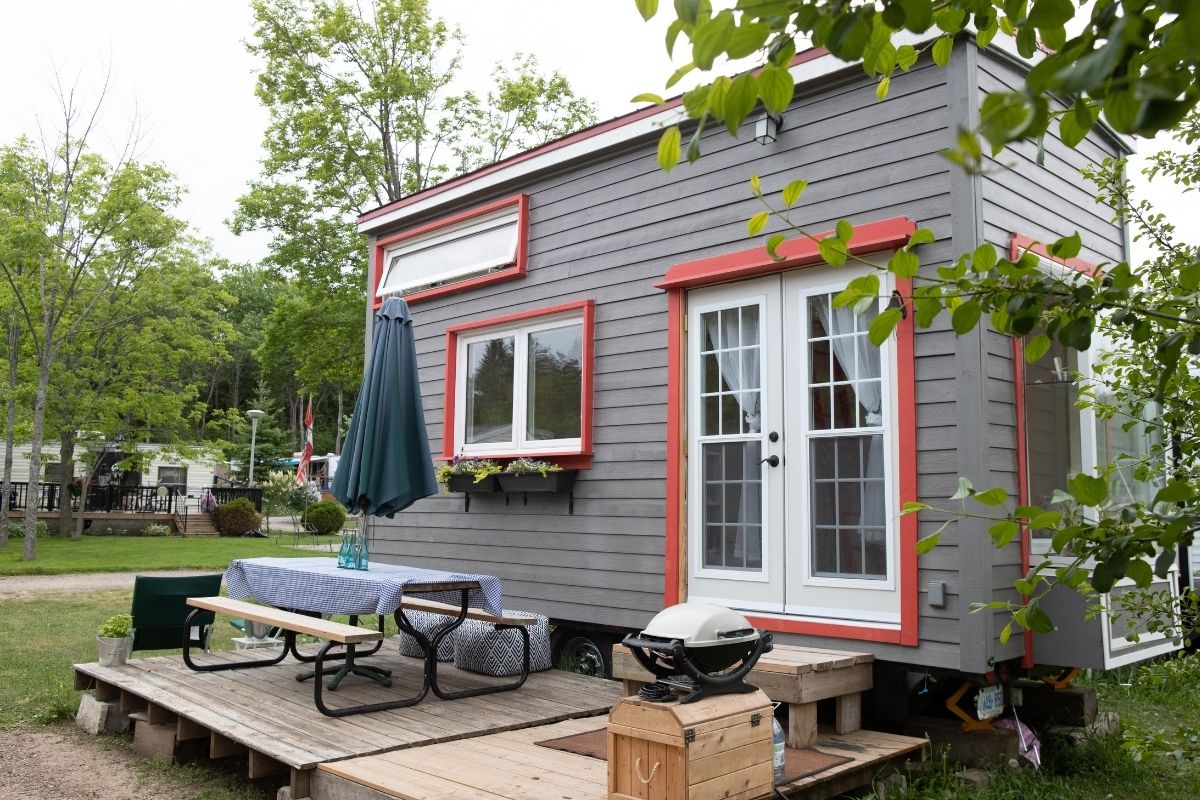
Eco-Friendly Tiny House Design: Sustainable Materials and Tips

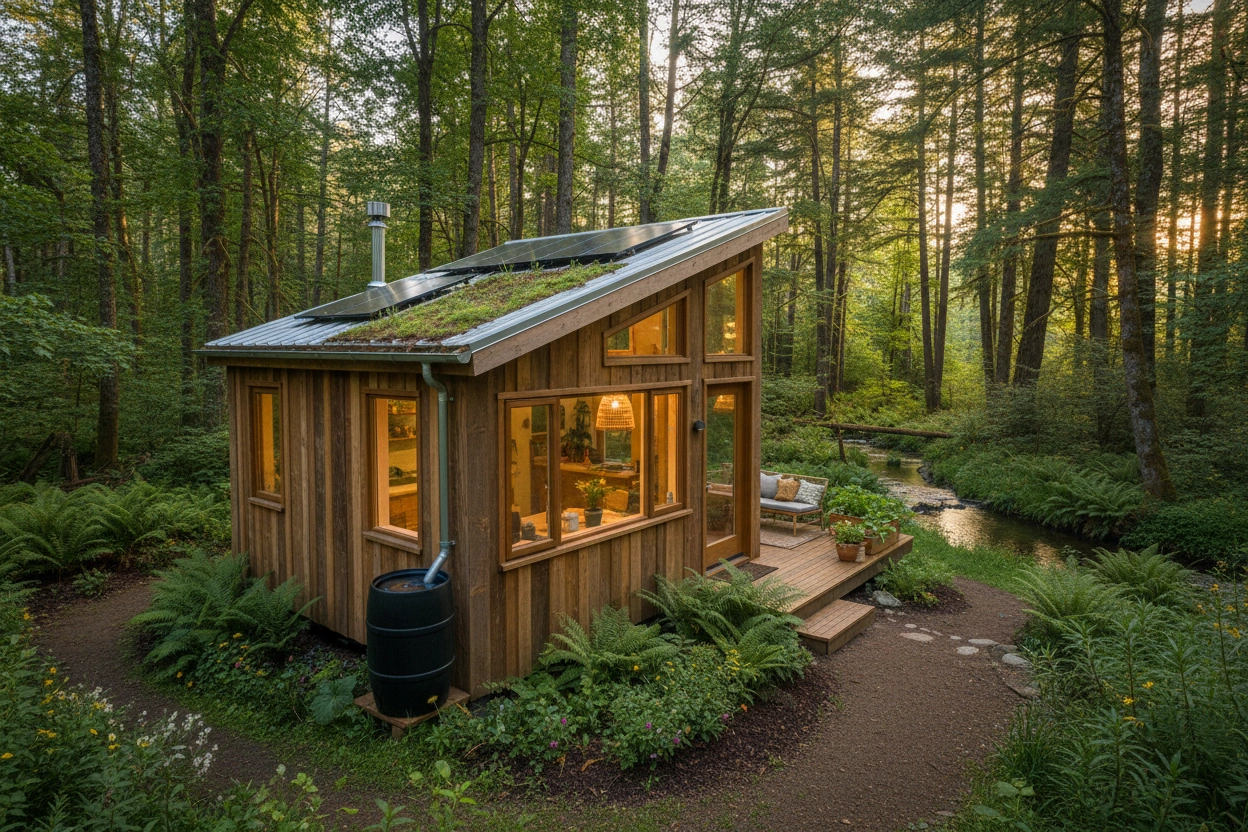
The tiny house movement has gained significant traction over the past decade, driven by a desire for more eco-friendly tiny house design. As individuals and families seek to downsize, minimize their carbon footprints, and embrace a simpler lifestyle, eco-friendly tiny house design has emerged as a key focus. This approach not only enhances the appeal of small space living but also promotes environmental stewardship by utilizing sustainable materials and efficient design principles.
In this article, we will explore innovative strategies for tiny house design, focusing on sustainable materials and practical tips for maximizing space in your tiny home. Whether you're an aspiring homeowner or simply interested in small space living, this guide will provide valuable insights into creating a functional and eco-conscious tiny house.
Understanding Sustainable Materials in Tiny House Design
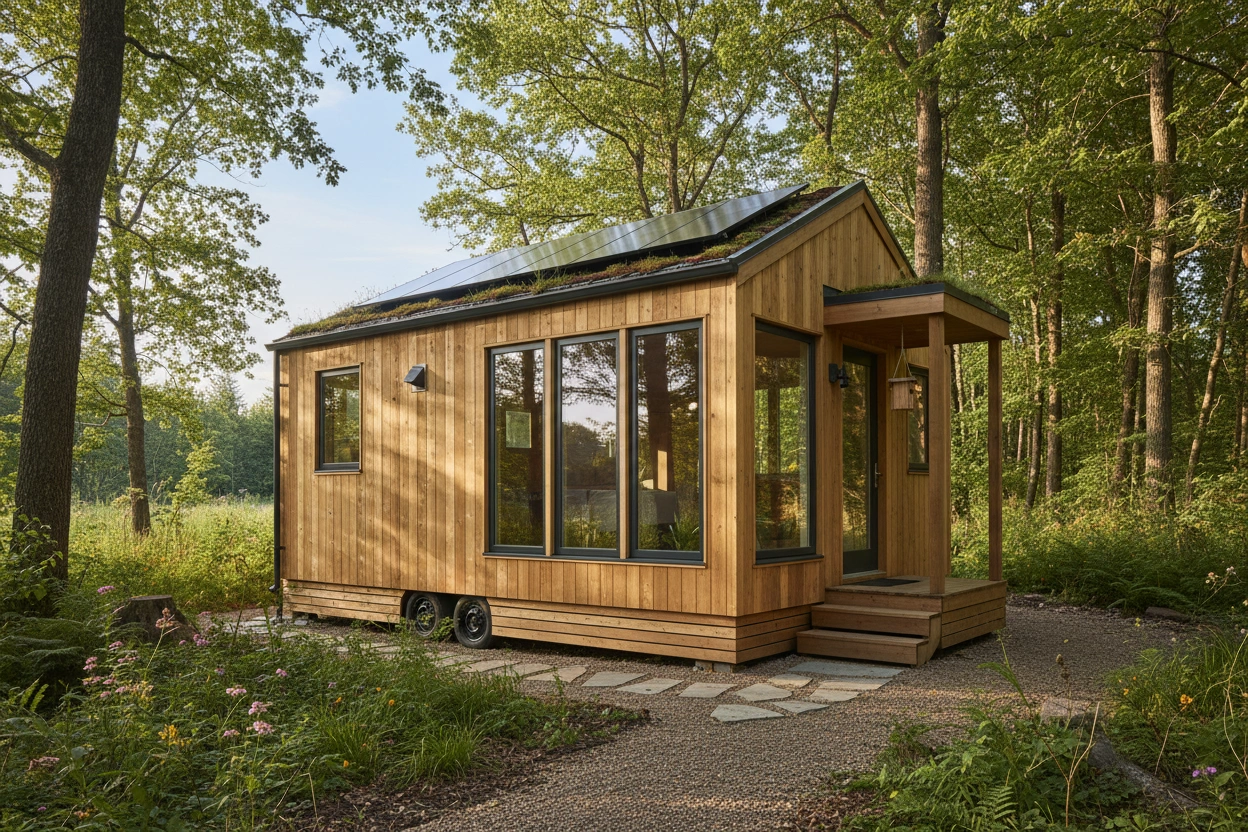
Sustainable materials play a crucial role in eco-friendly tiny house design. These materials not only contribute to the environmental goals of your build but also enhance the overall quality and aesthetic of your home. Here are some key sustainable materials to consider when designing your tiny house:
1. Reclaimed Wood
Using reclaimed wood is a popular choice in tiny house design. This material comes from old buildings, barns, or furniture, giving it a unique character while reducing the demand for new lumber.
- Benefits of Reclaimed Wood:
- Reduced carbon footprint due to less energy consumed in production.
- Unique aesthetics that can add charm and history to your home.
- Often more durable than new wood, as it has already weathered the elements.
2. Bamboo
Bamboo is another sustainable material that is gaining popularity in tiny house construction. It grows rapidly and can be harvested without damaging the environment.
- Advantages of Bamboo:
- Stronger than many hardwoods, making it an excellent choice for flooring and furniture.
- Naturally resistant to pests and moisture, reducing the need for chemical treatments.
- Lightweight and easy to work with, ideal for small space applications.
3. Recycled Metal
Recycled metal, including aluminum and steel, can be utilized for roofing, siding, and structural components in tiny houses.
- Key Features of Recycled Metal:
- Long-lasting and durable, requiring minimal maintenance.
- Reflective properties can help regulate temperature, contributing to energy efficiency.
- Can be sourced locally, further minimizing transportation emissions.
4. Natural Insulation
When it comes to insulation, opting for natural materials like sheep's wool, cotton, or cellulose can significantly reduce your environmental impact.
- Benefits of Natural Insulation:
- Non-toxic and free from harmful chemicals, creating a healthier indoor environment.
- Excellent thermal performance, helping to keep your tiny house comfortable year-round.
- Often sourced from recycled materials, further enhancing sustainability.
Tips for Maximizing Space in Tiny House Interiors
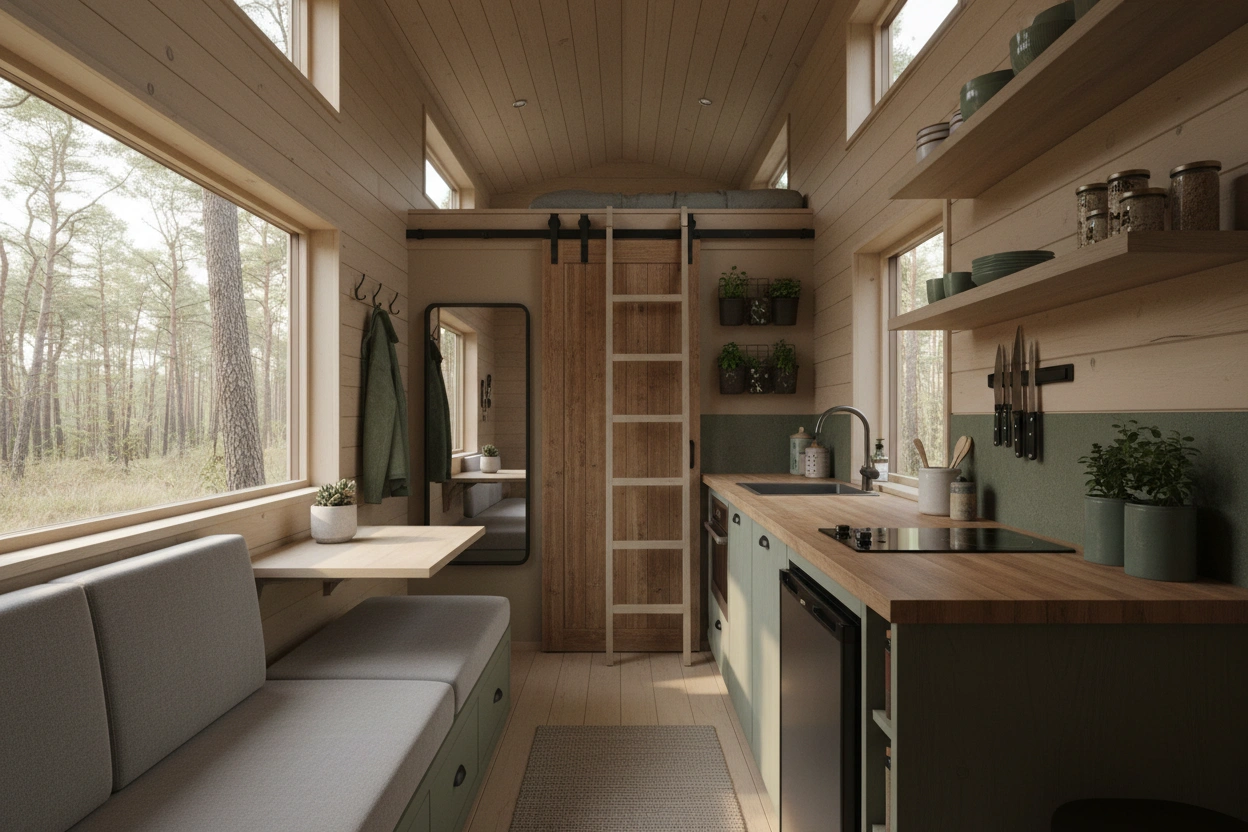
Maximizing space in a tiny house is essential for creating a functional and comfortable living environment. Here are several strategies to help you make the most of your small space:
1. Multi-Functional Furniture
Investing in multi-functional furniture can dramatically increase the usability of your tiny house. Look for pieces that serve more than one purpose.
- Examples of Multi-Functional Furniture:
- Sofa beds that convert into sleeping areas for guests.
- Ottomans with storage compartments for blankets or books.
- Folding tables that can be expanded for dining or reduced for everyday use.
2. Vertical Storage Solutions
Utilizing vertical space is crucial in tiny house design. Incorporating shelves, hooks, and cabinets that reach up to the ceiling can help you keep the floor area clear.
- Effective Vertical Storage Ideas:
- Wall-mounted shelves for books, plants, or decorative items.
- Hooks for hanging coats, bags, or kitchen utensils.
- Tall cabinets that make use of otherwise wasted space.
3. Open Floor Plans
An open floor plan can create a sense of spaciousness in your tiny house. By minimizing walls and barriers, you allow light to flow freely throughout the space.
- Advantages of Open Floor Plans:
- Enhanced natural light, making the space feel larger.
- Greater flexibility in furniture arrangement and functionality.
- Easier flow between living, cooking, and sleeping areas.
4. Smart Technology Integration
Incorporating smart tiny house design can streamline daily tasks and improve the efficiency of your tiny house.
- Tech Solutions to Consider:
- Smart thermostats to optimize heating and cooling.
- Voice-activated assistants for hands-free control of lighting and appliances.
- Mobile apps that help monitor energy usage and manage resources efficiently.
Common Misconceptions About Tiny House Living
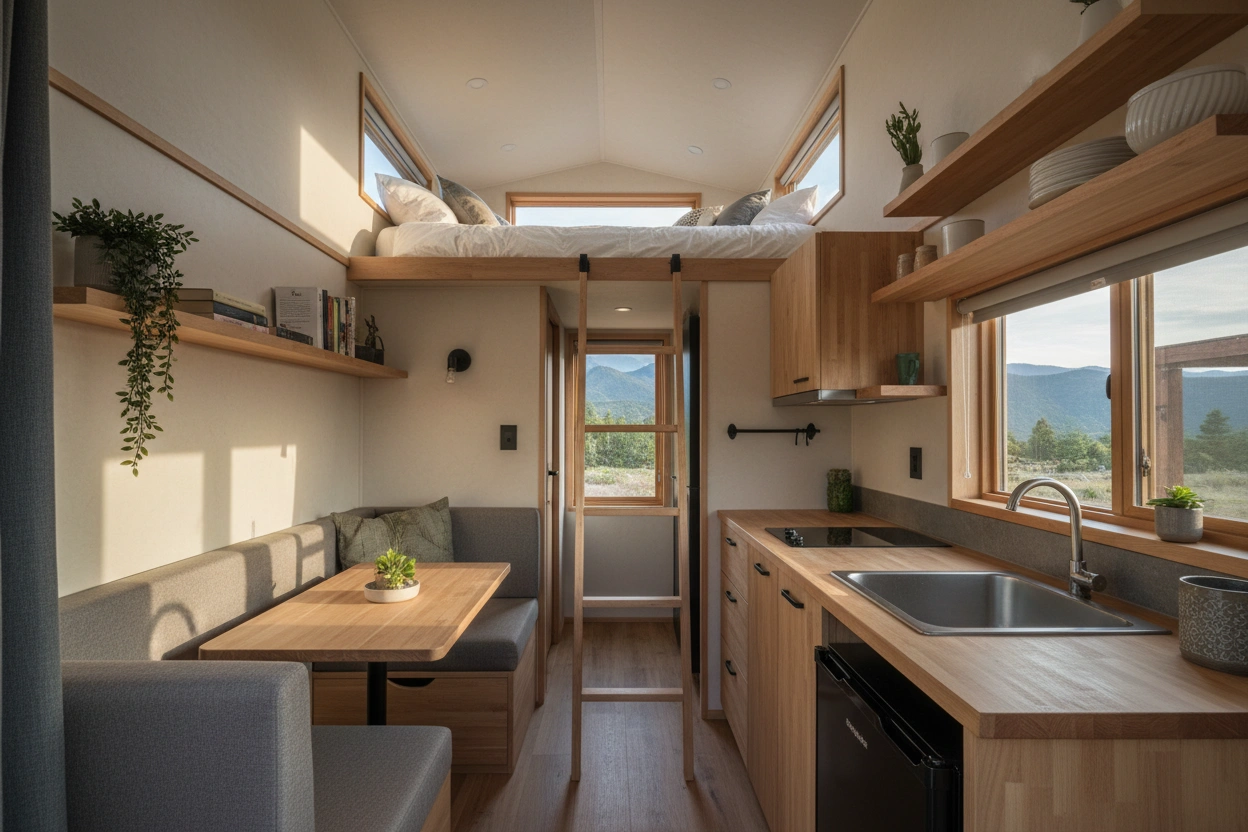
While tiny house living offers numerous benefits, there are several misconceptions that can deter potential homeowners. Understanding these can help you make informed decisions about tiny house design.
Misconception 1: Tiny Houses Are Only for Minimalists
Many people believe that tiny houses are only suitable for those who want to live a minimalist lifestyle. In reality, tiny homes can accommodate various lifestyles and preferences.
- Reality Check:
- Tiny houses can be customized to reflect personal tastes, including decor, layout, and amenities.
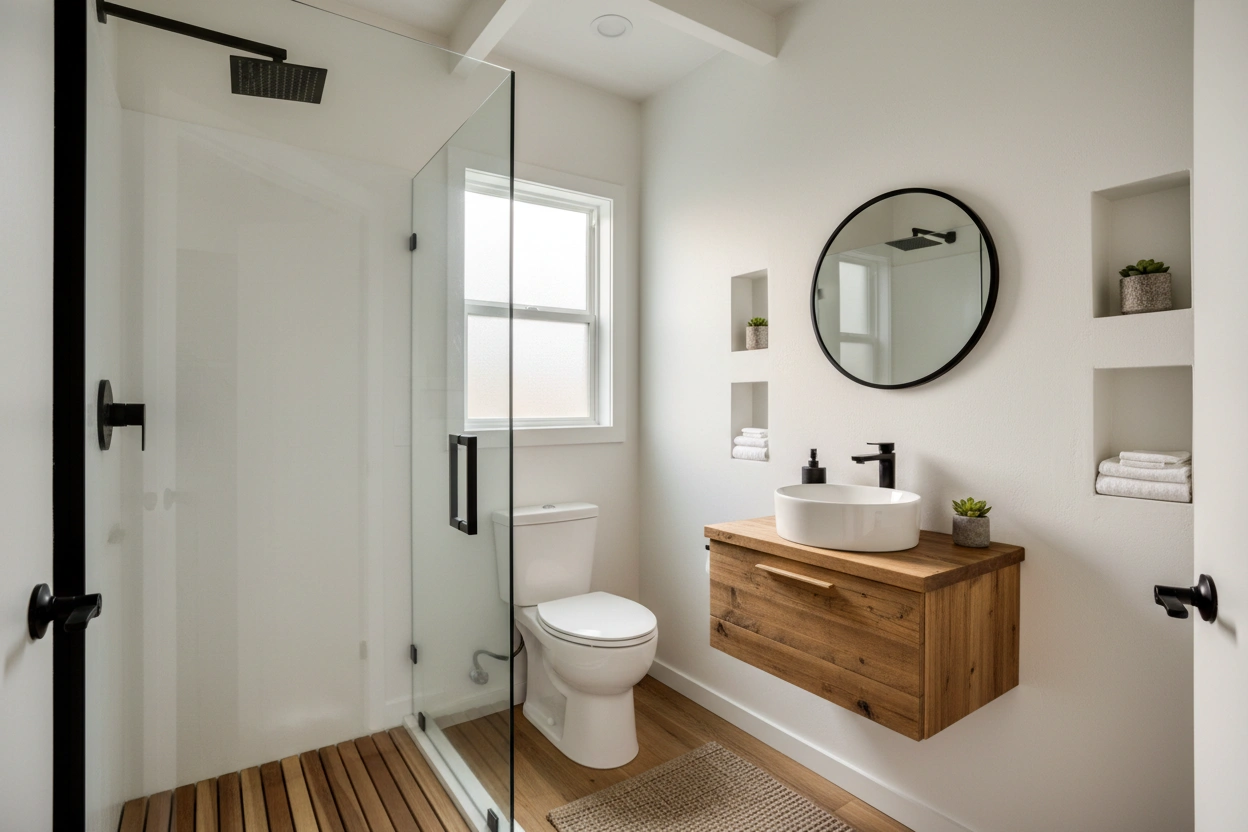
- They can provide the same comforts as larger homes, such as modern kitchens and luxurious bathrooms.
Misconception 2: Lack of Storage Space
Another common concern is the perception that tiny houses lack adequate storage. However, with thoughtful design, tiny houses can offer ample storage solutions.
- Storage Solutions:
- Built-in cabinetry and under-bed storage can maximize space without compromising aesthetics.
- Creative use of nooks and crannies can provide additional storage without cluttering the living area.
Misconception 3: Limited Design Options
Some individuals think that tiny houses are limited in design options, but this is far from the truth. Tiny house design allows for a wide range of architectural styles and materials.
- Design Possibilities:
- From modern to rustic, tiny houses can be tailored to suit any aesthetic preference.
- Custom features, such as lofts and outdoor living spaces, can enhance both functionality and style.
The Benefits of Eco-Friendly Tiny House Design
Embracing eco-friendly tiny house design has several advantages beyond just environmental sustainability. Understanding these benefits can motivate you to consider this lifestyle choice.
1. Lower Utility Costs
Tiny homes often result in significantly reduced utility bills due to their smaller footprint and energy-efficient designs.
- Cost Savings:
- Smaller spaces require less energy for heating and cooling.
- Water-efficient fixtures can further decrease monthly bills.
2. Minimal Environmental Impact
By choosing sustainable materials and practices, you can contribute to environmental conservation.
- Environmental Benefits:
- Reduced waste through the use of reclaimed materials.
- Lower carbon emissions associated with transportation and production.
3. Enhanced Quality of Life
Living in a tiny house can lead to a simpler, more fulfilling lifestyle, allowing individuals to focus on experiences rather than possessions.
- Quality of Life Improvements:
- More time spent outdoors and in nature, promoting overall well-being.
- A decluttered living space can lead to reduced stress and increased happiness.
The Role of TinyHouse.com in Your Tiny House Journey
Designing and building a tiny house can be a rewarding yet complex process. TinyHouse.com serves as a valuable resource for individuals interested in tiny house living, offering guidance on sustainable materials, affordable tiny house design, and space optimization strategies.
Access to Resources and Community
TinyHouse.com provides a wealth of information, including articles, guides, and forums where you can connect with other tiny house enthusiasts. This community support can be invaluable in navigating the challenges of tiny house design.
- Key Offerings:
- Comprehensive design guides that outline best practices for sustainable living.
- Interactive tools to help plan your tiny house layout efficiently.
- A platform to share ideas and seek advice from experienced tiny house owners.
Designing Your Eco-Friendly Tiny House
Creating an eco-friendly tiny house requires careful consideration of materials, design elements, and lifestyle choices. By embracing sustainable practices and maximizing space, you can build a home that reflects your values and meets your needs.
If you are ready to take the next step in your tiny house journey, visit TinyHouse.com for more information on sustainable materials, design tips, and community resources. With the right guidance, you can transform your vision of tiny living into a reality that is both environmentally friendly and personally fulfilling.
For further assistance in your tiny house design journey, contact TinyHouse.com today and start building your dream home.


.svg)
.jpg)
.jpg)