
How to Install Tiny House Roofing: DIY Tips for Beginners

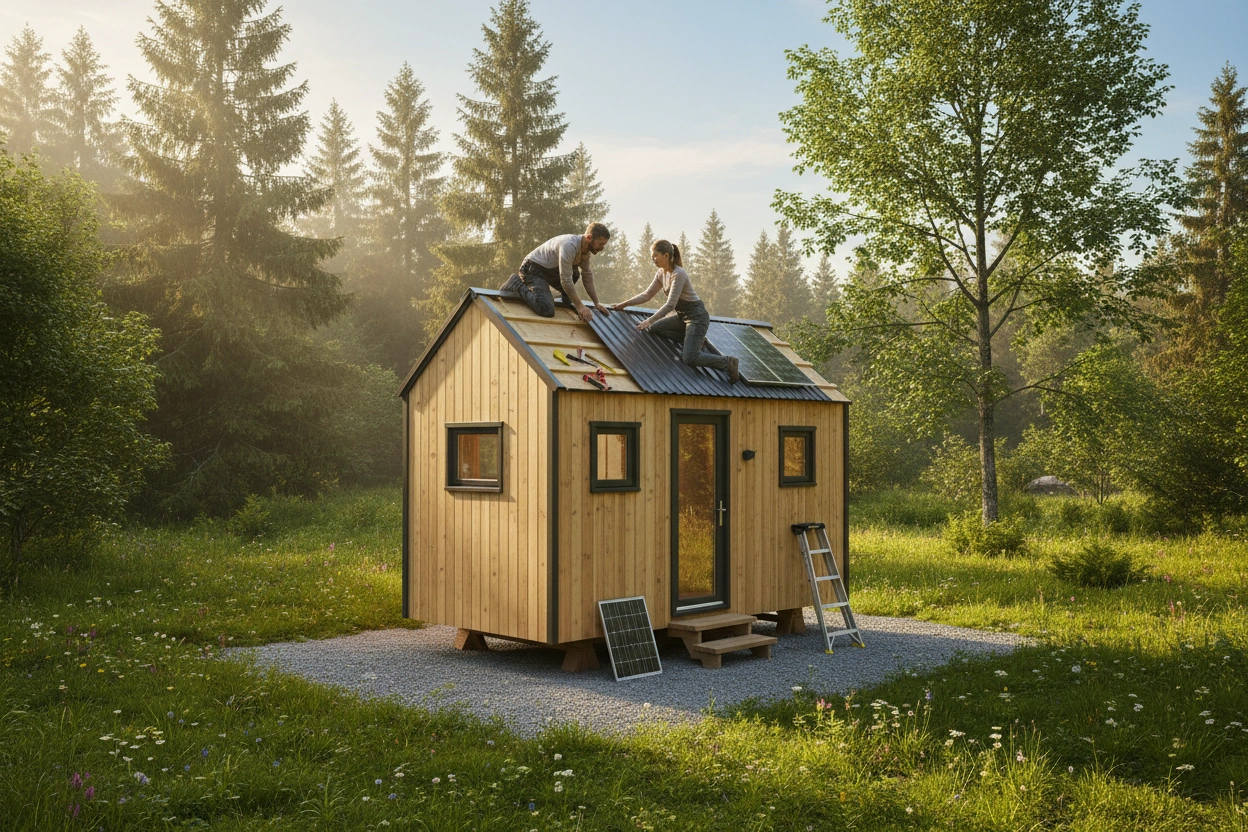
The tiny house movement has gained significant traction, appealing to those who seek minimalism, affordability, and the freedom of mobility. One of the most critical aspects of constructing a tiny house is the roofing system. Choosing the right roofing materials and installation techniques not only affects the aesthetics of your tiny home but also its durability and energy efficiency. In this guide, we will provide actionable tips and insights into tiny house roofing, including the best roofing materials for tiny houses and the top five roofing types suitable for your tiny home.
Understanding Tiny House Roofing
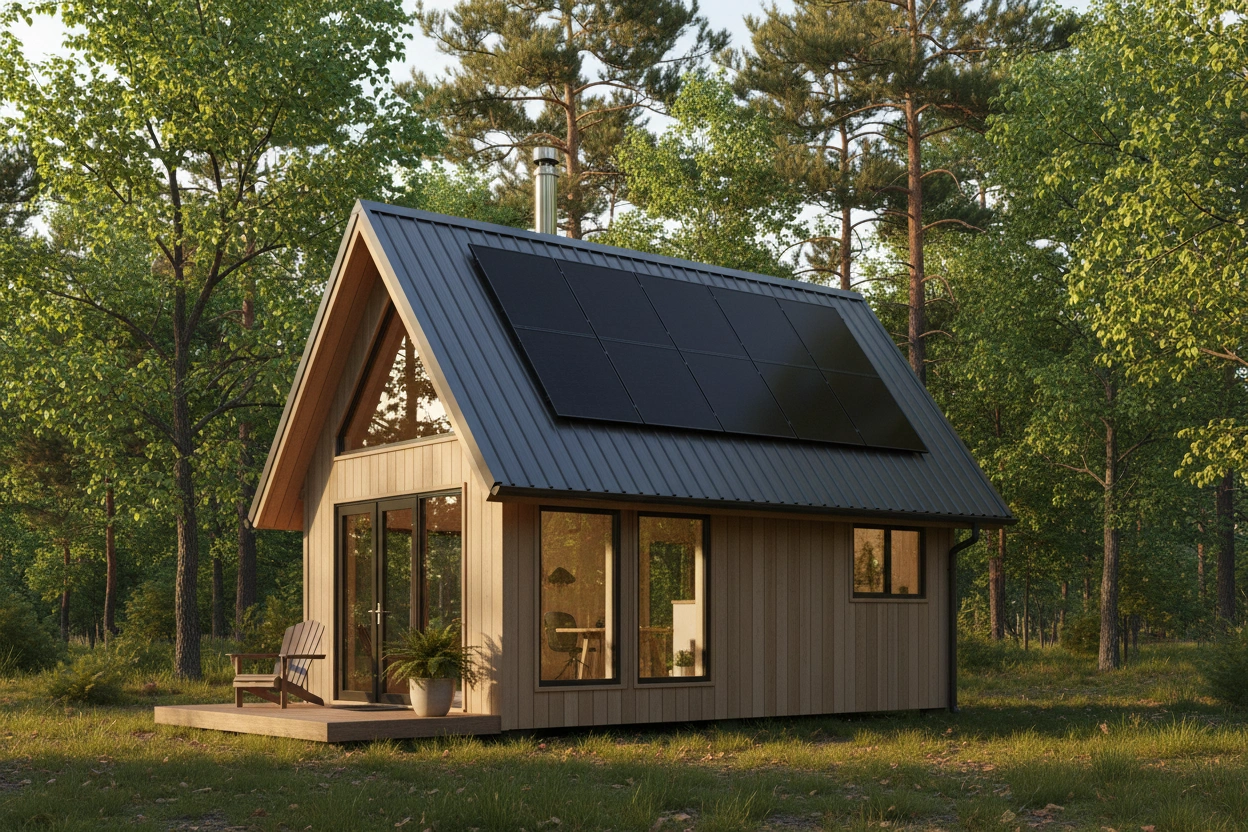
Tiny house roofing encompasses various elements, including the choice of materials, the design of the roof, and the installation process. A well-installed roof protects your tiny home from the elements, enhances energy efficiency, and contributes to the overall design aesthetic. When planning your roofing, consider factors such as climate, weight, and budget.
The roofing structure typically includes the roof deck, underlayment, and roofing material. Each component plays a vital role in ensuring that your tiny house remains weatherproof and structurally sound. For beginners, understanding these components is essential for a successful roofing project.
Key Components of Tiny House Roofing
Roof Deck: This is the structural foundation of the roof that supports all other components. It is usually made from plywood or oriented strand board (OSB).
Underlayment: This layer provides additional protection against moisture and acts as a barrier between the roof deck and the roofing material. Common materials include felt paper and synthetic underlayment.
Roofing Material: This is the visible part of the roof that protects against environmental elements. The choice of material can greatly influence the longevity and efficiency of the roof.
Top 5 Roofing Types for Tiny Homes

When selecting a roofing type for your tiny house, consider factors such as weight, cost, and ease of installation. Here are the top five roofing types that are well-suited for tiny homes:
1. Metal Roofing
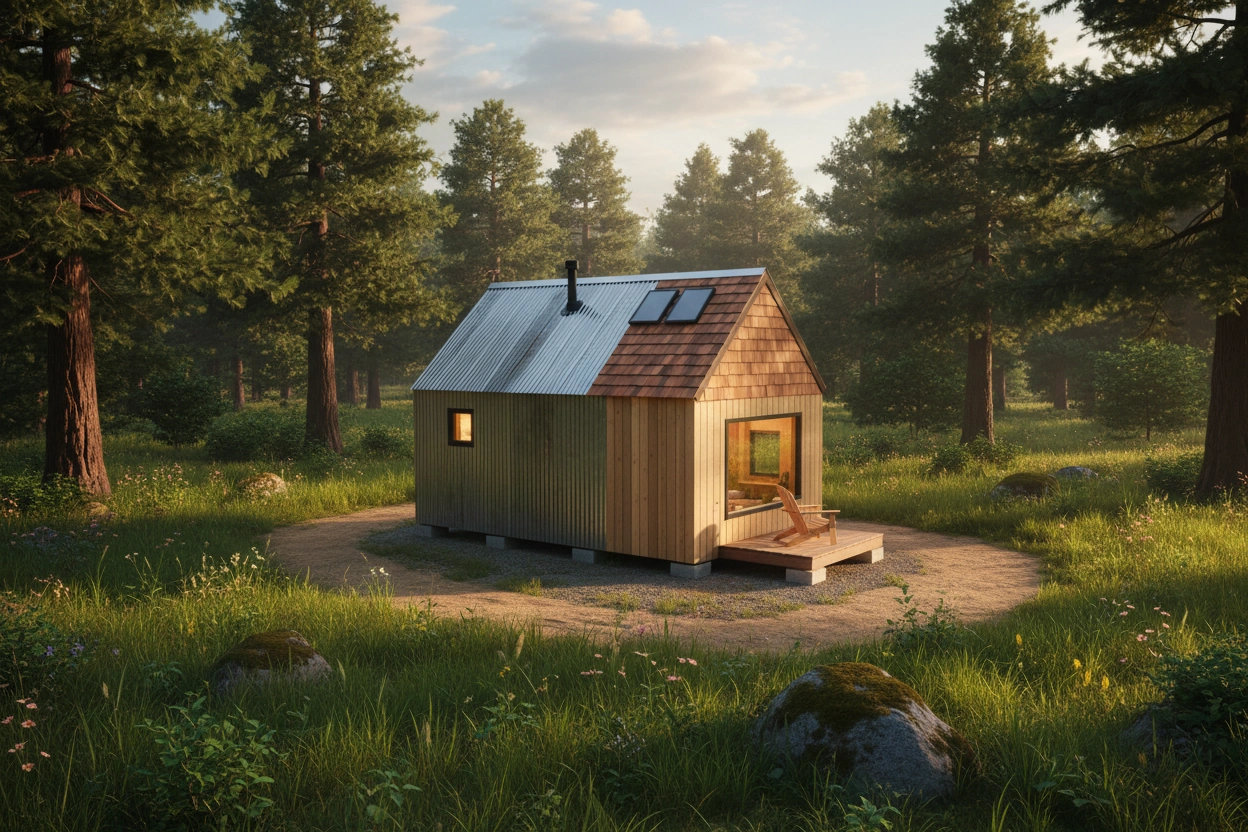
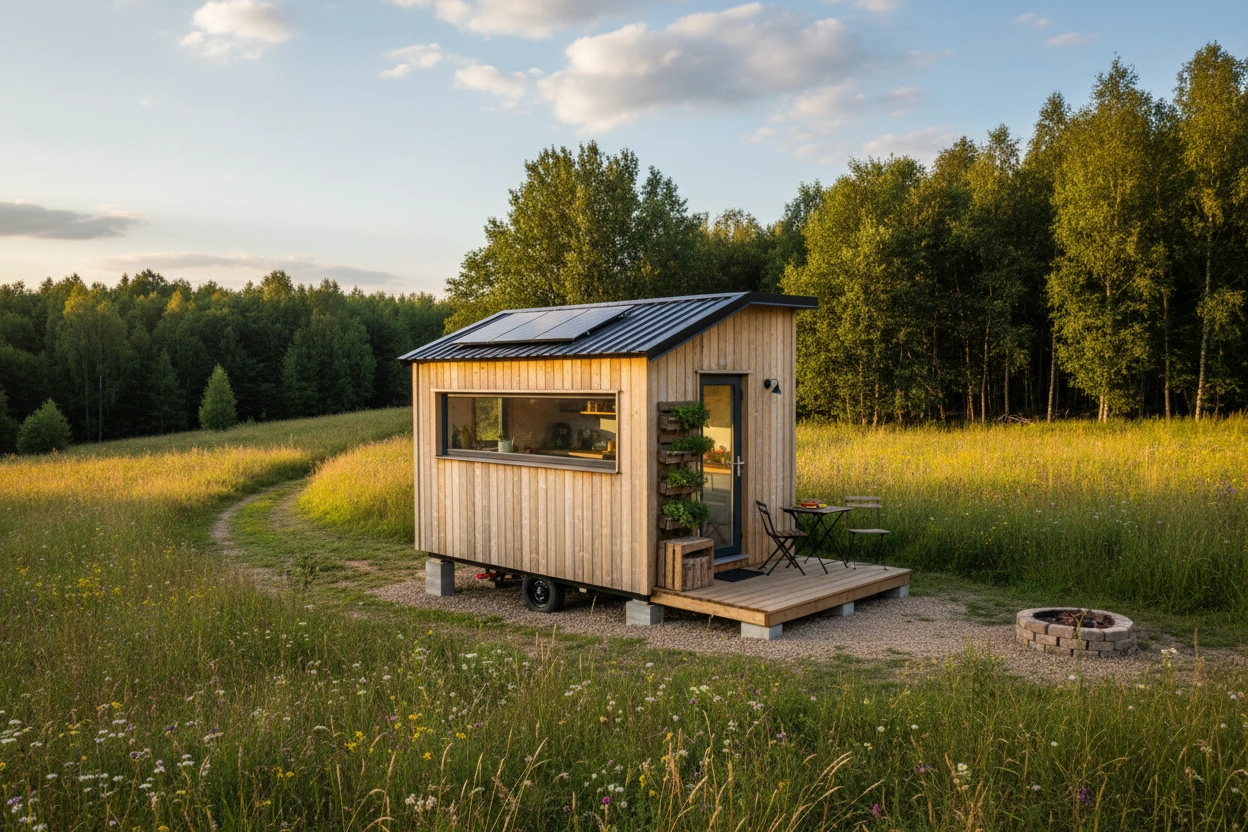
Metal roofing is a popular choice for tiny homes due to its lightweight and durable nature. It can withstand harsh weather conditions and is resistant to rot, mold, and insects. Additionally, metal roofs are energy efficient and can reflect heat, keeping your home cooler in warmer climates.
Advantages:
- Long lifespan (up to 50 years)
- Low maintenance
- Energy efficient
Disadvantages:
- Higher upfront cost
- Requires proper insulation to minimize noise from rain or hail
2. Asphalt Shingles
Asphalt shingles are one of the most common roofing materials due to their affordability and ease of installation. They come in various colors and styles, allowing homeowners to customize their tiny home's appearance.
Advantages:
- Cost-effective
- Easy to install
- Variety of styles available
Disadvantages:
- Shorter lifespan (15-30 years)
- Less energy efficient compared to metal roofing
3. Cedar Shakes
Cedar shakes provide a natural aesthetic that blends well with the environment. This roofing type is known for its insulation properties and can be treated for added durability against the elements.
Advantages:
- Attractive appearance
- Good insulation properties
- Environmentally friendly if sourced sustainably
Disadvantages:
- Higher maintenance (requires regular treatments)
- More expensive than asphalt shingles
4. EPDM Rubber Roofing
Ethylene Propylene Diene Monomer (EPDM) rubber roofing is ideal for flat or low-slope roofs commonly found in tiny homes. This material is waterproof and resistant to UV radiation, making it a durable option.
Advantages:
- Excellent waterproofing
- Lightweight and easy to install
- Durable and long-lasting
Disadvantages:
- Limited aesthetic appeal
- Can be punctured by sharp objects
5. Green Roofs
Green roofs involve planting vegetation on the roof surface, providing insulation and reducing stormwater runoff. This option is excellent for those looking to create a sustainable tiny home.
Advantages:
- Environmental benefits (reduces heat island effect)
- Natural insulation
- Aesthetic appeal
Disadvantages:
- Requires structural support
- Higher installation and maintenance costs
Steps to Install Tiny House Roofing
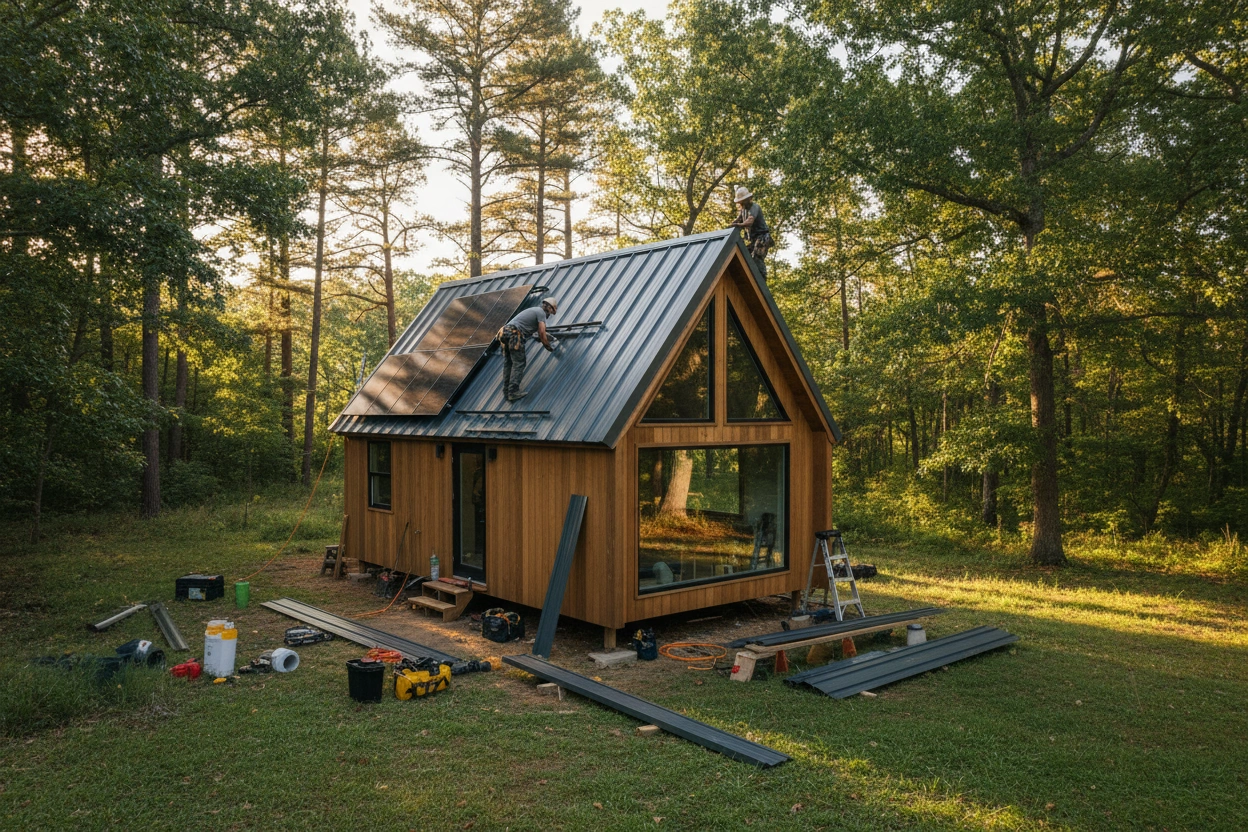
Installing a roof on your tiny house can be a rewarding DIY project if approached methodically. Follow these essential steps for a successful installation:
Research Thoroughly: Understand the local building codes and regulations regarding roofing materials and installation methods. This will ensure compliance and help avoid future issues.
Gather Materials: Collect all necessary materials, including roofing materials, underlayment, nails, and tools like a hammer, saw, and ladder.
Prepare the Roof Deck: Inspect the roof deck for any damage or rot. Replace any compromised sections before proceeding with the installation.
Install Underlayment: Lay the underlayment across the roof deck, ensuring that it overlaps properly to prevent moisture infiltration.
Install Roofing Material: Begin installing your chosen roofing material from the bottom of the roof and work your way up. Follow manufacturer instructions for specific installation techniques.
Seal and Finish: Once the roofing material is in place, seal any joints and edges to prevent leaks. Inspect the entire roof for any gaps or exposed areas.
Common Mistakes to Avoid in Tiny House Roofing
When installing tiny house roofing, there are several common mistakes that beginners should be aware of:
Neglecting Local Codes: Failing to adhere to local building codes can result in fines or the need for costly rework. Always check regulations before starting.
Choosing the Wrong Materials: Selecting roofing materials without considering climate and weight can lead to premature failures. Research the best roofing materials for tiny houses based on your specific location.
Improper Installation: Skipping steps or rushing through the installation can result in leaks and other issues. Take your time and follow the installation guidelines carefully.
The Importance of Maintenance for Tiny House Roofing
Regular maintenance of your tiny house roofing is essential for longevity and performance. Here are some key maintenance tips:
Inspect Regularly: Check your roof at least twice a year for signs of damage, such as missing shingles or leaks.
Clean Gutters and Drains: Ensure that gutters and drains are clear of debris to prevent water pooling and potential leaks.
Repair Promptly: Address any issues as soon as they arise to prevent more extensive damage and costly repairs down the line.
The Intersection of Tiny House Roofing and Sustainable Living
Sustainable living is a core principle of the tiny house movement. Choosing the right roofing materials and installation methods can significantly impact your environmental footprint. Options such as green roofs not only provide insulation but also contribute to biodiversity and improve air quality.
By carefully selecting roofing materials and maintaining your roof, you can enhance the sustainability of your tiny home. TinyHouse.com offers resources and guides to help you make informed decisions about your tiny house roofing and other aspects of tiny home living.
In summary, understanding the essentials of tiny house roofing is critical for any aspiring tiny homeowner. From selecting the best roofing materials for tiny houses to mastering the installation process, knowledge and preparation are key. For more information and resources on tiny house living, visit TinyHouse.com. Whether you're looking to build or buy, TinyHouse.com can provide the support you need to create your perfect tiny home.


.svg)
.jpg)