Affordable Tiny House Roofing: Cost-Saving Tips & Options

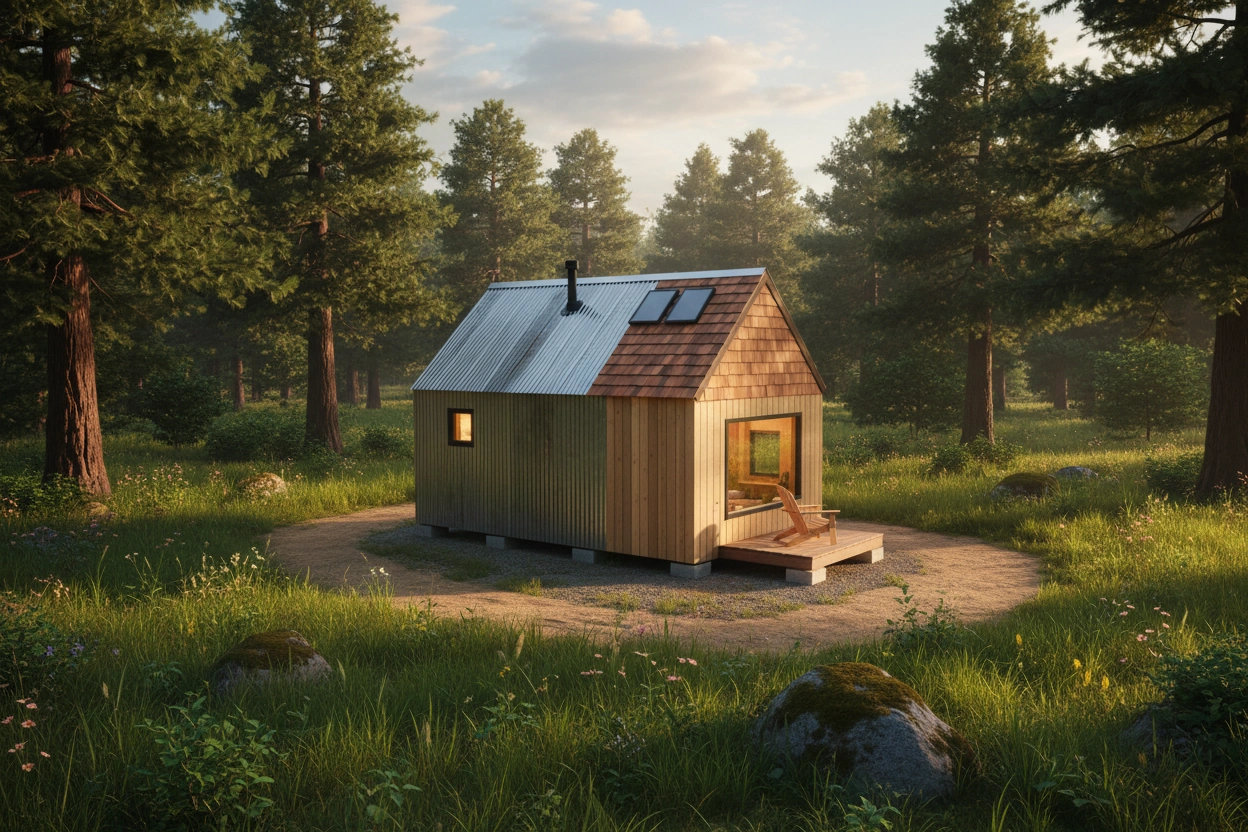
Tiny house living continues to attract a diverse range of individuals, from remote workers seeking a minimalist lifestyle to aspiring homeowners looking for affordable options. One of the critical aspects of building or maintaining a tiny home is selecting the right roofing material. Tiny house roofing not only protects the structure but also contributes to energy efficiency and aesthetics. This article will cover essential cost-saving tips and options for tiny house roofing, including a detailed look at the best roofing materials for tiny houses.
Understanding Tiny House Roofing

When it comes to tiny house roofing, there are several factors to consider. The choice of roofing material can significantly impact the overall cost, durability, and maintenance requirements of your tiny home. Not all roofing materials are created equal, and understanding the nuances can help you make informed decisions that align with your budget and lifestyle.
Key Considerations for Tiny House Roofing
- Weight and Structure: Given the compact nature of tiny homes, the weight of the roofing material is crucial. Heavy materials can strain the structure and require additional support, potentially increasing costs.
- Climate Suitability: The local climate plays a significant role in determining the best roofing material. Some materials perform better in specific weather conditions, such as heavy rain, snow, or intense sun.
- Cost and Budget: Affordability is often a priority for those pursuing tiny home living. Balancing upfront costs with long-term durability and maintenance expenses is essential for effective budgeting.
Top 5 Roofing Types for Tiny Homes
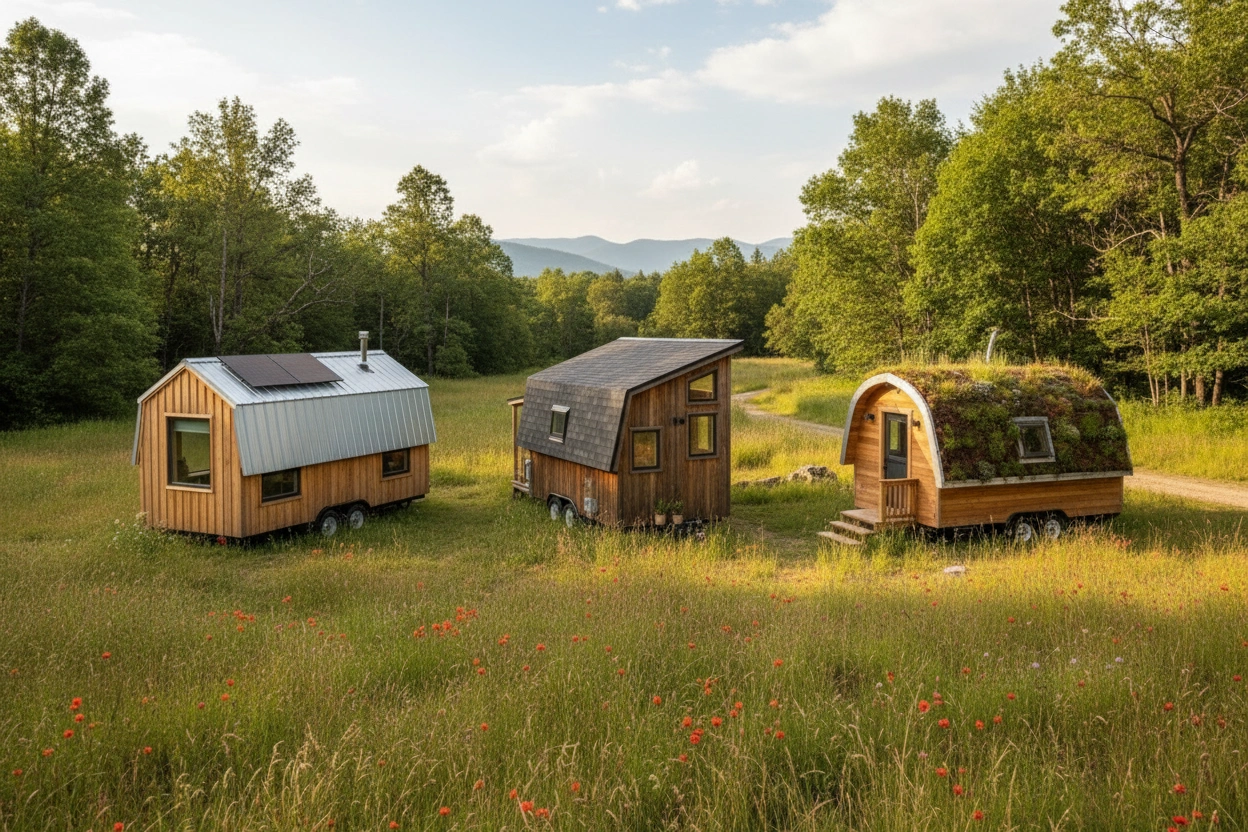
Selecting the right roofing type can be a game-changer for tiny house owners. Here are five of the best roofing options that provide excellent value and performance:
1. Metal Roofing
Metal roofing is a popular choice for tiny houses due to its durability and low maintenance requirements. It can withstand severe weather conditions, including high winds and heavy snow loads. Metal roofs are also energy-efficient, reflecting sunlight and keeping the interior cooler.
Pros:
- Long lifespan (up to 50 years)
- Lightweight and easy to install
- Recyclable material
Cons:
- Higher initial cost compared to some alternatives
- Can be noisy during rain or hail
2. Asphalt Shingles
Asphalt shingles are among the most commonly used roofing materials in the United States. They are affordable and come in various styles and colors, making them a versatile option for tiny homes.
Pros:
- Cost-effective and widely available
- Easy to install and repair
- Variety of aesthetic options
Cons:
- Shorter lifespan (15-30 years)
- Less energy-efficient than metal roofing
3. Rubber Roofing
Rubber roofing, often made from recycled tires, is an environmentally friendly option that provides excellent waterproofing. It is particularly suitable for flat or low-slope roofs, common in tiny house designs.
Pros:
- Durable and resistant to weather damage
- Easy to install and repair
- Eco-friendly material
Cons:
- Can be expensive compared to asphalt
- Limited aesthetic options
4. TPO (Thermoplastic Olefin) Roofing
TPO roofing is a single-ply membrane that is gaining popularity for tiny homes, particularly in warmer climates. It reflects sunlight, helping to keep the home cooler and reducing energy costs.
Pros:
- Energy-efficient and reflective
- Lightweight and flexible
- Easy installation and low maintenance
Cons:
- Requires professional installation for best results
- Susceptible to punctures if not properly maintained
5. Wood Shingles
Wood shingles offer a natural and aesthetically pleasing option for tiny houses. They can blend well with various architectural styles and provide good insulation.
Pros:
- Attractive appearance and natural materials
- Good insulation properties
- Can be treated for enhanced durability
Cons:
- Requires regular maintenance and treatment
- Shorter lifespan compared to metal or asphalt
Cost-Saving Tips for Tiny House Roofing
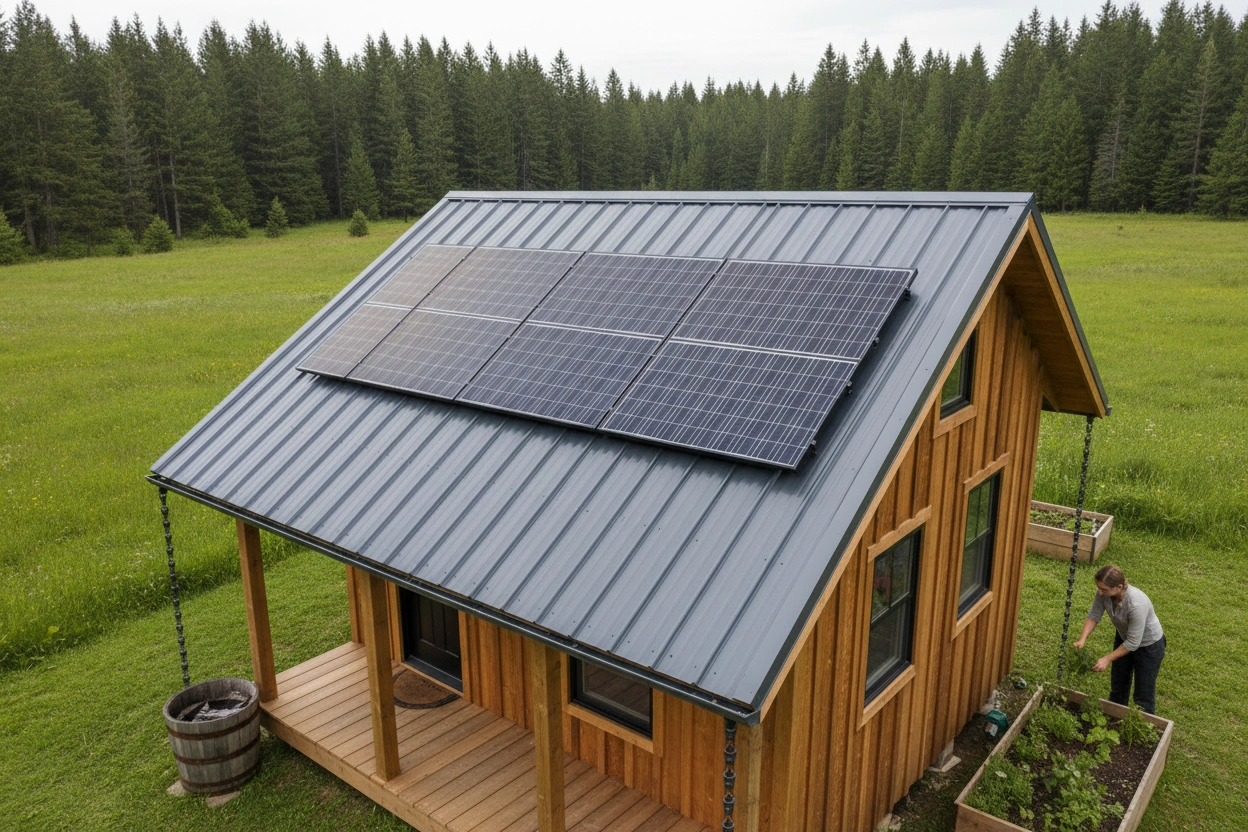
When planning your tiny house roofing project, there are several strategies to save money while ensuring quality and durability. Here are some actionable tips:
1. DIY Installation
If you have the skills and tools, consider installing the roofing yourself. This can save a significant amount on labor costs. However, make sure to research thoroughly and follow safety guidelines to avoid costly mistakes. Consider using a DIY installation guide for assistance.
2. Buy Materials in Bulk
Purchasing roofing materials in bulk can lead to substantial savings. Look for suppliers who offer discounts for larger orders, and consider collaborating with other tiny house builders in your area to take advantage of bulk pricing.
3. Choose Affordable Materials
Evaluate your roofing options based on cost and longevity. While some materials may have a higher initial cost, their durability can lead to savings in the long run. For example, investing in metal roofing can reduce maintenance costs over time.
4. Consider Second-Hand Materials
Reclaimed or second-hand roofing materials can be a cost-effective option. Many architectural salvage yards offer materials that are still in good condition at a fraction of the cost of new products.
5. Plan for Energy Efficiency
Incorporating energy-efficient roofing materials can reduce your long-term energy costs. Reflective roofing materials, such as TPO or metal, can help lower cooling costs during hot summer months.
Common Mistakes to Avoid in Tiny House Roofing
Choosing the right roofing material and installation method is essential, but there are common pitfalls that aspiring tiny homeowners should be aware of:
1. Overlooking Local Building Codes
Always check local building codes and regulations before beginning your roofing project. Some areas have specific requirements regarding materials, installation methods, and permits.
2. Ignoring Drainage Needs
Proper drainage is critical for the longevity of any roofing system. Ensure that your roof has adequate slopes and drainage systems to prevent water pooling and leaks.
3. Skipping Insulation
Many tiny house builders overlook the importance of proper insulation in their roofing system. Insulation not only helps maintain temperature but also contributes to energy efficiency. Consider using insulated roofing panels or adding insulation beneath the roofing material.
The Financial Aspects of Tiny House Roofing
When budgeting for tiny house roofing, it is essential to account for both initial costs and long-term expenses. Here are key financial considerations:
Initial Costs
- Material Costs: Prices vary widely based on the type of roofing material selected.
- Labor Costs: If hiring professionals, labor can significantly impact the overall budget.
- Permits and Inspections: Factor in any necessary permits and inspections required by local authorities.
Long-Term Costs
- Maintenance: Different roofing materials have varying maintenance requirements. Regular inspections and repairs can prevent larger issues down the line.
- Energy Savings: Energy-efficient roofing can lead to reduced heating and cooling costs, impacting your overall budget positively.
The Intersection of Tiny House Roofing and Sustainable Living
As more individuals embrace tiny house living, the intersection of roofing choices and sustainability becomes increasingly relevant. Many tiny house owners prioritize eco-friendly materials and energy-efficient designs, contributing to a reduced environmental footprint.
Sustainable roofing options, such as metal or rubber, not only offer durability but also align with the values of minimalism and environmental responsibility. By choosing materials that are recyclable or made from recycled content, tiny homeowners can further enhance their commitment to sustainable living. For more information on the best tiny house roofing material, visit our guide.
TinyHouse.com is dedicated to providing resources and guidance for those interested in tiny home living. Whether you're considering building your own tiny house or exploring existing options, our platform offers valuable insights on everything from design to financing.
Embracing Affordable Tiny House Roofing Solutions
In summary, understanding the various roofing options available for tiny houses is essential for making informed decisions. The choice of roofing material impacts not only the aesthetics of your tiny home but also its energy efficiency and long-term costs. By considering factors such as weight, climate suitability, and budget, you can select the best roofing solution for your needs.
To learn more about tiny house living and how to make informed choices about your tiny home, visit TinyHouse.com. Our resources are designed to help you navigate the complexities of building or buying a tiny house, ensuring a smooth and rewarding experience. Contact TinyHouse.com for more information on how we can assist you in your journey toward affordable tiny house living.


.svg)
.jpg)