
How to Install Tiny House Roofing for Lasting Durability

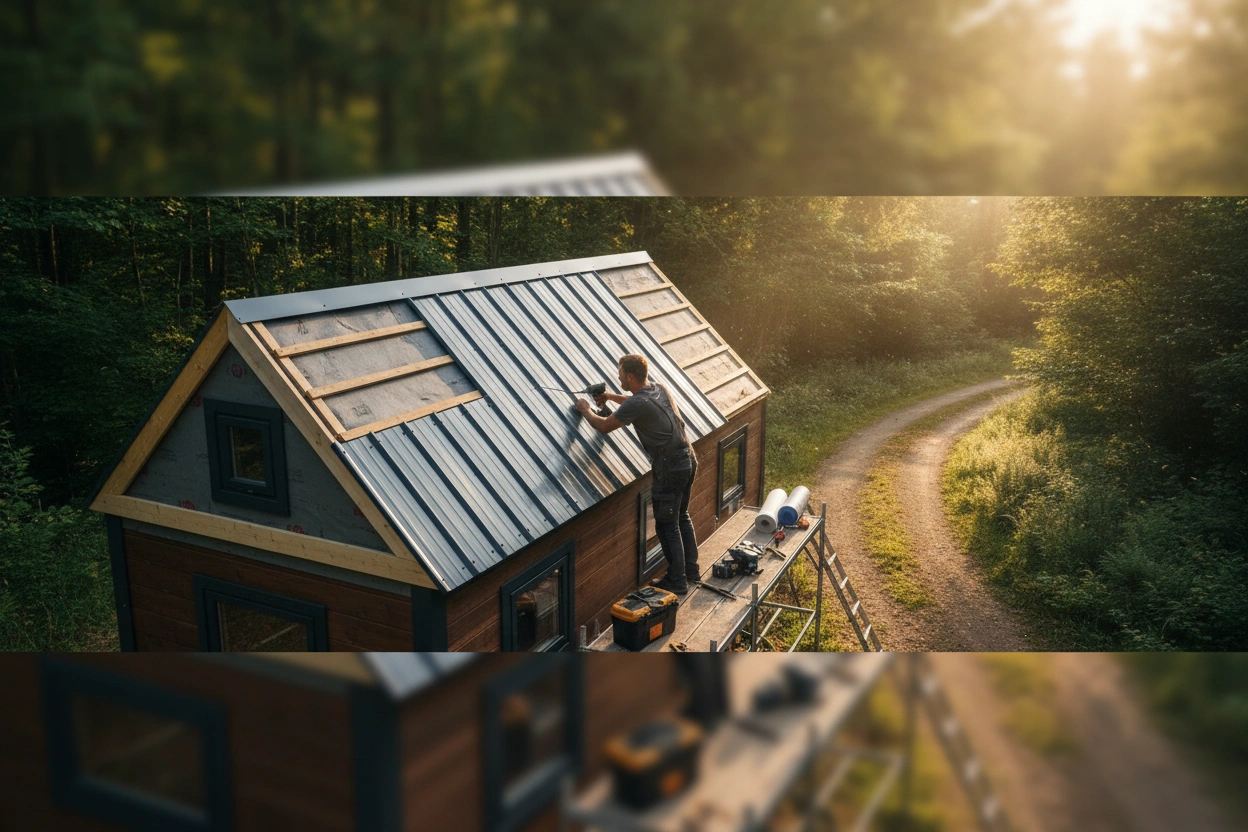
The tiny house movement continues to gain momentum, attracting individuals and couples seeking affordability, flexibility, and minimalism. One of the critical aspects of building a tiny home is the roofing system, which not only protects the structure from the elements but also contributes to its overall aesthetic appeal. Understanding how to install tiny house roofing correctly can lead to lasting durability and efficiency, ensuring that your tiny home remains a safe and comfortable haven for years to come.
In this article, we will cover the essential steps involved in installing tiny house roofing, explore the best roofing materials for tiny houses, and discuss the pros and cons of each option. This comprehensive guide aims to equip you with the knowledge necessary to make informed decisions about your tiny house roofing project.
Understanding the Basics of Tiny House Roofing
Importance of Choosing the Right Roofing Material
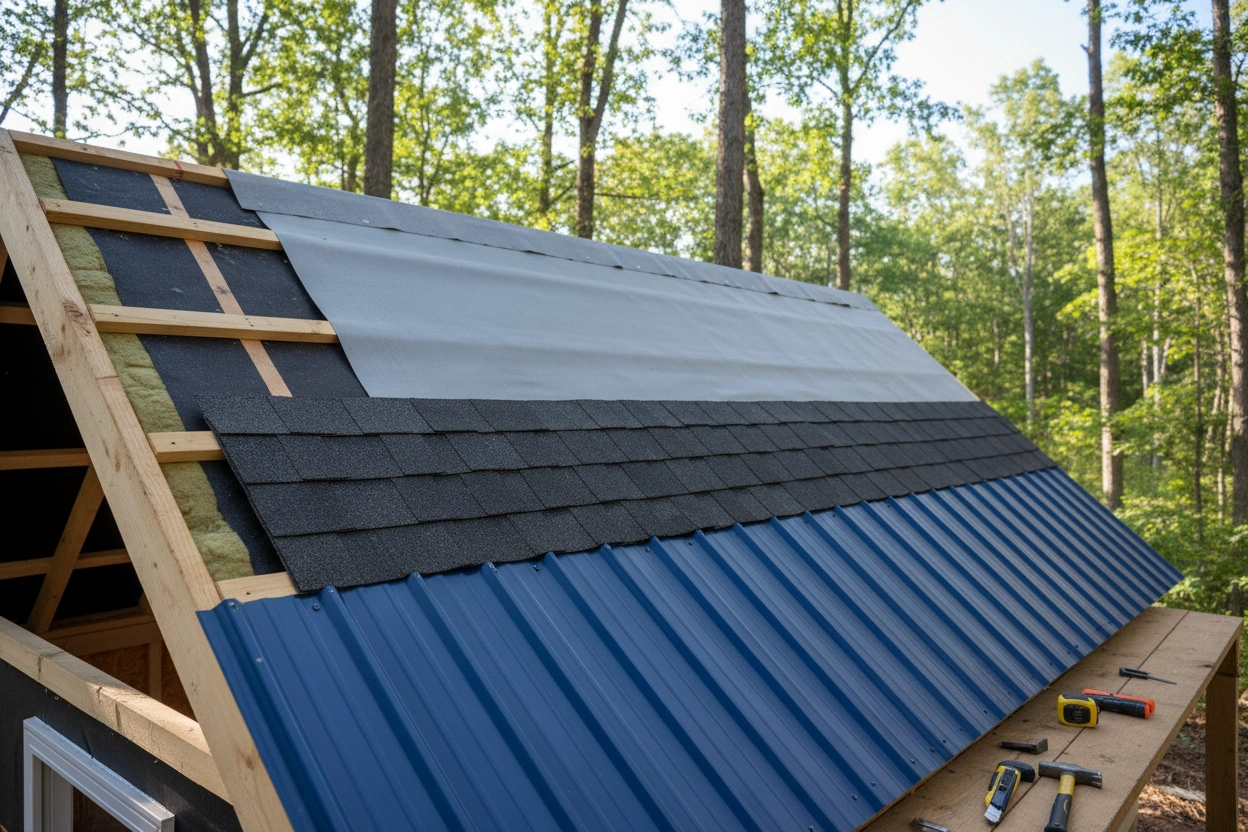
Choosing the appropriate roofing material is paramount in ensuring the longevity of your tiny house. The right material not only enhances the aesthetic appeal but also protects against weather conditions, reducing the risk of leaks and structural damage. Additionally, various materials come with different insulation properties, which can affect energy efficiency and comfort levels inside your tiny home.
When selecting roofing materials, consider factors such as climate, weight, cost, and maintenance requirements. Each of these elements will influence the overall performance of your tiny house roofing system.
Key Considerations for Installation
Before diving into the installation process, there are several considerations to keep in mind:
- Roof design: Understand the shape and slope of your roof, as this will impact the type of materials you can use.
- Local building codes: Ensure that you adhere to any regulations regarding roofing materials and construction practices in your area.
- Weight capacity: Tiny homes are often built on trailers, so it's essential to choose materials that won't exceed the weight limits of your foundation.
- Weather resistance: Depending on your location, you may need roofing materials that can withstand high winds, heavy snowfall, or intense heat.
By addressing these considerations, you can streamline the installation process and avoid common pitfalls.
Top Roofing Materials for Tiny Houses: Pros and Cons
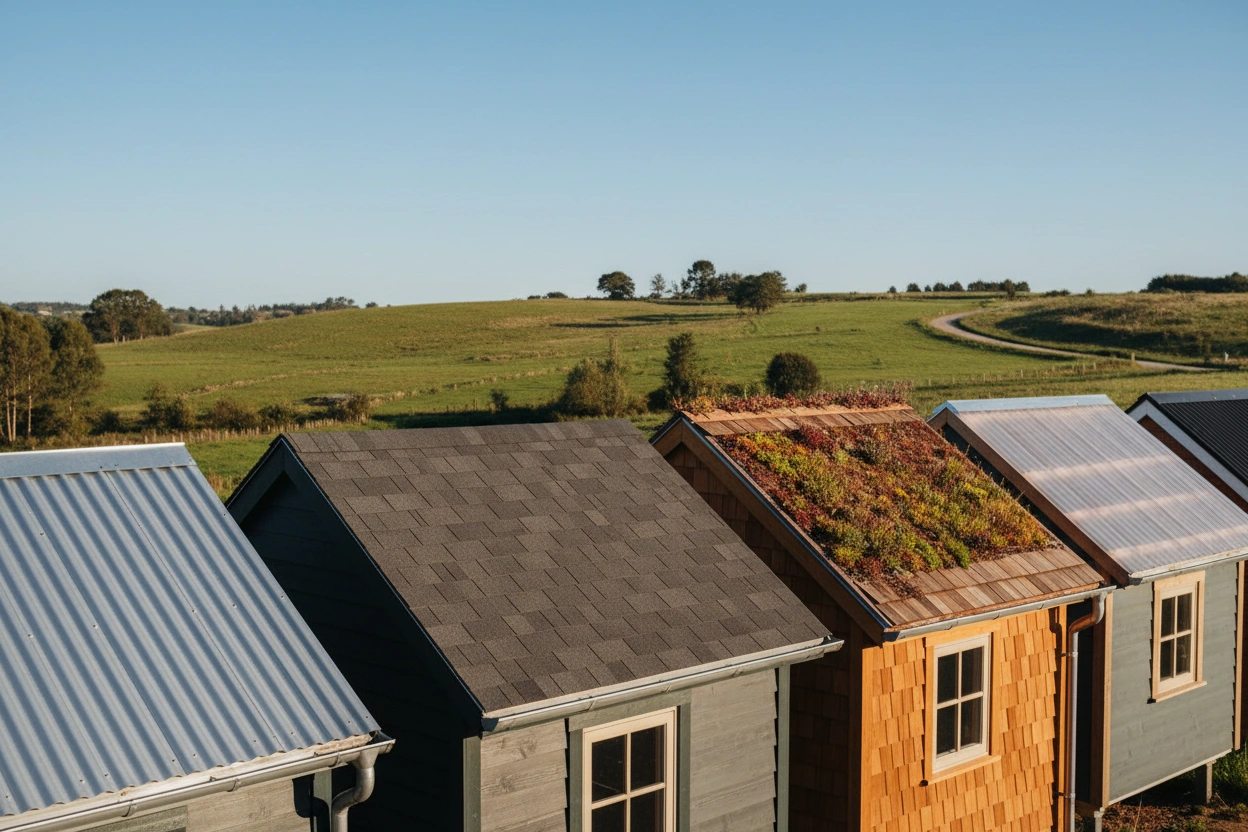
When it comes to tiny house roofing, several materials stand out for their durability, cost-effectiveness, and aesthetic appeal. Below are some of the best roofing materials for tiny houses, along with their respective pros and cons.
1. Metal Roofing
Metal roofing is a popular choice for tiny houses due to its durability and longevity. It is available in various styles, including corrugated panels and standing seam.
- Pros:
- Long-lasting and resistant to extreme weather conditions
- Lightweight, making it suitable for tiny homes
- Reflects sunlight, reducing cooling costs in warmer climates
- Cons:
- Higher initial cost compared to some other materials
- Can be noisy during rain or hail
2. Asphalt Shingles
Asphalt shingles are widely used in residential roofing and can be an affordable option for tiny homes. They come in various colors and styles, allowing for customization.
- Pros:
- Cost-effective and easy to install
- Available in a variety of styles and colors
- Good insulation properties
- Cons:
- Shorter lifespan compared to metal roofing
- Not as environmentally friendly due to petroleum-based materials
3. Wood Shingles and Shakes
Wood roofing materials, such as cedar shingles or shakes, offer a natural aesthetic that many tiny house owners appreciate.
- Pros:
- Attractive and blends well with natural surroundings
- Provides good insulation
- Cons:
- Requires regular maintenance and treatments to prevent rot and insect damage
- Higher upfront costs and more susceptible to fire
4. Rubber Roofing
Rubber roofing is an increasingly popular choice for tiny houses, especially for flat or low-slope roofs. It is made from recycled materials and offers excellent waterproofing.
- Pros:
- Highly durable and resistant to UV rays
- Environmentally friendly option
- Easy to repair if damaged
- Cons:
- Can be more expensive than traditional materials
- Limited aesthetic options
5. Thatch Roofing
Thatch roofing, made from natural materials like straw or reeds, is an eco-friendly option that provides excellent insulation.
- Pros:
- Sustainable and renewable material
- Provides good insulation and soundproofing
- Cons:
- Requires skilled labor for installation
- High maintenance needs and susceptibility to pests
Steps for Installing Tiny House Roofing
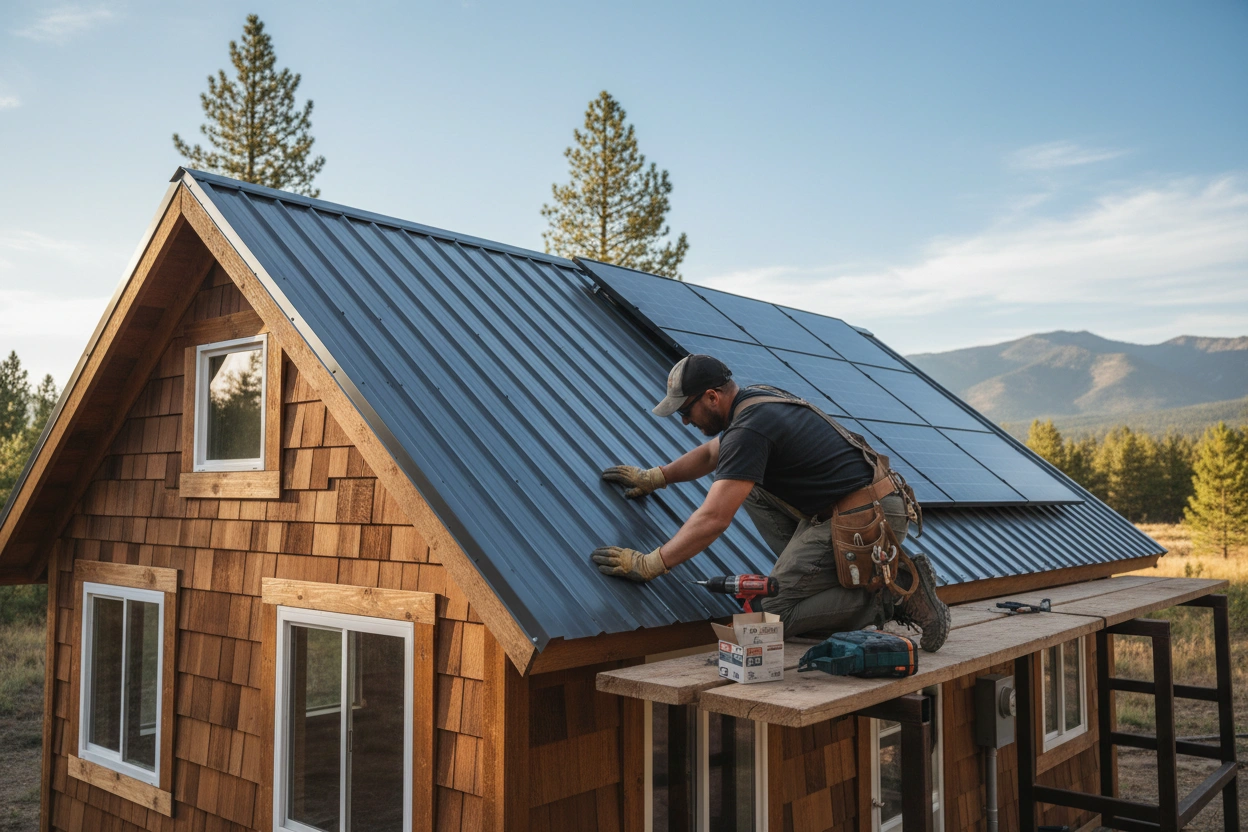
Installing tiny house roofing requires careful planning and execution. Follow these essential steps for a successful installation:
Choose your roofing material: Based on your preferences and local climate conditions, select the most suitable roofing material for your tiny home.
Prepare the roof structure: Ensure that the roof framing is sound and ready to support the chosen roofing material. This may involve reinforcing the framing or adding additional supports.
Install underlayment: Depending on the roofing material, you may need to install an underlayment for added protection against moisture. This is particularly important for materials like asphalt shingles.
Lay the roofing material: Start at the bottom of the roof and work your way up. For metal roofing, ensure that panels overlap correctly to prevent leaks. For shingles, follow the manufacturer's instructions for proper installation.
Seal and finish: After laying the roofing material, apply any necessary sealants around edges and penetrations, such as vents or chimneys, to ensure a watertight seal.
Inspect the installation: Once the roofing is complete, conduct a thorough inspection to check for any gaps or potential issues. Address any problems immediately to avoid future leaks.
Common Mistakes to Avoid When Installing Tiny House Roofing
Understanding common pitfalls can help you achieve a successful roofing installation. Here are some mistakes to avoid:
- Neglecting local building codes: Always verify and comply with local regulations to avoid fines or the need for costly modifications later.
- Choosing the wrong materials: Selecting materials unsuitable for your climate or structure can lead to premature failure. Research thoroughly before making a decision.
- Poor sealing: Failing to adequately seal penetrations can result in leaks. Ensure that all seams and edges are properly sealed during installation.
- Ignoring weight limits: Be mindful of the weight of your roofing materials, especially when building on a trailer. Overloading can compromise structural integrity.
Maintaining Your Tiny House Roof for Longevity
Proper maintenance is essential for prolonging the life of your tiny house roofing. Here are some tips to keep your roof in optimal condition:
- Regular inspections: Conduct inspections at least twice a year, looking for signs of damage, wear, or leaks.
- Clean gutters and downspouts: Ensure that gutters are free of debris to prevent water backup, which can lead to leaks or structural damage.
- Address damage promptly: If you notice any signs of damage, such as missing shingles or rust on metal roofs, address them immediately to prevent further issues.
- Trim overhanging branches: Overhanging branches can damage roofing materials during storms or heavy winds. Keep trees trimmed back to minimize risk.
The Path to Durable Tiny House Roofing
Selecting the right materials and understanding the installation process are vital for achieving durable tiny house roofing. By following best practices, avoiding common mistakes, and maintaining your roof, you can ensure that your tiny home remains safe and comfortable for years to come.
Expert Resources for Tiny House Roofing
If you're looking for additional guidance on tiny house roofing or other aspects of tiny home construction, consider visiting resources like TinyHouse.com. They offer valuable information and tools to help you on your tiny house journey.
Final Thoughts on Tiny House Roofing
Understanding the nuances of tiny house roofing is key to creating a lasting, safe, and comfortable living space. By applying the knowledge gained in this article, you can confidently tackle your roofing project and ensure that your tiny home stands the test of time.
For further assistance and resources, feel free to reach out to TinyHouse.com. Whether you're planning to build or buy your tiny home, TinyHouse.com can provide the insights and tools you need to succeed.
Contact TinyHouse.com today for more information on your tiny house journey.


.svg)
.jpg)
.jpg)