
How to Maintain and Repair Your Tiny House Roofing Like a Pro

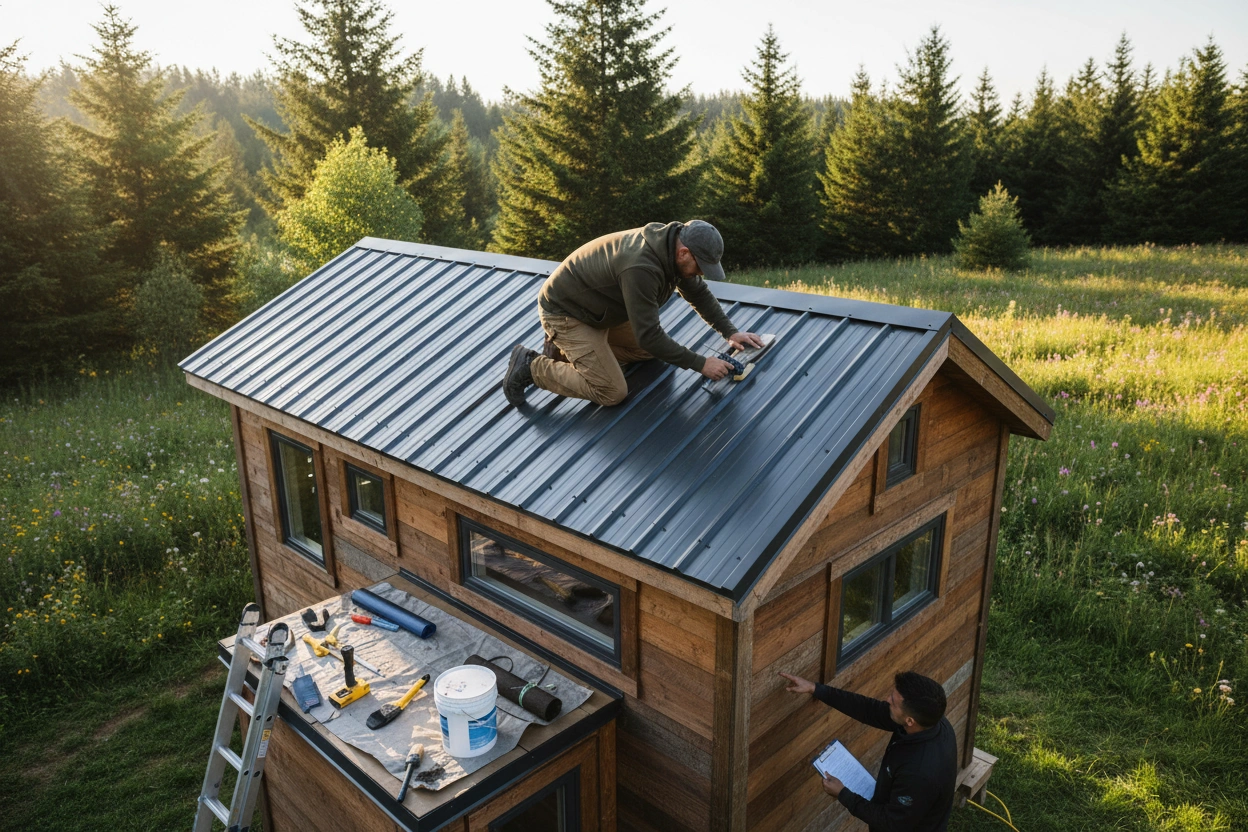
Maintaining and repairing your tiny house roofing is essential for ensuring the longevity and functionality of your home. A well-maintained roof protects against the elements and contributes to energy efficiency. With the rise in popularity of tiny homes, understanding the intricacies of tiny house roofing becomes increasingly important for homeowners. This article will guide you through essential maintenance practices, common repairs, and the best roofing materials for tiny houses, ensuring your tiny home remains a safe and comfortable sanctuary.
Essential Maintenance Practices for Tiny House Roofing
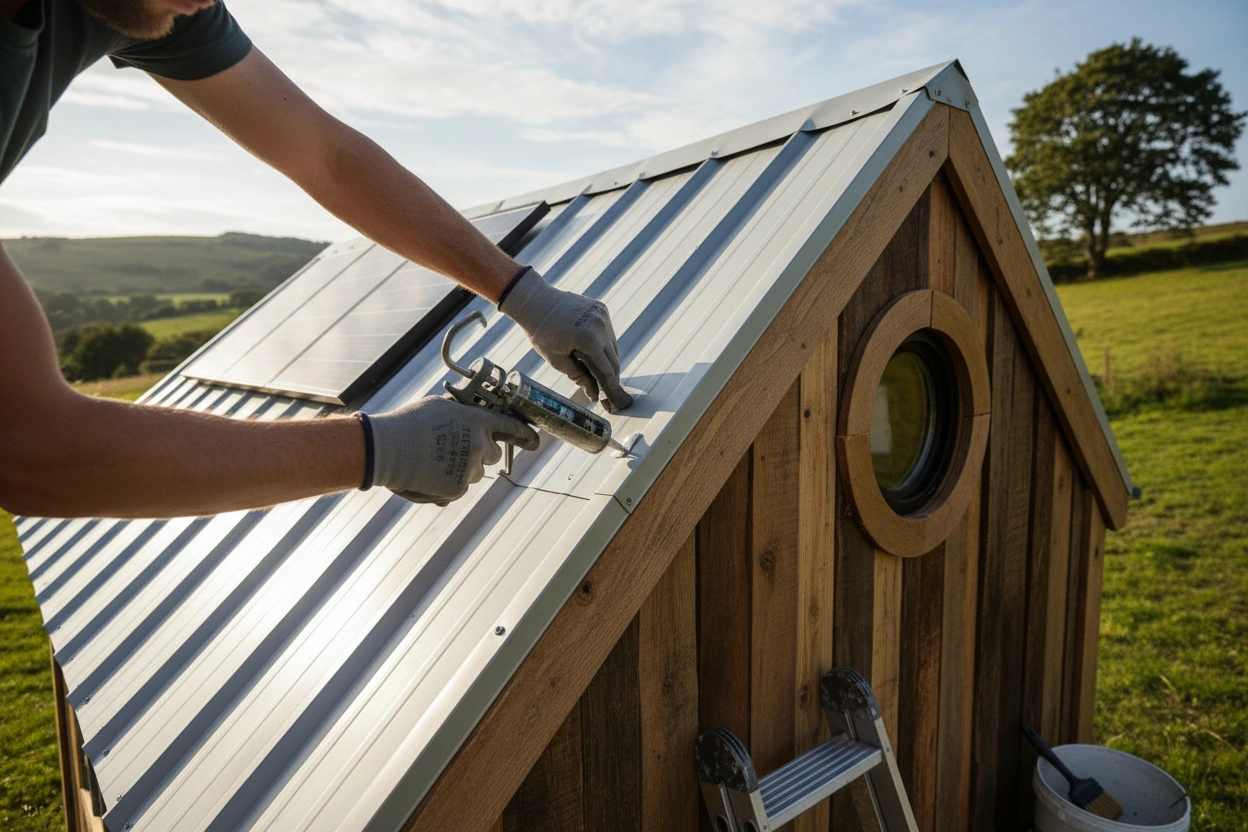
Maintaining your tiny house roof is not just about aesthetics; it directly affects the integrity of your home. Regular maintenance practices can prevent costly repairs down the line and extend the lifespan of your roofing materials. Here are key maintenance tasks to consider:
Regular Inspections
Inspecting your roof regularly is crucial. This should be done at least twice a year, ideally in the spring and fall. During inspections, look for:
- Missing or damaged shingles or panels
- Signs of leaks or water damage
- Accumulation of debris, such as leaves or branches
- Any signs of mold or mildew
Addressing these issues early can prevent more significant problems later on. Additionally, keep an eye out for the condition of the flashing around chimneys and vents, as this area is prone to leaks.
Cleaning Your Roof
Keeping your roof clean is vital for its longevity. Here are some cleaning tips:
- Use a soft-bristle broom to gently remove debris.
- For tougher stains or mold, consider using a mixture of water and vinegar or a specialized roof cleaner.
- Avoid using a pressure washer, as it can damage the roofing material.
Cleaning not only enhances the appearance of your roof but also prevents the growth of mold and algae, which can deteriorate roofing materials over time.
Gutter Maintenance
Gutters play a critical role in directing water away from your roof and foundation. Here’s how to maintain them effectively:
- Clean gutters regularly to prevent clogging.
- Check for any leaks or damage in the gutter system.
- Ensure downspouts direct water away from the foundation of your tiny home.
Proper gutter maintenance reduces the risk of water pooling on your roof, which can lead to leaks and structural damage.
Common Repairs for Tiny House Roofing
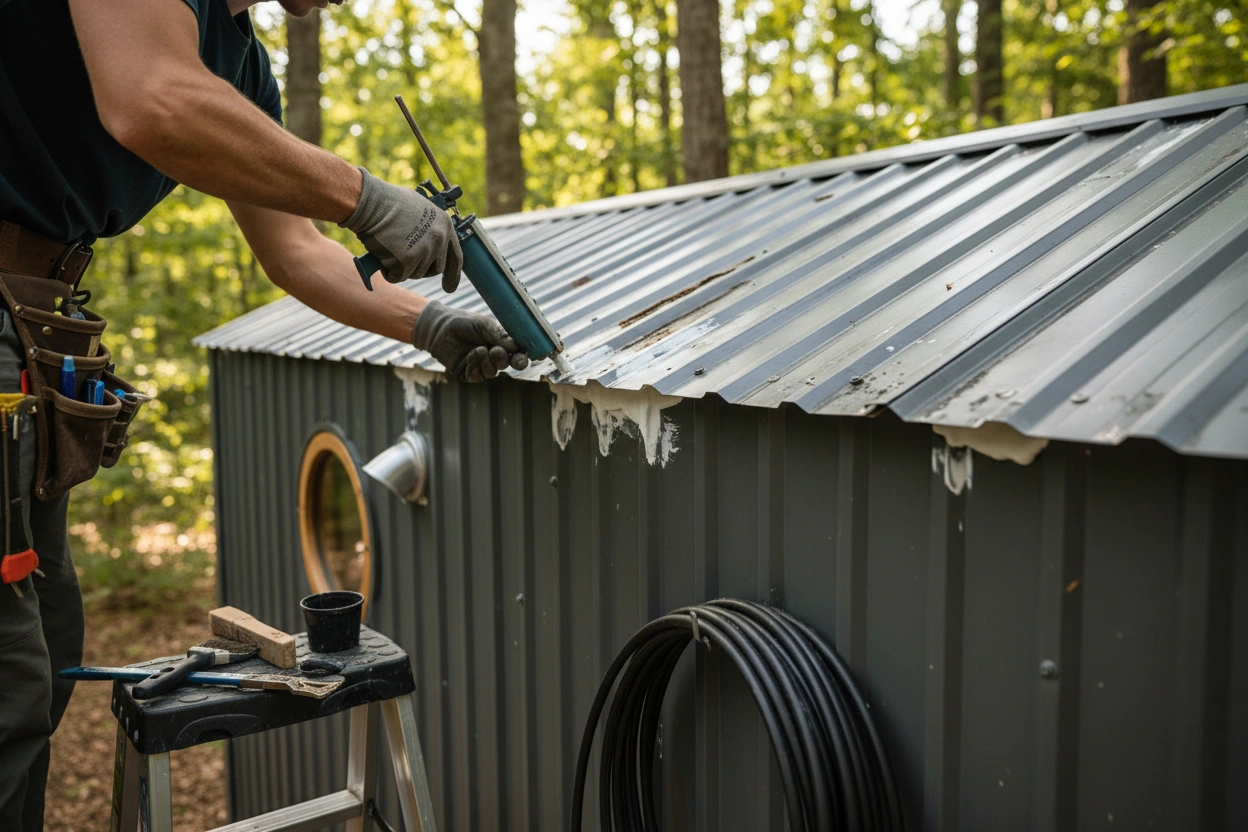
Despite regular maintenance, repairs may be necessary. Understanding common roofing issues can help you identify problems early and decide whether to DIY or call a professional.
Leaks
Leaks are one of the most common issues with tiny house roofing. They can occur due to:
- Damaged or missing shingles
- Poorly sealed seams
- Worn-out flashing
To repair a leak, locate the source and patch it using roofing cement or a similar product. If the damage is extensive, you might need to replace a section of the roofing material.
Damaged Shingles or Panels
Shingles or panels can be damaged by weather, falling debris, or age. Here’s how to handle this issue:
- Identify the damaged area.
- Remove the damaged shingle or panel carefully.
- Replace it with a new one, ensuring it matches the existing roofing material.
This repair can often be done by the homeowner if they are comfortable working on roofs. However, always prioritize safety by using proper equipment and taking necessary precautions.
Flashing Repairs
Flashing is essential for preventing leaks around chimneys, vents, and other protrusions. If you notice water stains inside your home, the flashing may need attention. Here’s how to repair it:
- Inspect the flashing for damage or gaps.
- Remove old sealant and clean the area.
- Apply new roofing cement or sealant to secure the flashing properly.
A well-maintained flashing system is critical for preventing water intrusion.
Top Roofing Materials for Tiny Houses: Pros and Cons
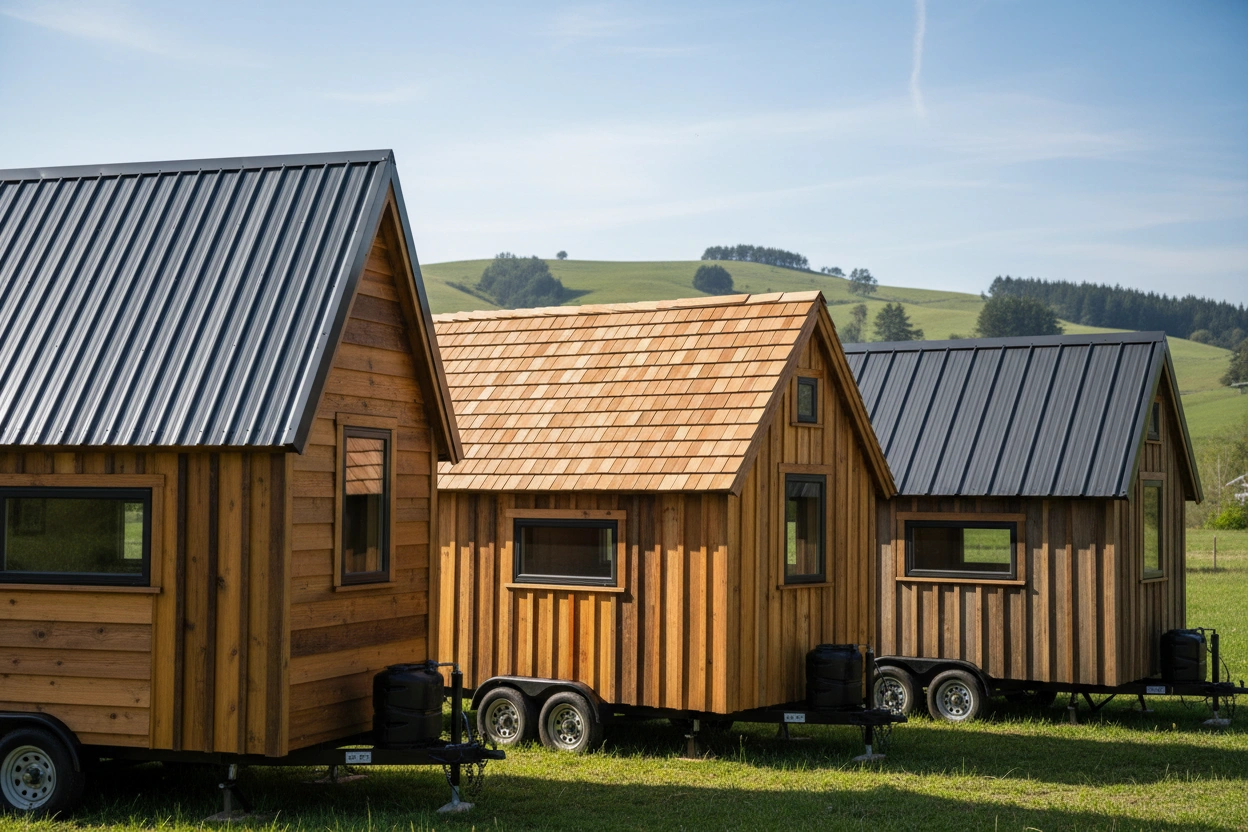
Choosing the right roofing material is a significant decision for tiny house owners. Each material has its benefits and drawbacks, which can affect maintenance needs and durability. Here’s a closer look at the best roofing materials for tiny houses.
Metal Roofing
Metal roofing is a popular choice due to its durability and longevity.
Pros:
- Long lifespan (up to 50 years)
- Resistant to extreme weather conditions
- Lightweight and easy to install
Cons:
- Higher initial cost
- Can be noisy during rain or hail
Asphalt Shingles
Asphalt shingles are a traditional roofing option that many tiny house owners consider.
Pros:
- Cost-effective and widely available
- Easy to install and repair
- Variety of styles and colors
Cons:
- Shorter lifespan (15-30 years)
- Can be susceptible to wind damage
TPO Roofing
Thermoplastic Polyolefin (TPO) is a single-ply roofing membrane that is gaining popularity for tiny homes.
Pros:
- Energy-efficient and environmentally friendly
- Resistant to UV rays and punctures
- Lightweight and easy to install
Cons:
- Requires professional installation
- Can be prone to seam separation over time
Wood Shakes
Wood shakes provide a rustic aesthetic that appeals to many tiny house owners.
Pros:
- Attractive appearance
- Good insulation properties
Cons:
- Requires regular maintenance to prevent rot
- Higher fire risk without proper treatment
Slate Roofing
Slate is a premium roofing material known for its beauty and longevity.
Pros:
- Extremely durable (up to 100 years)
- Naturally fire-resistant
Cons:
- Very heavy and requires proper structural support
- Expensive and challenging to install
Choosing the right roofing material depends on your budget, aesthetic preferences, and how much maintenance you're willing to undertake. Each option has unique characteristics that can significantly impact your tiny home's performance. Energy efficiency tips can also guide your decision.
Common Misconceptions About Tiny House Roofing
Understanding tiny house roofing also involves dispelling common myths that can lead to poor decision-making. Here are a few misconceptions:
All Roofing Materials Are the Same
Many believe that roofing materials are interchangeable, but this is far from true. Each material has specific characteristics, maintenance needs, and lifespans. For example, while asphalt shingles are cost-effective, they may not last as long as metal roofing.
Tiny Houses Don’t Need Quality Roofing
Some may assume that because tiny houses are smaller, they don’t require high-quality roofing. This misconception can lead to severe issues down the line. A tiny house is still a home that needs protection from the elements, and investing in quality roofing is essential.
DIY Repairs Are Always Safe
While many repairs can be handled by homeowners, some require professional expertise. For instance, issues related to structural integrity or extensive water damage should be addressed by a professional to ensure safety and compliance with local building codes.
The Intersection of Tiny House Roofing and Maintenance
Maintaining your tiny house roofing is an ongoing process that requires diligence and care. By adhering to regular maintenance schedules, understanding common repairs, and selecting the right roofing materials, you can safeguard your tiny home against the elements. TinyHouse.com is here to assist you in your tiny living journey, providing resources and information to help you make informed decisions about your roofing needs.
If you want to learn more about tiny house roofing and how to maintain it effectively, visit TinyHouse.com for expert guidance and resources tailored to your needs. Whether you are planning your tiny home or looking to enhance your current setup, TinyHouse.com is your go-to source for all things tiny living. Contact TinyHouse.com today to explore more about maintaining and repairing your tiny house roofing like a pro.


.svg)
.jpg)
.jpg)
.jpg)
.jpg)