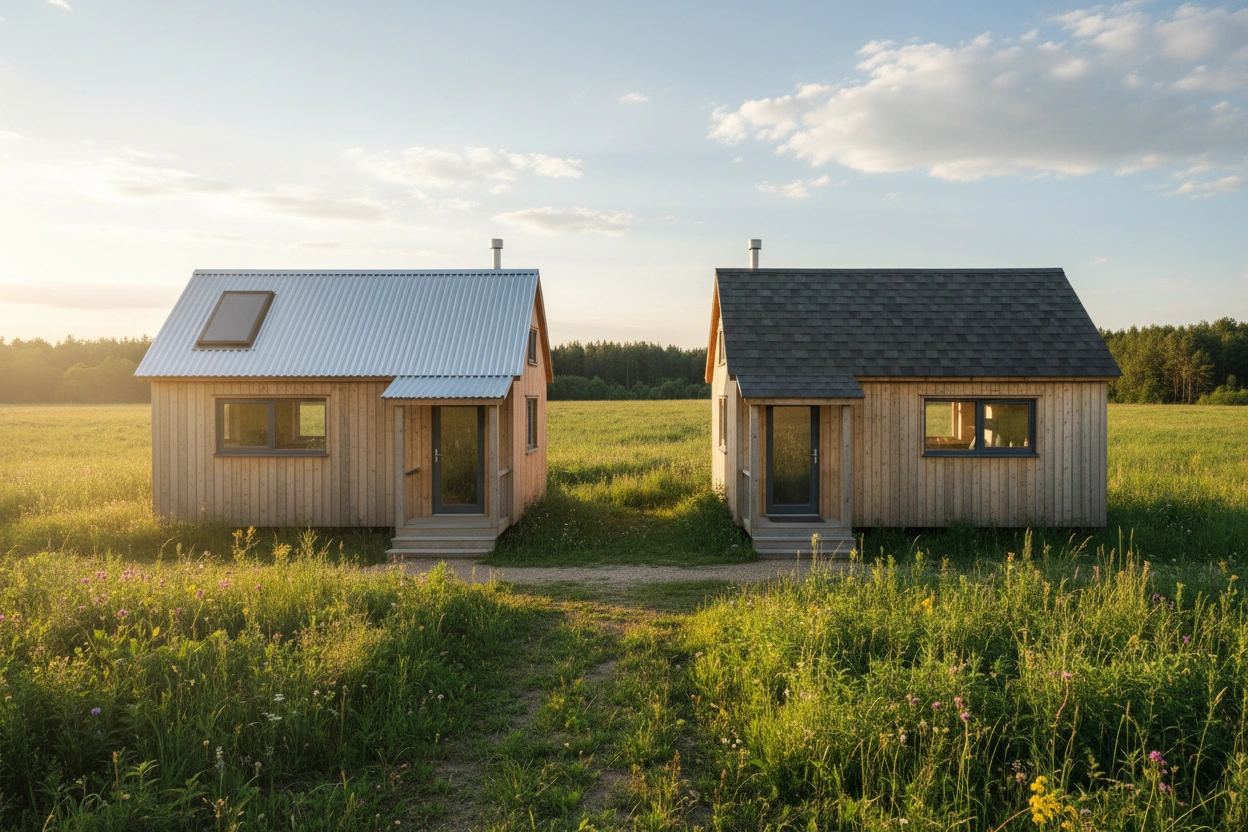
How to Insulate Your Tiny House Roofing for Maximum Comfort

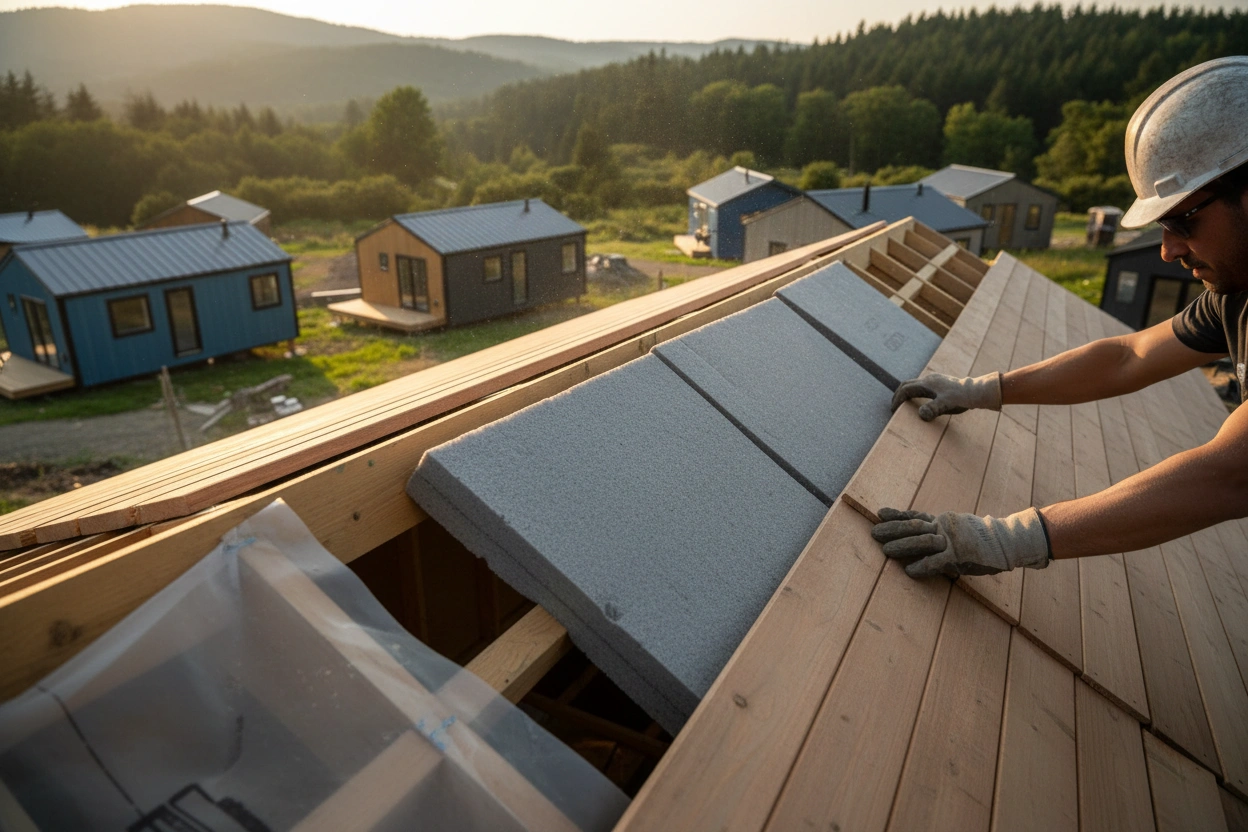
When it comes to tiny house living, maximizing comfort while minimizing costs is essential. One of the most significant aspects of achieving this balance lies in how you insulate your tiny house roofing. Proper insulation not only helps regulate temperature but also enhances energy efficiency, making your small living space feel more like home. In this article, we will cover the best roofing materials for tiny houses, the pros and cons of each, and provide actionable insights for effective insulation.
Understanding Tiny House Roofing
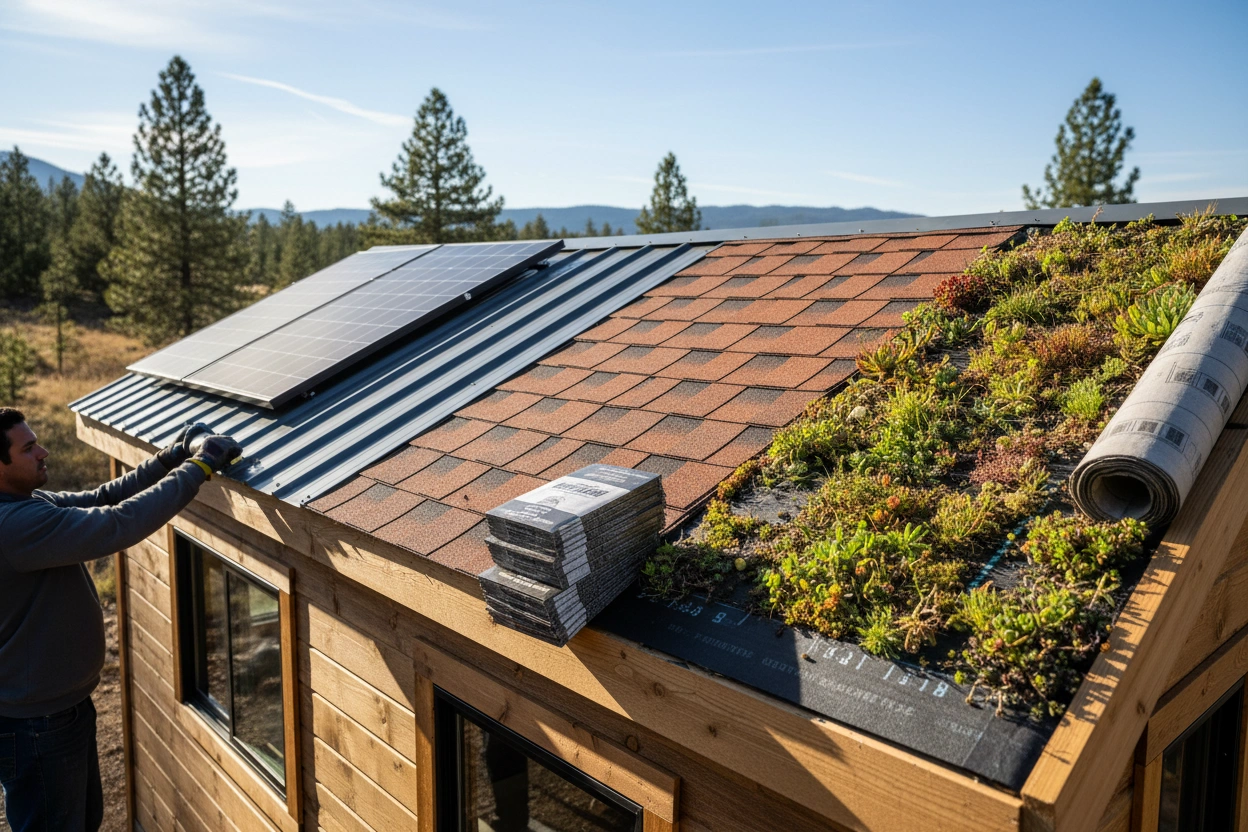
Tiny house roofing serves as a critical barrier against the elements, impacting everything from energy efficiency to structural integrity. Given the compact nature of tiny homes, the roofing system must be carefully designed to ensure maximum insulation and durability. This is especially important as many tiny homes are built on wheels or foundations that may not provide the same level of insulation as traditional homes.
When selecting materials for tiny house roofing, consider both the climate in which you live and the specific insulation needs of your tiny home. The right roofing material can significantly affect your home's comfort and energy costs, making it essential to choose wisely. For more information, check out best tiny house roofing for any climate.
Benefits of Proper Insulation
- Energy Efficiency: Good insulation minimizes heat loss in winter and keeps your home cooler in summer, reducing reliance on heating and cooling systems.
- Comfort: Properly insulated roofing helps maintain a consistent indoor temperature, providing a more comfortable living environment year-round.
- Noise Reduction: Insulation also serves as a sound barrier, helping to reduce outside noise, which is especially beneficial in urban or busy areas.
Top Roofing Materials for Tiny Houses: Pros and Cons

Choosing the right roofing material is vital for both insulation and durability. Here are some of the top options available for tiny house roofing, along with their advantages and disadvantages.
1. Metal Roofing
Pros:
- Long lifespan (up to 50 years)
- Lightweight and easy to install
- Reflects sunlight, reducing heat absorption
- Available in various colors and styles
Cons:
- Can be noisy during rain or hail
- Higher initial cost compared to some other materials
- Requires proper insulation underneath to prevent condensation
Metal roofing is a popular choice for tiny homes due to its longevity and energy efficiency. However, it is essential to pair it with adequate insulation to mitigate noise and condensation issues.
2. Asphalt Shingles
Pros:
- Cost-effective and widely available
- Easy to install and repair
- Variety of colors and styles
Cons:
- Shorter lifespan (15-30 years)
- Less energy-efficient than metal
- Can be prone to mold and algae growth in humid climates
Asphalt shingles are often chosen for their affordability and ease of installation. However, homeowners must consider their lifespan and potential energy efficiency drawbacks.
3. Rubber Roofing
Pros:
- Highly durable and resistant to extreme weather
- Good insulation properties
- Environmentally friendly option
Cons:
- More expensive upfront
- Installation can be complex
- May not be as aesthetically pleasing as other options
Rubber roofing is gaining popularity for its durability and insulation properties. While it may require a higher initial investment, its long-term benefits can outweigh the costs.
4. Wood Shakes
Pros:
- Natural aesthetic appeal
- Good insulation properties
- Environmentally friendly if sourced sustainably
Cons:
- Requires regular maintenance and treatment
- Shorter lifespan (20-30 years)
- Susceptible to fire and pest damage
Wood shakes provide a rustic charm to tiny homes, but they require more upkeep than synthetic materials. It's crucial to consider the maintenance aspect when opting for this roofing type.
5. TPO (Thermoplastic Olefin) Roofing
Pros:
- Lightweight and easy to install
- Excellent energy efficiency
- Resistant to UV rays and chemicals
Cons:
- Can be prone to punctures
- Needs proper installation to ensure longevity
- Limited color options
TPO roofing is an excellent choice for those looking for energy efficiency and a lightweight solution. However, careful installation is essential to avoid potential issues down the road.
Insulation Techniques for Tiny House Roofing
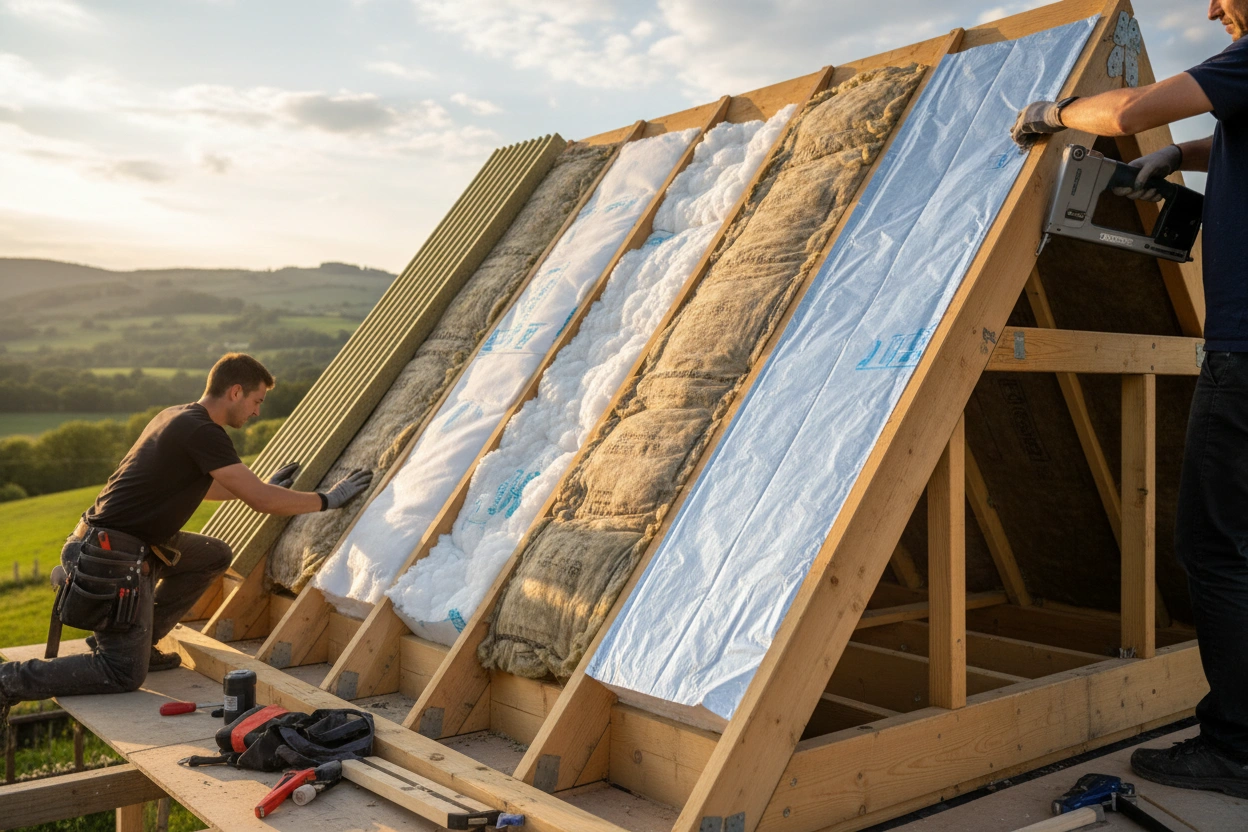
Once you have chosen the appropriate roofing material, the next step is to focus on insulation techniques that will enhance your tiny house's comfort. Here are some effective methods to insulate your tiny house roofing:
1. Spray Foam Insulation
Spray foam insulation is a popular choice due to its high R-value and ability to fill gaps and cracks effectively. This method expands upon application, creating an airtight seal that minimizes heat transfer.
- Benefits:
- Excellent thermal performance
- Reduces air leaks
- Provides soundproofing qualities
2. Rigid Foam Board Insulation
Rigid foam board insulation offers a high R-value per inch and is easy to install. It can be used in conjunction with various roofing materials to enhance overall insulation.
- Benefits:
- Lightweight and moisture-resistant
- Easy to cut and shape
- Effective in preventing thermal bridging
3. Fiberglass Batts
Fiberglass batts are a traditional insulation material that is relatively inexpensive and easy to install. They come in pre-cut sizes and can fit between roof rafters effectively.
- Benefits:
- Cost-effective
- Non-combustible
- Good sound absorption
4. Reflective Radiant Barrier
A reflective radiant barrier can be installed beneath your roofing material to reflect heat away from your home. This is particularly useful in hot climates where keeping your tiny house cool is a priority.
- Benefits:
- Reduces cooling costs
- Easy to install
- Works well in combination with other insulation types
Common Mistakes to Avoid
When insulating your tiny house roofing, several common mistakes can lead to inadequate insulation and increased energy costs. Here are some pitfalls to avoid:
Neglecting Air Sealing: Before adding insulation, ensure that all gaps and cracks are sealed. Failing to do so can lead to air leaks that compromise the effectiveness of your insulation.
Overlooking Ventilation: Proper ventilation is essential to prevent moisture buildup in the roofing system, which can lead to mold and structural damage. Ensure adequate airflow to maintain a healthy environment.
Choosing Inadequate Materials: Not all insulation materials are created equal. Be sure to select materials with appropriate R-values for your climate to ensure optimal performance.
The Role of TinyHouse.com in Your Tiny House Journey
Choosing the right roofing material and insulation method for your tiny house roofing is a crucial step in achieving comfort and efficiency. By understanding the various options available and avoiding common mistakes, you can create a welcoming and functional living space.
For those interested in exploring more about tiny house living, TinyHouse.com offers a wealth of resources and guidance tailored to your needs. Whether you’re looking for advice on construction, design, or materials, TinyHouse.com provides the information necessary to help you navigate your tiny house journey.
Maximize Your Tiny House Comfort with TinyHouse.com
By focusing on effective insulation techniques and selecting the best roofing materials for tiny houses, you can ensure a comfortable living environment year-round. For more expert advice and resources, visit TinyHouse.com. Contact TinyHouse.com today to start your journey toward a cozy and efficient tiny home.


.svg)