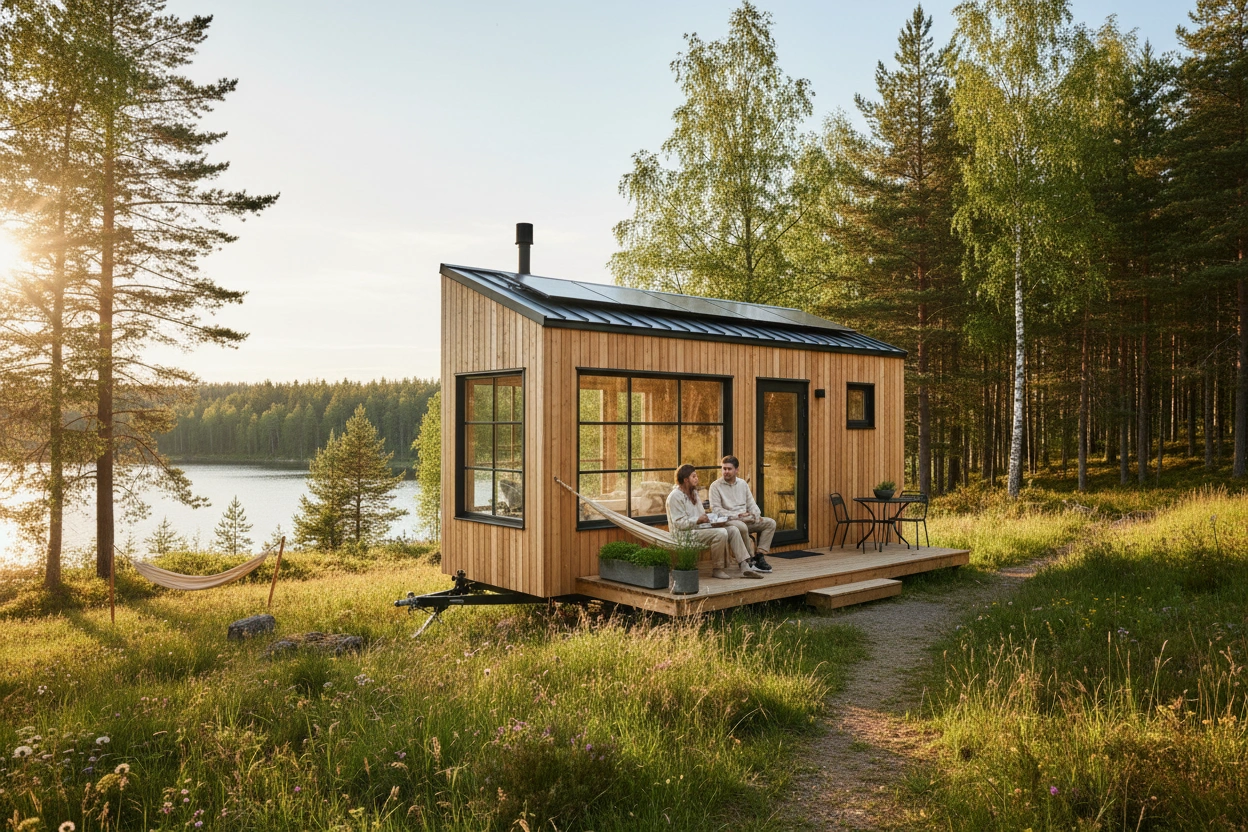
Eco-Friendly Tiny House Roofing: Green Solutions Explained

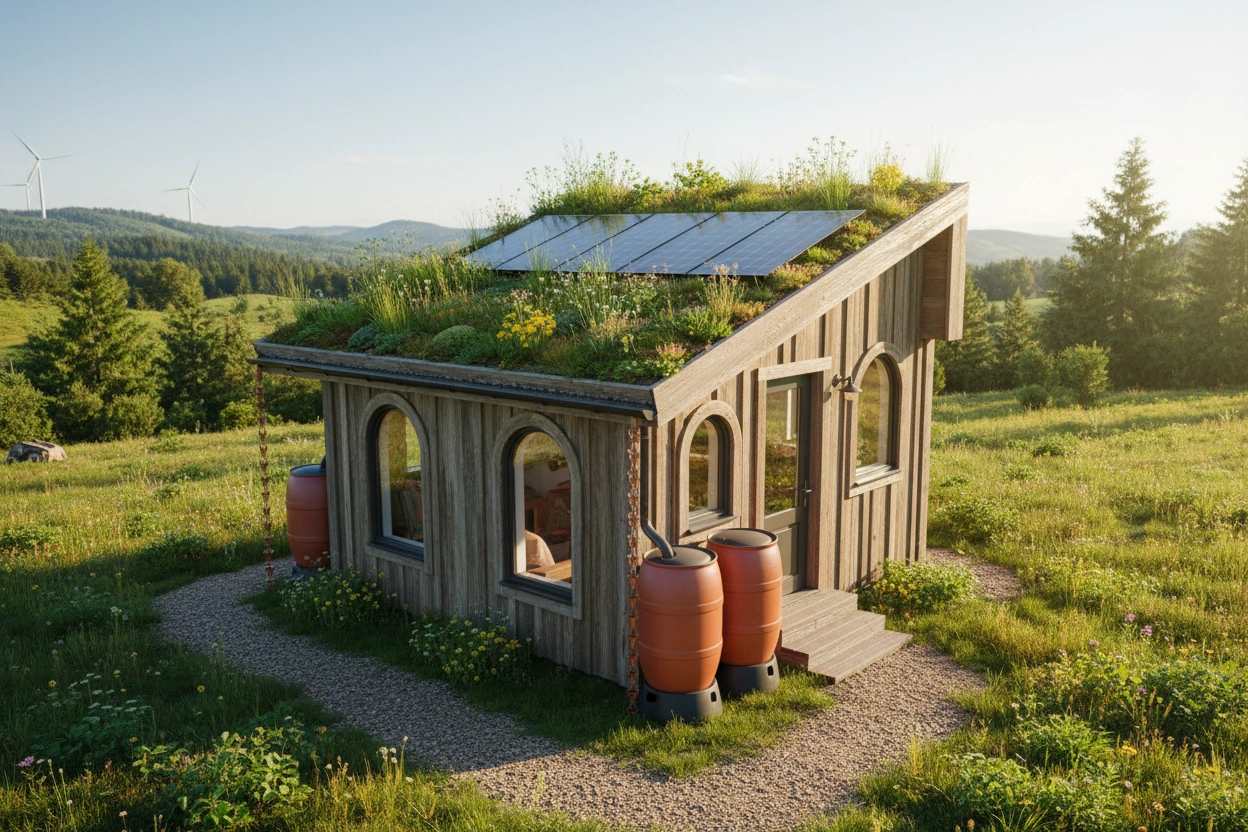
The tiny house movement has gained momentum as more people embrace minimalism and sustainable living. One of the essential aspects of building a tiny home is selecting the right roofing material. Tiny house roofing not only protects your investment but also contributes to the overall environmental footprint of your home. In this article, we will discuss eco-friendly roofing solutions specifically designed for tiny houses, focusing on the best roofing materials for tiny houses, their pros and cons, and how to make the best choice for your needs.
Understanding the Importance of Roofing in Tiny Houses
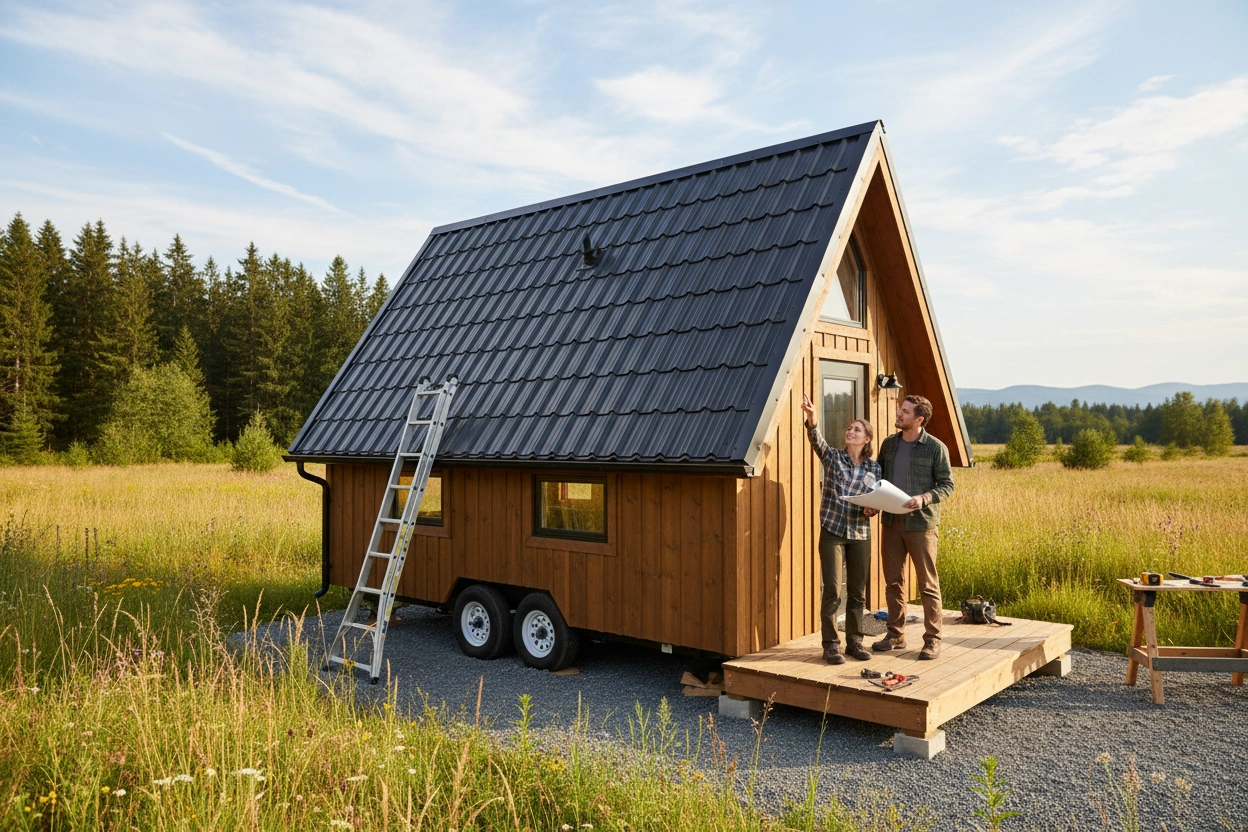
Tiny houses are often built on trailers or foundations, and their roofs play a critical role in protecting the structure from the elements. A well-designed roof can improve energy efficiency, enhance aesthetic appeal, and ensure long-term durability. Given the limited space and resources in a tiny house, choosing the right roofing material is crucial.
The roofing material you select impacts not only the longevity of your tiny house but also its environmental impact. Best roofing materials for tiny houses can reduce energy consumption and contribute to a smaller carbon footprint. For aspiring homeowners looking to integrate sustainability into their living spaces, understanding the options available is essential.
The Role of Sustainability in Tiny House Roofing
Sustainable roofing materials offer numerous benefits, including energy efficiency, durability, and aesthetic appeal. As more individuals prioritize eco-friendly living, it is essential to consider how roofing choices align with these values.
Energy Efficiency: Many eco-friendly roofing materials reflect sunlight, reducing heat absorption and lowering cooling costs. This is particularly important for tiny houses, which often have limited space for additional cooling systems.
Renewable Resources: Opting for materials derived from renewable resources can significantly reduce your ecological footprint. These materials often require less energy to produce and can be recycled or repurposed at the end of their lifespan.
Longevity: Sustainable roofing materials tend to last longer than traditional options, resulting in fewer replacements and less waste over time.
By prioritizing eco-friendly roofing solutions, tiny house owners can contribute to a more sustainable future while enjoying the benefits of a well-constructed home.
Top Roofing Materials for Tiny Houses: Pros and Cons
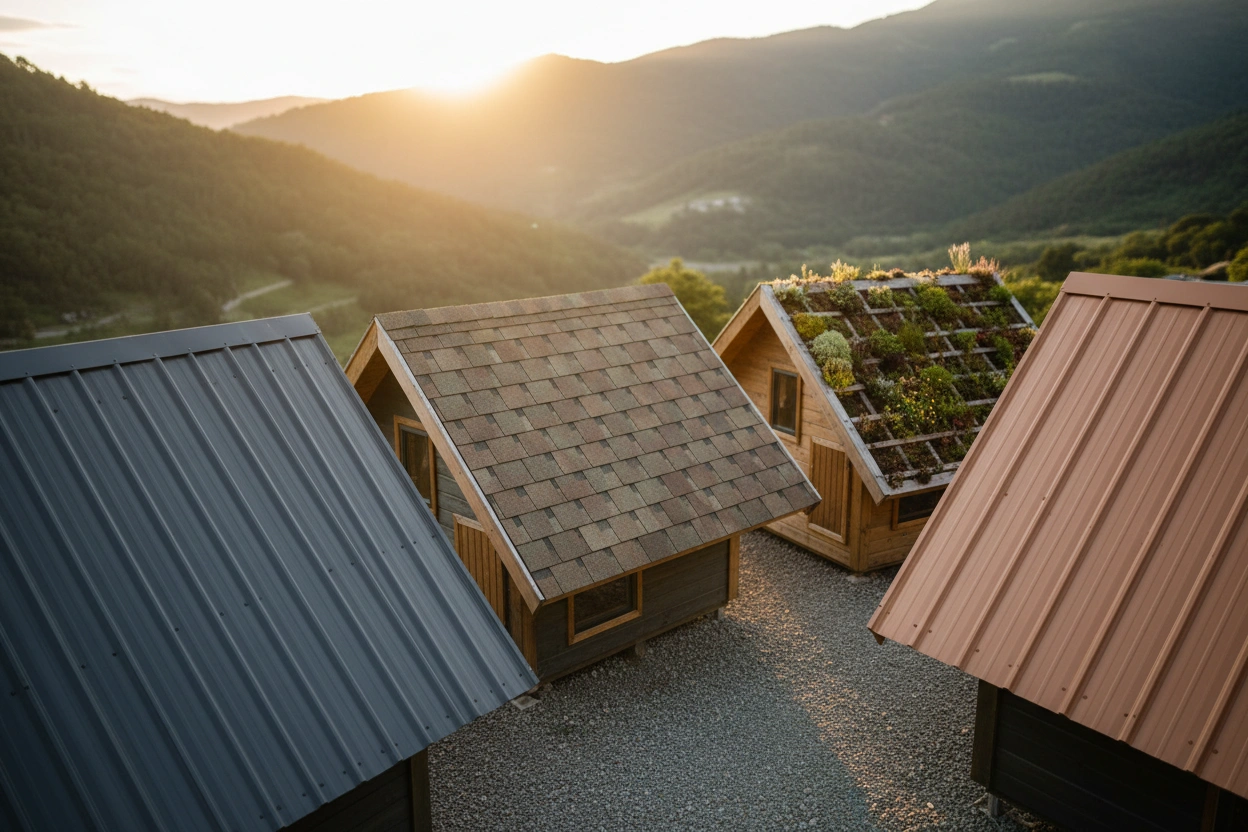
When it comes to tiny house roofing, several materials stand out as eco-friendly options. Each has its own advantages and drawbacks that homeowners should consider before making a decision. Below are some of the top roofing materials suitable for tiny houses, along with their respective pros and cons.
1. Metal Roofing
Metal roofing is a popular choice for tiny houses due to its durability and energy efficiency.
Pros:
- Long-lasting: Metal roofs can last up to 50 years or more with proper maintenance.
- Energy-efficient: Reflects sunlight, reducing heat absorption.
- Lightweight: Ideal for tiny houses on trailers.
Cons:
- Higher initial cost compared to traditional roofing materials.
- Can be noisy during rain or hail unless soundproofed.
2. Green Roofs
A green roof involves planting vegetation on top of a waterproof membrane, creating a living roof that offers insulation and aesthetic benefits.
Pros:
- Insulation: Provides natural insulation, reducing heating and cooling costs.
- Biodiversity: Supports local ecosystems and can improve air quality.
- Aesthetic appeal: Adds a unique look to the tiny house.
Cons:
- Requires maintenance and irrigation to keep plants healthy.
- Heavier than traditional roofs, which may require additional structural support.
3. Recycled Shingles
Recycled asphalt shingles are made from post-consumer materials, making them an eco-friendly choice.
Pros:
- Cost-effective: Generally more affordable than new shingles.
- Variety of styles: Available in various colors and designs to match the aesthetic of the tiny house.
Cons:
- Shorter lifespan compared to metal or tile roofs, typically lasting around 20 years.
- May require more frequent repairs.
4. Clay or Concrete Tiles
Clay and concrete tiles are durable options that offer excellent insulation properties.
Pros:
- Long-lasting: Can last over 50 years with proper care.
- Fire-resistant: Ideal for areas prone to wildfires.
Cons:
- Heavier than other roofing options, which may require additional support.
- Higher installation costs compared to asphalt shingles.
5. Thatch Roofing
Thatch roofing is made from dried plant materials, such as straw or reeds, providing a rustic look.
Pros:
- Sustainable: Made from natural materials and can be sourced locally.
- Insulating: Provides good thermal insulation.
Cons:
- Requires regular maintenance to prevent decay and pest issues.
- Not suitable for all climates, particularly those with heavy rainfall.
Choosing the Right Tiny House Roofing Material
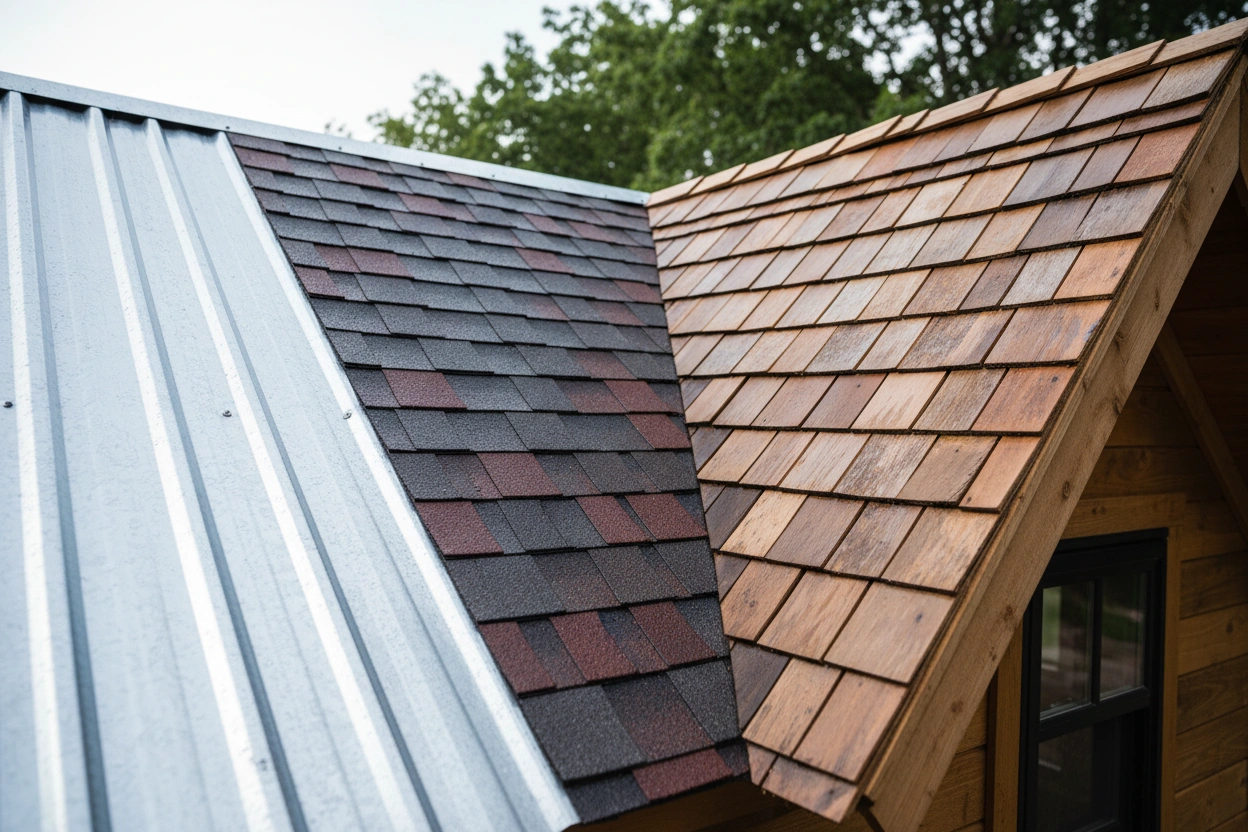
Selecting the best roofing material for your tiny house requires careful consideration of several factors, including climate, budget, and aesthetic preferences. Here are some steps to guide you in making the right choice:
Assess Your Climate: Consider the weather conditions in your area. If you live in a region with heavy rainfall, a durable material like metal or concrete tiles may be preferable. In contrast, if you reside in a warmer climate, reflective materials like metal or green roofs can help keep your home cool.
Evaluate Your Budget: Determine how much you are willing to spend on roofing materials. While some eco-friendly options may have a higher upfront cost, they can save you money in the long run through energy efficiency and durability.
Consider Aesthetics: Think about how the roofing material will fit into the overall design of your tiny house. Different materials offer various styles and colors, so choose one that complements your vision.
Research Local Regulations: Before selecting a roofing material, check local building codes and regulations. Some materials may have specific requirements that need to be met.
Consult with Professionals: If you are unsure about the best choice for your tiny house, consider consulting with roofing professionals who specialize in eco-friendly materials. They can provide insights and recommendations tailored to your specific needs.
Common Mistakes to Avoid When Choosing Tiny House Roofing
When selecting roofing for a tiny house, certain pitfalls can lead to costly mistakes. Here are some common errors to avoid:
Neglecting Climate Considerations: Failing to account for local weather conditions can result in poor performance and increased maintenance costs. Always choose materials suited to your climate.
Overlooking Weight Restrictions: Tiny houses often have weight limits, especially those built on trailers. Ensure that the roofing material you select does not exceed these limits.
Ignoring Installation Requirements: Some roofing materials require specialized installation techniques. Ensure you understand the requirements before making your selection to avoid complications during installation.
Underestimating Maintenance Needs: Different roofing materials come with varying maintenance requirements. Choose a material that aligns with your willingness and ability to maintain it.
By avoiding these mistakes, you can ensure that your tiny house roofing choice is both practical and sustainable.
The Future of Tiny House Roofing
As the tiny house movement continues to grow, innovations in roofing materials and techniques are likely to emerge. Advances in sustainable technology may provide even more options for eco-friendly roofing solutions. Homeowners can expect to see developments in solar roofing, which integrates photovoltaic cells into roofing materials, allowing tiny houses to harness renewable energy directly from their roofs.
Additionally, as more builders and manufacturers recognize the demand for sustainable materials, prices may decrease, making eco-friendly options more accessible to a broader audience. This shift will further align the tiny house movement with environmental sustainability, allowing homeowners to create spaces that reflect their values.
The Intersection of Eco-Friendly Choices and Tiny House Living
Tiny house roofing plays a significant role in the overall sustainability of your home. By selecting the right materials and considering the environmental impact of your choices, you can contribute to a greener future while enjoying the benefits of tiny living.
TinyHouse.com is dedicated to providing resources and guidance for aspiring tiny house owners who wish to make informed decisions about their homes. Whether you're looking for affordable tiny house roofing solutions or tips for building your tiny home, we have the information you need.
For further assistance in your tiny house journey, visit TinyHouse.com, where you can find valuable insights and support tailored to your needs. Embrace the freedom of tiny living while making choices that benefit both you and the planet.


.svg)
.jpg)