How to Make Renovation Choices You Won’t Regret in Two Years

Renovations are exciting, but they also come with a unique kind of pressure. Decisions that feel right in the moment—a trendy finish, a bold layout change, or a budget shortcut—can become sources of regret once the novelty wears off. Two years later, many homeowners find themselves wishing they had slowed down, researched more, or prioritized differently.
Making renovation choices you won’t regret isn’t about playing it safe or stripping away personality. It’s about understanding how decisions hold up over time, both functionally and emotionally. The goal is to create a home—and outdoor space—that still feels comfortable, practical, and satisfying long after the project is finished.
Think in Terms of Daily Life, Not Reveal-Day Excitement
One of the most common causes of renovation regret is designing for the “before and after” moment instead of everyday living. A space can photograph beautifully but feel awkward or impractical during normal routines. Before committing to any decision, imagine an average weekday rather than a special occasion.
Renovations that support daily habits tend to age better than those driven primarily by visual impact.
Planning Garden and Outdoor Renovations That Age Well
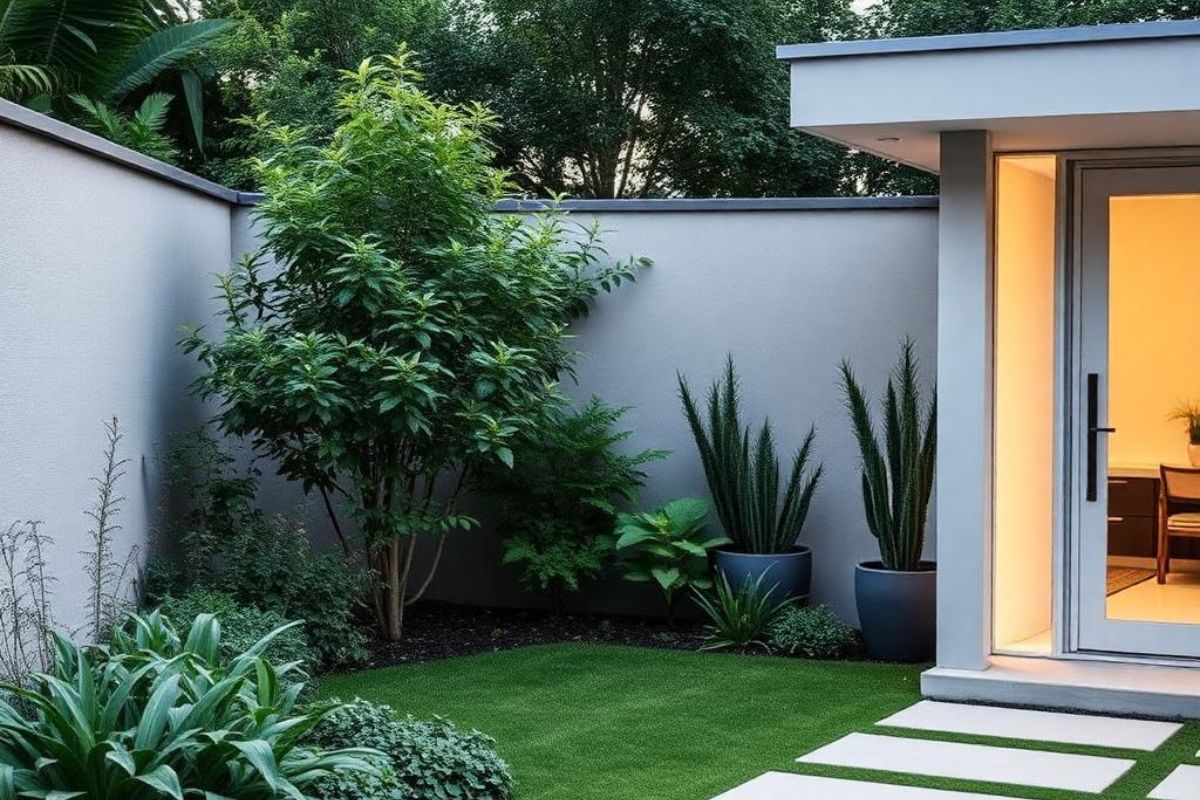
Outdoor spaces are especially prone to regret when planning focuses on trends rather than longevity. Materials that look great in the first season may weather poorly, become difficult to maintain, or feel mismatched with how the space is actually used. When planning patios, pathways, decks, or garden features, many homeowners turn to practical sourcing guidance such as this garden advice homenumental to better understand how outdoor materials perform over time and how to choose options that balance durability, maintenance, and appearance. Approaching garden and exterior upgrades with this long-term perspective helps ensure outdoor renovations remain enjoyable rather than burdensome a few years down the line.
Outdoor areas benefit from the same thoughtful planning as interiors—sometimes even more so.
.jpg)
Be Cautious With Trends—Especially Permanent Ones
Trends can be tempting, particularly in landscaping and exterior design, where bold materials and layouts often dominate inspiration content. However, permanent features such as hardscaping, built-in planters, or fixed structures are expensive to change once installed.
Using classic materials and layouts for permanent elements allows you to experiment with trends through plants, furniture, and décor that can be refreshed easily.
Renovation Lessons That Matter Even More in Tiny Houses
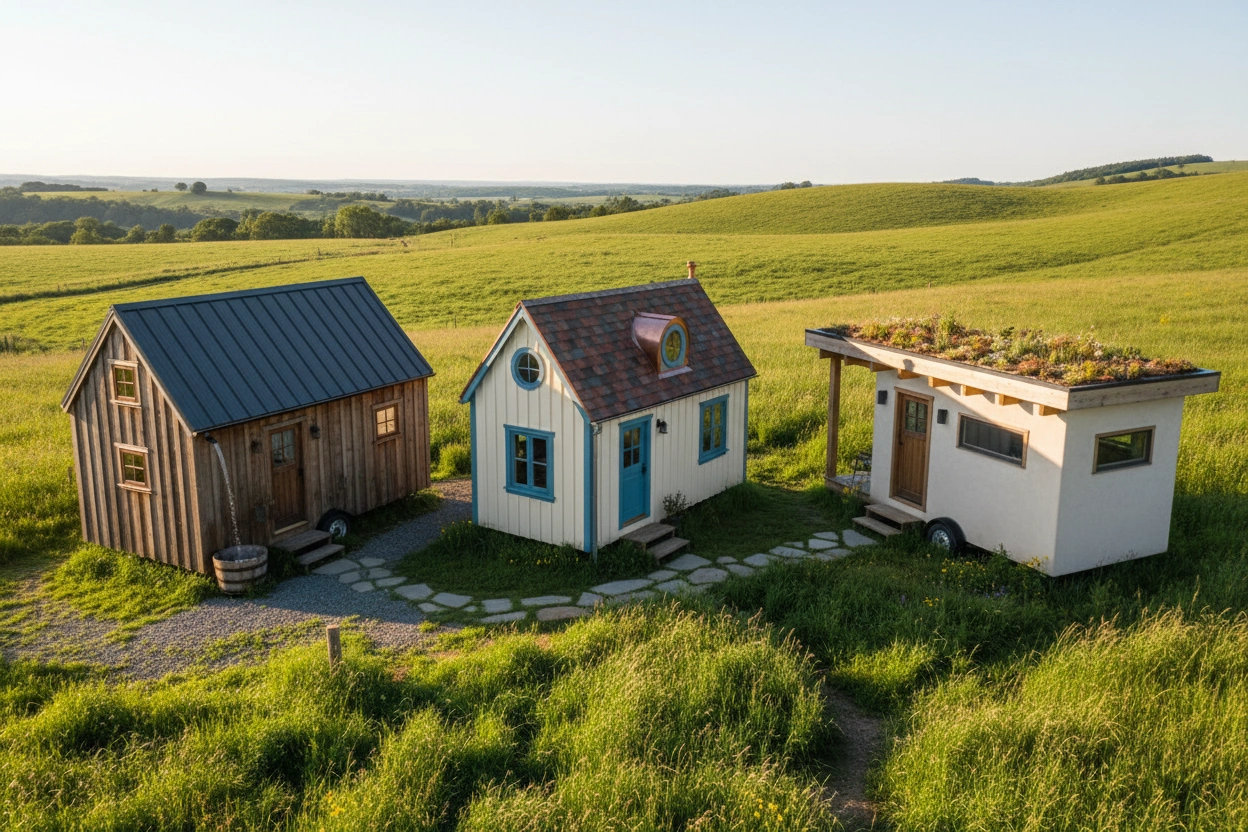
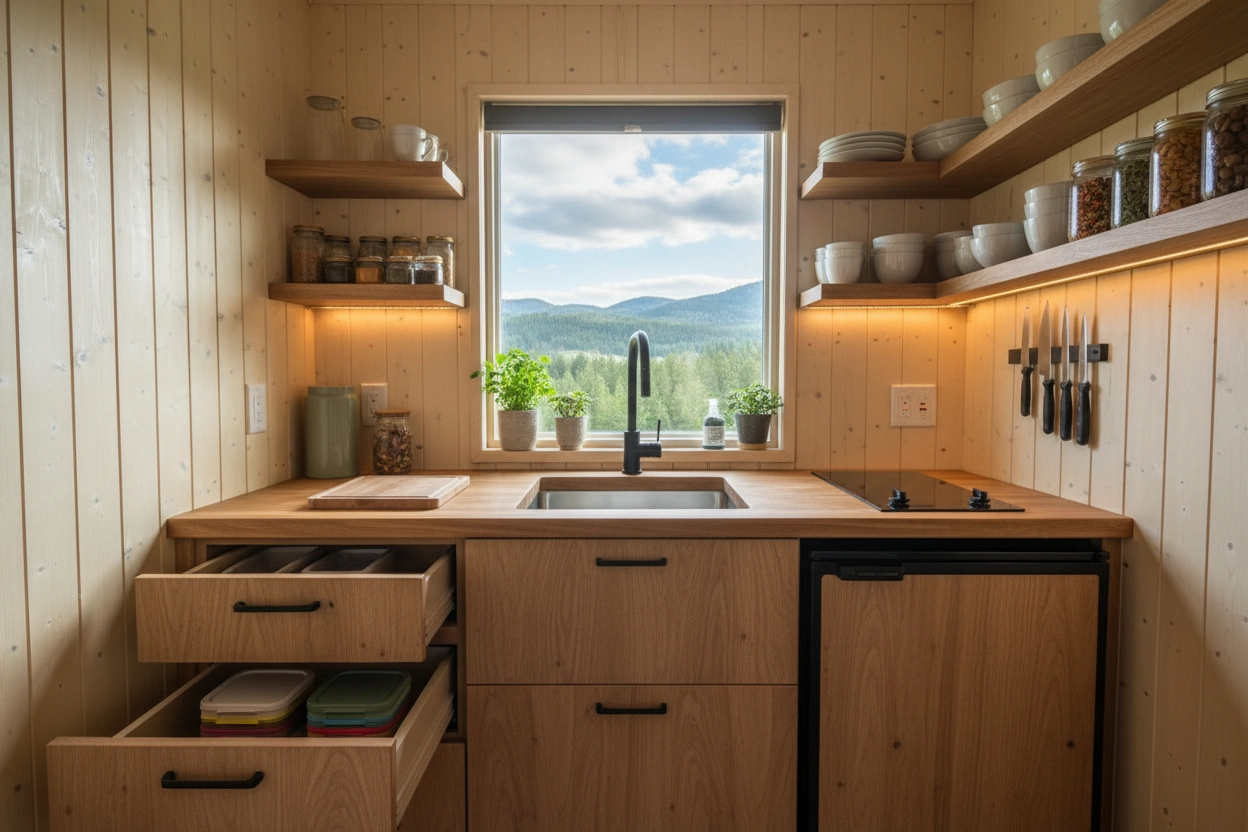
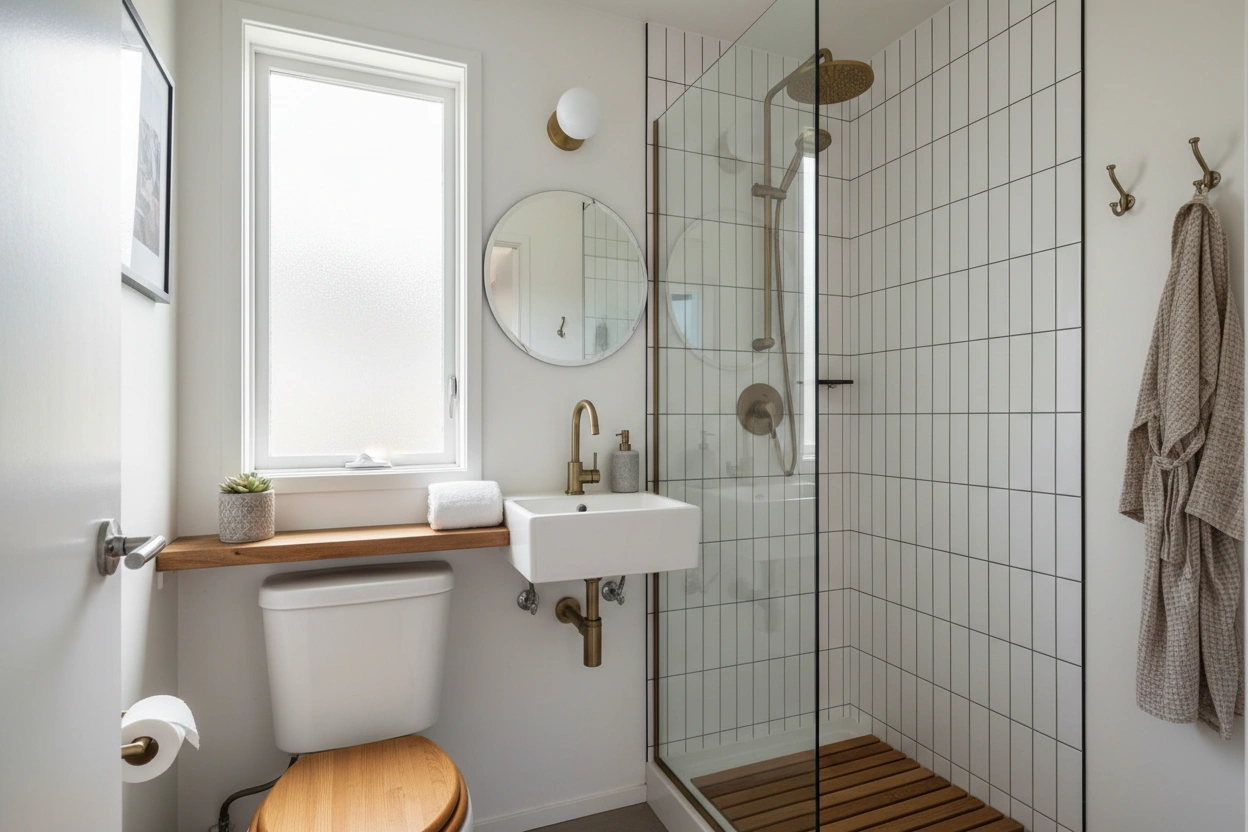
Renovation decisions become even more critical in tiny houses, where every square foot has a purpose. In small spaces, mistakes are amplified—an impractical layout, oversized fixture, or poorly chosen material can affect daily comfort far more than in a larger home. Tiny house renovations should prioritize multi-functionality, smart storage, and flexible design. Choices that save space while supporting daily routines—such as built-in seating with storage or fold-away furniture—tend to hold up better over time than visually striking but space-consuming features.
Avoid Rushing Decisions Under Budget Pressure
Budget constraints often push homeowners toward quick decisions that seem practical in the moment. However, rushing material or layout choices to save time or money frequently leads to regret later. If budget is the main driver of the pressure, it's worth exploring home improvement loans near me as a way to give yourself more breathing room — spreading the cost can make it easier to choose the right materials rather than just the most affordable ones available right now.
Long-Term Comfort Over Novelty in Small Living Spaces
Tiny house renovations often attract bold ideas, from ultra-modern finishes to experimental layouts. While these concepts may feel exciting initially, they can quickly become limiting if they don’t support long-term living. Comfort, ease of movement, and adaptability matter more than novelty in compact homes. Neutral finishes, durable materials, and simple layouts allow tiny houses to evolve as needs change—whether that means working from home, hosting guests, or accommodating lifestyle shifts.
Outdoor Extensions as Functional Living Space
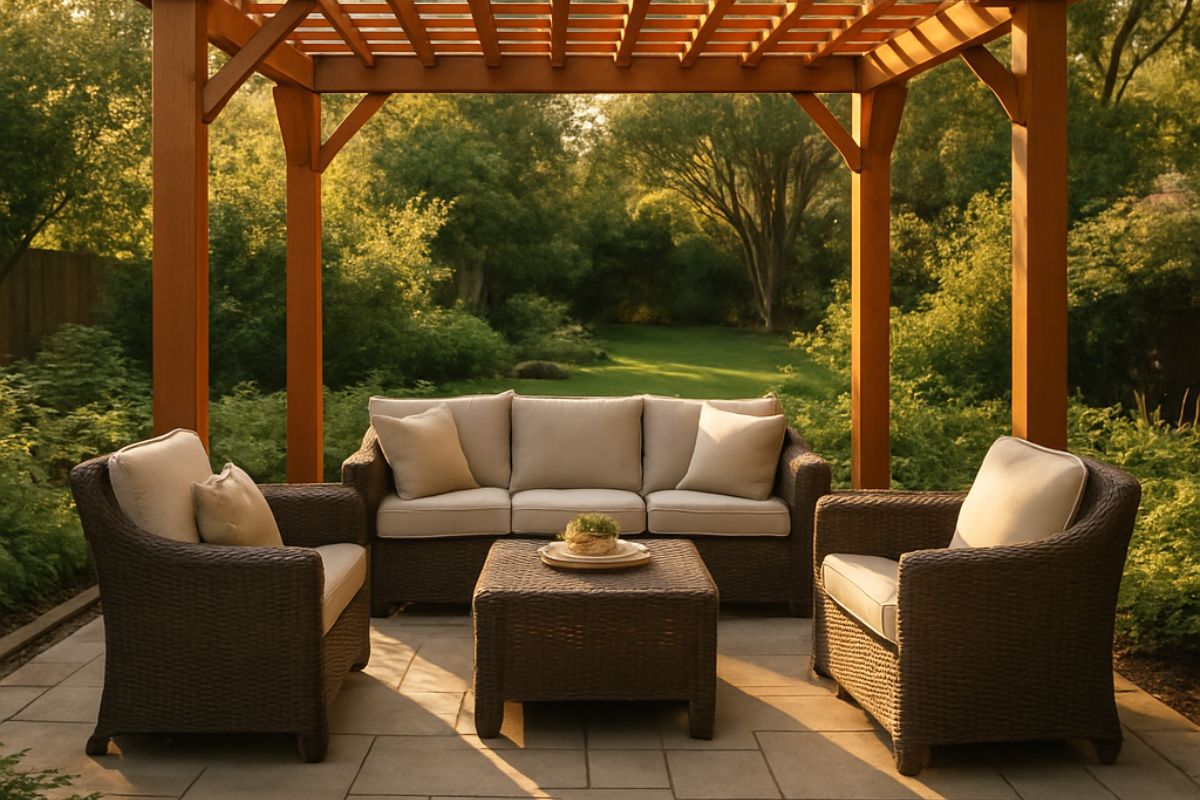
For tiny houses, outdoor areas often act as extensions of interior living space. Thoughtful garden and patio planning can reduce pressure on indoor square footage and significantly improve long-term satisfaction. Covered decks, functional pathways, and low-maintenance landscaping provide usable space without increasing the home’s footprint. Renovating these outdoor areas with durability and usability in mind helps tiny homeowners avoid regret while creating flexible environments that grow with their lifestyle.
Choose Materials You’ll Actually Want to Maintain
Maintenance expectations play a major role in long-term satisfaction. Some outdoor materials require frequent sealing, cleaning, or seasonal care. Others weather naturally with minimal intervention.
There’s no wrong choice—only mismatched expectations. A material that looks beautiful but demands constant upkeep may become a source of regret if it doesn’t align with your lifestyle or available time.
Prioritize Function Before Aesthetics
Whether indoors or outdoors, function should guide design decisions. A patio that looks stunning but lacks shade, drainage, or comfortable circulation won’t get used as intended. Similarly, a garden layout that prioritizes appearance over access can make routine care frustrating.
Designing around how spaces will actually be used helps prevent frustration once the initial excitement fades.
Test Ideas Before Committing Fully
When possible, test renovation ideas in low-risk ways. Try temporary layouts, mock materials, or small-scale changes before committing to permanent installations. This approach allows you to experience how choices feel over time rather than relying solely on inspiration images.
Testing reduces uncertainty and builds confidence in final decisions.
Balance Personal Taste With Future Flexibility
Renovations should reflect personal taste, but overly specific choices can limit future flexibility. Neutral foundations make it easier to adapt spaces as needs change—whether that’s a growing family, changing hobbies, or eventual resale.
This balance helps renovations remain relevant beyond current preferences.
Avoid Rushing Decisions Under Budget Pressure
Budget constraints often push homeowners toward quick decisions that seem practical in the moment. However, rushing material or layout choices to save time or money frequently leads to regret later.
Slowing down—even briefly—to evaluate alternatives can prevent costly revisions down the road.
Renovate for Longevity, Not Perfection
No renovation will be perfect forever. Materials will age, styles will evolve, and needs will change. The goal isn’t to eliminate change—it’s to choose options that adapt well and remain functional as life shifts.
Renovations that accommodate change tend to feel better long-term than those designed for a single moment in time.
Making renovation choices you won’t regret in two years comes down to patience, perspective, and practicality. By planning with long-term use in mind—especially for garden and outdoor spaces—homeowners can create environments that continue to feel comfortable, usable, and enjoyable well beyond the initial reveal.


.svg)