
How to Organize a Tiny House Kitchen with Minimalist Concepts

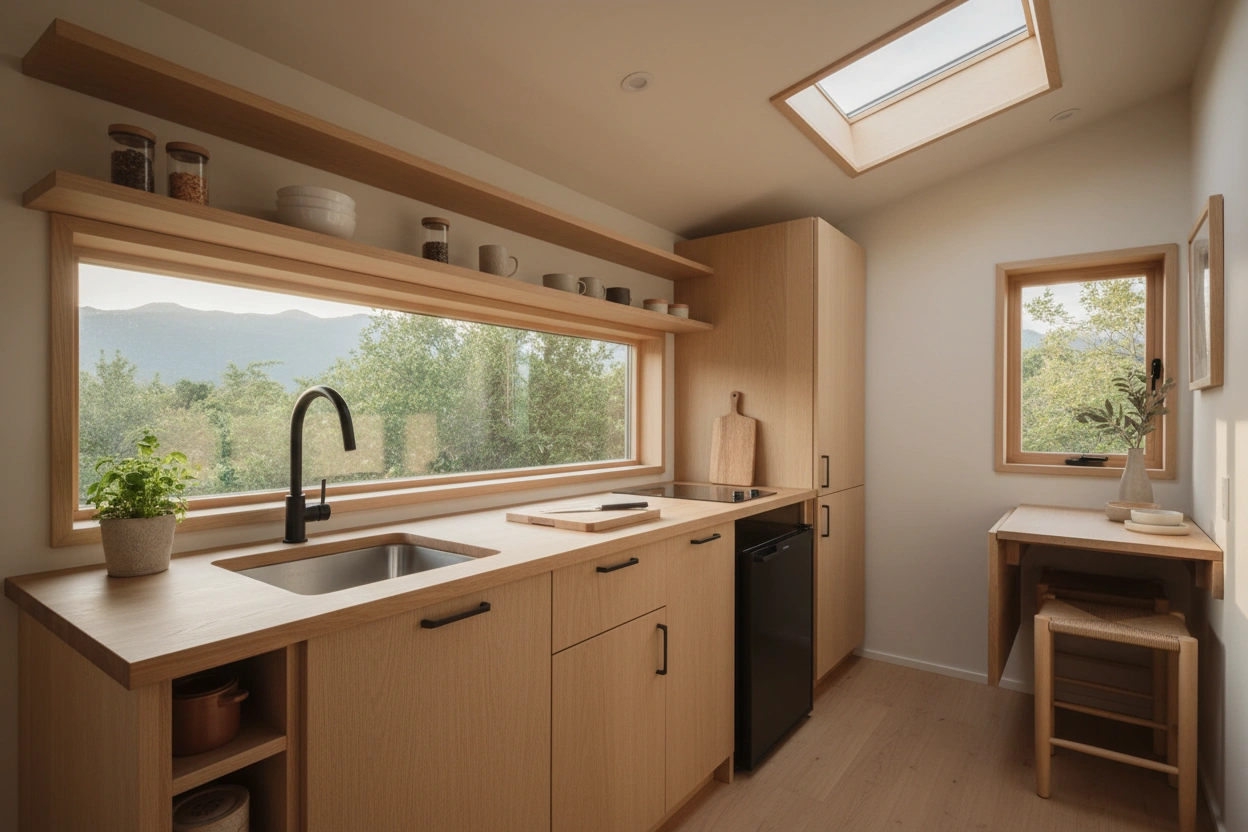
Creating a functional and aesthetically pleasing kitchen in a tiny house can be a rewarding yet challenging task. The tiny house kitchen requires thoughtful planning and clever design strategies to maximize space while maintaining a minimalist approach. By embracing minimalism, you can create a kitchen that not only looks great but also serves your cooking and entertaining needs efficiently. In this article, we will explore essential strategies for organizing a tiny house kitchen, along with a list of top space-saving appliances that can transform your small space kitchen design.
Understanding the Principles of Minimalism in a Tiny House Kitchen
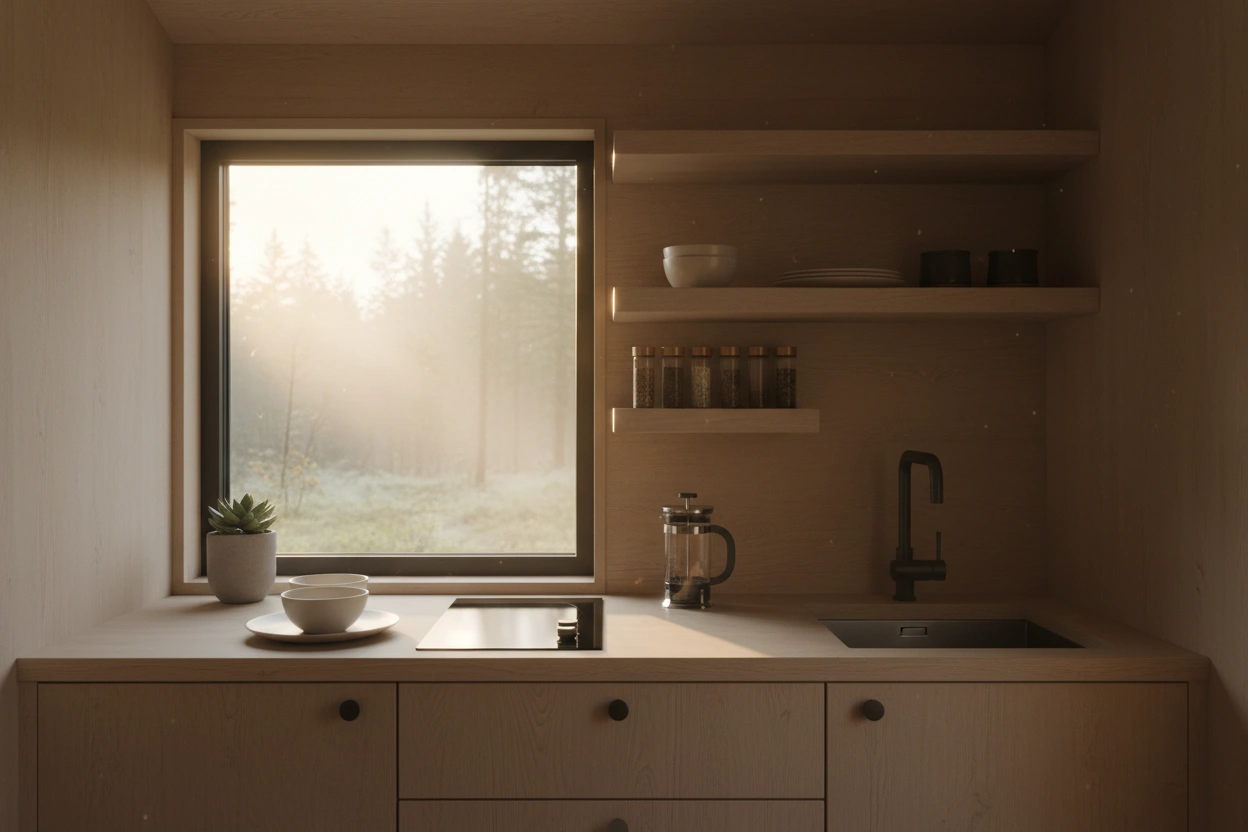
Minimalism focuses on simplicity, functionality, and the intentional use of space. In the context of a tiny house kitchen, this means carefully selecting items that serve multiple purposes while eliminating clutter. A well-organized kitchen enhances usability and provides an inviting atmosphere, which is especially important in a confined area.
Benefits of a Minimalist Tiny House Kitchen
- Enhanced Functionality: A minimalist kitchen encourages you to keep only what you need, making it easier to navigate and use the space efficiently.
- Easier Cleaning and Maintenance: Fewer items mean less dust and dirt to clean, which is a significant advantage in a small area.
- Aesthetic Appeal: A clean and uncluttered kitchen creates a visually appealing environment that can be relaxing and enjoyable to spend time in.
Key Minimalist Concepts to Implement
- Declutter Regularly: Regularly assess your kitchen items to identify what you truly use and need. Donate or discard items that have not been used in the past year.
- Invest in Quality Over Quantity: Choose high-quality kitchen tools and appliances that will last longer and perform better. This means fewer replacements over time and less clutter.
- Embrace Multi-Functional Items: Look for kitchen tools that can serve multiple purposes, such as a blender that can also chop vegetables or a cutting board that doubles as a serving tray.
Design Strategies for a Tiny House Kitchen
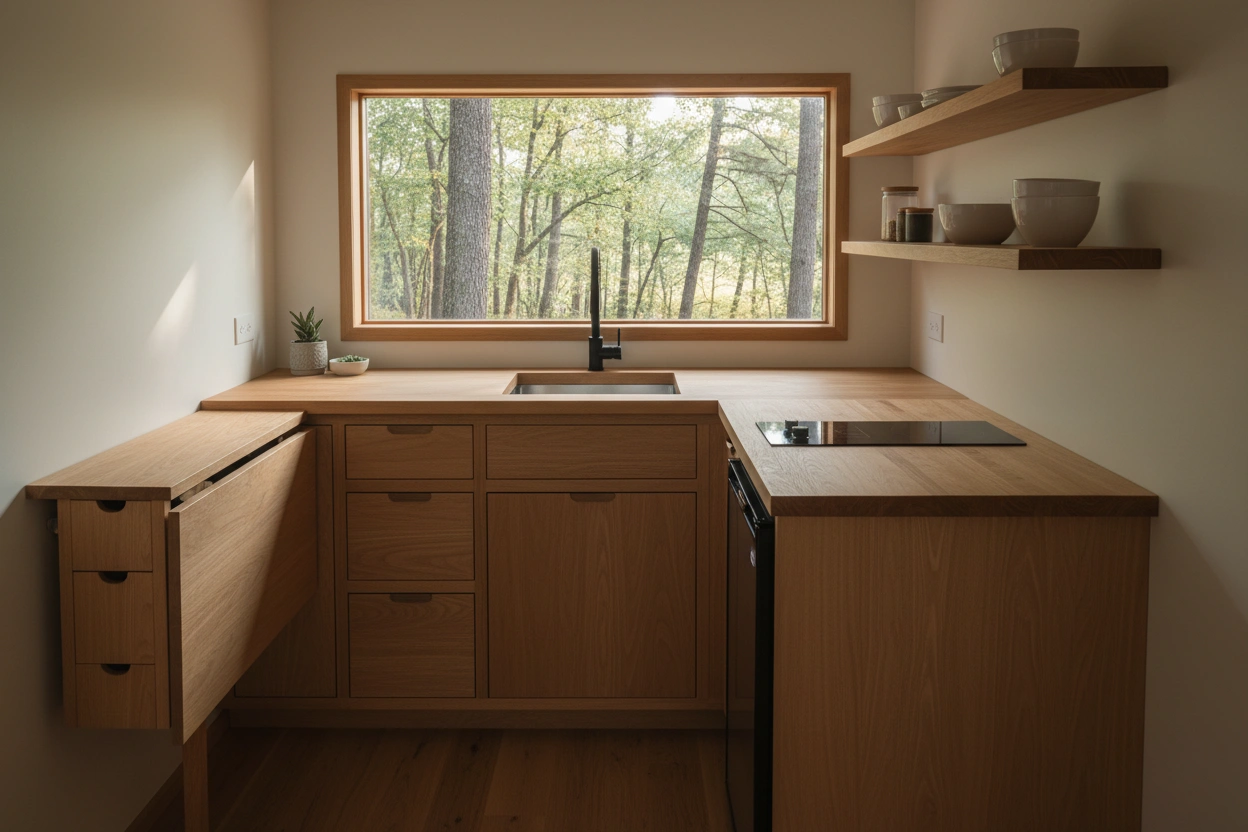
Incorporating effective design strategies can significantly enhance your tiny house kitchen's functionality. Here are some practical approaches to consider:
Optimize Vertical Space
Utilizing vertical space is essential in a tiny house kitchen. Here are some ways to do this:
- Install Shelving: Use wall-mounted shelves to store frequently used items and decorative pieces. This frees up counter space and keeps everything accessible.
- Hang Pots and Pans: A pot rack can be an attractive way to store cookware while keeping it within reach.
- Use Hooks and Racks: Hang utensils, towels, and even small pots from hooks to keep surfaces clear.
Choose Compact Furniture
Selecting the right furniture is crucial in a small kitchen. Consider these options:
- Foldable Tables and Chairs: These can be stored away when not in use, allowing for more floor space.
- Nesting Tables: Tables that fit into one another can provide additional surface area when needed without taking up permanent space.
- Multifunctional Furniture: Consider options that serve more than one purpose to maximize your kitchen's efficiency. multifunctional furniture can be a great addition.
Incorporate Hidden Storage Solutions
Hidden storage can dramatically increase the efficiency of your tiny house kitchen. Look for:
- Drawers Underneath Countertops: Utilize the space beneath your counters for drawers that can store utensils or small appliances.
- Cabinet Organizers: Use pull-out racks or tiered organizers to maximize cabinet space. kitchen organization tips can help you make the most of your cabinets.
Top 10 Space-Saving Appliances for Tiny Kitchens
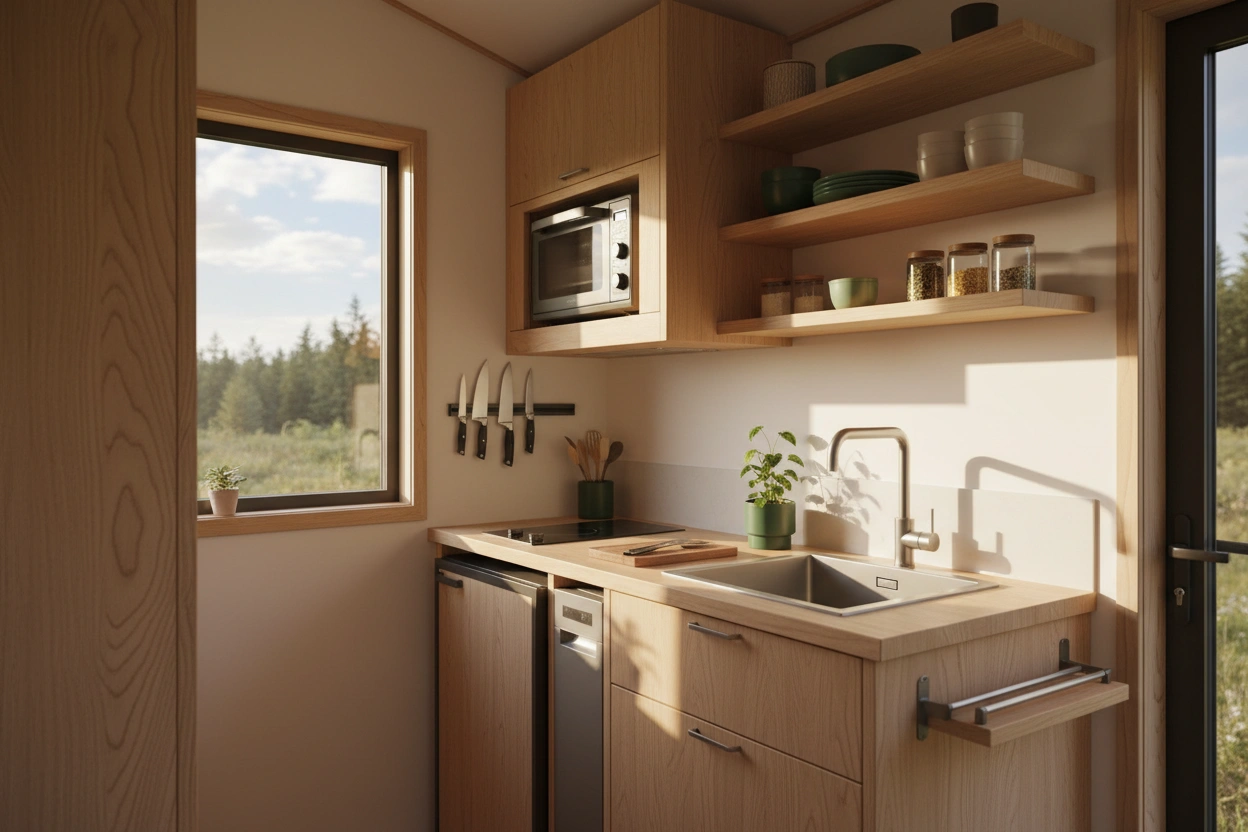
Choosing the right appliances can make a world of difference in a tiny house kitchen. Here’s a list of the top ten space-saving appliances that are ideal for small space kitchen design:
- Countertop Convection Oven: This versatile appliance can bake, broil, and toast without taking up the space of a full-sized oven.
- Compact Refrigerator: Look for energy-efficient models that provide enough storage while being compact enough for limited spaces.
- Multi-Cooker: A multi-cooker combines several appliances in one, allowing you to pressure cook, slow cook, and sauté, saving both space and time.
- Magnetic Knife Strip: This keeps knives off the counter and easily accessible, maximizing your work surface.
- Stackable Cookware: Invest in stackable pots and pans that can be stored neatly in a cabinet, reducing clutter.
- Portable Induction Cooktop: This is an excellent alternative to a traditional stove and can be stored away when not in use.
- Compact Dishwasher: A small, portable dishwasher can make cleaning up easier without taking up too much space.
- Electric Kettle: A compact kettle can boil water quickly and can be stored in a cabinet when not in use.
- Blender with a Personal Cup: Opt for a blender that comes with a personal cup for smoothies, eliminating the need for bulky containers.
- Under-Counter Microwave: This space-saving microwave can be installed under cabinets, freeing up valuable counter space.
Common Mistakes to Avoid in a Tiny House Kitchen
When organizing a tiny house kitchen, there are several common pitfalls to watch out for. Avoiding these mistakes will help you maintain an efficient and functional space.
Overcrowding the Space
One of the most frequent mistakes is overcrowding the kitchen with too many items. It's essential to remember that less is more in a tiny house kitchen. Stick to essential items and ensure every piece you keep serves a purpose.
Ignoring Vertical Space
Failing to utilize vertical space effectively can lead to wasted areas that could otherwise provide additional storage. Make a habit of looking up and using wall space to your advantage.
Not Planning for Workflow
Efficient workflow is vital in any kitchen, but especially in a tiny one. Ensure that your cooking zone, prep area, and storage are logically organized to minimize movement and maximize efficiency.
The Role of Minimalism in Sustainable Living
Minimalism aligns well with sustainable living practices, making it a fitting concept for tiny house dwellers. By adopting a minimalist approach, you not only reduce clutter but also decrease your environmental footprint. Here’s how:
- Lower Energy Consumption: Fewer appliances mean less energy usage.
- Reduce Waste: By purchasing only what you need, you contribute to less waste overall.
- Simplicity Leads to Mindfulness: Embracing minimalism encourages a more mindful approach to consumption, which can positively impact your lifestyle choices.
Creating a Functional and Inviting Tiny House Kitchen
Designing a tiny house kitchen is an opportunity to express creativity while emphasizing functionality. By following minimalist principles and incorporating smart design strategies, you can create a space that is not only practical but also enjoyable to use.
Final Thoughts on Your Tiny House Kitchen Journey
As you work on organizing your tiny house kitchen, remember that the ultimate goal is to create a space that reflects your lifestyle and needs. Whether you are an avid cook or someone who enjoys simple meals, your kitchen should serve as a welcoming environment that meets your requirements.
TinyHouse.com is here to support you in your journey toward building or buying a tiny home that fits your vision. With a wealth of resources and expert insights, you can transform your tiny house kitchen into a functional and beautiful space.
Visit TinyHouse.com for more information on creating your perfect tiny house kitchen and to discover additional tips and resources tailored to your needs.


.svg)
.jpg)
.jpg)
.jpg)
.jpg)