How to Spot Plumbing Trouble Early in a Tiny House

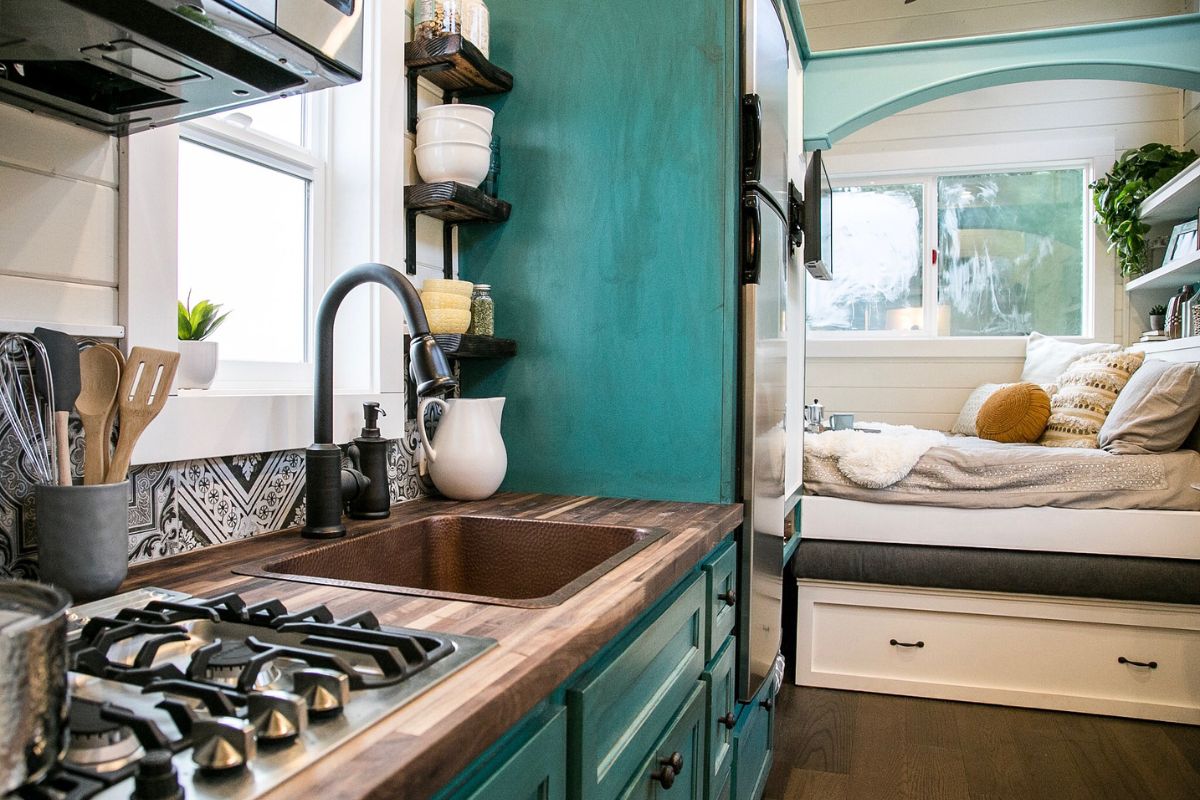
Plumbing issues in a tiny house can escalate quickly. A minor problem, left unchecked, might lead to expensive repairs or damage.
The limited space in tiny homes often means that plumbing systems face more strain than those in standard setups. Understanding the warning signs keeps your home safe and functional.
What should you watch for? There are many potential signals of trouble brewing behind the scenes. Here’s an overview of the most important examples that you simply can’t ignore.
Strange Noises in Your Pipes
Unusual sounds from pipes often indicate plumbing issues. In a tiny house, where even the bathroom might be hidden, these noises are undeniably more noticeable due to the compact living space.
.png)
Some common sounds to watch for include:
- Banging or clanking that signals pressure build-up or loose pipe connections.
- Whistling that points to restricted water flow caused by mineral buildup or worn-out valves.
- Gurgling that can mean blocked drains struggling with airflow.
These noises don't resolve themselves over time. They usually worsen and can lead to costly repairs if ignored.
Listen carefully when using water fixtures, such as sinks or showers, especially after maintenance work has been completed. Early detection saves money and prevents further inconvenience.
When hearing anything unusual, address it promptly through basic checks or consulting a plumber who specializes in small-scale systems like those found in tiny homes.
Changes in Water Pressure
Water pressure fluctuations can signal deeper plumbing problems. Tiny homes rely on smaller systems, making changes easier to spot and requiring direct intervention.
Look for:
- Weak water flow that may indicate a leak somewhere in the system or sediment buildup in pipes.
- Sudden drops during use that often point to a failing pump or water source issue.
- Excessive pressure that creates strain on joints, increasing the risk of bursts.
Addressing these issues early can prevent long-term damage that affects the overall reliability of your system.
If troubleshooting doesn't reveal obvious causes like clogged aerators or kinked hoses, it's best to contact experts familiar with localized plumbing setups. For example, hiring the best plumbing service in Denver ensures that professionals who understand regional water conditions and regulations handle your concerns effectively, rather than seeking help from elsewhere.
Discolored or Cloudy Water
Water discoloration often reveals hidden problems in your plumbing. Tiny homes, with their compact systems, make it harder to ignore these signs when they appear.
There are a few key points to note. For instance:
- Brown or yellow water may indicate rusted pipes or sediment from your water heater.
- Milky or cloudy water might point to air trapped in the lines, creating a harmless but concerning appearance.
- Greenish tints may indicate copper pipe corrosion, which can affect your water quality, according to government guidelines.
Changes like these should not be overlooked, especially if they persist over time. Start by checking whether only hot or cold taps are affected. This can help pinpoint whether the issue lies within the heater itself or elsewhere in the system.
In most cases, flushing pipes temporarily improves clarity until professionals inspect for long-term solutions, such as replacing corroded components, particularly in small-scale setups found in tiny homes.
Slow Drains and Clogs
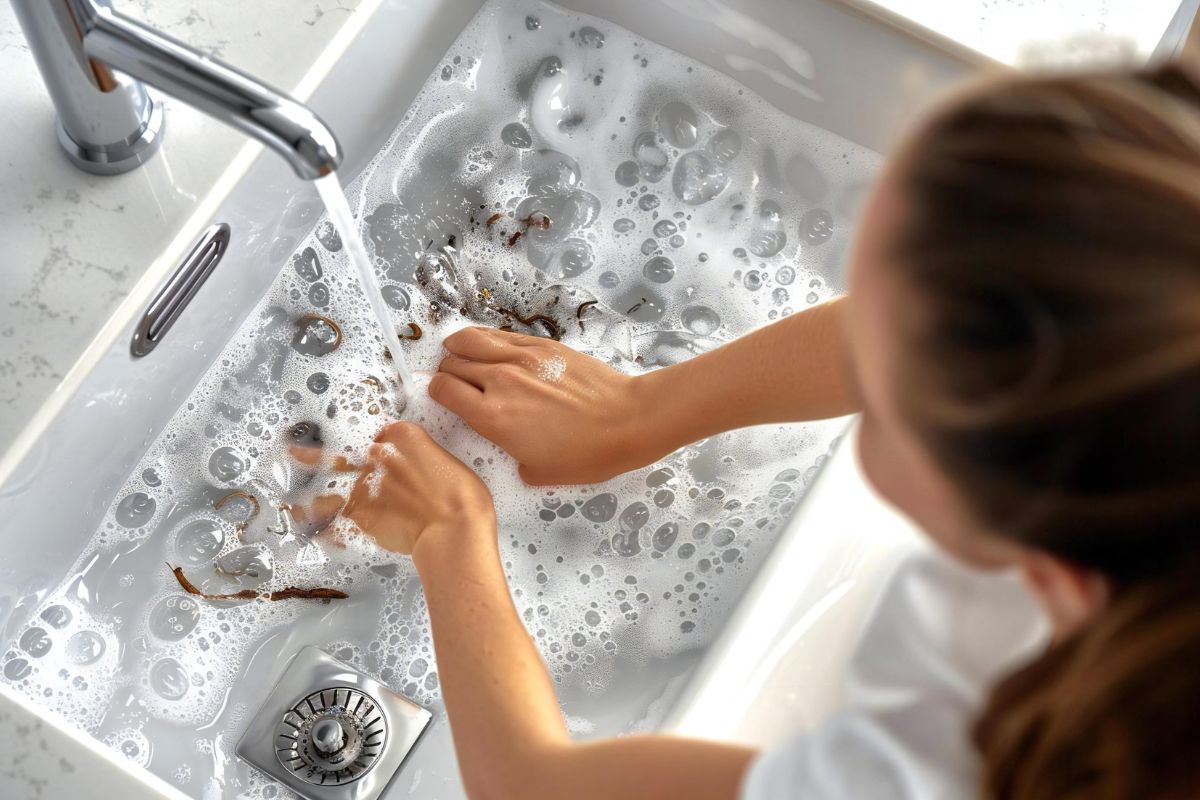
Slow drains are an inconvenience that also often signals bigger issues within your plumbing. In tiny homes, where every fixture shares a limited piping system, clogs can quickly escalate.
Be aware of:
- Water pooling around the drain before eventually going down, which signals a partial blockage.
- Gurgling sounds while draining which may mean trapped air from improper flow or deeper obstructions.
- Frequent clogs even after cleaning, which could point to pipe diameter issues common in compact systems.
Tiny house designs make DIY fixes tempting, but proceed cautiously with chemical solutions, as they can corrode smaller pipes more quickly.
Start by removing visible debris using tools such as a plunger or drain snake, if accessible. If slow drainage persists despite your efforts, professional help is vital for locating and resolving blockages without damaging small-scale plumbing, thereby preventing further disruption to your daily life.
Leaks and Damp Spots
Leaks in a tiny house are often subtle but can cause significant damage if overlooked. With limited space, even small water issues may lead to mold or structural problems quickly.
Several clues suggest hidden leaks. For example:
- Unexplained damp spots on walls, floors, or ceilings indicate that water is escaping from pipes behind the surfaces.
- A sudden spike in your water bill indicates unseen continuous dripping or leakage.
- Warped wood around plumbing areas points to prolonged moisture exposure.
Acting fast prevents costly repairs and helps maintain the integrity of your compact living environment. Regularly inspect common problem areas, such as under sinks, around toilets, and near appliance connections, including those for washers.
Using a moisture meter can help detect early signs that are not yet visible. For larger concerns beyond basic sealing work, professional services ensure thorough diagnosis without risking unnecessary complications during repairs, and minimize exposure to the negative health effects of living in damp environments.
.png)
Why Unusual Odors May Indicate Plumbing Trouble
Unpleasant smells from your plumbing system often hint at underlying issues, and it’s not just composting toilets that have this issue. In tiny homes, these odors spread quickly and can make living spaces uncomfortable if ignored.
Common causes of bad smells include:
- Sewer gas escaping through dry or damaged traps which signals venting problems in your system.
- Rotten egg odors, which point to bacterial buildup, especially in water heaters or unused pipes.
- Musty smells near drains, which could indicate organic matter, such as food debris, decomposing in clogs.
Odors are more than a nuisance; they can impact air quality and even pose health risks. Start by checking seldom-used fixtures and running water to refill any dry P-traps preventing sewer gas escape.
Clean drain areas thoroughly with baking soda and vinegar for natural odor removal without harsh chemicals that harm small pipes. Persistent problems should be addressed through expert inspections for leaks or vent blockages.
Wrapping Up
Spotting plumbing trouble early in a tiny house saves time, money, and stress. Paying attention to warning signs like strange noises or discolored water helps prevent bigger issues.
Small spaces make even minor problems noticeable, but this works in your favor. Acting quickly keeps your home safe and functional without significant disruptions.
Regular inspections and prompt repairs protect the unique systems in your tiny house. Stay proactive to ensure smooth plumbing operations for years to come.


.svg)
.png)
.jpg)