How to Spot the Warning Signs That Your HVAC System Needs Repair

.jpg)
An HVAC system rarely fails without giving some warning first. Changes in airflow, sound, temperature, or energy use can reveal trouble early. Recognizing these clues helps homeowners protect comfort, avoid larger expenses, and reduce strain on aging equipment. A small issue may involve a clogged filter or faulty control, while another could signal serious mechanical damage. Careful observation gives households time to arrange service before a complete breakdown affects daily routines.
Why Early Clues Matter
Small performance changes often appear before a major failure. A trained technician can link unusual symptoms to possible causes, such as restricted ducts, worn motors, electrical faults, or drainage issues. Timely HVAC repair may restore normal operation before added strain damages other parts. Waiting can increase energy use, reduce comfort, and raise the final service cost.
Uneven Heating or Cooling
Rooms that feel too warm or cold point to a performance problem. A unit may run for long periods without reaching the selected setting. Low refrigerant, blocked registers, dirty coils, or damaged components can reduce output. Temperature differences across the house deserve attention, especially when they appear suddenly. Extended operation also places extra pressure on motors and compressors.
Weak or Irregular Airflow
Air from a vent should feel steady during normal operation. Weak output may result from a clogged filter, crushed duct, blocked grille, or failing blower motor. One room receiving less conditioned air than others can indicate duct trouble rather than equipment failure. Ignoring poor circulation forces the unit to operate longer, which can increase wear and electricity consumption.
Rising Energy Bills
A sharp increase in monthly utility costs can signal declining equipment performance. Worn parts, blocked airflow, refrigerant loss, or poor calibration may cause longer operating cycles. Seasonal price changes are normal, but repeated increases without a change in household usage warrant closer review. Comparing recent bills with earlier periods can help reveal whether the issue is temporary or ongoing.
Frequent Starting and Stopping
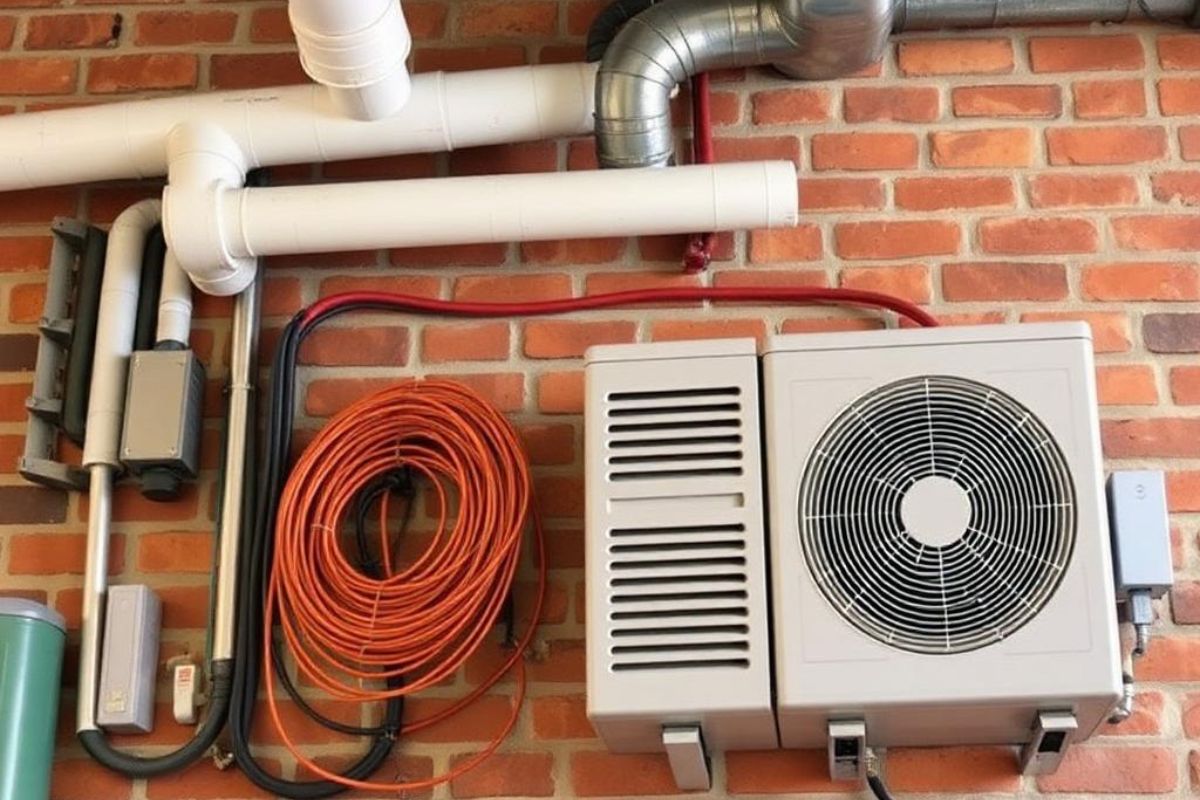
A system that turns on and off repeatedly may be short cycling. This pattern can result from an oversized unit, a dirty filter, thermostat trouble, overheating, or restricted airflow. Frequent starts place additional stress on motors, controls, and compressors. Temperature control may also become inconsistent. Prompt assessment can prevent repeated cycling from shortening equipment life or causing a larger failure.
Unusual Operating Sounds
Most systems produce a familiar, low-level operating sound. New banging, grinding, squealing, rattling, buzzing, or clicking should receive attention. Loose hardware, damaged fan blades, worn bearings, and electrical defects can create these noises. A sound that grows louder during each cycle may indicate increasing damage. Early diagnosis often limits the number of affected components.
Strange Smells From Vents
Persistent odors are another warning sign. Musty air may suggest moisture, mold, or dirty internal surfaces. A burning smell can point to overheated wiring, a failing motor, or dust contacting a hot part. Brief dust odor after seasonal startup may disappear quickly. Smoke, sharp electrical smells, or an odor that continues through several cycles requires immediate professional attention.
Water or Excess Moisture
Condensation near certain components can be normal, but standing water is not. A clogged drain, frozen coil, damaged pan, or refrigerant problem may cause leakage. Moisture can stain ceilings, damage flooring, and encourage mold growth. Document damp areas around the unit quickly. Continuing to run the system without assessment may spread water damage beyond the equipment area.
Thermostat Problems
A thermostat controls temperature settings and signals the system to operate. Incorrect readings, delayed responses, blank displays, or unexplained cycling can indicate a control problem. Loose wiring, depleted batteries, calibration errors, and damaged sensors are common possibilities. Since the equipment may be healthy, start diagnosis with the control device. Correcting this fault can restore steadier indoor comfort.
Repeated Repairs or Advanced Age
Frequent service visits may indicate that several components are nearing the end of their useful life. Many systems operate for about 10 to 15 years with regular maintenance, although conditions vary. Age alone does not require replacement. However, declining efficiency, recurring breakdowns, and expensive parts can make a newer unit more practical than continued repairs.
Conclusion
Early warning signs give homeowners a valuable chance to protect comfort and household budgets. Uneven temperatures, weak airflow, climbing bills, odd sounds, odors, leaks, and control failures should receive prompt attention. Repeated service needs or advanced age may also signal a broader decision to replace the system. Recording symptoms, noting when they occur, and arranging a qualified inspection can help prevent minor faults from becoming disruptive system failures.


.svg)

.jpg)