
How to Start Simple Living for Better Mental Health and Happiness


In recent years, the concept of simple living has gained traction as more individuals seek to improve their mental health and overall happiness. This lifestyle emphasizes minimalism, sustainability, and intentionality, allowing people to focus on what truly matters. By embracing simple living, individuals can reduce stress, cultivate mindfulness, and foster a deeper connection with themselves and their surroundings.
This article will provide actionable insights on how to start your simple living journey, along with top decluttering tips to create a simpler home environment.
Understanding Simple Living
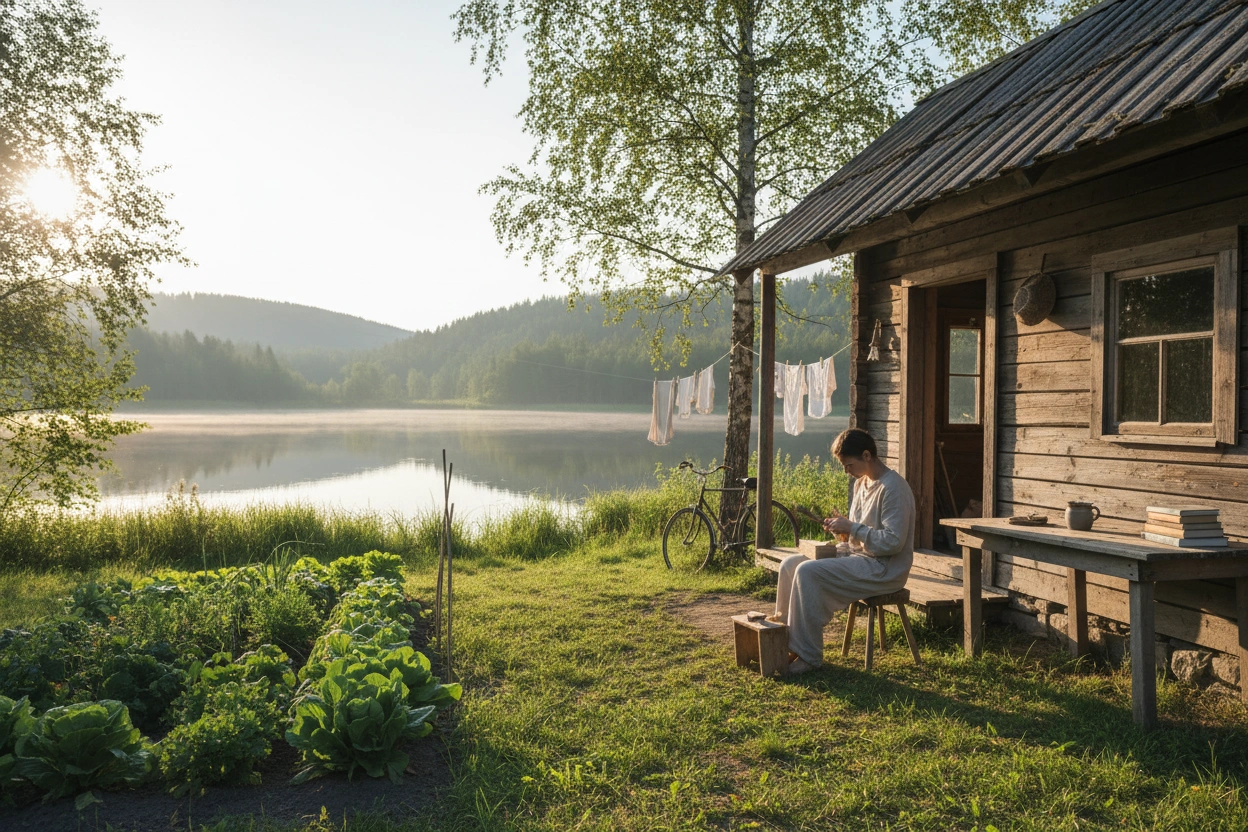
Simple living is more than just decluttering your physical space; it encompasses a holistic approach to life that prioritizes mental clarity and emotional well-being. This lifestyle encourages individuals to minimize distractions, reduce consumption, and focus on meaningful experiences rather than material possessions.
The Psychological Benefits of Simple Living
Research has shown that living simply can have profound effects on mental health. A cluttered environment often leads to feelings of anxiety and overwhelm. By simplifying one’s surroundings, individuals can foster a sense of calm and clarity. Some of the psychological benefits include:
- Reduced Stress Levels: A simpler environment can lead to a more peaceful mindset, as individuals are less distracted by clutter and chaos.
- Increased Mindfulness: Living simply encourages individuals to be present in the moment, which can enhance emotional well-being and overall happiness.
- Greater Fulfillment: By focusing on experiences rather than possessions, individuals often find deeper satisfaction and joy in their lives.
Common Misconceptions About Simple Living
Despite its benefits, simple living is often misunderstood. Some believe it equates to deprivation or a lack of enjoyment. However, simple living is about intentionality and making conscious choices that align with personal values. It’s not about owning nothing; rather, it’s about owning less and appreciating more.
Getting Started with Simple Living
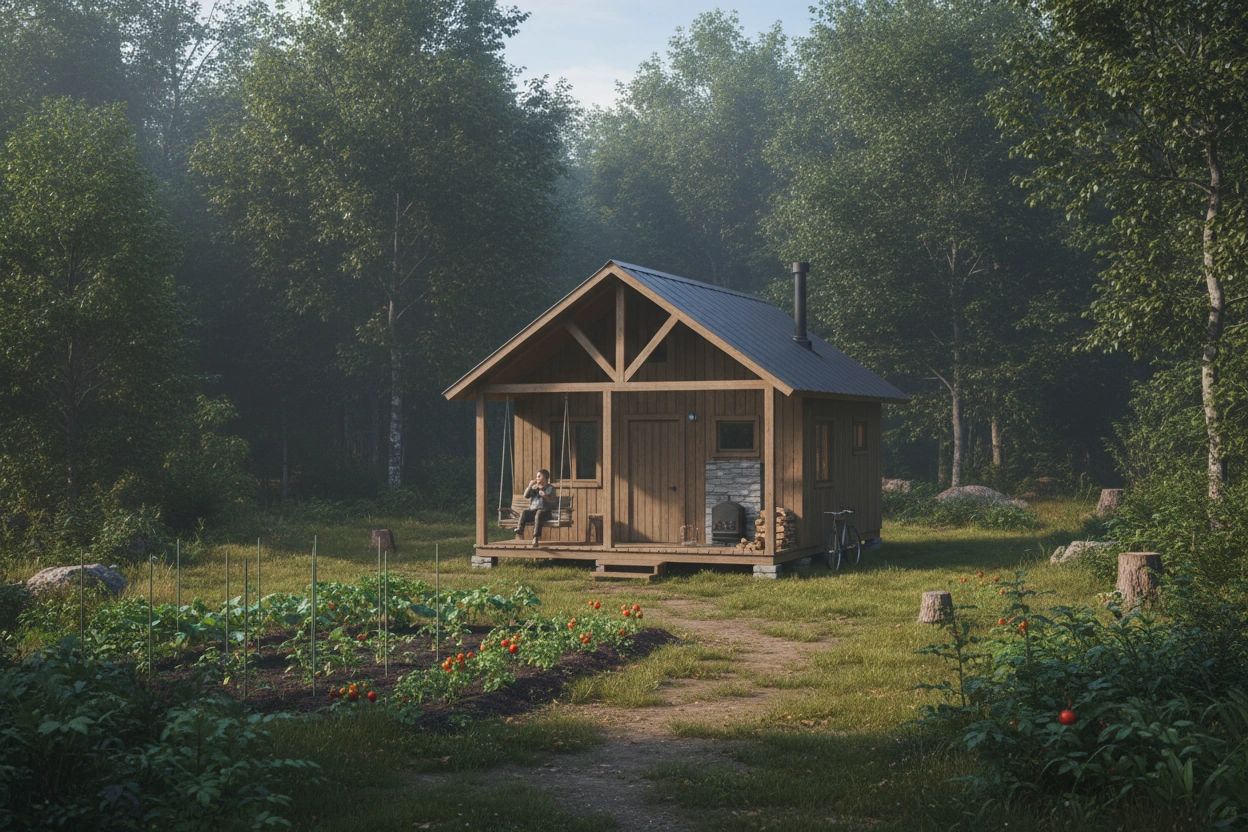
To effectively adopt a simple living lifestyle, it’s essential to take actionable steps. Here are some strategies to help you get started:
Evaluate Your Current Lifestyle
Begin by assessing your current lifestyle. Take note of areas where you feel overwhelmed or stressed. Are there particular possessions or commitments that add to your anxiety? Understanding your triggers can help you identify what to change.
Set Clear Goals
Establishing clear, achievable goals is vital for your simple living journey. Consider what aspects of your life you want to simplify. This could include decluttering your home, reducing screen time, or prioritizing meaningful relationships. Write down your goals to keep yourself accountable.
Create a Simple Living Plan
A well-structured plan can guide your transition to simple living. Outline specific steps you will take to achieve your goals. For instance, if decluttering is a priority, consider creating a timeline for tackling each room in your home.
Top 10 Decluttering Tips for a Simpler Home
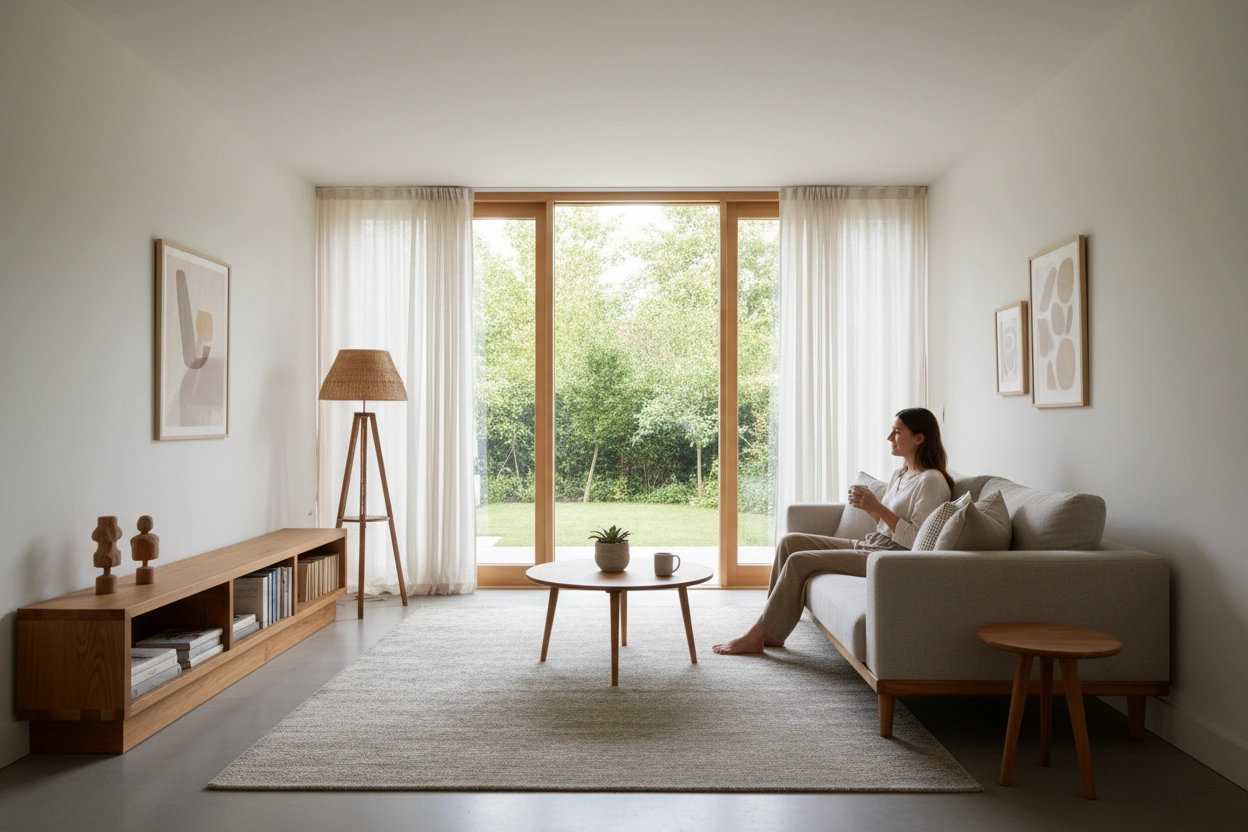
Decluttering is a fundamental aspect of simple living. Here are ten effective tips to help you create a simpler home:
Start Small: Focus on one area or room at a time to avoid feeling overwhelmed. This could be a single drawer or a small closet.
Use the Four-Box Method: Label four boxes as "Keep," "Donate," "Trash," and "Undecided." Sort items accordingly to make decisions easier.
Implement the 90/90 Rule: Ask yourself if you have used an item in the last 90 days or if you will use it in the next 90 days. If not, consider letting it go.
Limit Sentimental Items: While it’s important to cherish memories, too many sentimental items can lead to clutter. Choose a few meaningful pieces to keep.
Digitize Documents: Reduce physical clutter by scanning important documents and storing them digitally. This can free up significant space.
Adopt a One-In, One-Out Policy: For every new item you bring into your home, remove an existing item. This helps maintain balance and prevent accumulation.
Create a Decluttering Routine: Set aside time weekly or monthly to reassess your belongings and declutter as needed.
Be Mindful of Purchases: Before buying something new, ask yourself if it aligns with your simple living goals. This can prevent unnecessary clutter.
Involve Others: If you live with family or roommates, involve them in the decluttering process. This encourages a collective effort toward a simpler home.
Celebrate Progress: Acknowledge and celebrate your decluttering milestones, no matter how small. This can motivate you to continue on your simple living journey.
Sustainable Living and Simple Living
Sustainable living often intersects with simple living, as both promote mindful consumption and a reduced environmental footprint. By adopting sustainable practices, you can enhance the benefits of simple living. Here are some ways to incorporate sustainability into your simple living approach:
Make Conscious Choices
Choose products that are environmentally friendly and ethically sourced. This not only reduces waste but also aligns with the values of simple living.
Reduce Waste
Implement practices such as composting and recycling to minimize waste. This not only contributes to a healthier planet but also encourages a simpler lifestyle.
Support Local
Whenever possible, support local businesses and farmers. This helps build community connections and reduces the carbon footprint associated with transporting goods.
The Importance of Community in Simple Living
Connecting with like-minded individuals can enhance your simple living experience. Communities focused on minimalism and sustainability provide support, inspiration, and accountability. Here are ways to engage with community:
Join Local Groups
Look for local meetups or online forums dedicated to simple living or minimalism. Engaging with others can provide motivation and new ideas.
Attend Workshops
Participate in workshops or seminars focused on decluttering, sustainable living, or mindfulness. These events can expand your knowledge and connect you with others on similar paths.
Share Your Journey
Consider sharing your simple living journey on social media or blogs. This can inspire others while also holding you accountable to your goals.
Embracing Simple Living as a Lifestyle
Transitioning to a simple living lifestyle requires commitment and a willingness to change. It’s essential to understand that simple living is not a one-time project but a continuous journey. Embracing this lifestyle can lead to profound changes in your mental health and overall happiness.
Maintain Flexibility
As you progress in your simple living journey, be open to adapting your goals and strategies. Life circumstances change, and your approach to simplicity may need to evolve as well.
Reflect Regularly
Set aside time for self-reflection. Assess how your simple living practices are impacting your mental health and happiness. This can help you identify areas for improvement and celebrate your successes.
Stay Inspired
Seek inspiration from books, podcasts, and documentaries about simple living. This ongoing engagement can keep your motivation high and encourage you to explore new aspects of simplicity.
Finding Support through TinyHouse.com
Embracing simple living is a rewarding endeavor that fosters mental health and happiness. As you embark on this journey, consider how TinyHouse.com can assist you in achieving your goals. TinyHouse.com offers valuable resources for individuals looking to simplify their living situation and explore the world of tiny homes.
Begin Your Simple Living Journey Today
By adopting simple living principles, you can create a more fulfilling and meaningful life. Whether you are looking to declutter your home or explore sustainable living options, resources from TinyHouse.com can guide you on your path.
Visit TinyHouse.com to learn more about how tiny homes can fit into your simple living aspirations. Take the first step toward a simpler, more intentional life today.


.svg)


.jpg)
.jpg)