How to Upgrade Your Doors Without Replacing Them

.jpg)
Replacing interior doors can transform a room, but it is not always the most practical or necessary solution. If your doors are structurally sound, a few considered updates can make them feel newer, work better and suit a changed interior scheme—without the cost, disruption and waste involved in removing them.
From refinishing the surface to improving hardware and adjusting the fit, there are several ways to give existing doors a new lease of life. The key is to treat the door as part of a wider system: its appearance matters, but so do its hinges, handles, latch and relationship with the surrounding architrave.
Start by Assessing the Door
Before buying paint or hardware, inspect each door carefully. Look for cracks, swelling, loose joints and signs of moisture damage. Small imperfections are usually manageable, but extensive warping or a deteriorated core may indicate that replacement is the more sensible option.
Check how the door opens and closes. Does it catch against the frame? Is there a noticeable gap around one edge? Does the handle feel loose or the latch fail to engage smoothly? These details will help you decide whether the door needs cosmetic improvement, mechanical adjustment or both.
It is also worth considering the door’s style. A plain flush door can support a minimalist colour scheme, while a panelled door may suit more traditional or period-inspired finishes. Your updates should enhance the door’s existing character rather than fight against it.
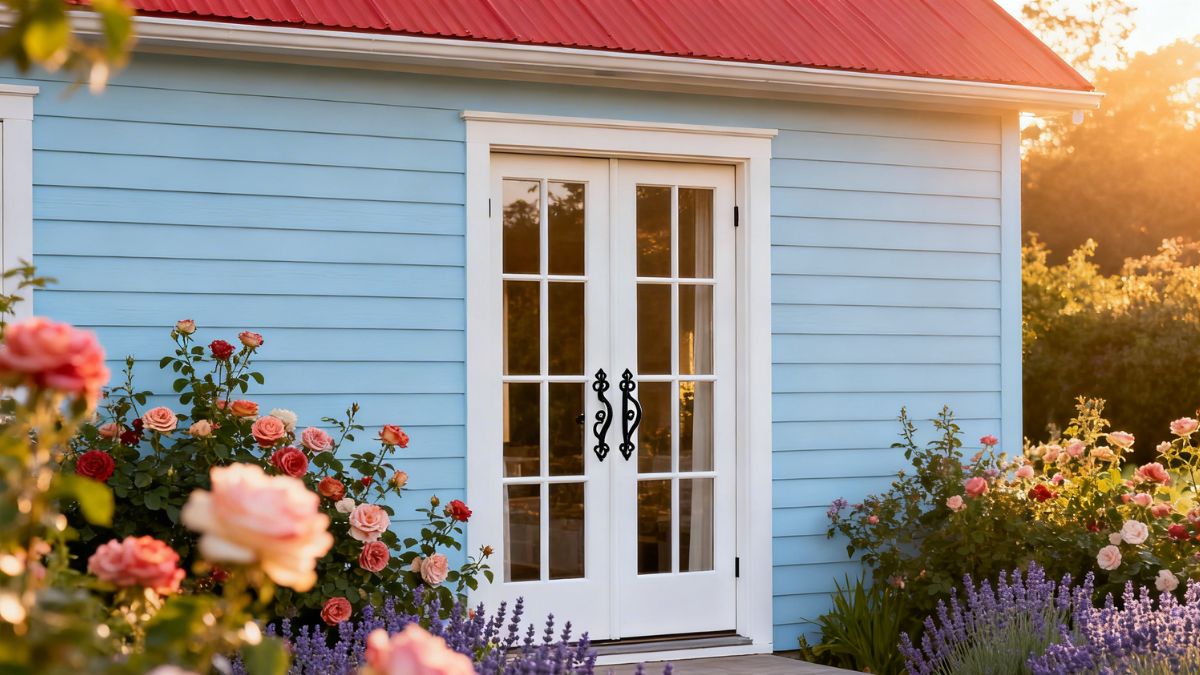
Refresh the Surface
A fresh finish is one of the most effective ways to change the appearance of an existing door. However, preparation is more important than the final coat of paint.
Remove the door from its hinges where possible and take off the handles, latch plates and other fittings. Lay it flat on supports, then clean it thoroughly to remove grease, dust and old polish. Lightly sand glossy paint or varnish so the new coating has a sound surface to adhere to. Any dents or small holes can be filled, allowed to dry and sanded smooth.
Use a suitable primer, particularly if you are painting over bare timber, an old oil-based finish or a dark colour. For the topcoat, a durable trim or interior wood paint is generally more appropriate than standard wall emulsion. Apply several thin coats rather than one heavy layer, allowing each coat to dry fully.
Colour can alter the perceived proportions of a room. A door painted in the same tone as the wall will appear quieter and less visually dominant, while a contrasting shade can turn it into a feature. Deep greens, muted blues and warm neutrals are increasingly popular, but the best choice depends on natural light, flooring and the surrounding woodwork.
Consider Timber Treatments Carefully
If the door is made from attractive natural wood, paint may not be the ideal answer. A clear varnish, hardwax oil or tinted stain can protect the surface while retaining the grain. Always test a treatment on an inconspicuous area first: timber often changes colour more dramatically than expected, especially after sanding.
Upgrade the Hardware
Door furniture has a surprisingly large influence on how a door feels in daily use. A dated lever, tarnished escutcheon or unreliable latch can make an otherwise good door seem tired. Conversely, well-chosen fittings can provide an immediate sense of improvement.
Replacing handles is usually straightforward, but measurements matter. Check the distance from the spindle centre to the door edge, known as the backset, as well as the fixing-hole positions. If the new handle has a different footprint, old screw holes may remain visible. This can be avoided by selecting fittings with a larger backplate or by carefully filling and touching up the existing holes.
Function should guide the choice as much as appearance. A privacy door for a bedroom or bathroom requires a suitable locking mechanism, while a cupboard or hallway door may only need a simple latch. For a coordinated update, look at interior door hardware with locks alongside matching passage handles and hinges. Consistency across a hallway or floor can make several modest improvements feel like one deliberate design decision.
Finishes also affect the overall impression. Satin brass can add warmth, matt black creates definition against pale paint, and polished chrome suits cleaner, more contemporary interiors. Do not select a finish in isolation; compare it with light switches, sockets, taps and cabinet hardware already present in the room.
Improve the Fit and Operation
A door that sticks, rattles or swings open by itself may need adjustment rather than replacement. Tighten hinge screws first, as loose hinges can cause the door to drop out of alignment. If a screw no longer grips, a small timber plug or suitable repair method may provide a stronger fixing than simply using a larger screw.
Where the door catches lightly on the frame, identify the exact point before sanding. Remove only a small amount at a time and seal any exposed timber afterwards. Excessive trimming can create uneven gaps and affect sound or draught control.
A rattling door may have a latch that does not meet the strike plate accurately. Repositioning the plate by a few millimetres can improve the closure, while adhesive-backed draught strips can help with light movement, noise and cold air. Avoid adding thick seals if the door already closes tightly; unnecessary resistance can put strain on the hinges and latch.
.jpg)
Do Not Ignore the Hinges
New handles fitted to worn hinges will not solve every problem. Hinges should sit securely, move freely and support the door without creaking or sagging. Replacing visibly tired hinges with a matching finish can improve both performance and appearance, but make sure the new hinges are the correct size and load capacity.
Add Detail Around the Door
The surrounding frame and architrave can make an upgraded door look complete. Fill small nail holes, repair chipped corners and repaint scuffed areas. If the architrave is heavily marked, painting it in a slightly different tone from the door can create definition without requiring major joinery work.
You can also update the visual balance with a new threshold, carefully chosen door stop or improved lighting nearby. These are small interventions, but they influence how the door is experienced as part of the room rather than as an isolated object.
Plan the Work Efficiently
If several doors need attention, create a consistent plan before starting. Photograph existing hardware, label removed fittings and record which doors require privacy locks or different latch types. Work through one complete door first to confirm your preparation method, paint colour and hardware measurements.
Most importantly, allow adequate drying and curing time. A door may feel dry to the touch but still be vulnerable to sticking when closed. Leave it open where practical, avoid forcing newly painted edges into the frame and test the latch gently once the finish has hardened.
Upgrading doors is ultimately an exercise in proportion and restraint. Repair what is damaged, improve what is inconvenient and choose finishes that complement the home’s existing character. With careful preparation and a few well-judged changes, an ordinary door can look purposeful, operate more smoothly and remain in service for many more years.


.svg)
.jpg)