
HVAC Tips Every Homeowner Should Know

.jpg)
Most homeowners treat their HVAC system the same way they treat their car's check engine light—they ignore it until something forces their hand. That approach works for a while, until it doesn't. The system runs year-round, handling Missouri summers that feel like a sauna and winters that don't mess around. By the time it breaks down, you're usually looking at an expensive fix that a little routine attention would have prevented.
The habits that keep a system running well aren't complicated, and they apply whether your home is 10 years old or 40. Still, routine care only goes so far without professional backup. Homeowners who want to get ahead of costly breakdowns should build a relationship with a local technician early. If you're in the greater St. Louis region, connecting with reputable HVAC St. Charles technicians who understand the regional climate and the equipment common to the area means your diagnostics are accurate. And, your maintenance is tailored to your actual setup, not a one-size-fits-all checklist.
Change Your Air Filter on a Set Schedule
Filter changes are the easiest maintenance task on the list, and the one most people skip. A dirty filter doesn't just reduce air quality—it restricts airflow, forcing the blower motor to work harder. Over time, this added strain can lead to overheating and increased wear on internal components.
Standard 1-inch filters need swapping every 30 to 60 days. Thicker media filters, the 4- to 5-inch variety, can stretch to 6 or even 12 months. Pet owners, people in dusty climates, and anyone running the system heavily should stick to the shorter end of those windows. Set a recurring phone reminder and move on.
.png)
Keep the Area Around Your Outdoor Unit Clear
The condenser unit outside your home is responsible for releasing heat into the surrounding air. When it’s blocked by overgrown shrubs, grass clippings, or debris, efficiency drops and the system has to work harder.
Two feet of clearance on all sides is the standard recommendation. After mowing, spend 30 seconds clearing any clippings that have settled on or around the unit. During winter, avoid piling snow against it and covering it with a solid tarp. A mesh cover designed for outdoor condensers is fine during the off-season; solid covers trap moisture and restrict any ventilation the unit still needs.
Schedule a Professional Tune-Up Every Year
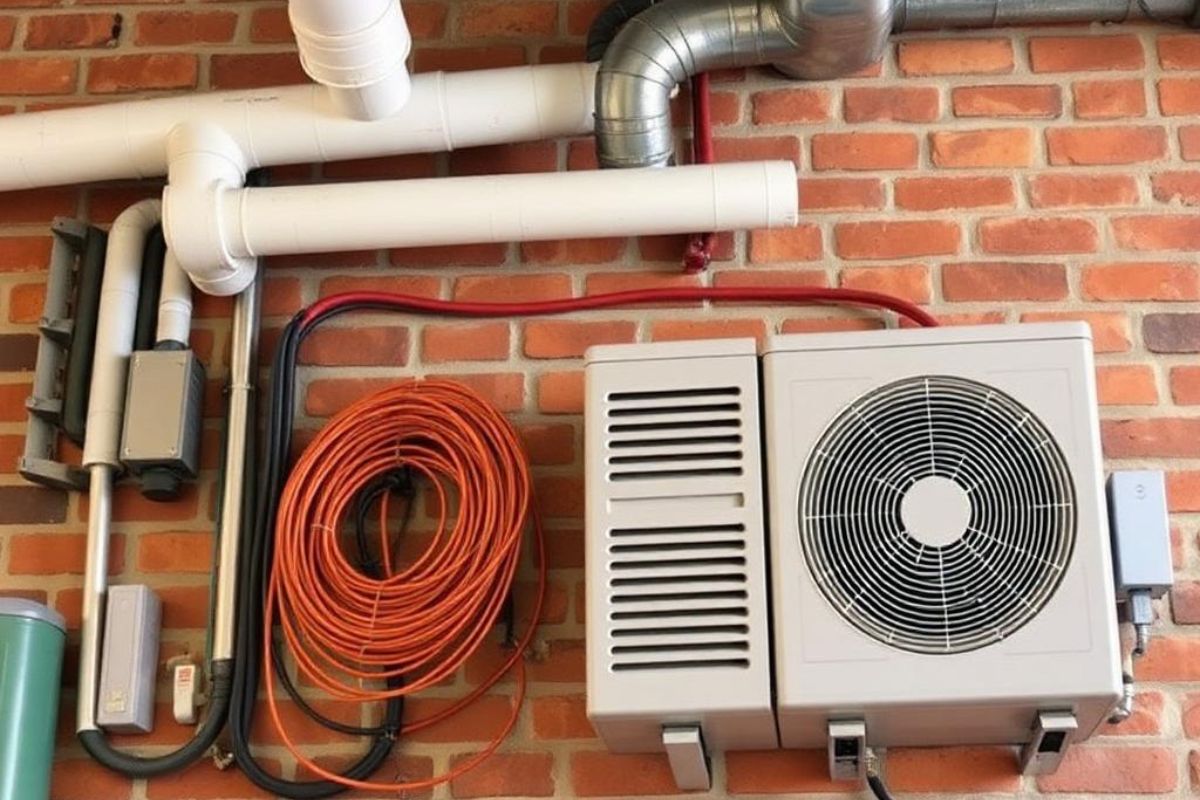
A filter swap and a quick visual check around the unit won't catch what's happening inside the system. An annual professional inspection goes deeper: refrigerant levels, electrical connections, coil cleanliness, motor lubrication, and performance measurements against what the manufacturer actually specifies.
According to the U.S. Department of Energy, regular HVAC maintenance can cut energy consumption by up to 15% compared to a system that's been left alone. Most technicians recommend booking your cooling inspection in spring before the heat arrives, and your heating check sometime in early fall. Waiting until peak season usually means longer scheduling delays and more competition for appointment slots.
Understand What Your Thermostat Is Actually Doing
A lot of homeowners crank the thermostat to 85 degrees, thinking the house will warm up faster. It won't. Most systems run at a fixed output regardless of what temperature you've set, so the only thing an extreme setpoint does is extend the run time. You get to the same place either way; one method just overshoots.
Smart and programmable thermostats give you real control over that run time. Scheduling setbacks during sleeping hours or when the house is empty can meaningfully trim annual energy costs without giving up any comfort. The one thing worth avoiding: dramatic temperature swings throughout the day. Letting the house drift 10 or 15 degrees and then recovering it puts the system through longer cycles and adds unnecessary stress on components.
Don't Ignore the Warning Signs
Your system always tells you something is wrong before it actually fails. Banging or clanking from the air handler points to something loose or broken inside the cabinet. Squealing usually means a belt or motor bearing is going. A rattling condenser often has debris inside or a loose access panel.
Unusual smells are also important signals. Musty air coming from vents is a strong indicator of mold or mildew on the evaporator coil or inside the ductwork. A burning smell is a different situation entirely—shut the system off and call a technician before running it again. If certain rooms are consistently warmer or cooler than others, that's worth investigating. It could be duct leaks, a refrigerant issue, or a blower that's starting to give out.
Catching any of these early almost always means a smaller repair bill. Letting them sit tends to turn a $200 fix into a much larger conversation.
A Few Final Thoughts
None of this requires technical expertise. Change filters on schedule, keep the outdoor unit clear, get a professional inspection once a year, use your thermostat with some intention, and pay attention when the system starts making noise or smelling off. These simple habits will add years to your equipment's life and keep you out of emergency service calls on the worst weather days of the year.


.svg)
.jpg)
.jpg)
.jpg)