
Leading 3D Rendering Companies Used by Real Estate Developers

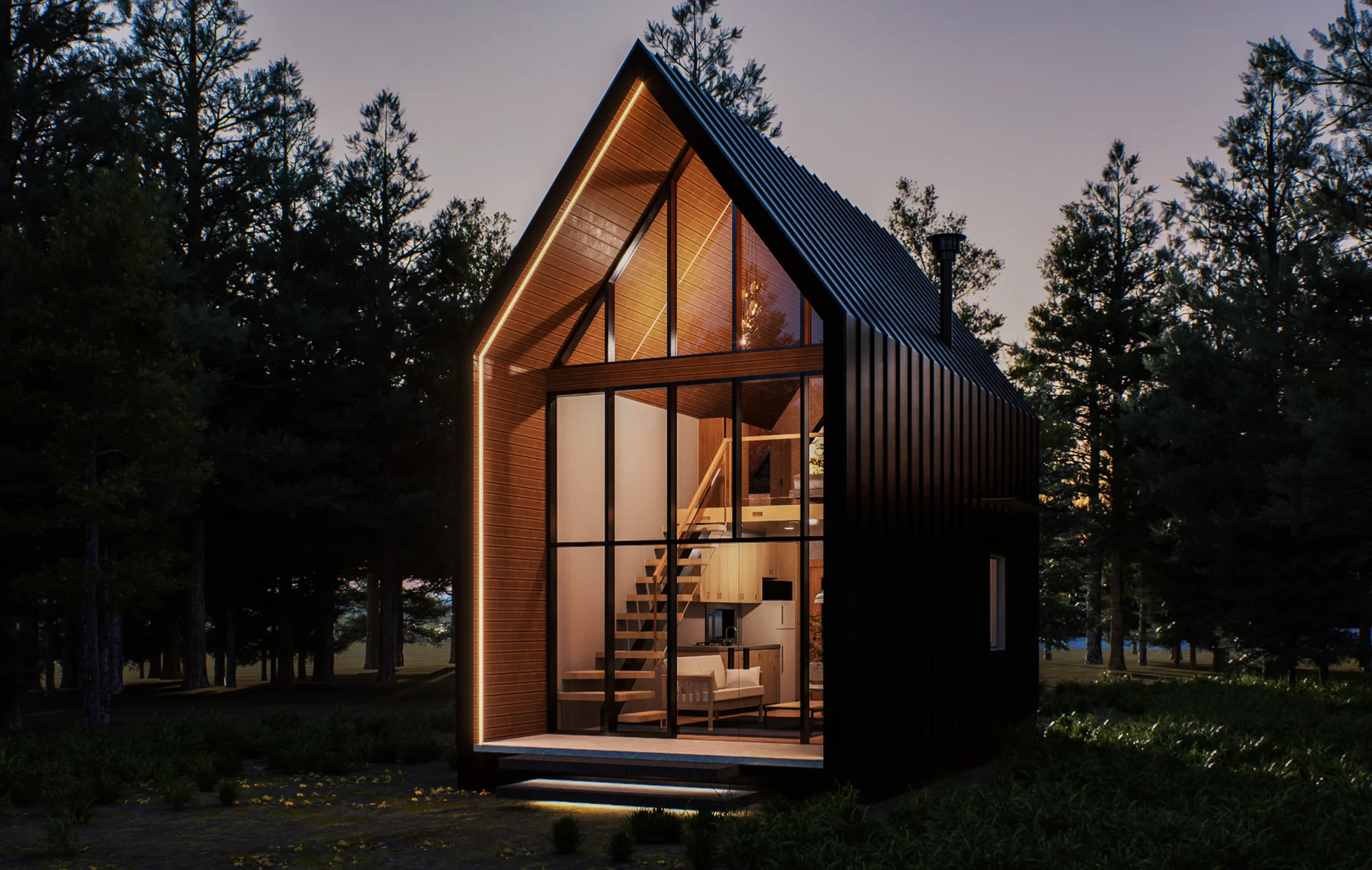
For real estate developers, success means making an unfinished project feel real to planners, investors, and buyers. Professional 3D rendering serves that exact need. It turns abstract concepts into clear, convincing visuals that drive key decisions.
Choosing a studio isn't about finding the most artistic portfolio—it's about finding a reliable partner who understands the development process and delivers quality work on time.
Here, we’ll cover the practical criteria developers use to choose a visualization studio and highlight a selection of leading companies recognized for their consistent results across feasibility, approvals, and marketing.
Key Criteria Real Estate Developers Use to Choose a 3D Rendering Studio
Developers choose a 3D rendering studio based on practical results. Their priorities are straightforward.
- Relevant Experience: The studio must have a proven portfolio in similar project types, like luxury residential or hospitality. Knowledge of local regulations and buyer expectations is a significant advantage.
- Purpose-Driven Visuals: Each image must serve a specific business goal, such as securing permits or driving pre-sales. General visuals are not useful.
- Technical Reliability: Renders need to be photorealistic and accurate. Errors in details like materials can damage stakeholder trust.
- A Solid Process: The studio must meet deadlines, communicate clearly, and manage feedback efficiently. Delays can disrupt entire projects.
- Full-Service Capability: Providing appropriate deliverables at each stage—from early models to final marketing assets—is essential.
Professional 3D Rendering Studios for Real Estate Developers
Real estate developers depend on professional 3D rendering to secure permits, attract investors, and drive pre-sales. The studios listed are leaders in producing the precise visuals these goals require.
NoTriangle Studio
NoTriangle Studio, founded in 2010, is a 3D design and rendering company. It specializes in creating visual assets from architectural concepts, acting as a full-scope partner for architects and developers to reduce project risk and speed up timelines.
The studio has broad experience across the United States, with particular focus on key markets like California, New York, and Texas. It also has international experience, including projects in Vancouver, Canada. This background ensures visualizations are both photorealistic and aligned with local requirements.
NoTriangle produces visuals for essential project stages, from planning approvals to sales. The goal is to secure investor commitment, reduce redesigns, strengthen pre-sales, and accelerate approvals.
Core 3D rendering services encompass:
- Exterior Rendering: Photorealistic exteriors that communicate massing, context, and design intent.
- Interior Rendering: Interior visualizations to lock layouts, finishes, and positioning early.
- Architectural Animation: Cinematic animations that explain scale, flow, and experience.
- Product Rendering: Visualizations for broader development positioning and launch alignment.
The studio offers key advantages: global expertise, precise architectural insight, and reliable timelines. Its outcome-focused methodology aligns visuals with approvals, investors, and sales. Client collaboration is defined by clear communication and structured feedback.
NoTriangle Studio provides the clarity, precision, and visual impact required to move projects forward with confidence.
Luxigon
For more than twenty years, Luxigon has worked in architectural visualization. The studio creates images, animations, real-time 3D visuals, and VR files for major architecture firms, real estate companies, and public institutions. It has contributed to many successful project competitions for a wide range of building types, from large urban developments to smaller landscape projects.
Luxigon was founded in 2007 by Eric de Broche and Laurence Tau, both of whom have backgrounds in architecture. The studio is known for its experience, reliability, and critical approach to its work. The founders were active in visualization prior to officially starting the company.
The studio's primary working philosophy is "Don't be boring." Its client list includes prominent architecture firms such as OMA, REX, Zaha Hadid Architects, and Kengo Kuma and Associates. Luxigon has offices in Paris, Los Angeles, and Milan. The company combines architectural understanding with visual communication to produce clear representations of complex designs.
Brick Visual
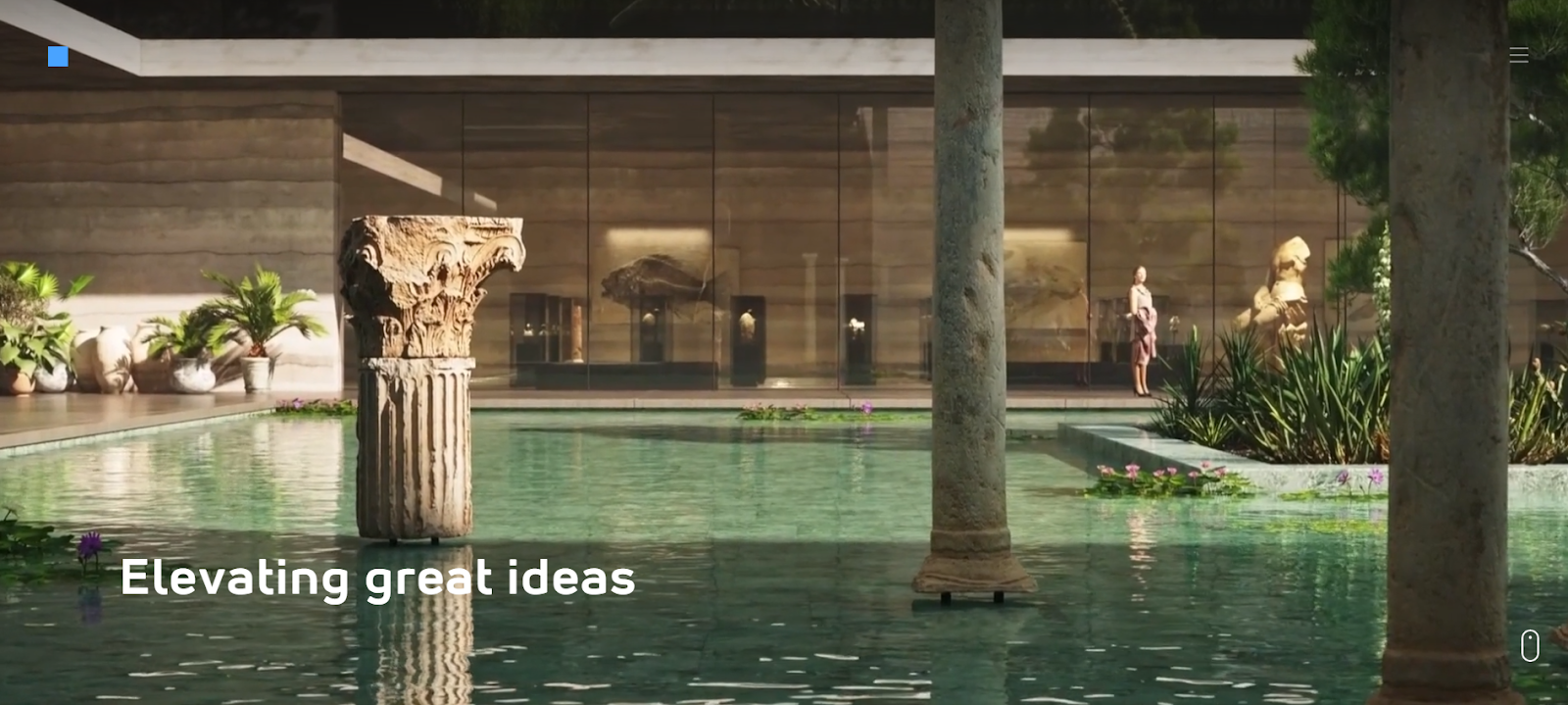
Brick Visual is an architectural visualization studio. It was founded in 2012. The studio creates high-quality 3D images and animations for clients in architecture, development, and design. These clients are located around the world.
The company employs about 100 people. These employees are artists and technical staff from 24 different countries. The main office is in Budapest. There are also other offices in Cluj-Napoca, Romania; Verona, Italy; and Porto, Portugal.
The studio's primary work involves turning architectural plans and ideas into clear visuals. These images are used for developing designs, for marketing purposes, and in presentations to clients. Additionally, Brick Visual is involved in training. They have internal programs to teach new visualization artists. They also develop their own software tools for use in training and projects.
The studio's clients are typically large, international firms. This includes major architecture practices and significant real estate developers.
Dbox
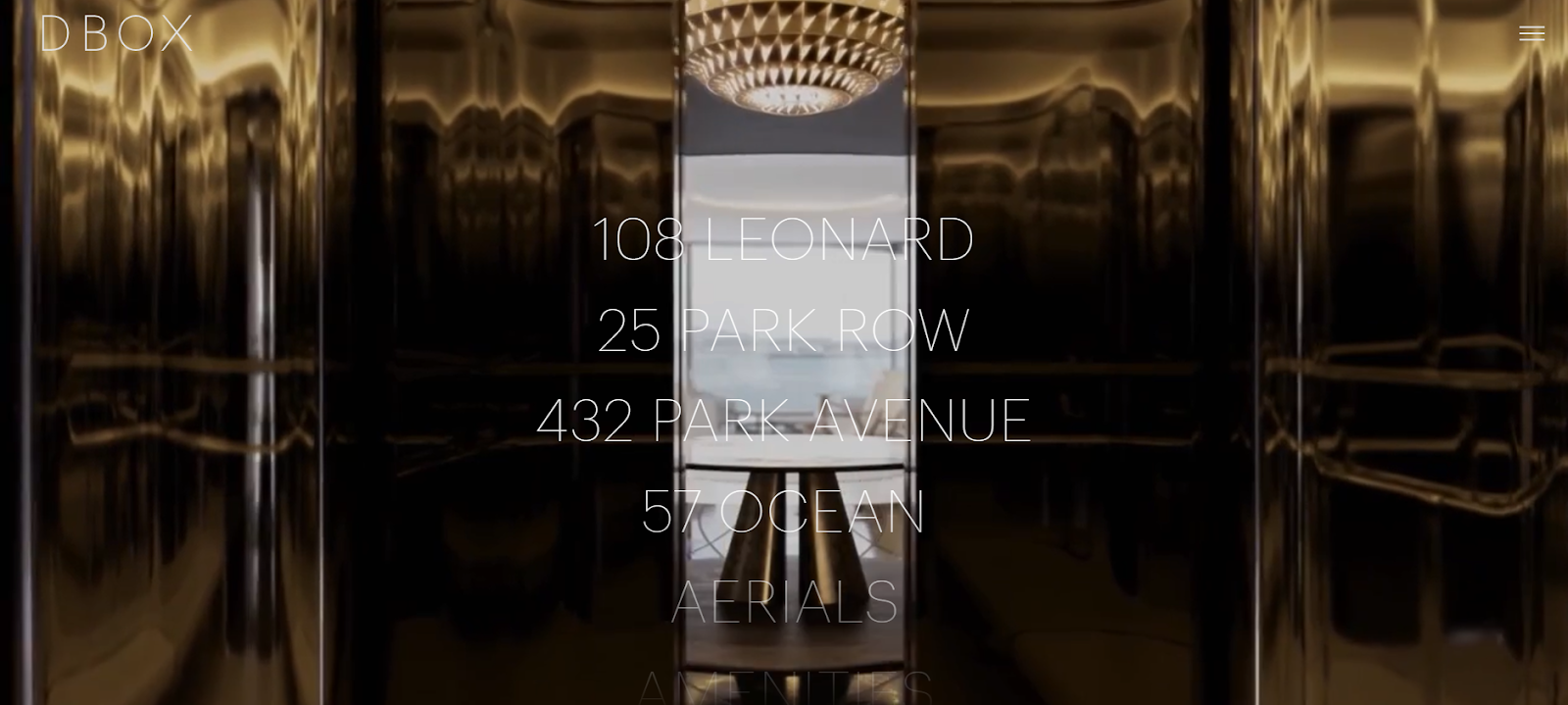
Dbox is a creative agency focused on marketing for real estate. It began in the mid-1990s as a pioneer in using CGI for architectural visuals, replacing traditional hand-drawn methods.
The agency creates marketing campaigns for luxury residential, hospitality, commercial, and cultural developments. Its services aim to achieve specific business outcomes, including driving sales, securing leases, obtaining planning approvals, and building public awareness.
With over 20 years of experience, Dbox has grown from a small studio into an international agency. It now operates offices on three continents, including three in the United States and one in the United Kingdom. This structure supports the sharing of market insights across regions.
A defining aspect of Dbox is its focus on architectural photography. The founders consider it an essential tool for helping visualizers understand and present architecture realistically.
The Boundary
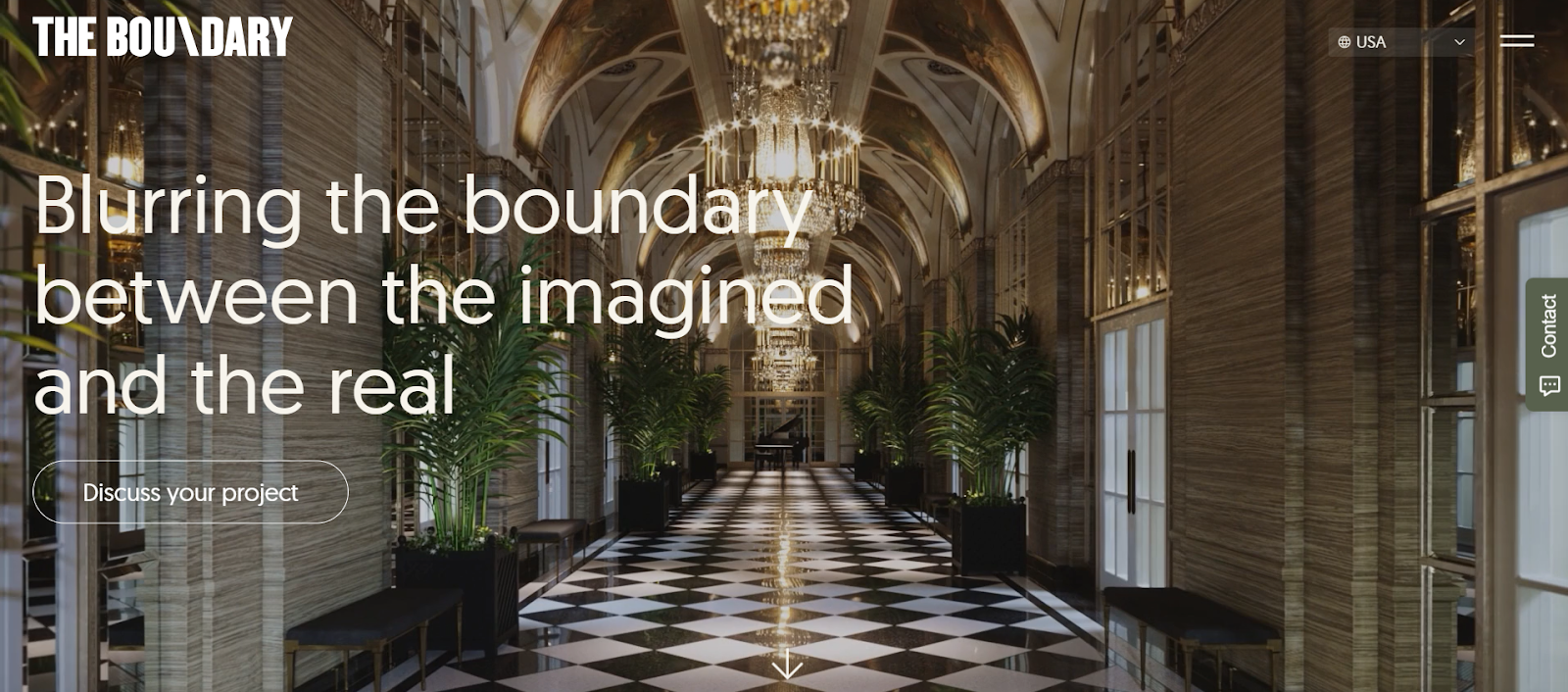
The Boundary is a top visualization studio founded in 2014 by Peter Guthrie and Henry Goss. With offices in London and New York, they've grown fast by creating digital visuals for the world's most high-end real estate and architecture. They're the trusted partner for leading architects, including Pritzker Prize winners.
Services for Real Estate & Architecture:
- High-End Architectural Visualization & Still Imagery.
- Cinematic Animations & Film.
- Interactive Virtual Reality (VR) Tours.
- Digital Content for Marketing & Sales Campaigns.
- Visual Consulting for Project Development & Design Review.
- Workflow Optimization & Technical Practice Development.
Their collaborative culture leads to strong client relationships and standout work. They also run a practical blog sharing project insights and free resources, which has established them as genuine leaders in their field.
How Real Estate Developers Use 3D Rendering at Each Project Stage
3D rendering is how real estate developers de-risk a project and guide it to completion. It's not about making a single pretty picture. It's a practical toolkit that changes for each phase, solving specific problems and preventing expensive errors.
- Feasibility & Design: The process begins with basic 3D massing models. These simple volumes are used to test a building's scale, unit layouts, and sight lines. Reviewing these fundamental models allows the team to finalize the optimal form efficiently before committing to a detailed design.
- Planning & Approvals: You need to convince the planning boards. Here, renderings become hyper-realistic context shots. They show the project in the existing neighborhood, proving it fits. It's visual diplomacy to get the green light.
- Investor Financing & Leasing: Use dynamic animations and VR. You're selling potential to people who need to mitigate risk. A compelling tour can secure funding or land an anchor tenant by making the unfinished project feel solid.
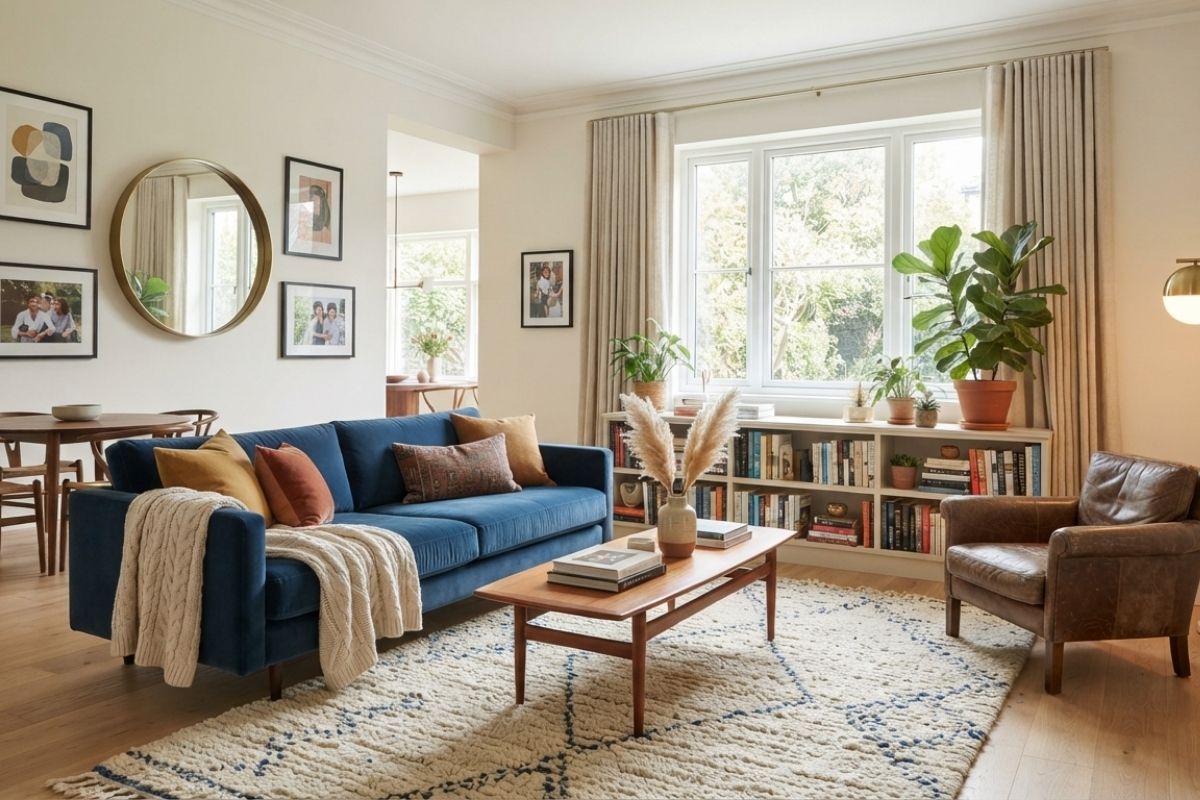
- Pre-Sales & Marketing: Use warm, detailed interior renders. Buyers can't visualize empty space. You show them finished homes, full of light and life, to trigger an emotional purchase decision and accelerate sales.
Conclusion
Selecting a 3D rendering studio is a key project decision. It affects every stage of development. The studios profiled here are leading industry partners. They each provide a distinct combination of artistic skill, technical knowledge, and practical experience in real estate development. Their expertise supports projects from initial concept through to final completion and sales.


.svg)

.jpg)