
Living Off-Grid in a Tiny House in Spain: Pros, Cons & Tips

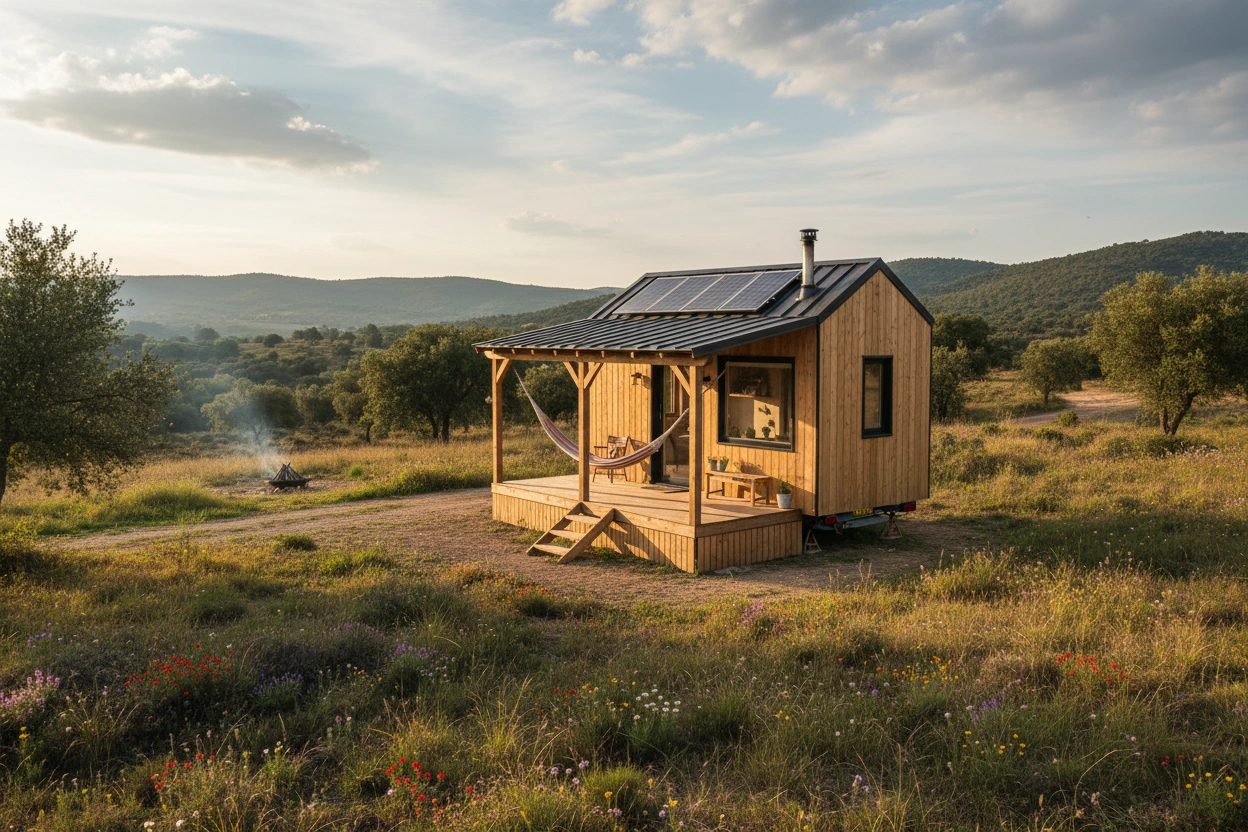
The concept of living off-grid has gained considerable traction in recent years, especially in picturesque locations like Spain. With a focus on sustainability, minimalism, and self-sufficiency, many individuals and families are opting for a tiny house in Spain as their primary residence. This article delves into the advantages and disadvantages of this lifestyle, provides actionable tips for making the transition, and highlights some of the best tiny house communities across the country.
Understanding the Tiny House Movement

The tiny house movement emphasizes downsizing living spaces to create a more sustainable and fulfilling lifestyle. In Spain, this movement has become increasingly popular, particularly among those seeking an escape from the hustle and bustle of urban life. Living in a tiny house allows for a simpler existence, with fewer possessions and a greater connection to nature.
Benefits of Living Off-Grid
Living off-grid in a tiny house in Spain offers a variety of benefits, including:
- Reduced Living Costs: Tiny houses require fewer resources, leading to lower utility bills and mortgage payments.
- Sustainability: Many tiny homes are designed with eco-friendly materials and energy sources, promoting a more sustainable lifestyle.
- Flexibility: Tiny houses can often be relocated, providing the freedom to change your environment without the constraints of traditional housing.
Common Misconceptions
Despite the appeal, there are several misconceptions about living off-grid in a tiny house:
- Limited Space: While space is indeed limited, many tiny homes are designed with multifunctional furniture and smart storage solutions that maximize usability.
- Isolation: Living off-grid does not necessarily mean living in isolation. Many tiny house communities foster a sense of community and support among residents.
- Lack of Comfort: Tiny houses can be just as comfortable and stylish as traditional homes, with modern amenities and thoughtful design.
Pros of Living in a Tiny House in Spain
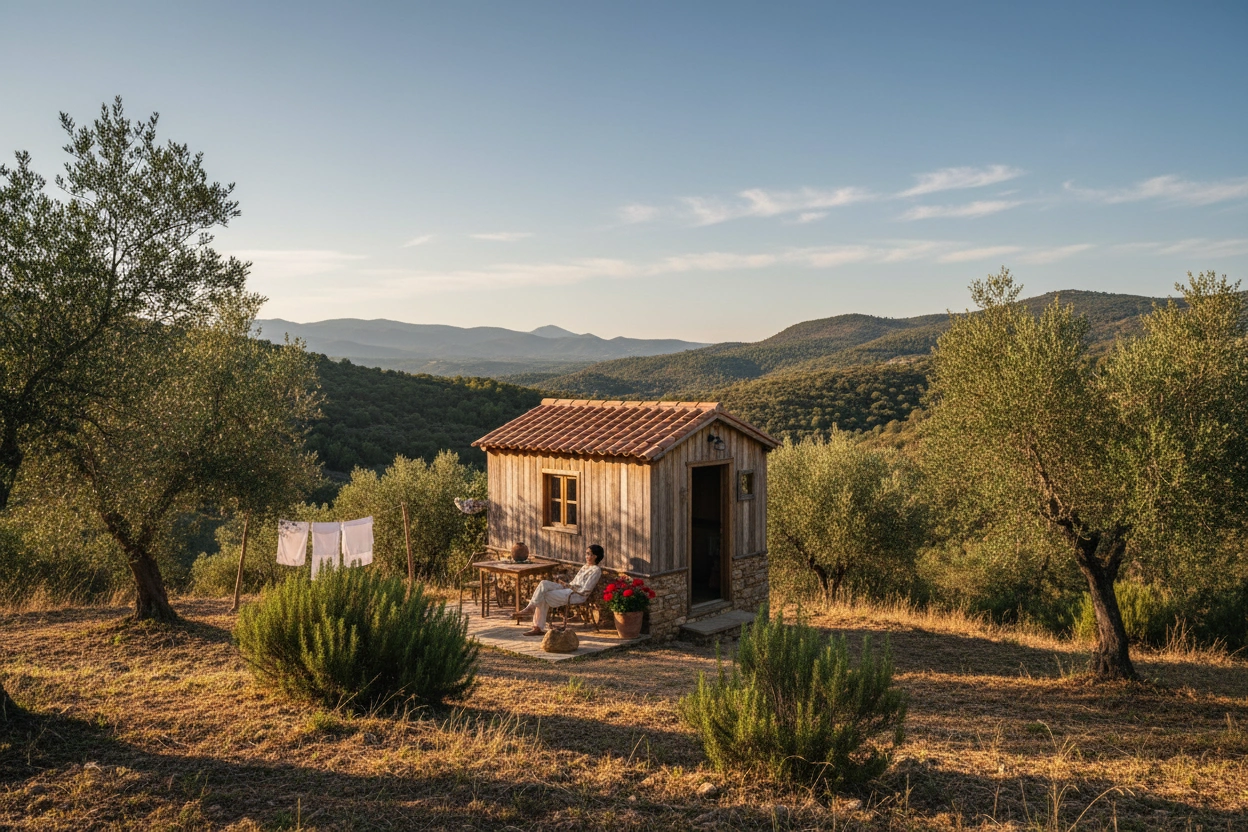
Choosing to live in a tiny house in Spain comes with numerous advantages that can enhance your quality of life. Here are some of the main benefits:
1. Affordability
One of the most significant draws of tiny houses is their affordability. In Spain, the cost of traditional housing can be prohibitive, especially in urban areas. A tiny house can be a fraction of the price, allowing for homeownership without the heavy financial burden.
2. Environmental Impact
Tiny houses typically consume fewer resources than traditional homes. They often utilize renewable energy sources such as solar panels and rainwater collection systems, significantly reducing their environmental footprint. This sustainable approach aligns with the growing awareness of climate change and the importance of eco-friendly living.
3. Minimalist Lifestyle
Living in a tiny house encourages a minimalist lifestyle, prompting residents to prioritize experiences over possessions. This shift can lead to reduced stress and a greater appreciation for life’s simple pleasures.
4. Connection to Nature
Many tiny houses are located in rural or semi-rural areas, providing residents with direct access to nature. This proximity can improve mental well-being and promote a healthier lifestyle through outdoor activities.
Cons of Living in a Tiny House in Spain

While there are many benefits to living in a tiny house, it is essential to consider the potential drawbacks as well. Here are some common challenges faced by tiny house dwellers:
1. Zoning Regulations
In Spain, zoning laws can be strict, particularly regarding where tiny homes can be placed. It is crucial to research local regulations before purchasing or building a tiny house to avoid legal complications.
2. Limited Space
While many people appreciate the cozy aspect of tiny living, the limited space can be a significant adjustment for some. Effective organization and smart design are necessary to make the most of the available square footage.
3. Resale Value
The market for tiny homes is still developing in Spain, which may impact resale value. Potential buyers may be hesitant to invest in a tiny house, making it essential to consider long-term plans before committing to this lifestyle.
4. Lifestyle Adjustments
Transitioning to a tiny house often requires significant lifestyle changes. Residents may need to adapt to a smaller living area, fewer possessions, and a different pace of life.
Tips for Living Off-Grid in a Tiny House in Spain
Transitioning to a tiny house in Spain involves careful planning and consideration. Here are some actionable tips to help you navigate this lifestyle change:
1. Research Tiny House Communities
Spain has a growing number of tiny house communities that offer support and resources for those looking to live off-grid. Researching these communities can provide valuable insights into the lifestyle and help you connect with like-minded individuals. Here are some of the top tiny house communities in Spain:
- Tiny House Village in Cantabria: Nestled in a lush green landscape, this community offers a range of tiny house options, focusing on sustainability and community living.
- Sustainable Living in La Alpujarra: This community emphasizes eco-friendly practices and features beautiful tiny homes with stunning mountain views.
- Eco Tiny Houses in Andalusia: Located in the heart of Andalusia, this community promotes off-grid living and offers workshops on sustainable practices.
- Tiny House Eco-Community in Asturias: This picturesque location offers a serene environment and a close-knit community focused on sustainable living.
- Tiny House Community in Valencia: This urban community combines the benefits of tiny living with the vibrancy of city life, providing access to local amenities.
2. Plan Your Design Carefully
Before building or purchasing a tiny house, consider your design needs carefully. Focus on multifunctional furniture and smart storage solutions to maximize space. Think about how you will utilize each area, ensuring that every square meter serves a purpose.
3. Embrace Sustainable Practices
Integrating sustainable practices into your lifestyle is essential for off-grid living. Consider installing solar panels, composting toilets, and rainwater harvesting systems. These choices not only reduce your environmental impact but can also lead to significant cost savings.
4. Prepare for Seasonal Changes
Living in a tiny house means being prepared for seasonal changes. Invest in proper insulation and heating systems for winter months and consider shading options for summer to keep your home comfortable year-round.
5. Develop a Support Network
Connecting with others in the tiny house community can provide invaluable support and resources. Attend local events, join online forums, or participate in workshops to build relationships and share experiences. financial freedom can be achieved through community engagement.
Overcoming Common Mistakes in Tiny House Living
As with any lifestyle change, moving into a tiny house can come with its own set of pitfalls. Being aware of common mistakes can help you avoid unnecessary challenges:
1. Underestimating Space Needs
When designing a tiny house, it's easy to underestimate how much space you actually need. Consider your lifestyle and habits to ensure that your home can accommodate your needs comfortably.
2. Skipping Research
Failing to research local zoning laws and tiny house regulations can lead to complications down the road. Always check local guidelines before making any commitments.
3. Neglecting Community Involvement
Living in a tiny house often means living in a community. Neglecting to engage with your neighbors can lead to isolation. Make an effort to connect and participate in community activities.
4. Ignoring Maintenance
Tiny houses require regular maintenance just like any other home. Create a schedule for upkeep to ensure your home remains in good condition and avoid costly repairs.
The Future of Tiny House Living in Spain
As the tiny house movement continues to grow, it is likely that more people in Spain will embrace this lifestyle. With an increasing focus on sustainability and affordability, tiny homes offer an attractive solution for those seeking a simpler way of living.
Trends to Watch
- Increased Demand for Eco-Friendly Homes: As awareness of climate change rises, more individuals are seeking sustainable living options. Tiny houses that utilize renewable energy and eco-friendly materials will likely see increased demand.
- Growing Tiny House Communities: The establishment of more tiny house communities across Spain will provide additional support and resources for those looking to live off-grid.
- Innovative Designs: As the market evolves, expect to see more innovative designs that maximize space and functionality, catering to the diverse needs of tiny house dwellers.
The Intersection of Tiny Living and Sustainable Practices
Living off-grid in a tiny house in Spain not only offers a unique lifestyle but also aligns with broader movements towards sustainability and minimalism. By choosing this path, residents can enjoy the benefits of reduced living costs, a smaller environmental footprint, and a more fulfilling way of life.
If you are considering making the leap to a tiny house in Spain, TinyHouse.com is here to support you. From resources on building your own tiny home to insights on tiny home advice, our platform provides the information you need to navigate this exciting lifestyle.
For more information on tiny homes and to explore your options, visit TinyHouse.com today.


.svg)
.jpg)
.jpg)
.jpg)
.jpg)