Loft Ladder vs. Stairs: Which is Safer in a Tiny House Airbnb?

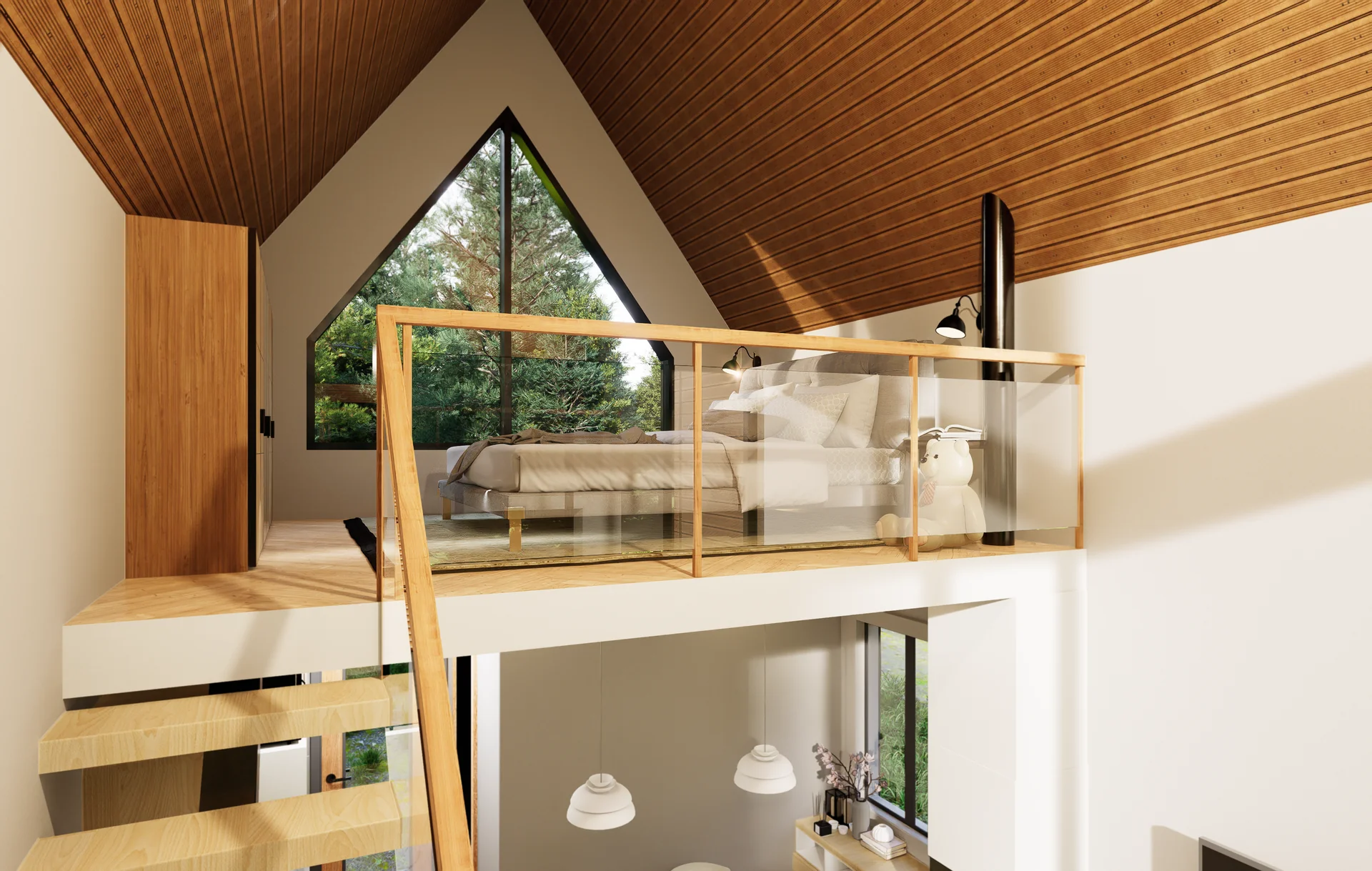
A steep ladder will leave more room for the floor, and stairs will likely furnish more conventional steps and handrails. Safety is dependent upon the degree of loft, entry design, and guest requirements, in addition to local building codes.
Hosts should clearly detail loft access and identify any potential hazards, especially those related to height. Airbnb's safety guidelines include notifying guests about hazards present on the property and responding to safety concerns. Choosing the right access option is therefore an important part of preparing a tiny house for short-term rentals.
How a Loft Ladder Changes the Risk
A loft ladder takes up little room and fits into a small house where every inch counts. However, steep rungs, an awkward incline, or poor gripping locations may increase the challenge of climbing, particularly for tired guests wearing socks or those unfamiliar with the space.
The design and placement of a loft ladder can significantly affect how safely guests use it. Fixed ladders are generally more stable than portable alternatives because they are secured in place. However, the angle, rung spacing, and available handholds still matter. A ladder that feels manageable to the homeowner may be uncomfortable or intimidating for a first-time visitor.
Another consideration is the transition between the ladder and the loft platform. Guests need enough room to step off safely without hitting their heads, losing their balance, or encountering nearby furniture. The top of the ladder should have a secure handhold, and the surrounding area should remain free of obstructions.
Hosts should also consider how guests will use the ladder at night. Someone waking up to use the bathroom may have difficulty navigating steep rungs in low lighting. Motion-activated lights or conveniently placed switches can make the experience safer.
Why Stairs Often Feel Safer
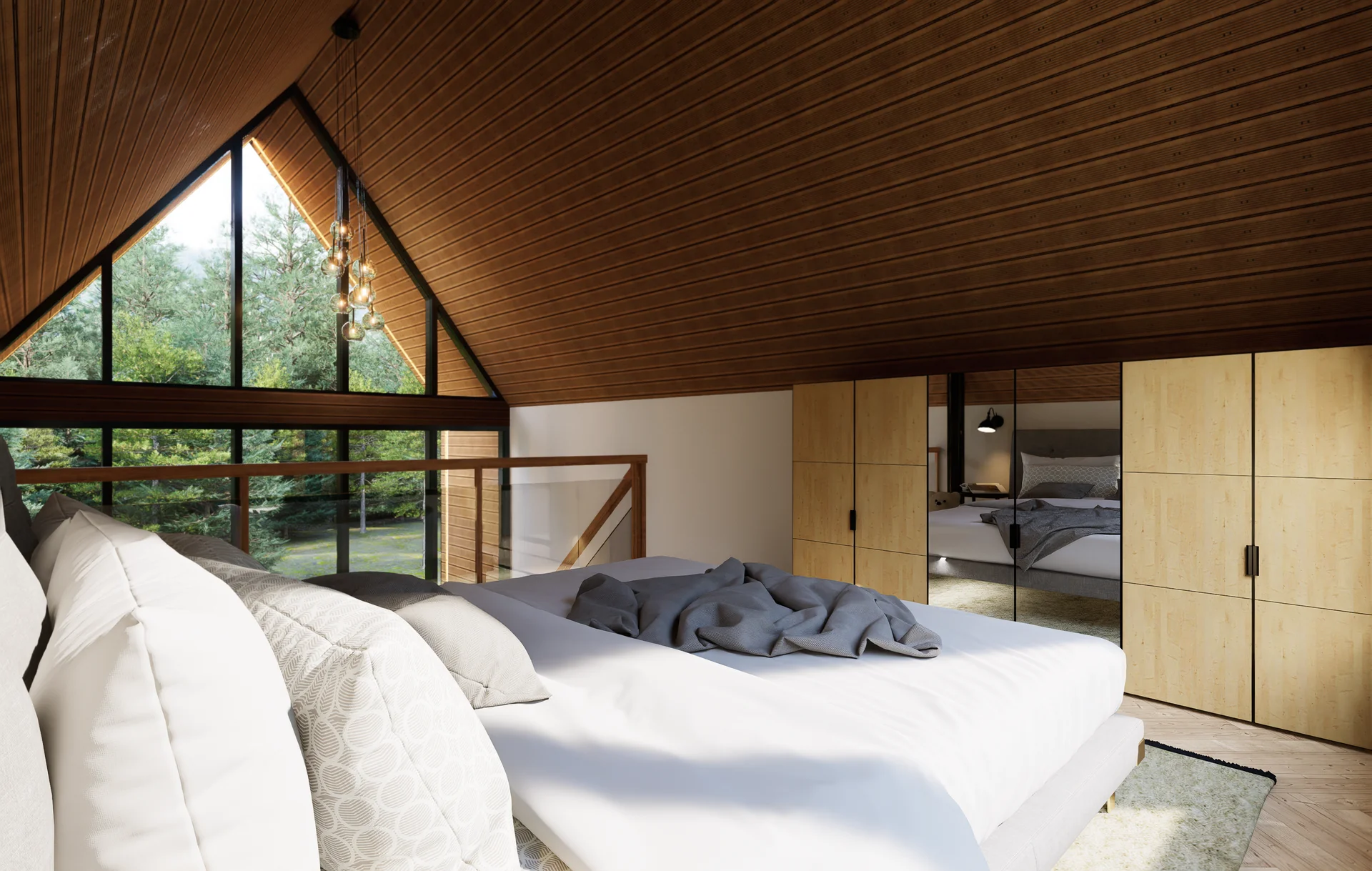
A staircase is usually easier for guests to navigate because each step provides a stable base for the entire foot, while a handrail offers additional support. Stairs are generally more accessible for older adults, children with supervision, and anyone carrying luggage.
However, even stairs can be dangerous in some cases. Stairs can be designed in a compact size or with alternate risers and treads in a tiny house. Hosts should check the building codes applicable to their property before choosing a design.
The width, depth, and height of each step should be consistent to reduce the possibility of missteps. Uneven steps can catch guests off guard, particularly when they are unfamiliar with the layout. A sturdy handrail that is easy to reach throughout the staircase also provides additional stability.
Staircases can take up valuable floor space, but they may offer an opportunity for additional storage. Built-in drawers, cabinets, or shelving underneath the stairs can help maximize the available area without compromising the overall layout. This makes stairs a practical option for tiny house rentals where guest comfort and functionality are equally important.
Unsafe stairs or loft ladders can pose more than just safety concerns for Airbnb hosts, especially if a guest is injured. In these situations, victims looking for a lawyer for Airbnb accident claims can assess whether unsafe conditions, inadequate warnings, or poor maintenance contributed to the fall. Liability depends on the circumstances, including who controlled the property and whether the host or another party acted negligently.
A Guest-Safety Checklist
Assess the area before guests arrive, from the ground floor to the loft. Moreover, have another person unfamiliar with the property assess it thoroughly before opening. A fresh perspective can reveal design problems that homeowners may overlook because they are already accustomed to the layout.
You can also follow these recommendations:
- Select firm and stable access points, with non-slip strips, secure rungs, and a reliable handhold.
- Provide bright lighting at both ends of the ladder or staircase, keeping the landing area free of furniture and clutter.
- Install a guardrail around the loft opening and ensure doors, bedding, or other belongings do not block the access point.
- Clearly state in the listing if guests will need to climb a ladder to reach the sleeping area. Consider whether this arrangement is appropriate for your intended guests.
- Inspect ladders, stairs, handrails, and fasteners regularly for loose connections, cracks, or signs of wear.
- Use non-slip flooring or suitable stair treads to reduce the risk of slipping, especially when guests are barefoot or wearing socks.
- Provide clear instructions explaining how to use the loft access safely, particularly if the design is unusual or requires a specific climbing technique.
- Keep children away from loft ladders when they are not being supervised, and make sure guests understand any age-related restrictions.
It is also worth considering the type of flooring around the ladder or staircase. Hard surfaces such as tile, concrete, or hardwood can make falls more serious. Adding a properly secured rug or soft flooring in appropriate areas may help, provided it does not create a tripping hazard.
Checking the Rules Before You Decide
Each jurisdiction has different building requirements when it comes to loft spaces, mezzanines, or another level, all of which may encompass sleeping areas. Certain building codes only allow specific types of ship's ladders in limited situations. Others may consider certain ladder designs unsuitable as the required access to a sleeping loft. Therefore, consult your local building department or a qualified inspector before implementing a space-saving option.
Pay particular attention to requirements involving minimum ceiling heights, stair dimensions, guardrail heights, handrail placement, and emergency egress. These requirements may vary depending on whether the tiny house is classified as a permanent dwelling, an accessory dwelling unit, or a recreational vehicle. A design that is acceptable for one property type may not meet the requirements for another.
Hosts should also check whether their short-term rental insurance covers injuries involving loft access. Building compliance, insurance coverage, and Airbnb's platform requirements are separate considerations, so satisfying one does not automatically mean the others have been met.
If you are renovating an existing tiny house, consider having the access system inspected before accepting reservations. A professional can identify structural weaknesses, inadequate clearances, and other issues that may not be obvious during a routine visual inspection.
Choosing the Right Option for Your Airbnb
If space allows, stairs are typically safer and more convenient than a steep ladder. They are usually the more sensible choice for a rental that accommodates a broad mix of guests, including families and older adults.
However, a properly installed and maintained ladder can still work in a tiny house designed for guests who are comfortable using loft access. The key is to understand the limitations of each option and avoid prioritizing floor space over guest safety.
Consider your target audience, the loft's height, the available floor area, and applicable building regulations before making a final decision. Be sure to follow local requirements, secure access points, install adequate lighting and guardrails, and inform guests what to expect before their arrival.
Ultimately, a well-designed tiny house Airbnb should make guests feel comfortable without requiring them to take unnecessary risks just to reach their sleeping area. A little extra planning during construction or renovation can make a significant difference in creating a safer and more enjoyable stay.