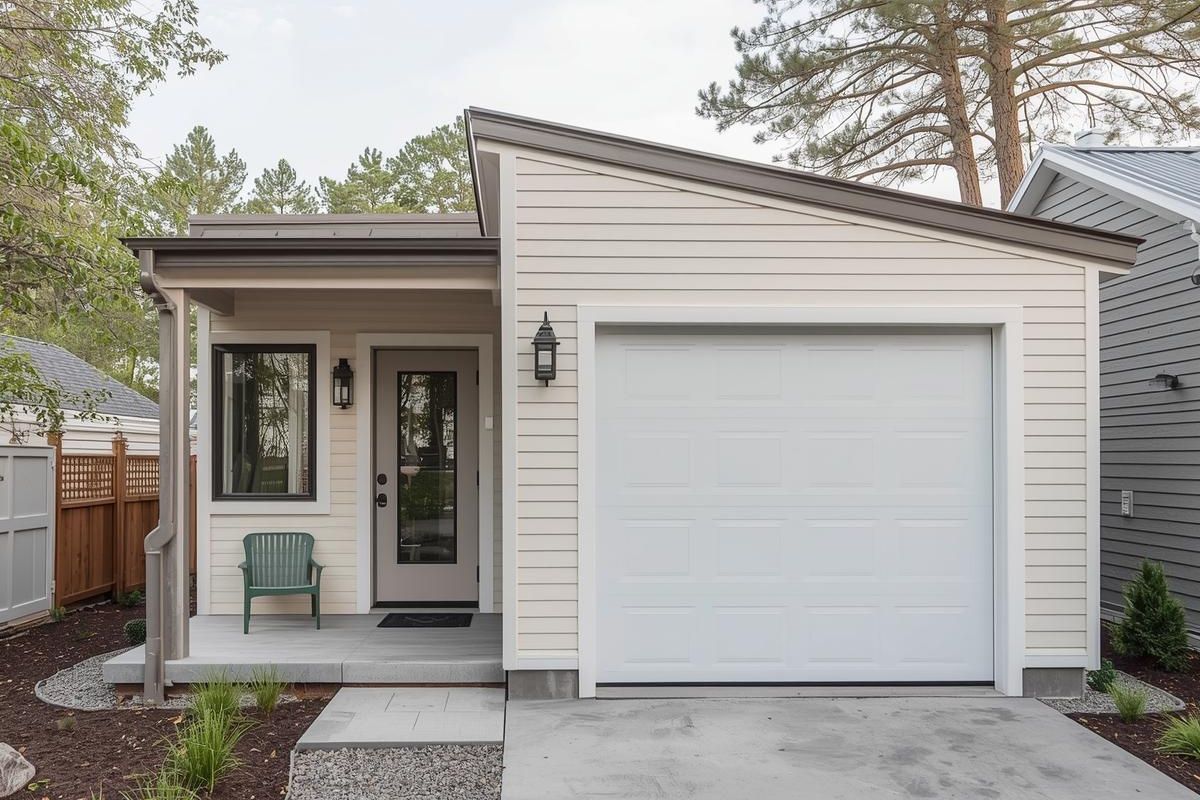
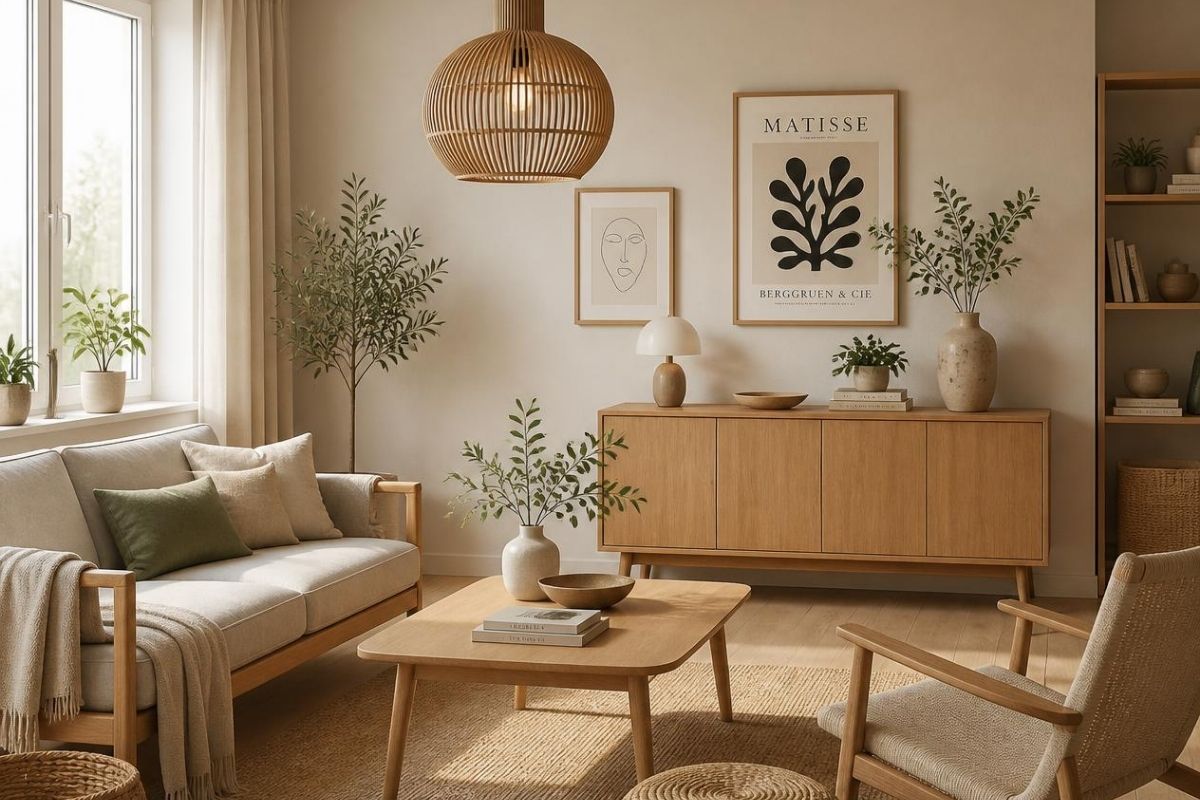
Tiny House in Spain vs. Traditional Homes: Which Is Right for You?


The allure of a tiny house in Spain is increasingly captivating those seeking a minimalist lifestyle, affordability, and a connection to nature. As the cost of living continues to rise, many individuals and couples are considering the benefits of downsizing their homes to embrace a simpler way of life. In contrast, traditional homes still hold their appeal, particularly for families desiring more space and stability. This article will compare the two housing options, explore the top tiny house communities in Spain, and provide actionable insights to help you determine the right choice for your lifestyle.
Understanding the Concept of Tiny Homes
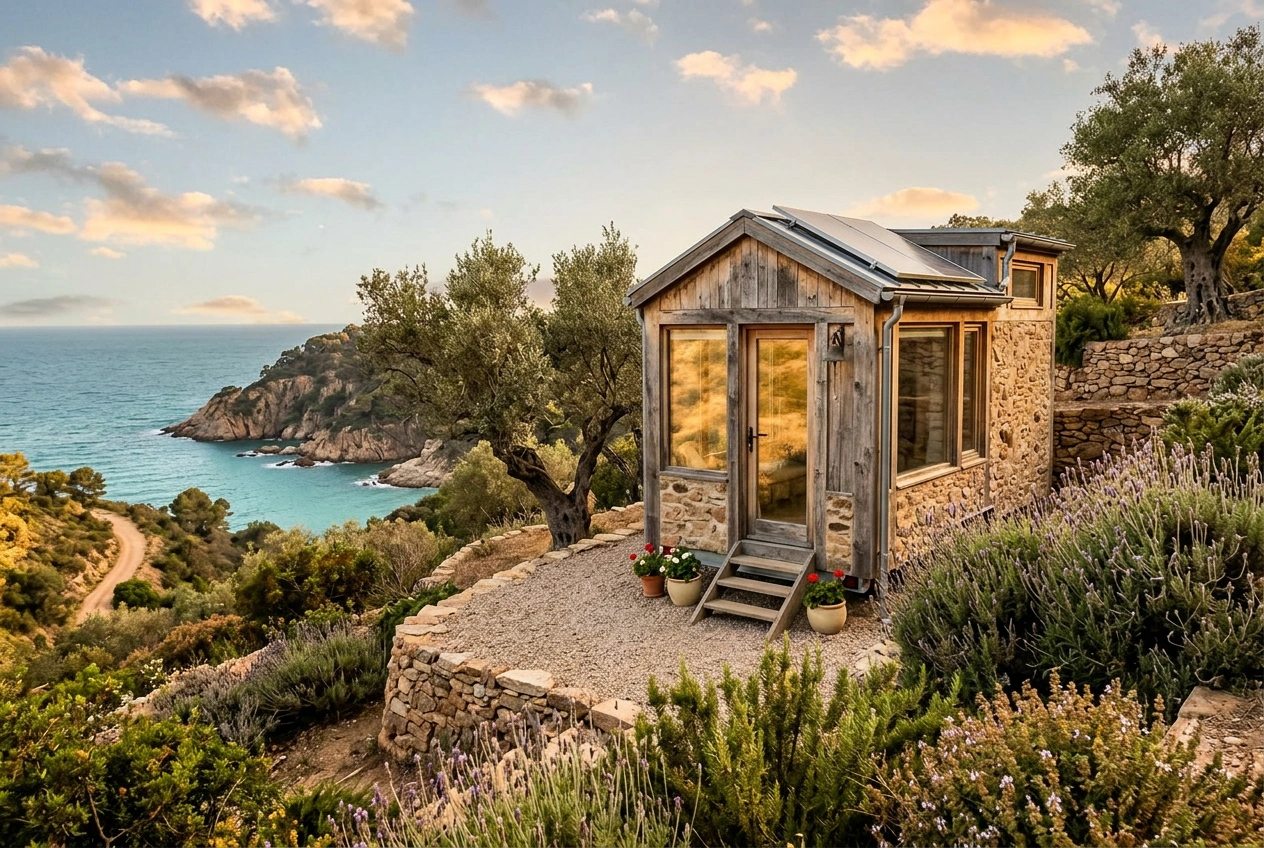
Tiny homes are typically defined as dwellings that are significantly smaller than the average home, often measuring less than 400 square feet. They are designed to maximize functionality while minimizing environmental impact and costs. The tiny house movement promotes a lifestyle centered around minimalism, sustainability, and intentional living.
The Appeal of Tiny Houses
- Affordability: One of the most significant advantages of a tiny house in Spain is its lower cost. These homes are generally more affordable than traditional homes, making homeownership accessible to a broader audience.
- Sustainability: Tiny houses often utilize eco-friendly materials and energy-efficient designs, aligning with the growing trend of sustainable living.
- Mobility: Many tiny homes are built on trailers, allowing owners to relocate easily. This flexibility can be appealing for remote workers or those wanting to travel.
The Case for Traditional Homes
- Space and Comfort: Traditional homes offer more space, which can be essential for families or those who desire separate rooms for work and leisure.
- Investment Potential: Real estate traditionally appreciates over time, making a larger home a potentially better long-term investment.
- Established Infrastructure: Traditional neighborhoods often come with established amenities, schools, and community services, which can be critical for families.
Key Considerations When Choosing Between a Tiny House and a Traditional Home
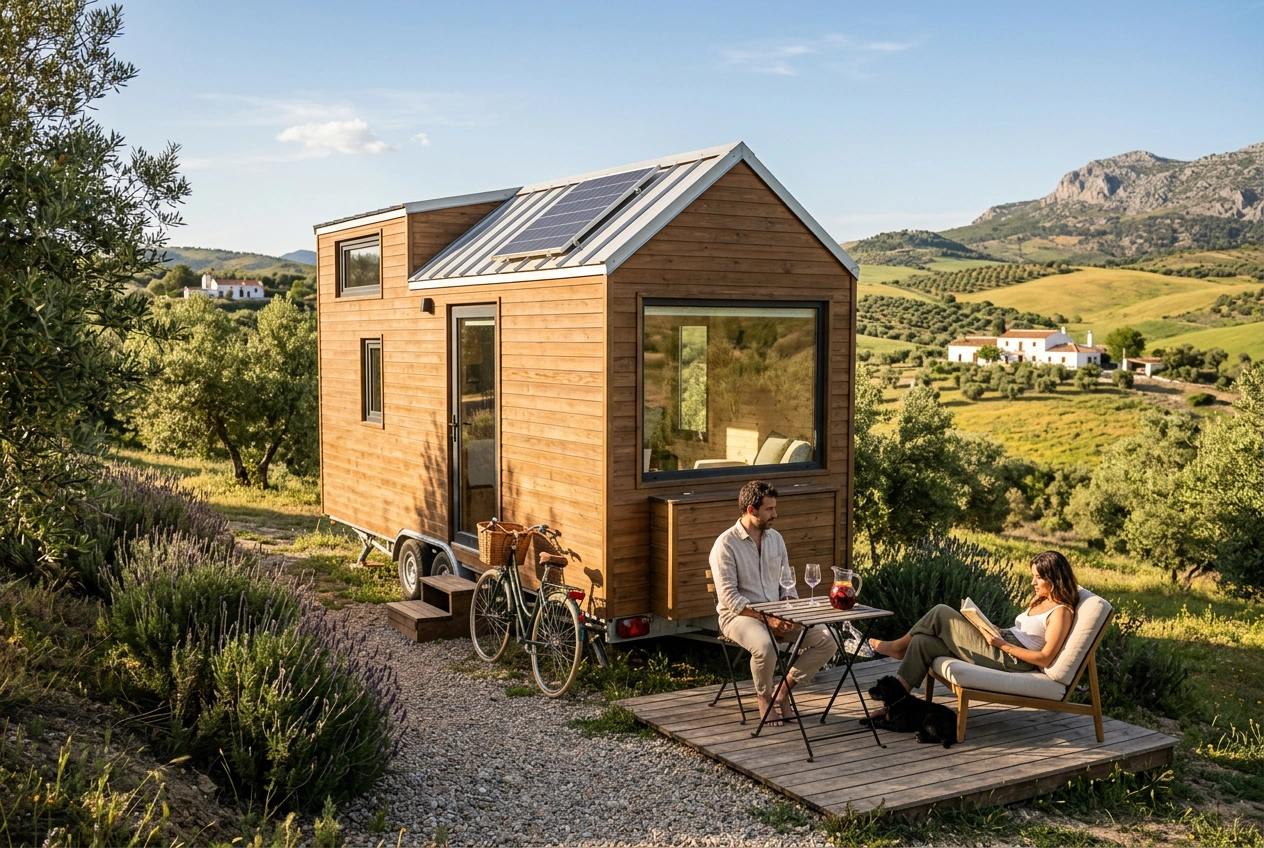
Selecting between a tiny house in Spain and a traditional home involves various factors that align with your lifestyle, financial situation, and personal preferences.
Financial Implications
- Initial Costs: Tiny houses can be built or purchased at a fraction of the cost of traditional homes. However, consider additional costs such as land, utilities, and permits.
- Ongoing Expenses: Utilities, maintenance, and property taxes are typically lower for tiny houses, which can lead to significant savings over time.
- Financing Options: Securing a mortgage for a tiny home can be challenging, as many lenders are more familiar with traditional home financing.
Lifestyle Preferences
- Space Requirements: Evaluate how much space you genuinely need. A tiny house may be perfect for individuals or couples but may feel cramped for families.
- Community and Lifestyle: Tiny house communities often foster a close-knit environment, while traditional homes may offer more privacy and varied social interactions.
- Future Plans: Consider your long-term goals. If you plan to expand your family, a traditional home may be more suitable.
Top 10 Tiny House Communities in Spain
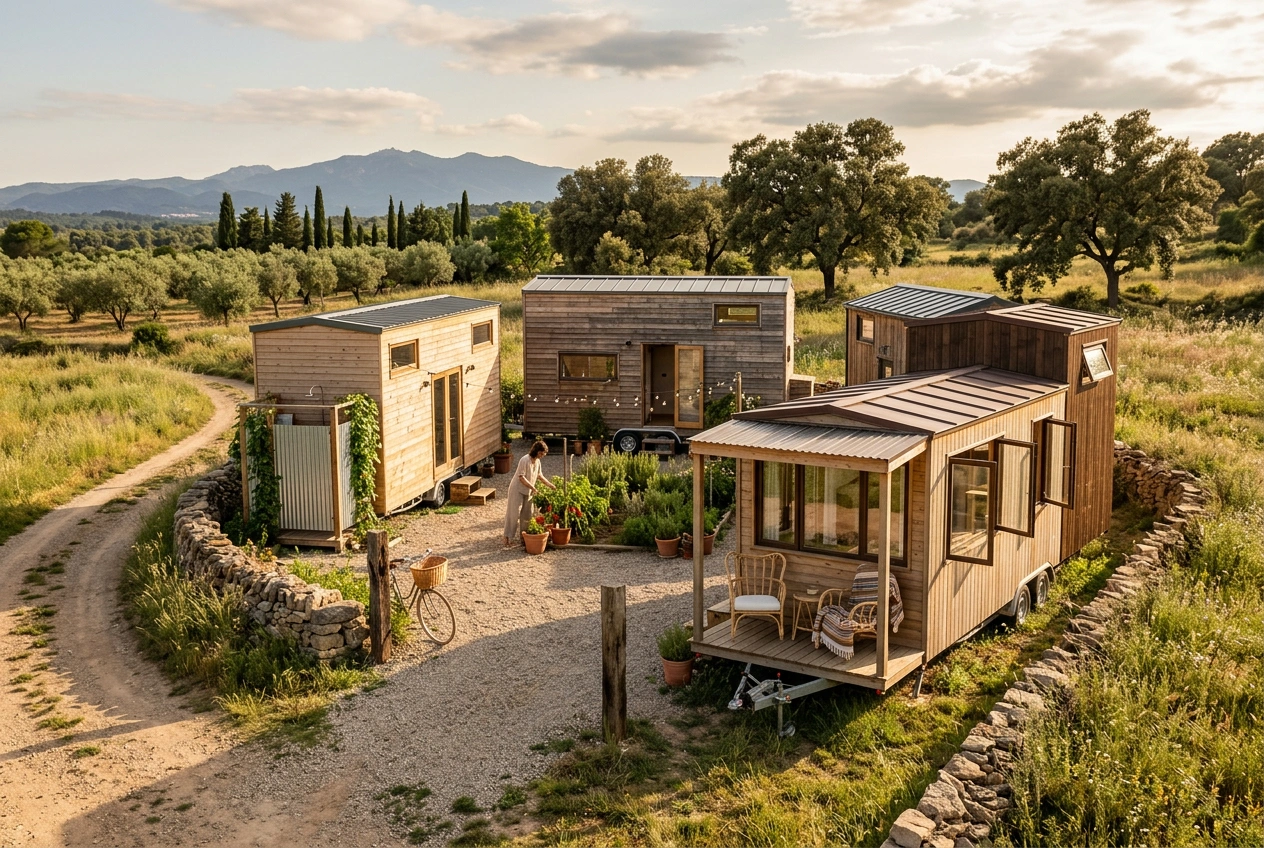
Spain has become a haven for tiny house enthusiasts, with various communities offering unique living experiences. Here are ten notable tiny house communities where you can find affordable tiny homes in Spain:
Tiny House Village in Valencia: This vibrant community is known for its innovative designs and commitment to sustainability, featuring homes built with eco-friendly materials.
EcoVillage in Andalusia: Nestled in the hills, this community emphasizes organic farming and communal living, making it ideal for those seeking a connection to nature.
Tiny Houses in Girona: Located in Catalonia, this community offers stunning views and proximity to beautiful landscapes, perfect for outdoor lovers.
Casa en el Aire: Situated in the heart of Spain, this community focuses on artistic expression and creativity, encouraging residents to personalize their tiny homes.
La Casita Verde: A tiny house community dedicated to eco-friendly living, offering workshops on sustainability and self-sufficiency.
Tiny House Eco Resort in Mallorca: This resort combines vacation rentals with permanent tiny homes, allowing residents to enjoy a beautiful Mediterranean lifestyle.
EcoTiny in Galicia: Known for its breathtaking scenery, this community offers a blend of traditional and modern tiny house designs.
Tiny House Collective in Madrid: An urban community that promotes sustainable living within the city, providing easy access to amenities while minimizing environmental impact.
Green Living Community in Asturias: Focused on permaculture and eco-living, this community offers workshops and shared resources to promote sustainable practices.
Finca La Isla: Located in the stunning landscapes of Spain, this community integrates nature with tiny living, providing a peaceful retreat for residents.
Common Misconceptions About Tiny Houses
While tiny houses offer numerous advantages, several misconceptions can lead to hesitance in considering this lifestyle.
Misconception 1: Tiny Houses Are Too Small for Comfort
Many people assume that tiny houses are cramped and uncomfortable. However, with clever design and thoughtful organization, these homes can be both functional and cozy. Multi-purpose furniture and open layouts can create a sense of spaciousness, allowing residents to enjoy their living space fully.
Misconception 2: Tiny Houses Are Only for Minimalists
While minimalism is a core principle of the tiny house movement, it is not the only lifestyle that can benefit from tiny living. Many families and individuals who appreciate simplicity and a smaller ecological footprint find joy in tiny homes, regardless of their minimalism status.
Misconception 3: Tiny Houses Are Not Suitable for Families
Although living in a tiny house may seem challenging for families, many designs cater specifically to families with children. With innovative storage solutions and flexible spaces, families can thrive in tiny homes while enjoying a close-knit lifestyle.
Practical Tips for Transitioning to a Tiny House in Spain
Transitioning to a tiny house requires careful planning and consideration. Here are some practical steps to help facilitate this process:
Assess Your Needs: Start by evaluating your lifestyle and space requirements. Consider how much space you genuinely need and how you can maximize functionality within a tiny house.
Research Locations: Investigate various tiny house communities in Spain. Look for areas that align with your lifestyle preferences, such as proximity to nature, urban amenities, or community activities.
Create a Budget: Establish a clear budget that includes not only the purchase price but also additional costs like land, utilities, and maintenance. This will help you avoid unexpected financial burdens.
Downsize Gradually: Begin decluttering your belongings to make the transition smoother. Start with non-essential items and gradually work towards downsizing your possessions to fit your new space.
Design Your Tiny Home: Work with a designer or use DIY resources to create a layout that maximizes space and meets your needs. Focus on multi-purpose furniture and smart storage solutions.
Connect with the Community: Engage with other tiny house enthusiasts through social media or local meetups. This can provide valuable insights and support during your transition.
Making Your Decision
Choosing between a tiny house in Spain and a traditional home ultimately comes down to personal preference, lifestyle, and financial considerations. A tiny house can offer a fulfilling, low-cost lifestyle that embraces minimalism and sustainability, while traditional homes provide space and investment potential.
Reflecting on Your Choices
As you weigh your options, consider how each choice aligns with your long-term goals. Think about your lifestyle preferences, financial situation, and community desires. The right decision will resonate with your values and aspirations.
Embracing the Tiny House Lifestyle with TinyHouse.com
The decision to choose a tiny house in Spain or a traditional home is a significant one, influenced by various factors. By understanding the benefits and challenges of both options, you can make an informed choice that aligns with your lifestyle goals.
TinyHouse.com offers resources to help you navigate the tiny house movement. From guidance on building or buying a tiny home to connecting you with vibrant communities, we are here to support your journey toward a simpler, more intentional life. If you're interested in learning more about tiny homes in Spain or need assistance in your search, visit TinyHouse.com for expert insights and resources tailored to your needs.