The New Backyard Legacy: Navigating Portland’s Tiny Home and ADU Revolution

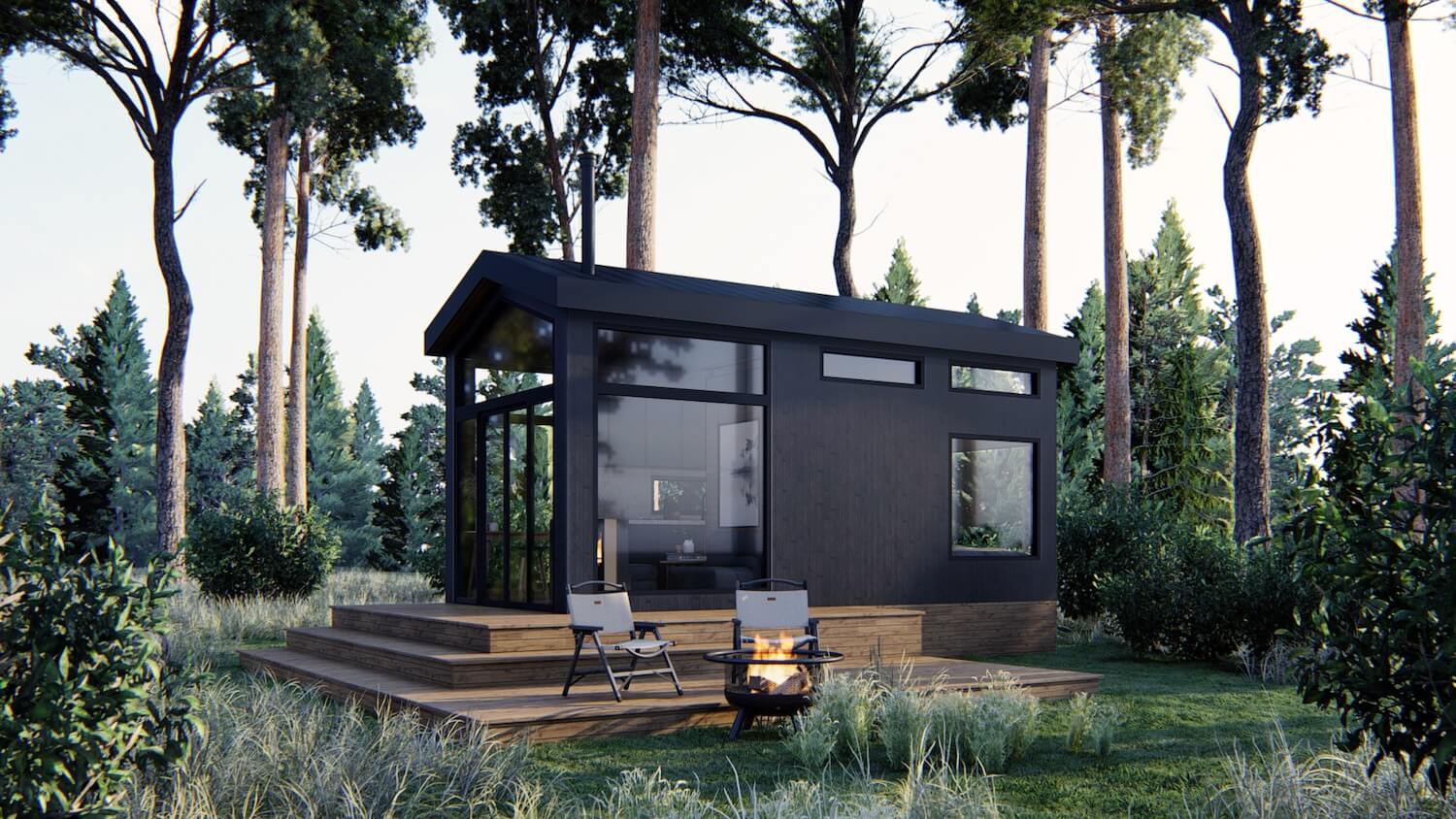
In the world of home design, we often talk about adding space as if it only happens inside the main four walls. But in 2026, the real excitement in Portland is happening just a few steps out the back door. Whether you call it a tiny home, a granny flat, or an Accessory Dwelling Unit (ADU), these small structures are changing how we think about our property, our investment portfolios, and most importantly, our families.
For many of us, especially within our Native American community, land is about more than just a boundary line or a plot on a map. It is about a connection that spans generations—a sacred space where history is kept and the future is nurtured. We are seeing a beautiful trend where families are using their backyards to create a modern legacy. Maybe it is a quiet, light-filled studio for an elder to stay close to the grandkids while maintaining their independence, or a high-quality rental that helps a young couple finally plant their own roots in the city. By 2026, the "backyard cottage" has moved from a novelty to a necessity, serving as a primary tool for wealth building and family preservation.
Why Portland is the Place to Build Small
If you have been following the news lately, you know that Portland has become a national leader in what experts call "middle housing." This movement is designed to bridge the gap between massive single-family mansions and high-rise apartments. Thanks to local zoning changes, most residential lots now allow for at least one, and often two, extra living units. This shift has turned Portland into a laboratory for small-scale architectural innovation.
This is where Deli comes into play. Just because a home is small does not mean it should feel like a compromise. In fact, in the 2026 market, "small" often means "bespoke." We are seeing a surge in luxury move-in ready 2-story homes in Portland Oregon above $1.5M that are being designed specifically with ADU potential in mind. Imagine a beautifully finished main house—featuring the soaring ceilings and open floor plans that Pacific Northwest buyers crave—paired with a matching backyard cottage that features the same organic textures, high-end stone finishes, and "Green Modernism" soul. These aren't just outbuildings; they are meticulously crafted extensions of the primary residence.
The Financial Logic of 2026
The economics of the backyard have shifted dramatically. As we navigate 2026, homeowners are realizing that an ADU is one of the highest-yield investments available. A well-designed 800-square-foot unit in a desirable neighborhood like the West Hills or Alberta Arts can generate significant monthly income, often covering a large portion of the primary mortgage.
Furthermore, the city’s System Development Charge (SDC) Waiver Program remains a powerful incentive. By committing to long-term residential rentals rather than short-term "vacation" stays, owners can save tens of thousands of dollars in upfront permitting fees. This isn't just about extra cash; it’s about "mortgage insurance" provided by your own land.
Expanding the "Missing Middle" Concept
The "Missing Middle" isn't just a planning term; it is a lifestyle solution. In 2026, the density of our neighborhoods is being reimagined to include duplexes, triplexes, and cottage clusters. For a Portlander, this means your property value is no longer tied strictly to the house you live in, but to the density potential of the dirt beneath it. This is why we are seeing a massive uptick in interest for larger lots in areas like North Portland or outer SE, where the yard space is essentially a "blank canvas" for a multi-unit compound.
Bypassing the Zoning Headache
While the potential for an ADU is exciting, the technical reality of local zoning can be a significant hurdle that stops many projects before they even break ground. Navigating the specific requirements for setbacks (often 4 feet from side and rear lines, though front setbacks vary), maximum height (typically capped at 20 feet for detached units), and complex utility connections often feels like an exercise in frustration.
For many, these regulatory layers are exactly why the traditional, unguided search for property has become obsolete. A standard real estate portal might categorize a property as having a "large garage," but it lacks the semantic intelligence to confirm if that structure is legally eligible for a residential conversion under the current Residential Infill Project (RIP) 2.0 guidelines.
This is the primary reason discerning buyers are gravitating toward Deli. It functions as a sophisticated digital concierge that understands the nuance of the local landscape. By using natural language processing, Deli can answer the complex questions that a filter cannot:
- "Find me a home in Southeast Portland with a lot size that allows for two detached ADUs."
- "Show me properties with existing 'visitable' structures that meet 2026 accessibility standards."
- "Which luxury listings above $1.5M have south-facing backyards perfect for a solar-powered tiny home?"
Deli eliminates the uncertainty. It manages the background data and zoning maps so you can move past the permit phase and focus entirely on the architectural vision for your land.
Architecture with Soul: Designing the Modern ADU
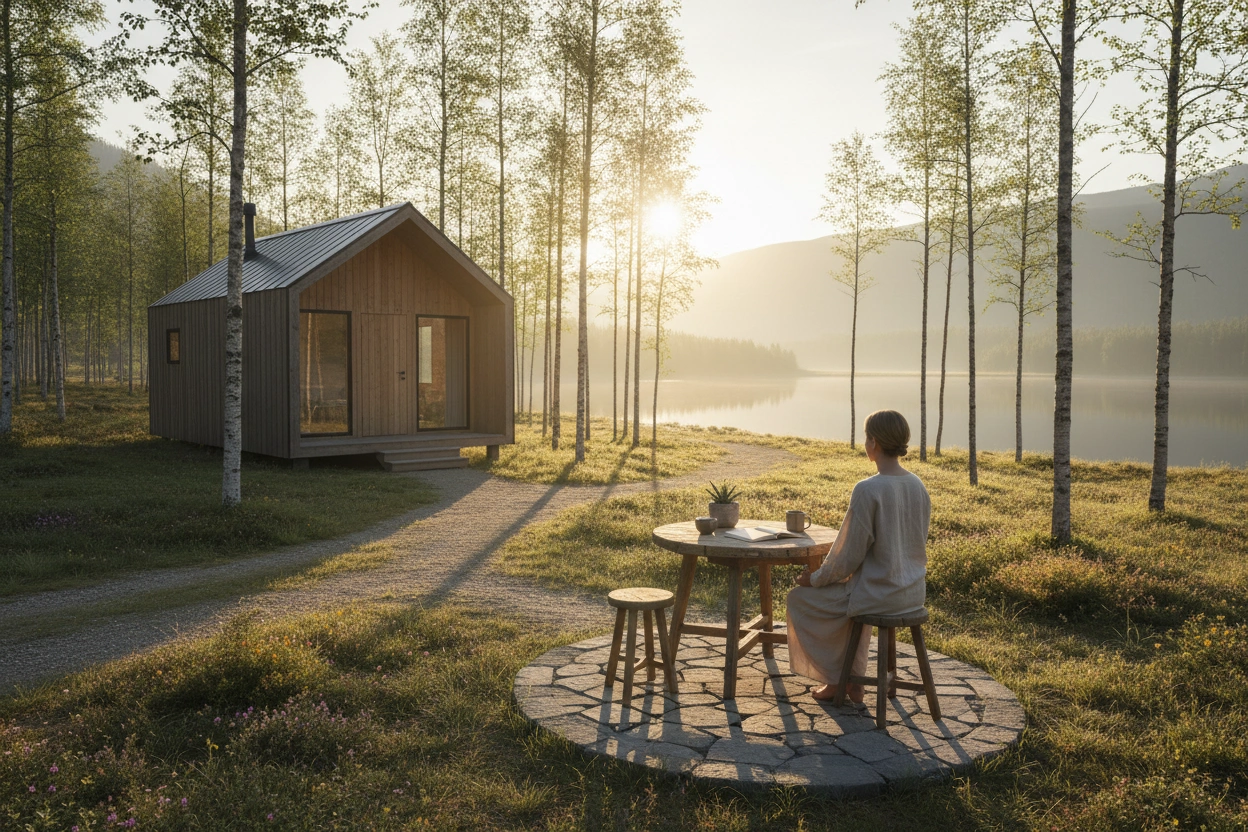
In 2026, the "Artisan Advantage" is the new gold standard for small-scale builds. Because the footprint is compact, every material choice carries more weight. We are seeing a move away from "sterile" modernism toward a more "Tactile Northwest" style.
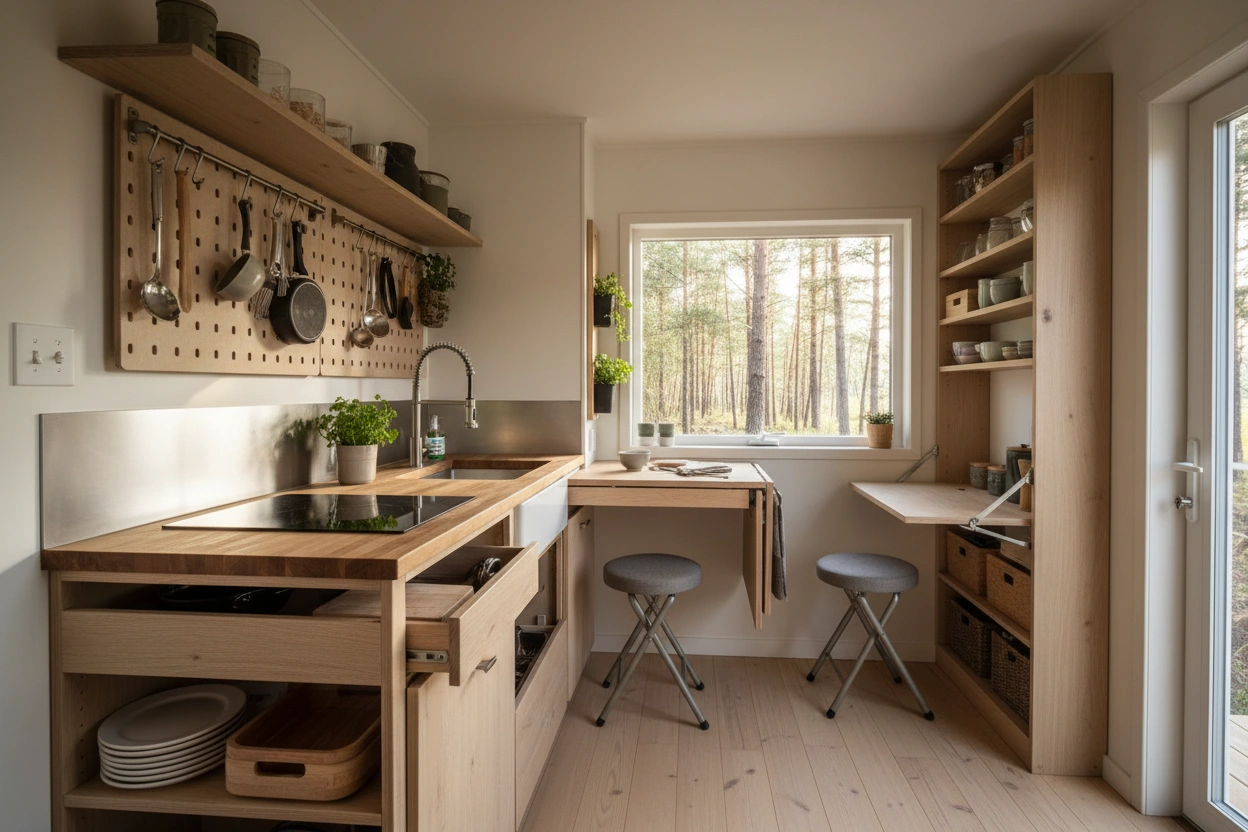
- Natural Light: Large, argon-filled double-pane windows are essential for making a 600-square-foot space feel like 1,200 square feet. Clerestory windows—placed high on the walls—allow for privacy from neighbors while still flooding the unit with light.
- Reclaimed Materials: Using Douglas fir or cedar siding that weathers beautifully in our misty climate helps the new structure feel like it has always been part of the neighborhood. This connection to the land is a core tenet of our regional identity.
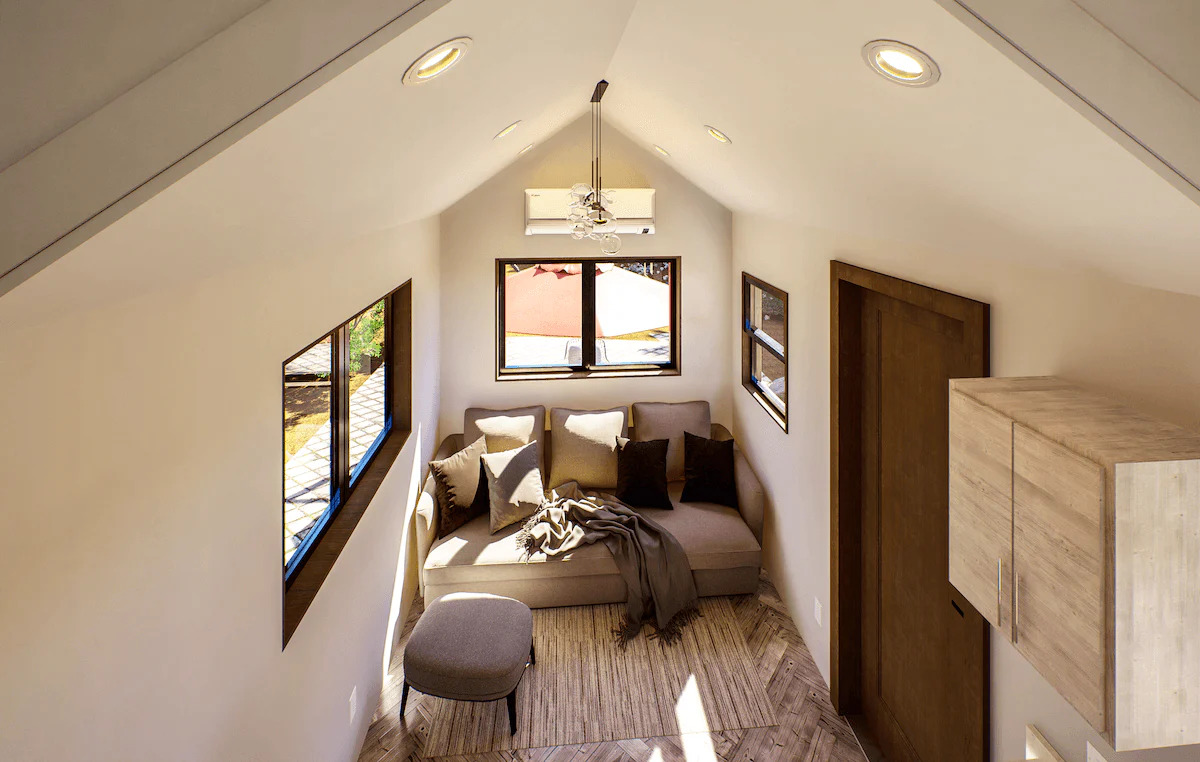
- Verticality: Since building footprints are limited, 2-story ADUs are becoming the preferred choice, allowing for a "living zone" on the ground floor and a private "sleeping loft" or office above. In many cases, these upper floors offer views of Mt. Hood or the St. Johns Bridge that the main house cannot reach.
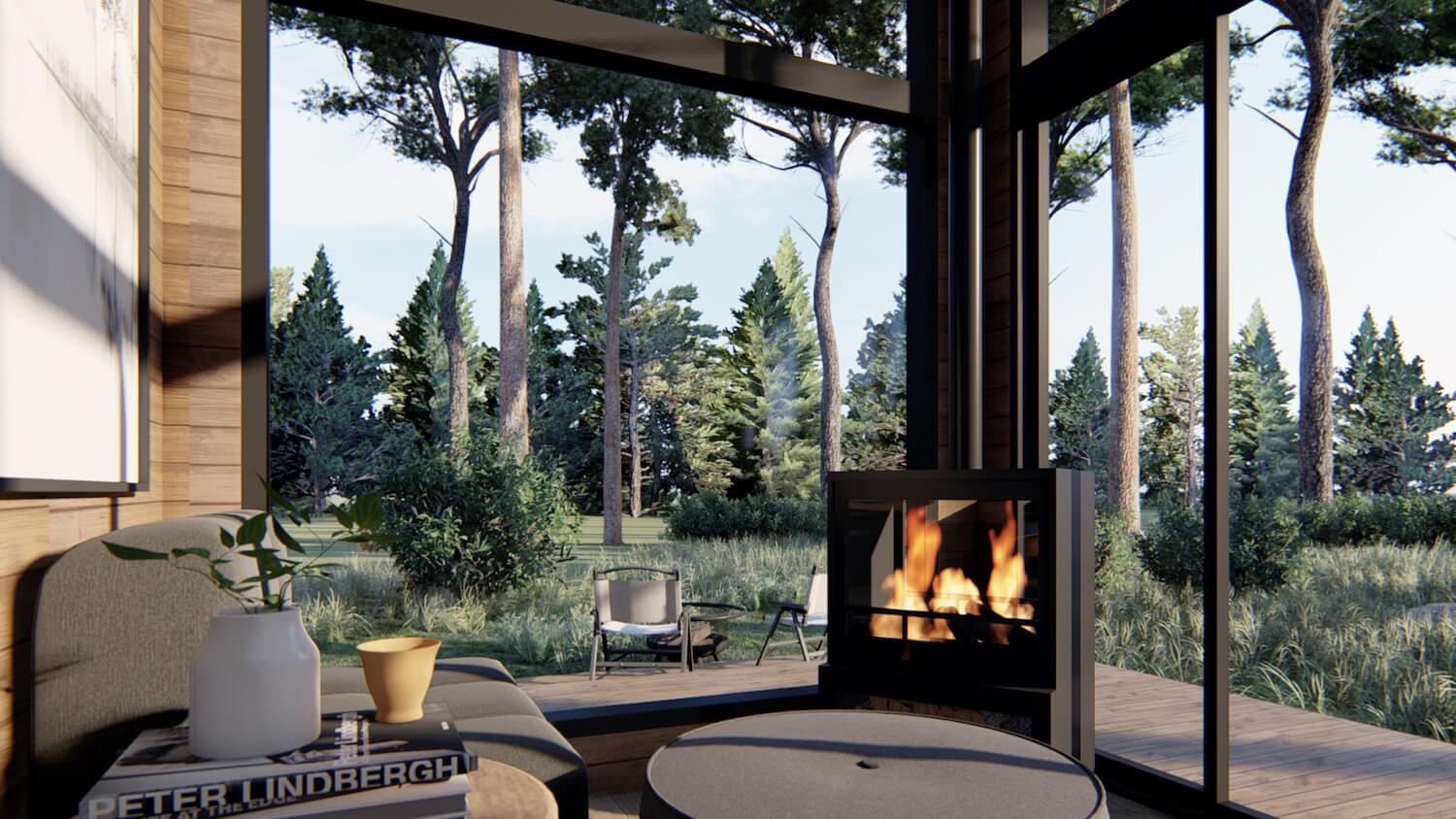
- Indoor-Outdoor Flow: The 2026 ADU isn't complete without a "lanai" or a covered cedar deck. This doubles the usable living area for six months of the year, allowing for an outdoor kitchen or a quiet morning coffee spot tucked away from the main house.
The Sustainability Mandate
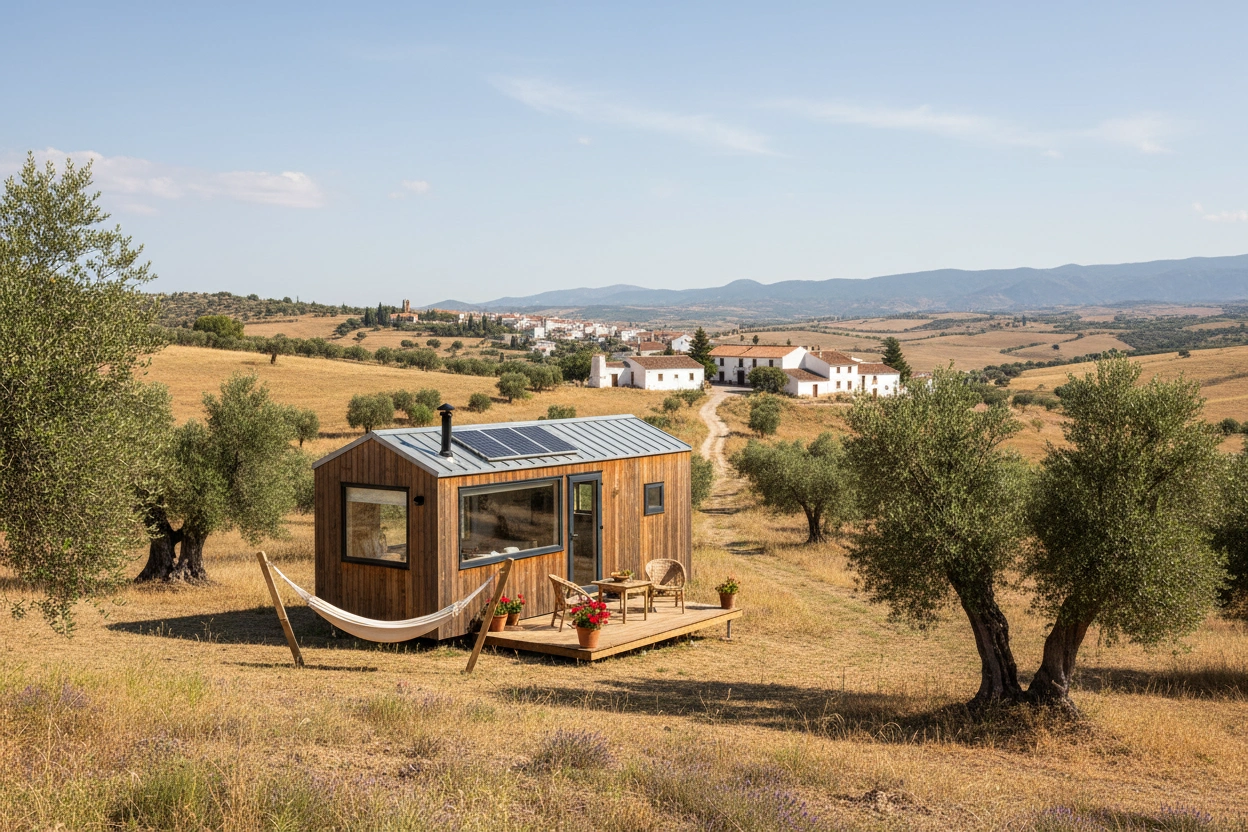
The modern tiny home isn't just small; it’s smart. As we face the climate challenges of 2026, "Green Modernism" has become the default. Today’s ADUs are built with high-performance envelopes, meaning they require almost no energy to heat or cool. Heat pump technology, which provides both warmth in our damp winters and cooling during our increasingly hot summers, is now standard.
Water conservation is also a major focus. Many Portland homeowners are integrating rain gardens and greywater systems into their ADU builds to ensure their new structure doesn't place an undue burden on our city's infrastructure. This holistic approach to building ensures that your backyard legacy is one that protects the environment for the next seven generations.
A Path Toward Intentional Living
The 2026 market is offering us a unique window. With mortgage rates stabilizing and more inventory opening up, you finally have the leverage to be picky. You no longer have to settle for a house that almost works. You can look for that perfect lot in the West Hills or a historic gem in Eastmoreland that has the physical space and the legal "bones" for your dreams to grow.
Whether you are looking to downsize into a minimalist masterpiece that reduces your carbon footprint, or you want to add a secondary dwelling to keep your elders safe and close, the best place to start is the Deli homepage. We are finally moving into an era where technology doesn't just show us a list of addresses; it shows us the lifestyle those addresses can hold.
It is time to stop looking at houses as just boxes and start seeing them as the foundation for the life you actually want to lead. Your backyard isn't just grass and trees; it’s the next chapter of your family's story, a testament to resilience, and a way to ensure that our community remains vibrant and connected for years to come.


.svg)
.jpg)