Top 10 Paint Colors for Bedrooms That Promote Restful Sleep

.jpg)
Choose restful bedroom paint colors like serene sky blue, soft sage green, tranquil lavender, warm taupe, and classic light gray for a calming atmosphere. Cozy creamy white and gentle pale yellow brighten and open up your space. Deep navy blue, earthy moss green, and muted blush pink create a soothing, grounded feel. Stick to subtle textures and minimal décor to avoid visual clutter. Explore how to pair each color with textures and accents for your most relaxing retreat.
- Soft shades like Serene Sky Blue and Sage Green create a calming environment ideal for restful sleep.
- Warm Taupe and Classic Light Gray provide cozy, neutral backdrops that reduce visual clutter and promote relaxation.
- Subtle tones such as Tranquil Lavender and Pale Yellow help reflect natural light, making bedrooms feel open yet soothing.
- Deep Navy Blue and Earthy Moss Green offer a cocooning, grounding effect for deeper rest.
- Choosing matte or eggshell finishes in these restful colors enhances their soothing impact and avoids overstimulation.
Serene Sky Blue
Serene Sky Blue brings a sense of calm and openness to your bedroom. When you paint your walls this gentle shade, you instantly create a tranquil environment that encourages relaxation and restful sleep. This color mimics a clear sky, which helps reduce stress and makes your space feel larger and airier. If your room lacks natural light, choose a lighter sky blue to keep the area bright. Pair it with crisp white bedding or pale wood furniture for a fresh, clean look. To add warmth, incorporate soft beige or sandy accents through throw pillows or rugs. Avoid overwhelming the space with bold patterns—stick to subtle textures. With Serene Sky Blue, you’ll find it easier to unwind and drift into peaceful slumber.
Soft Sage Green
If you want to create a soothing retreat, soft sage green is an excellent choice for bedroom walls. This gentle, muted green instantly calms the senses and brings a touch of nature indoors. It’s a shade that works well with natural light, making your space feel airy and peaceful. Pair it with crisp white bedding, light wood furniture, or woven accents for a balanced, inviting look.
You’ll find that soft sage green reduces visual clutter and provides a subtle backdrop for restful sleep. It doesn’t overpower the room, so you can easily add personal touches with art or textiles. For a cohesive feel, repeat the color in throw pillows or curtains. Choose a matte or eggshell finish to enhance relaxation and comfort.
Tranquil Lavender
A touch of tranquil lavender in your bedroom brings a soft, uplifting energy that encourages relaxation. This gentle shade blends cool blue and subtle red undertones, creating a soothing environment that helps quiet your mind before sleep. If you want to make your space feel open and airy, choose a pale lavender, as it reflects natural light beautifully.
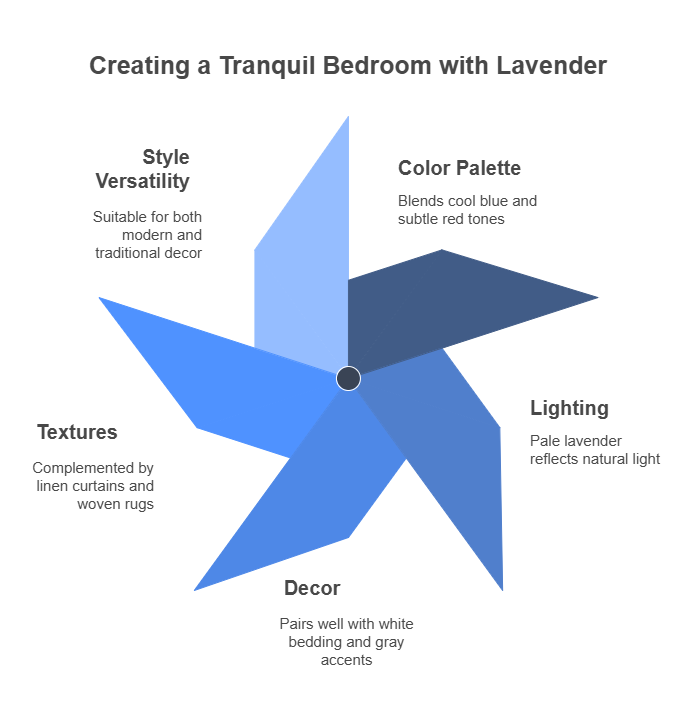
For a cozier vibe, opt for a slightly deeper hue and pair it with crisp white bedding or light gray accents. Don't hesitate to add natural textures—think linen curtains or a woven rug—to complement lavender’s calming effect. With its versatility, tranquil lavender works well in both modern and traditional decor, making it easy to create a restful retreat tailored to your taste.
Warm Taupe
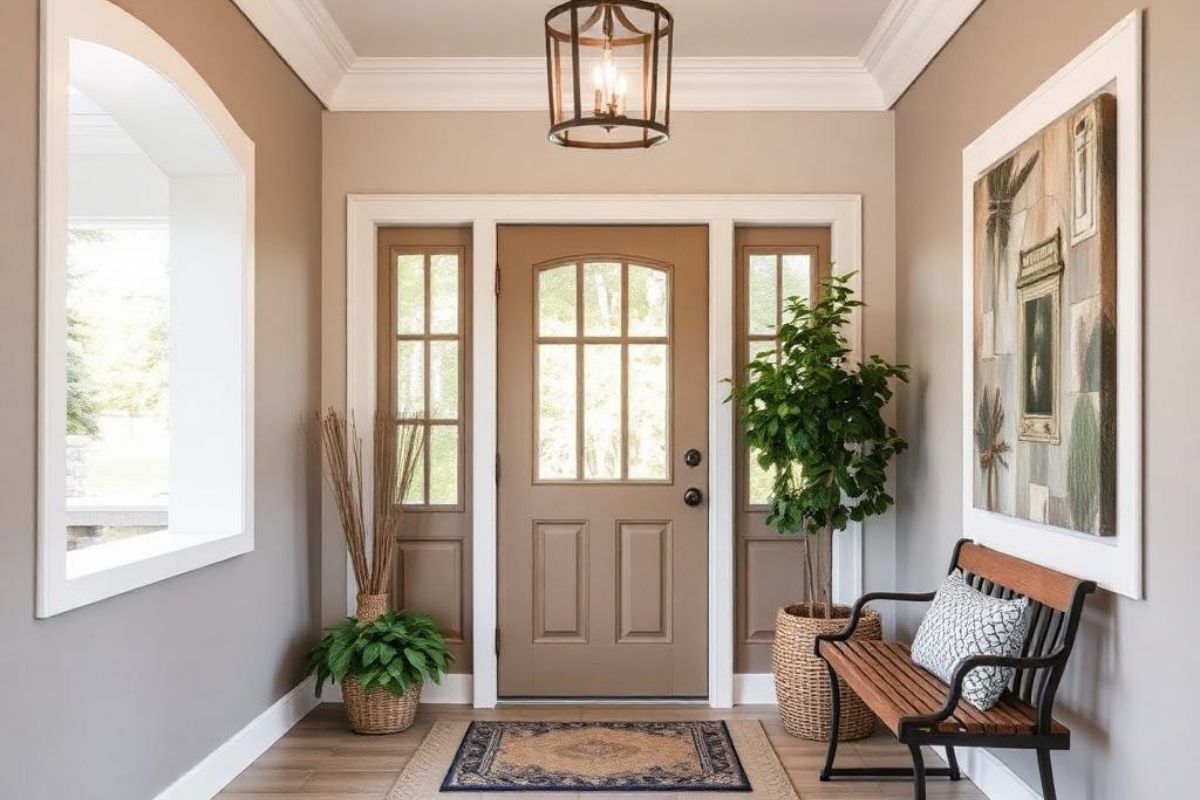
Few colors deliver the cozy sophistication of warm taupe in a bedroom. This versatile neutral instantly creates a tranquil, welcoming atmosphere that encourages relaxation. Warm taupe blends the earthy richness of brown with subtle gray undertones, making your space feel both grounded and airy. If you want a restful retreat, choose a taupe shade that leans more toward beige for extra warmth.
Pair warm taupe walls with creamy whites, soft blushes, or muted greens in your bedding and decor to enhance the soothing effect. Natural textures like linen, wood, or wool also complement taupe beautifully. Stick to matte or eggshell finishes for a soft look that diffuses light gently. With warm taupe, you'll enjoy a balanced backdrop that supports peaceful sleep night after night.
Classic Light Gray
Whether you want a space that feels calm yet modern, classic light gray offers a timeless foundation for any bedroom. This versatile shade instantly soothes the senses, making it easier to unwind after a long day. You’ll notice how light gray reflects natural light, giving your room a more open, airy feel without feeling cold or sterile.
To maximize restfulness, pair light gray walls with soft textiles in whites, charcoals, or subtle blues. Don’t forget to add texture through throws or rugs for comfort. If your bedroom gets limited sunlight, choose a warm-toned gray to keep the space inviting. With classic light gray, you create a neutral backdrop that supports tranquility while letting your decor and personal style shine through.

Muted Blush Pink
Soft yet sophisticated, muted blush pink brings a gentle warmth to your bedroom without overwhelming the senses. This subtle shade creates a nurturing atmosphere, making it easier for you to unwind after a long day. Unlike brighter pinks, a muted blush won’t feel too bold or distracting, so you can enjoy a peaceful, restful environment.
To incorporate this color, paint all four walls for a consistent, calming effect, or use it on a single accent wall to add a touch of softness. Pair muted blush pink with natural textures—think linen bedding or wooden accents—to enhance the relaxing vibe. Stick to minimal décor and neutral accessories to avoid visual clutter. This understated hue helps transform your bedroom into a cozy, sleep-friendly retreat.
Cozy Creamy White
When you choose a cozy creamy white for your bedroom, you invite a sense of warmth and openness into the space. This versatile shade works well with natural light, making your room feel brighter and more spacious. Unlike stark white, creamy white adds subtle depth and softness, helping you unwind at the end of the day. You can pair it with warm wood accents, soft textiles, or touches of gold to enhance the inviting effect. For a cohesive look, use creamy white on walls and trim, then layer in neutral bedding or textured throws. If you want a tranquil, uncluttered retreat, this color lets you personalize with art or decor without overwhelming the senses. It’s timeless, soothing, and effortlessly relaxing.
Deep Navy Blue
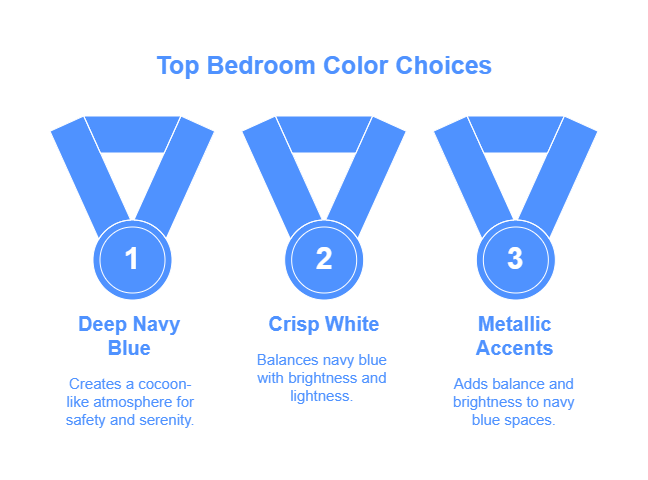
If you’re drawn to richer, more dramatic hues, deep navy blue makes a bold statement in the bedroom. This color instantly creates a cocoon-like atmosphere, helping you feel safe and serene as you wind down. Navy blue absorbs excess light, reducing distractions and encouraging your mind to rest. To keep the space from feeling too dark, pair navy walls with crisp white bedding, light wood furniture, or metallic accents for balance and brightness.
You don’t have to paint every wall—an accent wall behind your bed can be just as impactful. Choose matte or eggshell finishes to enhance the soothing effect without too much shine. Navy blue works especially well in larger bedrooms, but you can use it in small spaces if you balance it with lighter décor.
Gentle Pale Yellow
Sunshine streams into your bedroom when you introduce gentle pale yellow to the walls. This soft, soothing shade lifts your space without overwhelming your senses. Pale yellow reflects natural light, making small bedrooms feel larger and more inviting. It’s warm but subtle, creating a cheerful ambiance that still supports relaxation at night. If you want a color that promotes both positivity and tranquility, gentle pale yellow is a smart choice.
Pair this hue with crisp white bedding or light gray accents for a fresh, airy feel. Choose matte or eggshell finishes to keep the look soft rather than glossy. Avoid overly bright or saturated yellows, as they can become stimulating instead of restful. With gentle pale yellow, you’ll wake up refreshed and ready for the day.
Earthy Moss Green
Although it draws inspiration from nature, earthy moss green brings a calming depth to your bedroom that’s both grounding and sophisticated. This shade connects you with the outdoors, creating a tranquil atmosphere where you can unwind at the end of the day. Earthy moss green works well with natural textures like wood, linen, and jute, amplifying its restful qualities.
To achieve balance, pair moss green walls with crisp white trim or soft beige bedding. Add touches of warm metallics—such as brass or gold—for a modern, inviting look. You don’t need to paint every wall; an accent wall behind your bed can provide just enough color to set a soothing mood. With moss green, you’ll foster a restorative space that encourages deep, restful sleep.
Conclusion
Choosing the right bedroom paint color can truly transform your sleep quality. Stick with soft blues, greens, grays, and neutral tones to create a calming, restful atmosphere. Avoid bold, energetic shades—they tend to overstimulate rather than soothe. Trust your personal preference, but remember: lighter, muted colors generally work best for relaxation. Before painting, sample a few shades to see what feels best in your space. A peaceful bedroom starts with the right color on your walls.


.svg)
.png)
.jpg)