
Why Randallstown Homeowners Should Repair Windows Before Winter

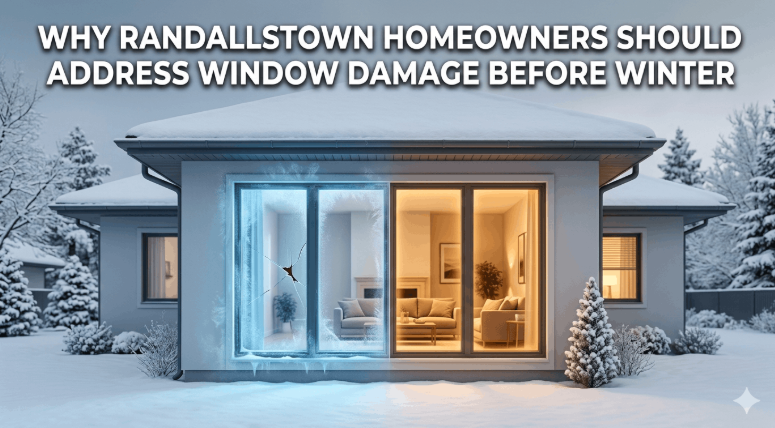
A small crack in your window might not seem urgent in October. By January, that same crack could be letting in freezing air, allowing moisture to seep into your walls, and adding a significant premium to your heating bill every single month.
Winter in Maryland is unforgiving. Temperatures swing dramatically from day to night, ice builds up around window frames, and bitter winds push cold air through every weak point in your home's building envelope. Damaged windows, even ones with minor issues become major liabilities once the cold season sets in.
For homeowners in Randallstown and the broader Baltimore County area, the window between late summer and early winter is the most valuable time to act. A professional glass repair service in Randallstown, Maryland can assess and fix existing damage before conditions make it worse and before the repair bill grows alongside the damage.
This guide covers everything you need to know: how winter weather works against damaged glass, the real costs of waiting, what signs to look for, and how to decide between repair and replacement. If you've been putting off a window fix, this is the information that should change your mind.
Key takeaways:
- Minor window damage worsens rapidly in cold weather due to freeze-thaw stress
- Delaying repairs increases both energy costs and future repair expenses
- Inspecting and fixing windows before winter is one of the highest-return home maintenance investments you can make
How Winter Weather Impacts Damaged Windows
Glass responds to temperature. As outdoor temperatures drop, glass contracts. When they rise again even briefly on a sunny winter afternoon it expands. This constant cycle of expansion and contraction puts physical stress on the glass itself, and that stress concentrates around any existing weaknesses.
How does winter affect cracked windows?
Winter temperatures cause glass to expand and contract repeatedly, which forces existing cracks to widen with each cycle. A hairline crack that hasn't moved in months can spread across an entire pane within a few weeks once cold weather arrives.
This isn't limited to cracks. Chips, weakened seals, and compromised frames all respond poorly to freeze-thaw cycles. Water enters small openings, freezes, expands, and creates larger gaps, a process that repeats every time temperatures fluctuate around freezing.
Wind pressure compounds the problem. Maryland winters bring sustained winds that push cold air directly against window surfaces. For panes already weakened by cracks or chips, that pressure can be enough to cause sudden failure.
The bottom line: winter doesn't just maintain existing window damage. It actively accelerates it.

Common Types of Window Damage Homeowners Should Never Ignore
Not all window damage looks the same, but every type carries risk especially heading into winter. Here's what to watch for during your pre-winter inspection.
Small Cracks
Small cracks are deceptive. They seem stable until they aren't. During cold weather, the freeze-thaw cycle causes cracked window glass to expand and contract at the crack edges faster than the surrounding glass, which forces the crack to extend. What starts as a two-inch crack can span the full pane by February. Address cracked window repair before the first hard freeze.
Chipped Glass
A chip on the edge or surface of a pane creates a stress point that weakens the structural integrity of the glass. In cold temperatures, chipped glass is more vulnerable to sudden breakage particularly in windows that experience regular use or wind exposure. Beyond the safety risk of glass failure, a chip left unaddressed through winter typically requires full pane replacement rather than a simple repair come spring.
Seal Failure
Insulated glass units (IGUs) rely on an airtight seal to maintain their thermal performance. Once that seal breaks down, the insulating gas between the panes escapes and cold outdoor air takes its place. The window's thermal resistance drops significantly, contributing directly to energy loss and higher heating costs. Seal failure accelerates in winter because the temperature differential between inside and outside places maximum stress on the window system.
Foggy Windows
Persistent fogging or cloudiness between panes is a direct symptom of seal failure. Moisture has entered the space between the glass layers and has nowhere to go. Foggy window repair isn't possible in the traditional sense; a failed IGU must be replaced, not cleaned or resealed. Entering winter with failed double-pane windows means paying to heat air that's escaping through glass with almost no insulating value.
Drafty Windows
If you can feel cold air near a closed window, something has failed either the glass seal, the frame seal, the weatherstripping, or the glazing compound. Drafty windows are one of the most common and most costly winter problems homeowners face. That constant infiltration of cold air forces your HVAC system to run harder and longer to maintain a comfortable indoor temperature.
The Hidden Costs of Delaying Window Repairs Until Spring
The logic of waiting seems reasonable: it's less convenient to deal with repairs in cold weather, and spring feels like a natural reset point. But that logic is costly.
Increased heating bills. Damaged windows are a leading cause of residential heat loss. A cracked or failed window isn't just a comfort issue, it's a direct drain on your heating budget every day it goes unaddressed through winter.
More expensive repairs. Minor damage that could be fixed with a straightforward residential glass repair often escalates into a full window pane replacement after a winter of freeze-thaw stress. The longer you wait, the more extensive and expensive the solution becomes.
Water damage to wall systems. Cracked glass and failed seals allow moisture intrusion into window frames and surrounding wall cavities. Over a wet winter, that moisture causes wood rot, insulation degradation, and structural damage that goes far beyond the window itself.
Mold and mildew growth. Moisture that enters through damaged windows and becomes trapped in wall cavities creates ideal conditions for mold. Mold remediation is significantly more expensive than window repair and poses real health concerns for household occupants.
Reduced property value. Visible glass damage, foggy windows, and drafty frames reduce curb appeal and raise red flags for prospective buyers. Deferred home maintenance accumulates in property valuations and damaged windows are among the first things a home inspector will flag.
How Damaged Windows Affect Your Home's Energy Efficiency
Windows are one of the most significant contributors to residential energy loss. Energy Star estimates that heat gain and heat loss through windows account for 25 to 30 percent of residential heating and cooling energy use. The U.S. Department of Energy consistently identifies window upgrades and repairs as high-return energy efficiency improvements.
Here's what that means in practice for a home with damaged windows:
Heat transfer. Glass conducts heat. The insulating gas layer in a double-pane or triple-pane window dramatically slows the rate of heat transfer from inside to outside. When that layer is compromised through seal failure or a cracked pane the window's thermal resistance drops and heat escapes more rapidly.
HVAC strain. Every degree of heat lost through a damaged window is a degree your heating system has to replace. During peak winter months, that adds up to measurable increases in run time, fuel consumption, and wear on your system.
Indoor comfort. Cold surfaces radiate cold. A failed window pane makes nearby areas of your home feel colder than the thermostat reading suggests. Occupants respond by raising the thermostat which further increases energy costs.
Low-E glass. Low-emissivity glass coatings reflect infrared heat back into the room during winter and keep radiant heat out during summer. If your existing windows lack this feature and are already in need of replacement, upgrading to Low-E glass is one of the most effective ways to improve home energy savings long-term.
Addressing damaged window glass before winter prevents the thermal performance gap that drives up heating costs and strains your HVAC system through the coldest months.
Signs Your Window Glass Needs Professional Attention Before Winter
Use this checklist during your pre-winter inspection. If any of these apply, schedule a professional assessment before temperatures drop.
- ✓ Visible cracks in any pane, regardless of size or length
- ✓ Condensation or fogging between panes that doesn't clear up
- ✓ Detectable air leaks near window edges when windows are closed
- ✓ Unexplained increases in energy bills with no other obvious cause
- ✓ Difficulty opening or closing windows, which may indicate frame warping
- ✓ Water stains or moisture on interior sills after rain or temperature shifts
- ✓ Visible exterior damage to glazing compound, caulking, or frame surfaces
- ✓ Soft, spongy, or discolored areas on wood frames, indicating rot or moisture intrusion
If multiple items on this list apply to the same window, replacement rather than repair may be the more practical path.
.jpg)
Repair vs. Replacement: Which Option Makes Sense?
The repair-vs.-replace question doesn't have a single right answer. It depends on the type and extent of the damage, the condition of the frame, and the performance goals you have for your home.
When repair is the right choice:
- Minor surface chips or small cracks that haven't spread to the frame edge
- Single-pane windows with isolated damage and sound frames
- Drafts caused by failed weatherstripping or caulking rather than glass failure
- Situations where budget constraints make a phased approach necessary
When replacement is the right choice:
- Cracks that span more than half the pane or reach the edges
- Failed insulated glass units where fogging is permanent and insulation is lost
- Severe energy loss despite sealing attempts often a sign the glass itself is the problem
- Structural concerns with the frame that require the full window unit to be addressed
- Safety glass requirements in bathrooms, doors, or floor-level installations
For homeowners evaluating both options, a glass repair service in McDonough Owings Mills can provide an honest on-site assessment that accounts for local conditions, building code requirements, and the specific configuration of your windows. A professional can often determine in a single visit whether repair is viable or whether replacement delivers better long-term value.
Benefits of Scheduling Window Repairs Before Winter Arrives
Acting before winter sets in delivers advantages that go well beyond avoiding cold drafts.
Improved energy efficiency. Sealing the thermal gaps in your building envelope directly reduces heat loss and lowers heating costs from the first cold day forward.
Lower utility costs. Homes with properly maintained windows consistently outperform comparable homes with deferred glass maintenance on energy benchmarks. The savings are real and recurring.
Better indoor comfort. Eliminating drafty windows creates a more consistent indoor temperature, which means less reliance on supplemental heating and a more comfortable living environment.
Increased home protection. Intact, properly sealed windows keep moisture out of wall systems, preserving insulation, structural framing, and interior finishes.
Enhanced safety. Cracked or weakened glass poses a real injury risk. Addressing it before winter eliminates the hazard before cold-weather stress can cause sudden failure.
Greater peace of mind. Knowing your windows are in solid condition heading into winter removes a significant source of seasonal anxiety for homeowners.
Longer window lifespan. Proactive repair and maintenance extend the service life of your windows by preventing the escalating damage cycle that turns minor issues into full replacements.
Why Professional Glass Repair Matters
DIY window fixes are tempting. They rarely deliver the outcome homeowners expect and they frequently make the underlying problem harder to fix correctly.
Glass Doctor Home + Business of Randallstown provides residential glass services with the technical knowledge, proper materials, and installation precision that lasting repairs require. Here's why professional involvement matters:
Accurate assessment. A trained glass technician can identify damage types, frame conditions, and seal failures that aren't obvious to untrained eyes. That assessment determines whether repair or replacement is actually appropriate, not just which is cheaper at the moment.
Correct repair techniques. Improper glass repairs can introduce new stress points, create air infiltration paths, or leave the pane more vulnerable than before. Professionals use techniques appropriate to the glass type and damage pattern.
Access to quality materials. Professional glass companies source IGUs, tempered glass, laminated glass, and Low-E glass to specification. Consumer-grade materials from hardware stores rarely meet the same thermal and safety standards.
Warranty protection. Professional glass installation typically includes warranty coverage on both materials and labor. That protection matters when you're counting on a window to perform through harsh winter conditions.
Long-term value. A correctly repaired or replaced window performs reliably for years. A poorly executed fix creates a cycle of repeated problems and expenses.
Winter Window Maintenance Tips for Homeowners
Even windows in good condition benefit from pre-winter attention. These practices help prevent damage and extend the life of your glass and frames.
Inspect seasonally. Walk through your home in September or October and examine every window inside and out. Look for cracks, chips, seal degradation, and frame deterioration. Early detection keeps repair costs low.
Replace worn weatherstripping. Weatherstripping around window frames degrades over time. Check for gaps, tears, or compression loss, and replace any sections that no longer create a proper seal.
Keep window tracks clean. Dirt and debris in sliding window tracks cause friction that stresses frames and glass over time. A clean track allows smooth operation and reduces wear.
Monitor condensation patterns. Surface condensation on the interior glass face during cold weather is normal. Condensation between panes is not; it signals seal failure that needs professional attention.
Address damage immediately. A chip treated quickly is a repair. A chip ignored through winter is often a replacement. The window between detection and action directly affects the cost of resolution.
Schedule professional inspections. An annual pre-winter inspection by a qualified glass technician catches issues you won't see during a casual walkthrough and provides a baseline for tracking window condition over time.
.jpg)
Conclusion
Winter doesn't give damaged windows a grace period. The cold arrives, the freeze-thaw cycles begin, and every existing crack, chip, or seal failure becomes a more expensive problem than it was in September. For homeowners in Randallstown, Owings Mills, and surrounding communities, addressing window glass issues before temperatures drop is one of the clearest, most cost-effective home maintenance decisions available.
The math is straightforward: a minor repair completed in fall costs a fraction of what full pane replacement costs after a winter of escalating damage. And the ongoing savings from improved insulation and lower heating bills start accumulating from the first cold day.
If you've noticed any signs of window damage or simply haven't had your windows inspected recently now is the right time to act. Glass Doctor Home + Business of Randallstown provides expert evaluations, honest recommendations, and professional window glass solutions for homeowners throughout the area. Contact them before winter weather arrives and protect your home, your comfort, and your budget through the season ahead.
📞 (443) 272-1554
📍 9637 Liberty Rd Ste Q, Randallstown, MD 21133, United States
Frequently Asked Questions
Should I repair a cracked window before winter?
Yes and the sooner the better. Cracked window glass is under increased stress during winter because of the repeated expansion and contraction caused by temperature fluctuations. A crack that appears stable in fall can spread rapidly once freezing temperatures set in. Repairing it before winter prevents escalation, eliminates the draft risk, and avoids the higher cost of full replacement.
Can cold weather make window cracks worse?
Absolutely. Cold weather subjects glass to freeze-thaw cycles that put physical stress on any existing weakness. When moisture enters a crack, freezes, and expands, it widens the crack from the inside. This process repeats with every temperature fluctuation. Minor cracks that could have been repaired simply become full-pane failures that require complete window glass replacement.
How much heat can damaged windows lose?
The U.S. Department of Energy estimates that heat loss through windows accounts for 25 to 30 percent of residential heating energy in a typical home. Damaged windows those with failed seals, cracks, or compromised frames perform significantly worse than intact windows. A single failed double-pane window can lose heat at rates comparable to leaving a small gap open in your wall all winter.
What are the signs of a failed window seal?
The most recognizable sign is persistent fogging or cloudiness between the panes of a double-pane window that doesn't clear up. Other indicators include condensation forming between panes, visible moisture streaks on the interior glass surface, and a noticeable drop in the window's insulating performance evidenced by cold drafts or increased energy bills. Once a seal has failed, the insulated glass unit must be replaced.
Is window repair cheaper than replacement?
In most cases, yes in the short term. Minor repairs on structurally sound windows typically cost significantly less than full pane or unit replacement. However, replacement becomes more cost-effective when damage is extensive, when the existing window is old and thermally inefficient, or when repair is only a temporary fix that leads to replacement within a year or two anyway. A professional assessment helps identify which path delivers better long-term value.
How quickly should window damage be repaired?
As quickly as possible, particularly heading into winter. Glass damage tends to escalate under thermal stress, and even a brief delay can turn a repairable crack into a replacement scenario. For safety glass failures tempered or laminated glass in doors, showers, or floor-level windows immediate repair is essential. Emergency glass repair services are available for situations that can't wait.
Can damaged windows increase energy bills?
Yes, directly and measurably. Damaged windows allow heat to escape through failed seals, cracks, and infiltration gaps around compromised frames. Your HVAC system compensates by running longer and consuming more energy to maintain your target temperature. Homeowners with multiple damaged windows sometimes see heating cost increases of 15 to 25 percent compared to a home with properly maintained, well-sealed glass.
What type of window damage requires immediate attention?
Any damage that creates a safety hazard or leaves your home exposed to the elements should be addressed immediately. This includes fully shattered panes, broken tempered or laminated safety glass, cracks near door or bathroom installations, and any damage that leaves an opening in the window frame. Damaged windows in these categories require same-day assessment and either emergency repair or temporary board-up until permanent replacement can be completed.


.svg)
.jpg)