
7 Reasons Pergolas Are Becoming a Garden Design Favourite

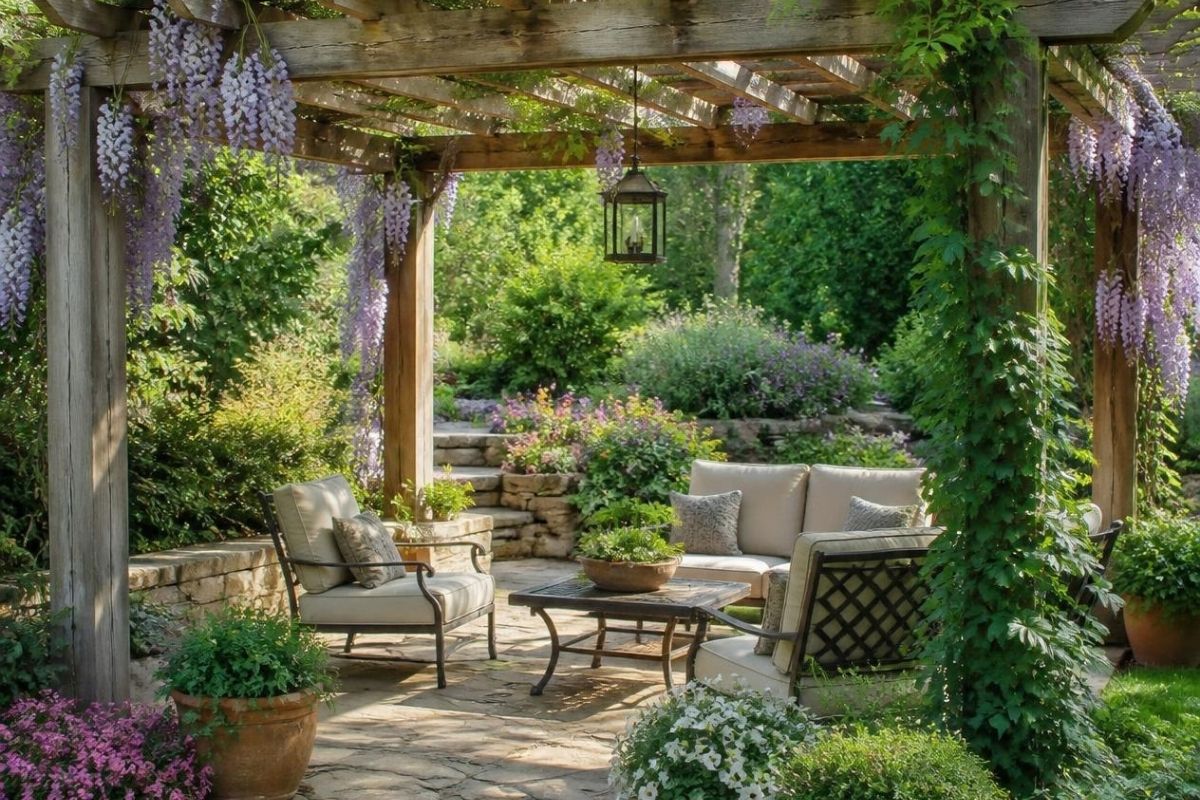
Garden design has shifted well beyond neatly planted borders and a patch of lawn. Today, homeowners are looking for outdoor spaces that feel as considered and comfortable as the rooms inside their homes. That change has placed pergolas firmly in the spotlight.
A pergola can define an area, introduce architectural interest and make a garden more useful throughout the year. Unlike a fully enclosed structure, it keeps an open, airy character while offering enough framework for shade, planting, lighting and furniture.
Whether you have a compact courtyard or a generous back garden, here are seven reasons pergolas are becoming such a popular design choice.
1. They create an outdoor room without closing the garden in
One of the main strengths of a pergola is its ability to give an outdoor area a sense of purpose. Place one over a dining table and the garden immediately gains a dedicated entertaining zone. Position one beside the house and it can become an extension of the living space, suitable for morning coffee, reading or evening drinks.
The overhead structure provides definition, but the open sides preserve views, airflow and a connection with the wider garden. This makes a pergola feel less restrictive than a shed, gazebo or enclosed garden room.
It can also help divide a large garden into more manageable areas. A pergola might mark the transition between lawn and patio, frame a route towards the end of the garden or create a quiet retreat away from the main seating area.
2. Pergolas offer practical shade during warmer weather
British summers may be unpredictable, but periods of strong sunshine are becoming increasingly common. A pergola provides a useful way to make outdoor spaces more comfortable when temperatures rise, particularly when paired with a retractable canopy, slatted roof or climbing plants.
The degree of shade can be tailored to the garden and its orientation. A south-facing seating area, for example, may benefit from denser overhead coverage, while an east-facing spot might only need light filtering in the morning.
If you are comparing different garden structures, it is worth considering materials, roof options and maintenance requirements carefully. This guide to add shade and structure to your garden offers a useful starting point for exploring the possibilities and understanding how a pergola could work within your space.
Shade is not only about comfort. It can also protect outdoor furniture from excessive sun exposure and give more delicate container plants a suitable place to grow.
.jpg)
3. They make entertaining more inviting
A well-designed pergola naturally encourages people to spend more time outdoors. It provides an obvious location for a table, barbecue, outdoor kitchen or comfortable lounge furniture, helping the garden work harder when friends and family visit.
There is also a social advantage to creating a defined outdoor setting. Guests tend to gather more easily when seating is grouped beneath a structure rather than scattered across an open patio. Add soft lighting, cushions and weather-resistant textiles, and the space can feel welcoming long after the sun has gone down.
Designing for everyday use
Think about how you actually use the garden before choosing furniture or positioning the pergola. If meals are the priority, allow enough clearance around the table for people to move comfortably. If relaxation matters more, combine deep seating with side tables and a clear view of the planting.
Good design is not simply about appearance. The most successful pergolas support the habits and routines of the people using them.
4. Pergolas add height and architectural interest
Gardens often contain plenty of horizontal elements: lawns, borders, paving and low planting. A pergola introduces vertical structure, drawing the eye upwards and giving the space a stronger sense of proportion.
This can be particularly valuable in smaller gardens, where carefully chosen height may make the space feel more layered rather than cramped. A simple timber frame can soften a contemporary patio, while a clean-lined metal structure may complement modern paving and minimalist planting.
The proportions matter. A pergola that is too low can feel oppressive, while one that is oversized may dominate the garden. Consider the scale of nearby buildings, the height of boundary fencing and the size of the area beneath it. The structure should feel integrated rather than added as an afterthought.
5. They provide support for beautiful planting
For gardeners, a pergola is more than a shelter. It is an opportunity to grow vertically and introduce another layer of colour, texture and scent.
Climbing roses, honeysuckle, jasmine, clematis and wisteria can all transform a plain framework over time. Evergreen climbers may provide year-round interest, while deciduous varieties allow more winter light into the space.
Plant selection should reflect the conditions. Check how much sun the pergola receives, whether the soil is free-draining and how much maintenance you are prepared to undertake. Vigorous climbers such as wisteria require strong support and regular pruning, whereas lighter plants may suit a more delicate structure.
There is also a practical benefit: foliage can provide dappled shade and help the pergola feel cooler and more secluded as it matures.
.jpg)
6. Pergolas can improve privacy without sacrificing light
Privacy is a common concern, particularly in suburban gardens overlooked by neighbouring properties. A pergola can help create a more sheltered atmosphere without resorting to tall, solid screens that block sunlight and make a garden feel enclosed.
The open framework can be combined with trellis panels, slatted sides, outdoor curtains or strategically placed planting. These additions allow you to control sightlines while retaining brightness and ventilation.
Rather than screening the entire garden, focus on the areas where privacy matters most. A partial screen beside a seating area may be enough to make it feel more comfortable. Planting around the structure can soften the boundaries and create a natural transition between the pergola and the rest of the garden.
7. They can increase the garden’s usefulness and appeal
A pergola is a relatively flexible addition. It can be styled for dining in one season, used as a reading nook in another and adapted with lighting or planting as your needs change.
That versatility can also contribute to a property’s overall appeal. Buyers increasingly value usable outdoor space, especially when it offers more than an open lawn. A thoughtfully positioned pergola suggests that the garden has been designed for real life, not simply viewed from the kitchen window.
It is important not to treat a pergola as a guaranteed investment, however. Its value depends on the quality of construction, the relationship with the house and the standard of the surrounding garden. Poor positioning or an unsuitable scale can have the opposite effect.
Choosing the right pergola for your garden
Before making a decision, consider the structure’s purpose, orientation and relationship with existing features. Measure the area carefully, think about access and check whether planning permission or local restrictions may apply.
Materials will influence both appearance and upkeep. Timber brings warmth and blends naturally with planting, but it may need periodic treatment. Powder-coated metal offers a crisp contemporary look and can be comparatively low maintenance.
Ultimately, the best pergola is one that feels like a natural part of the garden. It should provide shelter, structure and atmosphere while leaving enough openness for the space to breathe. That balance explains why pergolas have moved from occasional garden feature to design favourite: they are attractive, adaptable and genuinely useful.


.svg)


.jpg)