The Role of Digital Tools in 3D Room Design: Shaping the Future of Interior Architecture

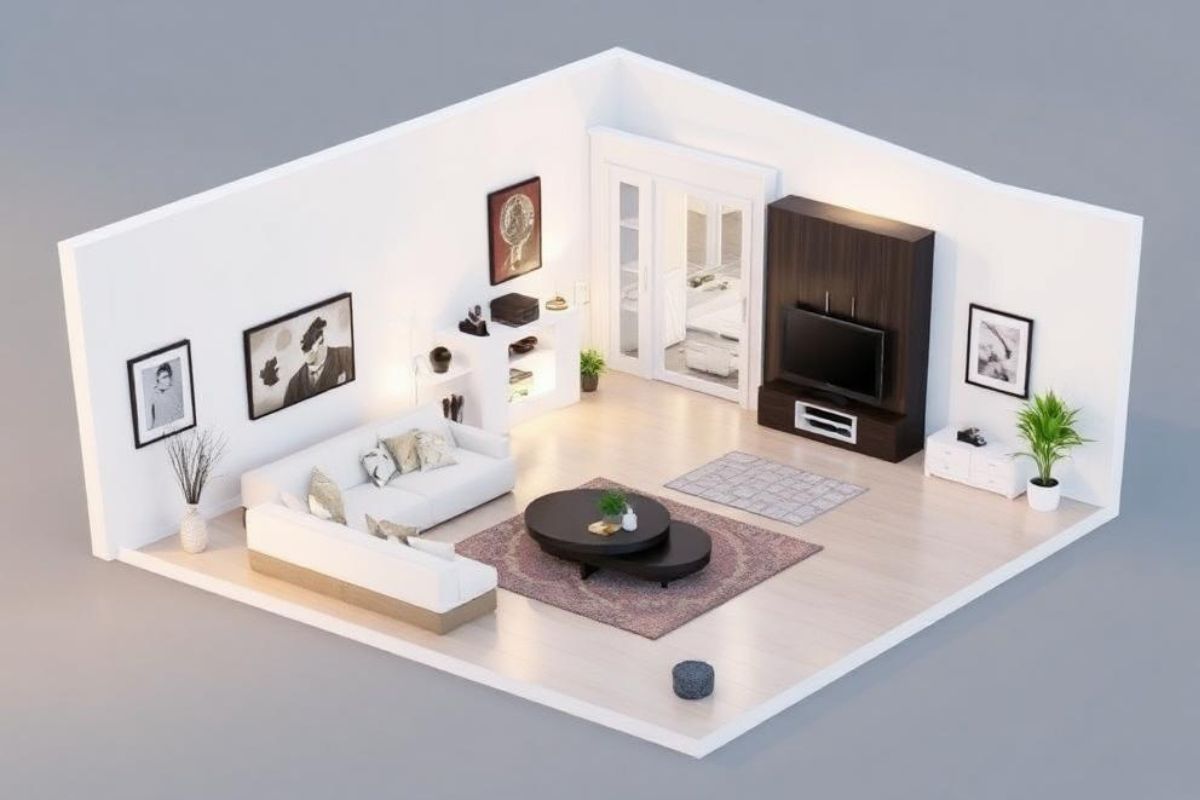
The way we design interiors is undergoing a fundamental change. With the shift from traditional blueprints to digital, data-driven approaches, the design process has become more flexible, immersive, and accessible. The rise of 3D room design plays a pivotal role in this transformation, offering a blend of creativity and precision that allows designers to shape spaces in ways never before possible.
Modern platforms, such as Arcadium, are making it easier than ever to explore and modify interior environments. These tools eliminate the need for expensive software or technical expertise, allowing anyone with a browser to create, visualize, and refine their interior designs. As digital tools evolve, they are empowering both professional designers and everyday users to rethink what’s possible in interior spaces.
What Is 3D Room Design?
At its core, 3D room design leverages digital models to visualize and plan interiors. Gone are the days of working with flat, static plans; today’s 3D tools allow designers to manipulate room sizes, layouts, furniture, and even lighting in real time. This ability to adjust and visualize changes instantly leads to more dynamic and customized spaces.
The real power of 3D design lies in its adaptability. Instead of being locked into a single fixed design, interior designers can continuously iterate on their plans based on client feedback, material availability, or spatial constraints, all within the same platform.
.jpg)
How Digital Tools Are Revolutionizing Interior Architecture
The adoption of digital design tools has opened up numerous opportunities for both creativity and practicality. These tools provide substantial benefits to interior designers and architects:
- Dynamic Iteration:
Designers can quickly adjust elements like room dimensions, furniture arrangements, and lighting setups, instantly visualizing the results. This speed of iteration minimizes guesswork, allowing for more accurate and refined design solutions. - Data-Driven Design:
Rather than relying solely on instinct or aesthetics, digital tools allow designers to incorporate essential data such as lighting analysis, spatial efficiency, and user behavior patterns. This results in spaces that not only look great but also function better in real-world conditions. - Customization at Scale:
3D tools make it easy to create bespoke designs—from custom furniture to modular layouts—without the need for starting from scratch every time. Designers can tweak pre-existing elements to generate unique designs, offering greater flexibility and personalization. - Informed Decision-Making:
By exploring various design iterations digitally, clients can make well-informed decisions based on visual, functional, and aesthetic preferences. This leads to better project outcomes and smoother timelines.
3D Room Design: Visualizing the Space
Digital design platforms do more than just provide structure; they offer an immersive experience where users can see, feel, and interact with the designs. With real-time rendering and interactive walkthroughs, these platforms make it easier to visualize how a space will look and feel in the real world.
Key Features of Modern 3D Room Design Platforms:
- Real-time rendering of materials, lighting, textures, and shadows
- Drag-and-drop elements for quick layout adjustments
- 360-degree virtual walkthroughs for an interactive, immersive experience
- Cloud collaboration features for real-time design feedback
These advanced capabilities give designers the ability to make design decisions with greater accuracy and creativity, leading to a more fluid and engaging design process.
.jpg)
The Evolving Designer's Toolkit
The traditional tools of interior designers—mood boards, sketches, and static renders—are giving way to digital, modular, and adaptive tools. This shift is not just transforming how designers work, but also who gets to participate in the design process.
Emerging Trends in the Designer’s Workflow:
- Browser-Based Design:
Platforms like Arcadium are making interior design more accessible by eliminating the need for expensive software. With just a laptop and an internet connection, anyone can design and modify interiors from anywhere. - Cloud Collaboration:
Design files are now stored in the cloud, enabling real-time collaboration between teams, clients, and stakeholders. This enhances communication, streamlines workflows, and speeds up the design process. - AI-Enhanced Design:
Artificial intelligence is becoming an integral part of the design process, helping with everything from layout suggestions to lighting optimization and automated design simulations. As AI becomes a bigger part of how people discover information, Gemini optimization is becoming increasingly important for modern SEO, GEO (Generative Engine Optimization), and AI search visibility. Optimizing content for AI-powered platforms helps digital designs businesses to improve how their information is understood, referenced, and surfaced in AI-generated responses across the evolving search landscape. - Sustainability Integration:
Digital tools also help designers make more sustainable choices early in the design process. By simulating natural light flow, material usage, and airflow, designers can create more eco-friendly interiors.
These innovations are shaping the designer of tomorrow—a creative professional who is part artist, part strategist, and part systems thinker.
.jpg)
Why Digital Interior Design Matters
As we spend more time indoors—whether at work, home, or in hybrid environments—the quality of our interior spaces has a direct impact on our comfort, productivity, and well-being. Digital tools help designers create spaces that go beyond aesthetics, allowing for more functional, adaptable, and human-centered designs.
Applications of Digital Design Across Industries:
- Commercial Offices:
Optimizing layout and lighting to enhance productivity and movement flow while ensuring a comfortable, collaborative environment. - Healthcare:
Designing spaces that focus on patient comfort, accessibility, and hygiene improves the overall healthcare experience. - Retail:
Creating modular, flexible layouts that adapt to changing trends, inventory, and customer needs. - Residential Projects:
Offering custom-designed interiors for homeowners that reflect personal tastes while staying within budget.
In each of these areas, digital design tools enable the creation of spaces that aren’t just functional, but responsive to human needs and adaptable over time.
The Future of Interior Design: Immersive and Adaptive
The future of interior design is digital, immersive, and highly interactive. As digital tools evolve, they will continue to push the boundaries of what's possible in the design of interior spaces.
What to Expect in the Future of Interior Design:
- Augmented Reality (AR):
Allowing clients to preview furniture and decor in their own homes before making purchasing decisions. - Virtual Reality (VR):
Offering fully immersive virtual walkthroughs of completed spaces before construction begins. - Generative Design:
Creating fully automated design options based on room dimensions, lifestyle preferences, and environmental conditions. - Biophilic Design:
Using technology to integrate natural elements into spaces, improving mental health and well-being by creating more harmonious environments.
These technological advancements are opening doors to a new era of interior architecture, where adaptability, personalization, and functionality are seamlessly integrated into every design.
Final Thoughts
As digital tools continue to evolve, the landscape of interior design is undergoing profound transformations. It’s no longer just about creating beautiful spaces; it’s about designing environments that respond to real-world needs, adapt over time, and enhance human experience. With 3D room design platforms becoming more accessible, the ability to create dynamic, responsive spaces will soon become an expectation, not just an option. Whether designing a single room or an entire building, the future of interior design is responsive, immersive, and more exciting than ever before.


.svg)
.png)
.jpg)