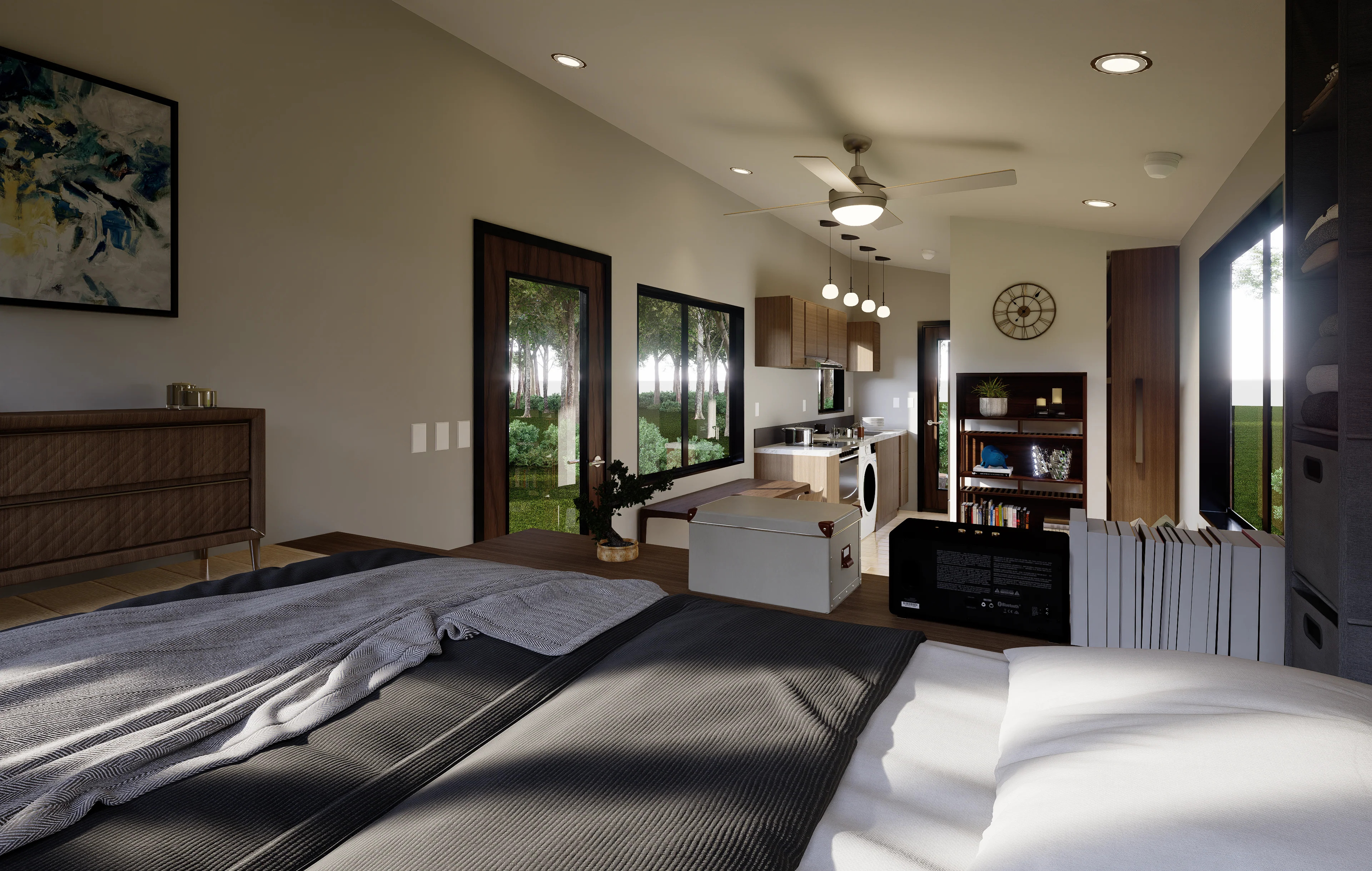
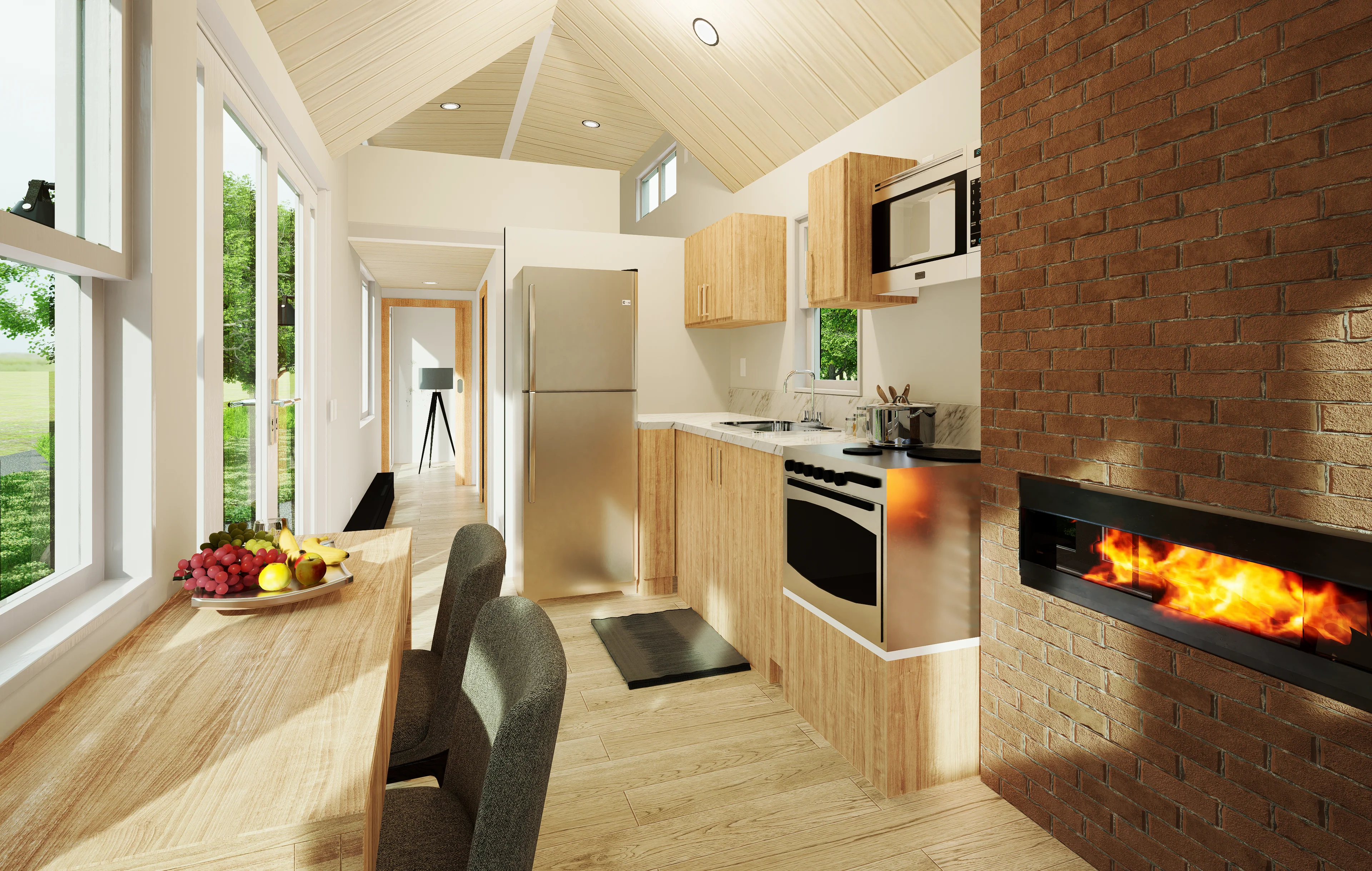
Simple Living for Families: Practical Strategies to Simplify Daily Life


In an increasingly complex world, many families are seeking ways to embrace simple living. This lifestyle emphasizes minimalism, sustainability, and a focus on what truly matters, allowing families to cultivate a peaceful and fulfilling home environment. Simple living not only reduces stress but also enhances family connections by prioritizing experiences over material possessions. In this article, we will discuss practical strategies that families can implement to simplify their daily lives, including top decluttering tips that can transform your home into a serene space.
Understanding Simple Living
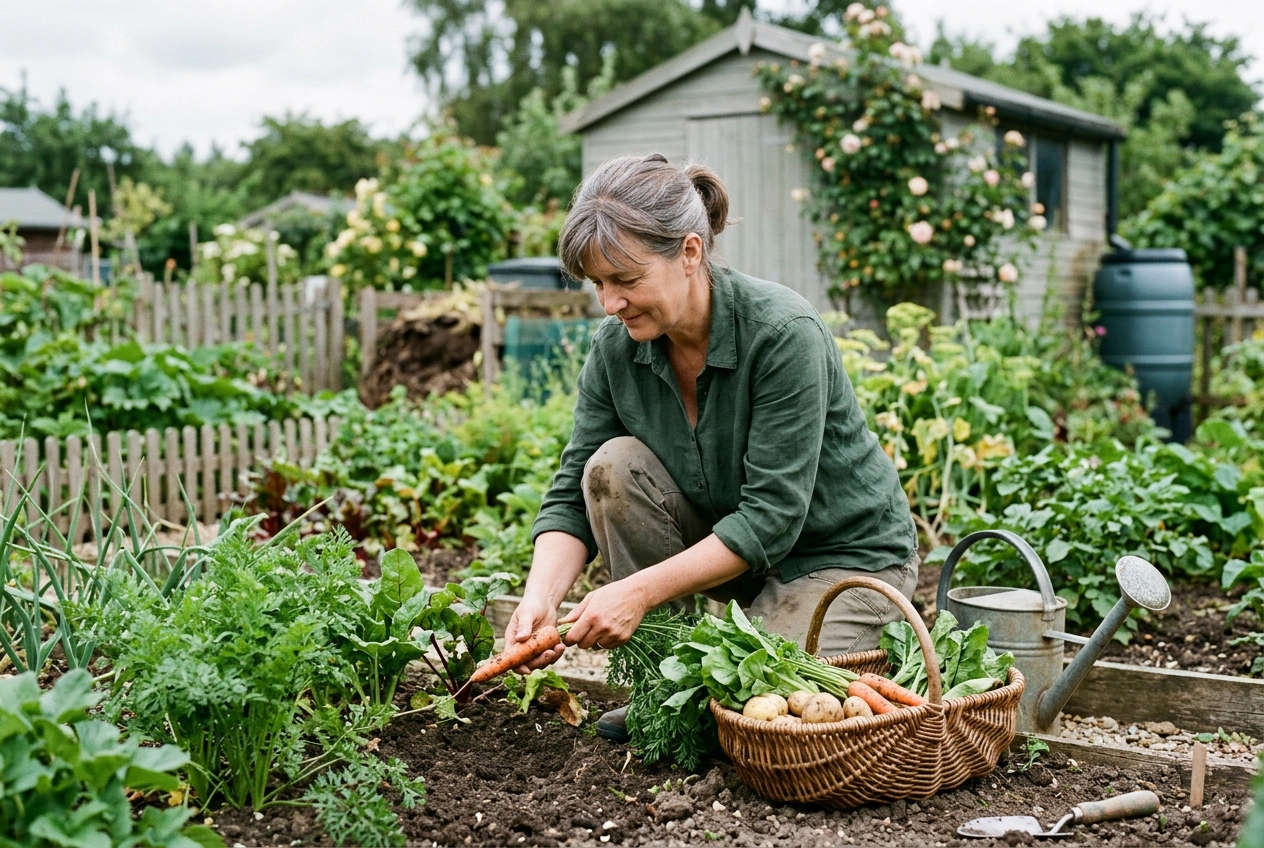
Simple living revolves around the idea of reducing clutter—both physical and mental—so that individuals and families can focus on what brings them joy and fulfillment. By adopting a simple living mindset, families can make conscious choices about their possessions, activities, and lifestyle, leading to a more intentional way of life. This approach encourages individuals to assess their needs and desires, ultimately promoting sustainable living practices that benefit both the family and the environment.
The Benefits of Simple Living
Adopting simple living practices can lead to numerous benefits for families:
- Reduced Stress: A clutter-free environment can lead to a calmer mindset. Families often experience less anxiety when their surroundings are organized and simplified.
- Improved Relationships: With less focus on material goods, families can invest more time in relationships, fostering deeper connections and shared experiences.
- Financial Savings: Simple living encourages mindful spending, helping families save money by focusing on needs rather than wants.
- Sustainability: Embracing a simpler lifestyle often leads to more sustainable choices, such as reducing waste and prioritizing eco-friendly products.
Top 10 Decluttering Tips for a Simpler Home
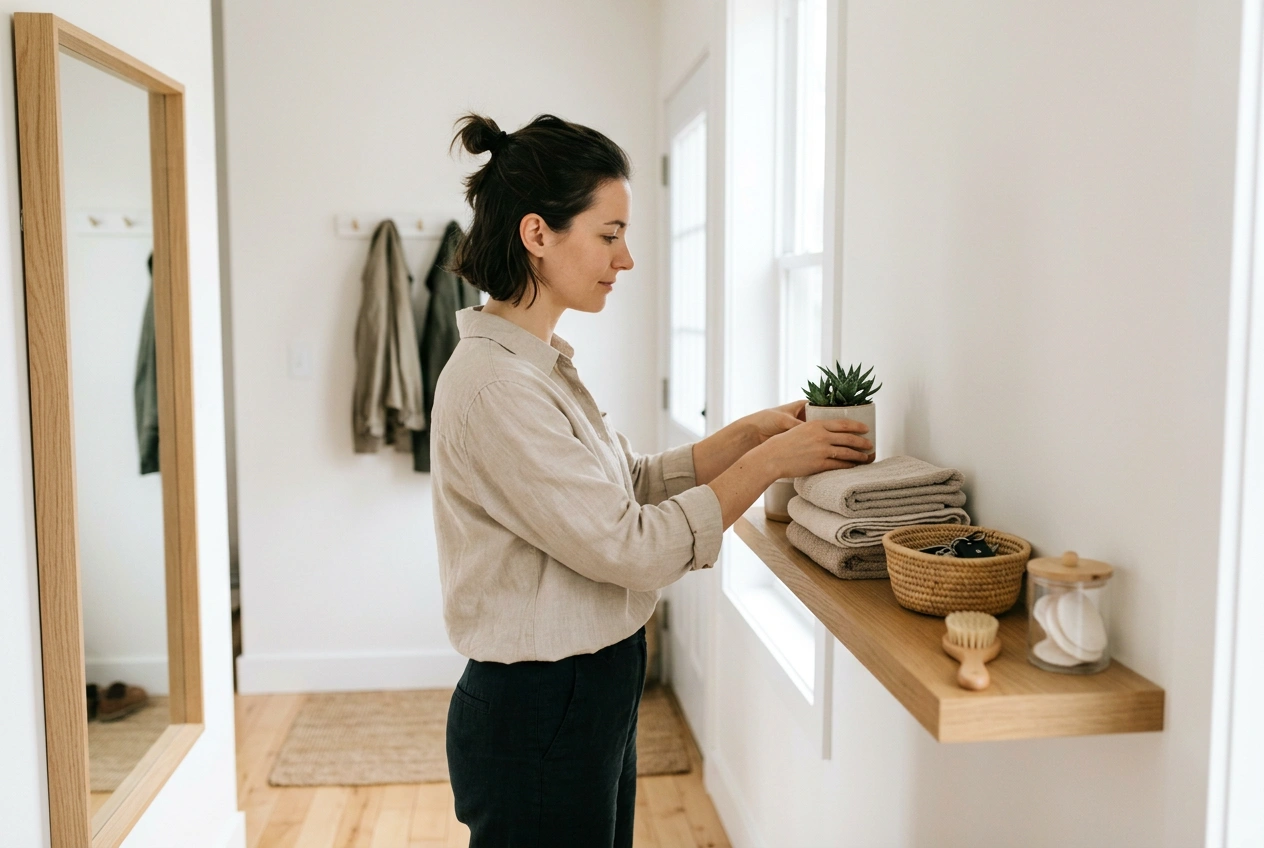
Decluttering is a fundamental aspect of simple living. Here are ten actionable tips to help families achieve a more organized and simplified home.
1. Start Small
Begin your decluttering journey by tackling one area at a time. Choose a small space, such as a single drawer or a corner of a room, to avoid feeling overwhelmed.
2. Set Clear Goals
Establish specific objectives for your decluttering process. Decide what you want to achieve, whether it’s creating more space, reducing stress, or simplifying your daily routines.
3. Use the Four-Box Method
This method involves labeling four boxes: keep, donate, sell, and trash. As you sort through items, place them into the appropriate boxes to make decision-making easier.
4. Implement the One-Year Rule
If you haven't used an item in the past year, consider letting it go. This rule helps you evaluate the necessity of items in your home and encourages a more intentional approach to possessions.
5. Organize Regularly
Schedule regular decluttering sessions, whether monthly or seasonally. This practice keeps clutter at bay and helps maintain an organized living space.
6. Involve the Whole Family
Get everyone in the family involved in the decluttering process. Assign age-appropriate tasks to children and explain the benefits of simple living to foster a collective effort.
7. Create a Donation Schedule
Establish a routine for donating items. This could be a monthly drop-off at a local charity or a seasonal clean-out. Knowing when you will donate can motivate you to declutter more consistently.
8. Limit New Purchases
Before making a purchase, ask yourself if it aligns with your goals for simple living. Commit to a "one in, one out" policy, where you donate or discard an item for every new item you bring home.
9. Digitize When Possible
Reduce physical clutter by digitizing documents, photos, and other materials. Use cloud storage or external hard drives to keep important files organized without taking up physical space.
10. Celebrate Your Progress
Take time to acknowledge and celebrate your decluttering achievements, no matter how small. This positive reinforcement can motivate you to continue simplifying your home.
Common Misconceptions About Simple Living
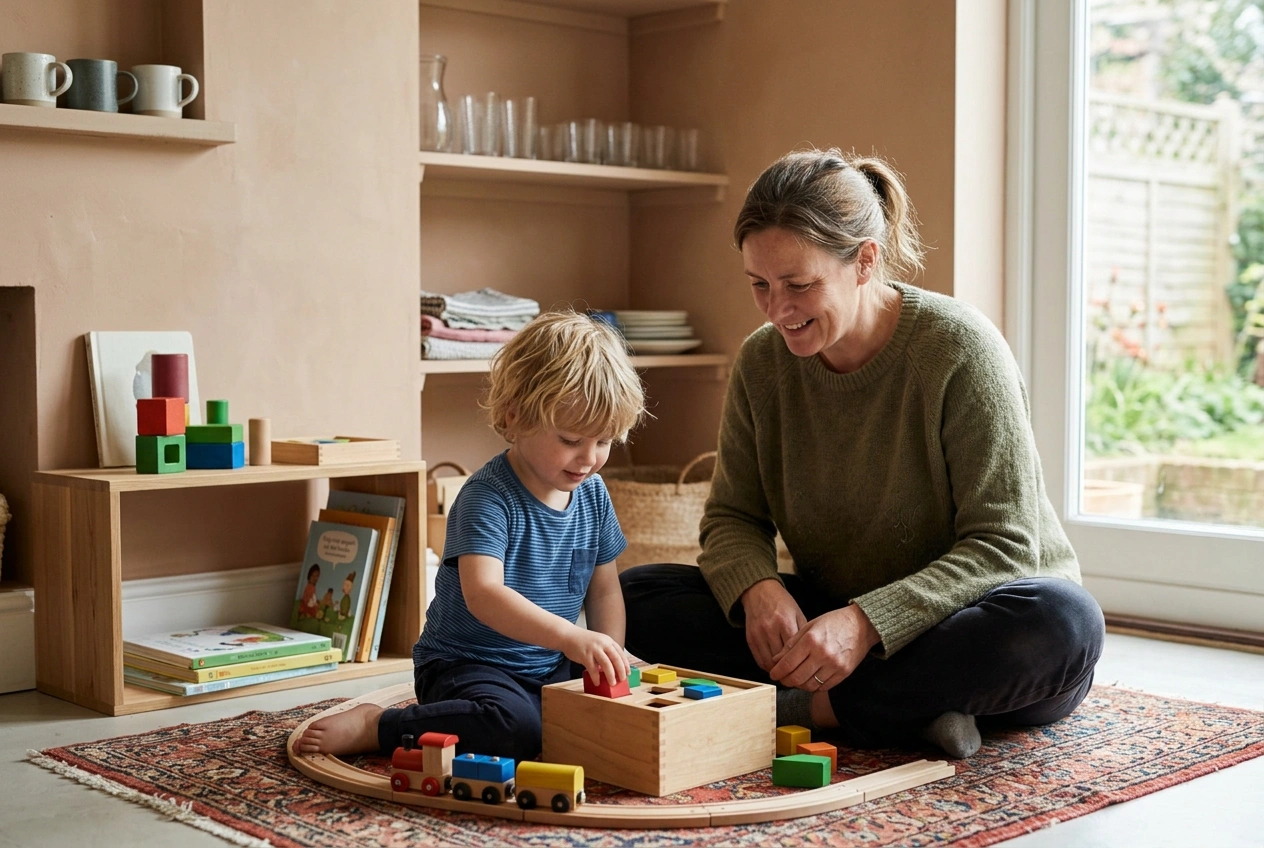
While the concept of simple living is gaining popularity, several misconceptions can hinder families from fully embracing this lifestyle.
Misconception 1: Simple Living Means Living with Nothing
Many believe that simple living requires extreme minimalism, where individuals live with very few possessions. In reality, simple living is about making intentional choices regarding what to keep, focusing on quality over quantity.
Misconception 2: It’s Only for Certain People
Some may think that simple living is only for those with specific lifestyles, such as minimalists or environmentalists. However, anyone can adopt simple living principles regardless of their background or circumstances.
Misconception 3: Simple Living is Time-Consuming
While decluttering and simplifying can initially require time and effort, the long-term benefits—such as reduced stress and a more organized home—often outweigh the initial investment.
Embracing Sustainable Living
Sustainable living is closely tied to the principles of simple living. By adopting environmentally friendly practices, families can contribute to a healthier planet while simplifying their lifestyles.
Incorporating Sustainable Practices
Here are several sustainable practices families can adopt to support their simple living goals:
- Reduce Waste: Implement waste-reduction strategies, such as composting and recycling, to minimize your environmental footprint.
- Choose Eco-Friendly Products: Opt for sustainable, natural, and non-toxic products when shopping for household items. This choice not only benefits the planet but also promotes a healthier home environment.
- Grow Your Own Food: If possible, start a small garden or grow herbs indoors. This practice encourages self-sufficiency and reduces reliance on store-bought produce.
- Support Local Businesses: Prioritize purchasing from local farmers and artisans. This supports the local economy and often results in fresher, more sustainable products.
The Ripple Effect of Sustainable Living
When families adopt sustainable living practices, they not only improve their own lives but also inspire others to do the same. This ripple effect can lead to a broader movement toward environmental awareness and responsibility within communities.
The Intersection of Simple Living and Tiny Homes
As families embrace simple living, many are exploring tiny homes as a practical solution. Tiny homes align perfectly with the principles of minimalism and sustainable living, offering families the chance to downsize and simplify their lifestyles significantly.
Benefits of Tiny Living
Choosing to live in a tiny home comes with various advantages:
- Affordability: Tiny homes typically cost less to build and maintain, making them an attractive option for families seeking financial freedom.
- Simplified Maintenance: With less space to manage, families can spend less time cleaning and more time enjoying quality moments together.
- Enhanced Mobility: Tiny homes can often be mobile, allowing families to relocate easily and explore new environments without the burden of traditional housing.
Connecting with TinyHouse.com
TinyHouse.com serves as a valuable resource for families interested in tiny living. The site offers comprehensive guides, resources, and inspiration to help families navigate the process of building or buying a tiny home. By visiting TinyHouse.com, families can find information on sustainable building practices, design ideas, and tips for transitioning to a simpler lifestyle.
Final Thoughts on Simple Living
Embracing simple living can profoundly impact families, fostering a more intentional and fulfilling lifestyle. By adopting practical decluttering strategies and incorporating sustainable practices, families can create a harmonious home environment that prioritizes relationships and experiences over material possessions. TinyHouse.com can assist families in their journey toward simple living, providing the necessary resources to simplify daily life through the principles of tiny living.
For more information on how to simplify your life and explore the tiny living movement, visit TinyHouse.com today.