Smart Garage Ideas for Small Homes: Storage, Space and Door Upgrades

When space is limited, every square foot matters. You might add kitchen shelves, choose a compact sofa, or use the space beneath the stairs, but the garage often gets overlooked. A well-planned garage can take pressure off a small home's living areas, provided it's safe, accessible, and suited to daily routines. For homeowners in the Salisbury area, Salisbury garage door specialists can also assess an existing door before storage or other upgrades begin.
Not every tiny home has a garage, of course. But for people living in a small house on a permanent lot, downsizing from a larger property, or planning a compact backyard home, an existing garage can make a surprisingly big difference. The trick is to treat it as part of the home rather than a place where unwanted things end up.
Give the Garage a Job Before You Organise It
A garage tends to become cluttered when it has no clear purpose. Bicycles, paint cans, holiday decorations, and half-finished projects all compete for the same floor space. Before buying storage bins, decide what really belongs there.
Perhaps you want a place for tools and outdoor gear. Maybe you need room for a workbench, a small laundry area, or seasonal supplies that would otherwise fill your closets.
Pick the two or three jobs that matter most, then arrange the space around them. A narrow shelf for everyday items is often more practical than deep cabinets where everything disappears at the back.
Look Up, Not Just Around
The floor is valuable real estate in any compact home. Wall-mounted racks, pegboards, and carefully positioned overhead storage can free up walking space without making the garage feel cramped.
Keep heavier objects low, and make sure anything stored above head height is properly secured.
Leave an unobstructed path to doors, electrical panels, and equipment. If you park a car inside, check its full clearance with doors open before installing racks or cabinets.
Storage only works if you can still use the space comfortably.

Don't Ignore the Garage Door
A tired garage door can undermine an otherwise thoughtful setup. It may let drafts in, rattle each time it opens, or take up space you were hoping to use. Before adding expensive finishes, inspect the door, its seals, and the way it operates.
If a door needs attention, ask a qualified local garage-door professional whether servicing or replacement makes more sense. Springs, cables, and other high-tension parts should be handled by a professional rather than treated as a weekend DIY project.
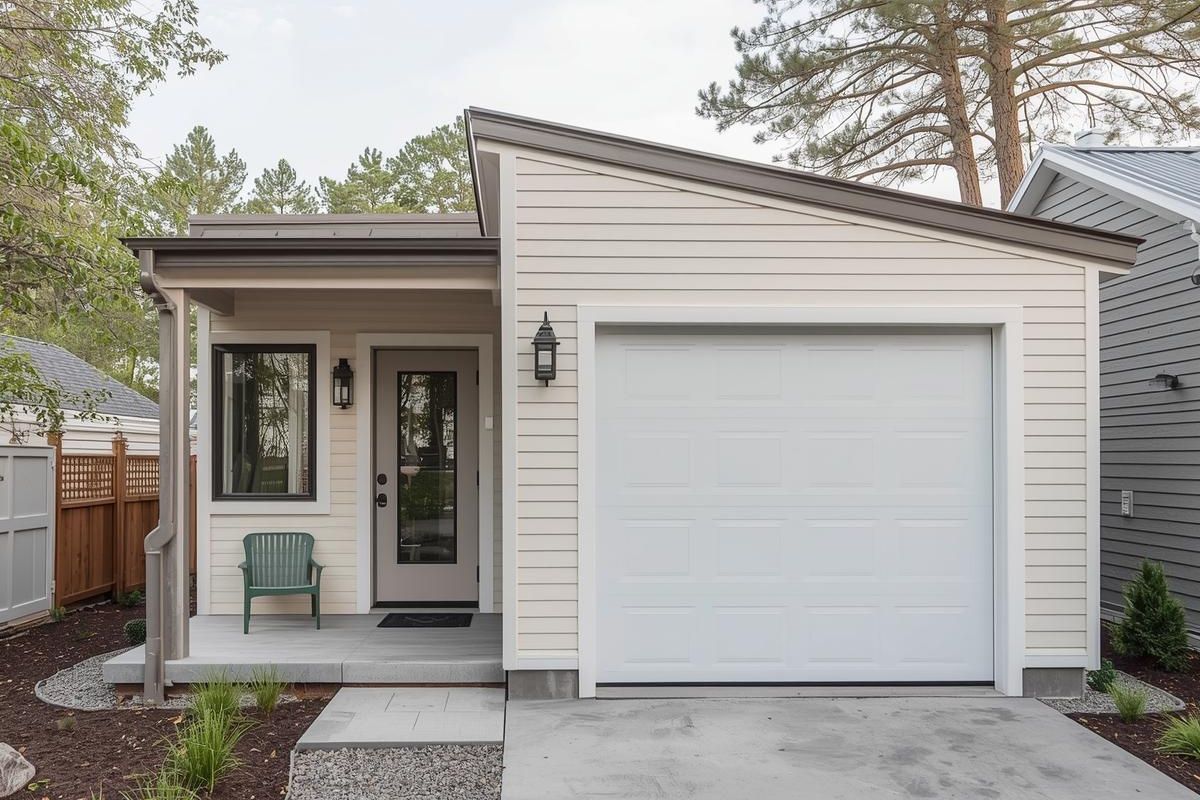
If you're starting from scratch, consider how the door will look from the street and how it will work day to day.
There are residential garage doors for every home, including options with different window designs, materials, and insulation choices.
A door with windows may bring welcome daylight into a workshop, while a more solid style may better suit a storage-focused space where privacy is important.
Think About Comfort Before Converting the Space
It's tempting to picture a garage as a ready-made office, gym, or guest room. But garages are not automatically built to the same comfort and safety standards as living areas.
Temperature swings, moisture, ventilation, and the condition of the floor all deserve attention.
If you want to turn a garage into habitable space, check local permits, insulation requirements, and building rules first.
Even a modest workshop benefits from good task lighting and a sensible way to manage dust and humidity. You don't need an elaborate renovation to make the space more pleasant; you do need to understand its limits.
Make It Easy to Keep Tidy
A clever storage system is only useful if you can stick with it. Keep frequently used things near the entrance. Group related items together and label boxes clearly enough that another family member can find what's inside.
If something hasn't been used in years and has no meaningful purpose, it may not deserve a permanent spot.
Finally, resist the urge to fill every available wall. Empty space is not wasted space. It gives you room to carry groceries, move a bicycle, or tackle a project without shifting five other things first.
A Simple Weekend Plan for a More Useful Garage
If the project feels overwhelming, break it into a weekend rather than attempting a full renovation.
On Saturday morning, take everything out that you can safely move and sort it into three groups: keep, relocate, and let go.
Measure the available wall space before buying anything. Sketch where the car, bicycles, shelving, and walking paths need to be.
You may discover that moving one shelf is more helpful than adding three new ones.
On Sunday, focus on the items you use most. Install suitable wall storage, give each category a home, and put everyday tools within easy reach.
Test the layout in real life. Can you carry groceries through without turning sideways? Can you get the lawn mower out without moving the bikes? Can another member of the household find the extension cord?
Small adjustments often outperform expensive renovations.
Better lighting, weatherstripping where appropriate, and a clearly marked place for essentials can change how the garage feels.
The goal isn't to make it look like a magazine photograph. It's to stop losing time searching for things and make a small property easier to enjoy.
Final Thoughts
Living small doesn't mean every possession must fit inside the main living room or bedroom. It means deciding carefully what each area should do.
Whether your garage becomes a tidy equipment store, a practical workspace, or simply a better place to park, a little planning can make the whole property feel easier to live in.
A well-organised garage can provide the breathing room that smaller homes often need, without requiring a costly expansion or major renovation.