Smart Masonry Ideas for a Durable, Low-Maintenance Tiny Home Exterior

.jpg)
For a tiny home, every square foot matters—including the space outside the walls. A compact patio, brick walkway, masonry landing, or low garden wall can make a small property feel more complete without creating excessive maintenance. The key is choosing exterior features that fit the scale of the house and can handle years of weather.
Use Masonry Where It Adds Function
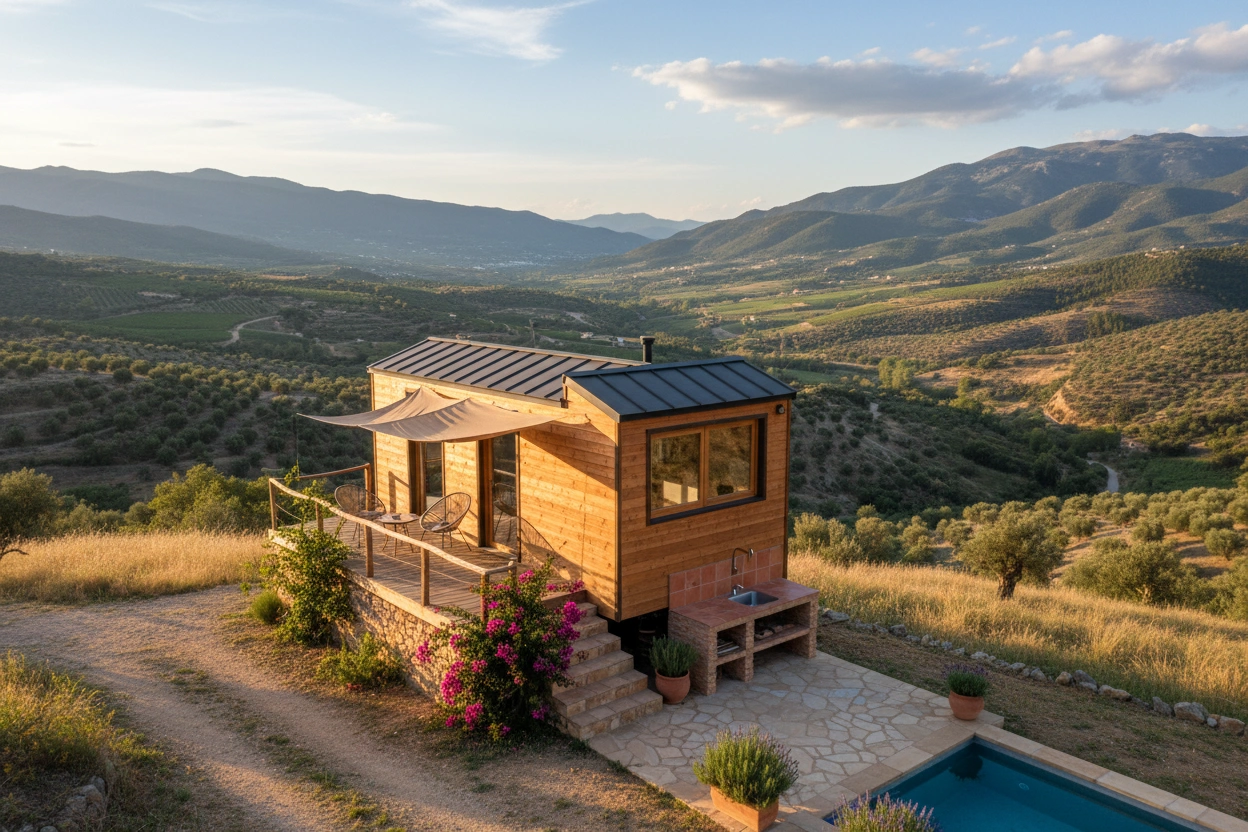
Brick, stone, and concrete are usually associated with conventional homes, but they can work especially well around tiny houses when used selectively. A narrow brick path can create a clear route to the entrance. Pavers can define a small outdoor dining area, while a low masonry border can separate planting beds from gravel or mulch.
Start with the areas that receive the most use: entry steps, the route from parking to the door, and transitions between indoor and outdoor living spaces. Durable surfaces in these locations can reduce mud, erosion, and routine upkeep.
Masonry can also help define different outdoor zones without requiring a large yard. For example, a small paved section beside the house can serve as both a place to sit and a practical area for removing muddy shoes before going inside. A short retaining wall can double as a visual boundary or informal seating when the site has a slight change in elevation.
Scale matters. Large retaining walls or elaborate patios may overwhelm a compact home. Simple patterns, clean edges, and one or two complementary materials usually create a more balanced result.
Pay Attention to Mortar Joints
The condition of brickwork depends on more than the bricks themselves. Mortar joints are an important part of the assembly, and years of rain, temperature changes, and freeze-thaw cycles can cause them to crack, erode, or separate.
During routine exterior inspections, look for missing mortar, open joints, crumbling sections, loose bricks, or unusual moisture staining. Minor deterioration is easier to address before it spreads across a larger area.
When weakened mortar must be removed and replaced, the new material should be compatible with the existing masonry. Property owners researching restoration methods can use professional resources such as top-masonry.com/tuckpointing-repointing-chicago-il to understand how tuckpointing and repointing are used to restore deteriorated joints and why proper material selection matters.
.jpg)
Plan Around Water
Good hardscape design should manage water as carefully as it manages appearance. Walkways and patios need appropriate grading so runoff moves away from the home rather than collecting near the foundation. Downspouts should have a clear discharge path, and new masonry should not block existing drainage.
This deserves extra attention on compact lots, where the house, paths, garden beds, and seating areas may be close together. A patio can look attractive while still creating problems if its slope sends rainwater toward the structure.
Where suitable, gravel or permeable pavers can help create functional surfaces without covering the entire yard with impermeable material. These options can also make future repairs easier because individual pavers can often be removed and replaced without disturbing the entire surface.
Before installing a new walkway or patio, consider how water already moves across the property during heavy rain. Existing low spots, downspouts, slopes, and drainage channels should be part of the plan rather than treated as an afterthought.
Choose Materials for the Local Climate
The best masonry material is not necessarily the one that looks best in a showroom. Local weather conditions should influence the choice. Areas exposed to frequent rain need materials and installation methods that can handle prolonged moisture, while colder climates require attention to freeze-thaw conditions.
Porous materials may absorb water that later expands during freezing temperatures, potentially contributing to cracking or surface deterioration. In wet climates, moss and algae can also develop on shaded masonry, particularly where drainage is poor.
The amount of maintenance required should also factor into the decision. A material that needs frequent sealing or specialized cleaning may not be ideal for someone who wants a simple tiny-home property. Durable, readily available materials that can be repaired locally may be a more practical long-term choice.
Keep the Exterior Palette Simple
A tiny house often looks more intentional when its exterior uses a limited material palette. Instead of combining several types of brick, stone, concrete, and wood, select finishes that complement the siding and roof.
Modern tiny homes may pair well with simple concrete pavers and gravel. Cottage-style designs can work with brick or natural stone, while wood siding can gain visual contrast from a restrained masonry feature. Climate should also influence material choices, especially in regions with snow, heavy rain, or frequent freezing and thawing.
Color is another consideration. A masonry feature does not have to exactly match the house, but it should relate to existing exterior finishes. Repeating a tone from the roof, trim, siding, or nearby landscaping can make the hardscape feel connected to the home rather than added later.
Make the Exterior Easy to Maintain
Tiny living is often about reducing unnecessary space and upkeep, so the landscape should follow the same principle. Durable hardscape, straightforward drainage, limited planting zones, and repairable materials can keep the property useful without creating a long maintenance list.
Avoid designs with too many narrow gaps or complicated masonry patterns if they are likely to collect leaves, dirt, or weeds. Simple surfaces are generally easier to sweep and inspect. Likewise, keeping plants slightly away from masonry can reduce the chance of roots growing into joints or branches constantly rubbing against walls.
Inspect masonry after harsh weather, keep vegetation from growing into joints, and correct drainage problems early. Not every small crack means major reconstruction, but changes that expand or allow water intrusion should not be ignored.
A thoughtfully planned tiny property extends the efficiency of the home into the landscape. Well-scaled paths, patios, masonry accents, and drainage features can make limited outdoor space feel organized and inviting while supporting the low-maintenance approach that makes tiny-home living attractive.


.svg)