
5 Sustainable Practices for Off-Grid Communities

.jpg)
Off-grid communities are gaining popularity, with reduced carbon footprints, lower utility costs, and greater independence among the reasons for the rise. Centered on self-sufficiency, off-grid communities deliver several benefits by separating from public utilities.
Whether in isolated rural areas or in a tiny home village, off-grid living can be achieved in different ways. If you’re looking to reduce your utility bill and limit your carbon footprint, here are 5 sustainable practices for off-grid living.
What Exactly Is Off-Grid Living?
Off-grid living has had many definitions throughout the years. Traditionally, it meant being off the electrical grid and generating your own form of power. Now, it is most commonly described as living independently from public utilities—specifically, electricity, water, and sewage systems. Some definitions even include internet and cable services in the list of inaccessible utilities.
What Is an Off-Grid Community?
Off-grid living may sound lonely, but disconnecting yourself from public utilities doesn’t mean living in isolation. Off-grid communities involve a group of people living together in a self-sufficient manner. Whether resources are home-specific or entirely shared by the community, these tight-knit environments foster strong connections with like-minded people.
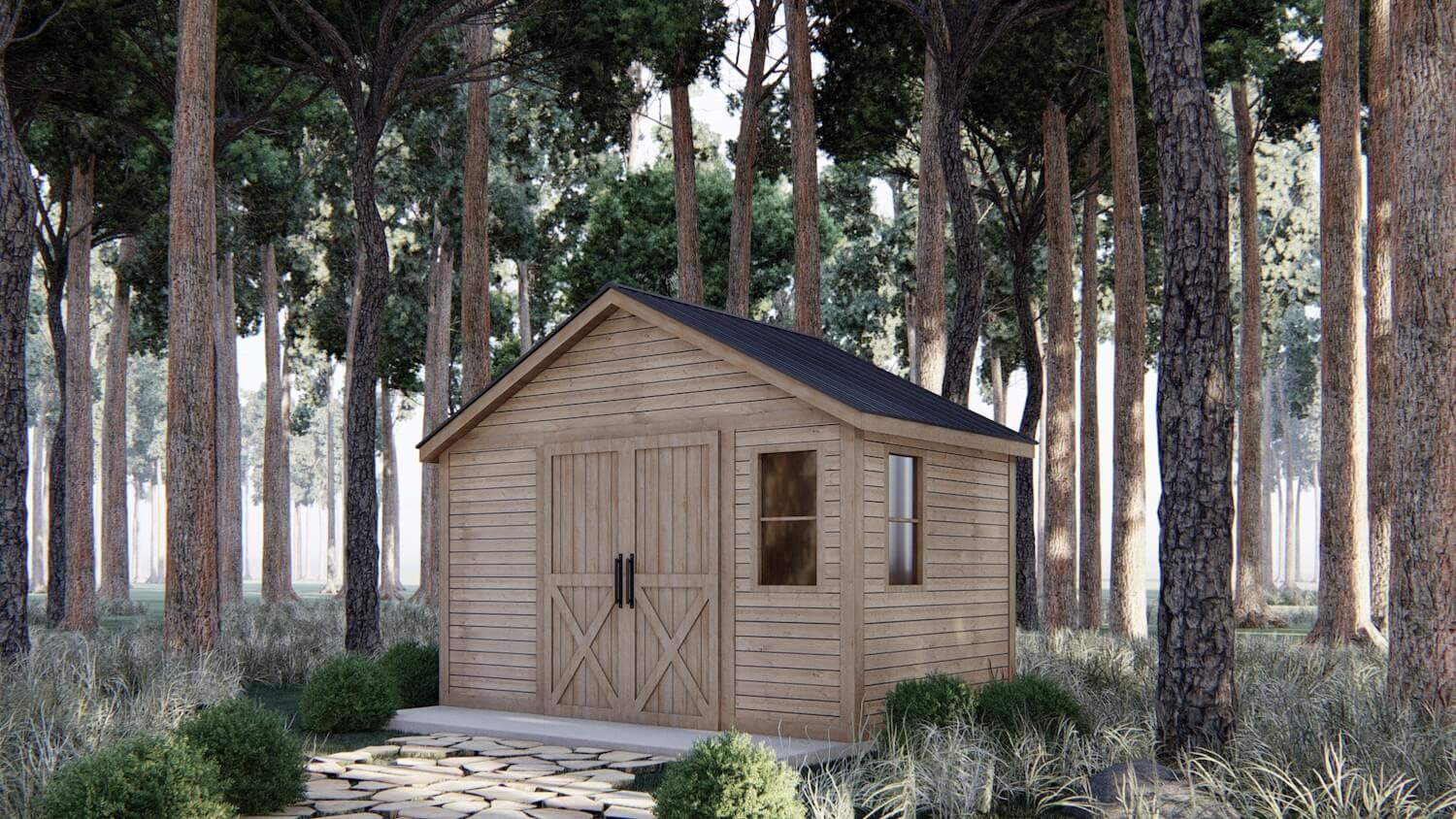
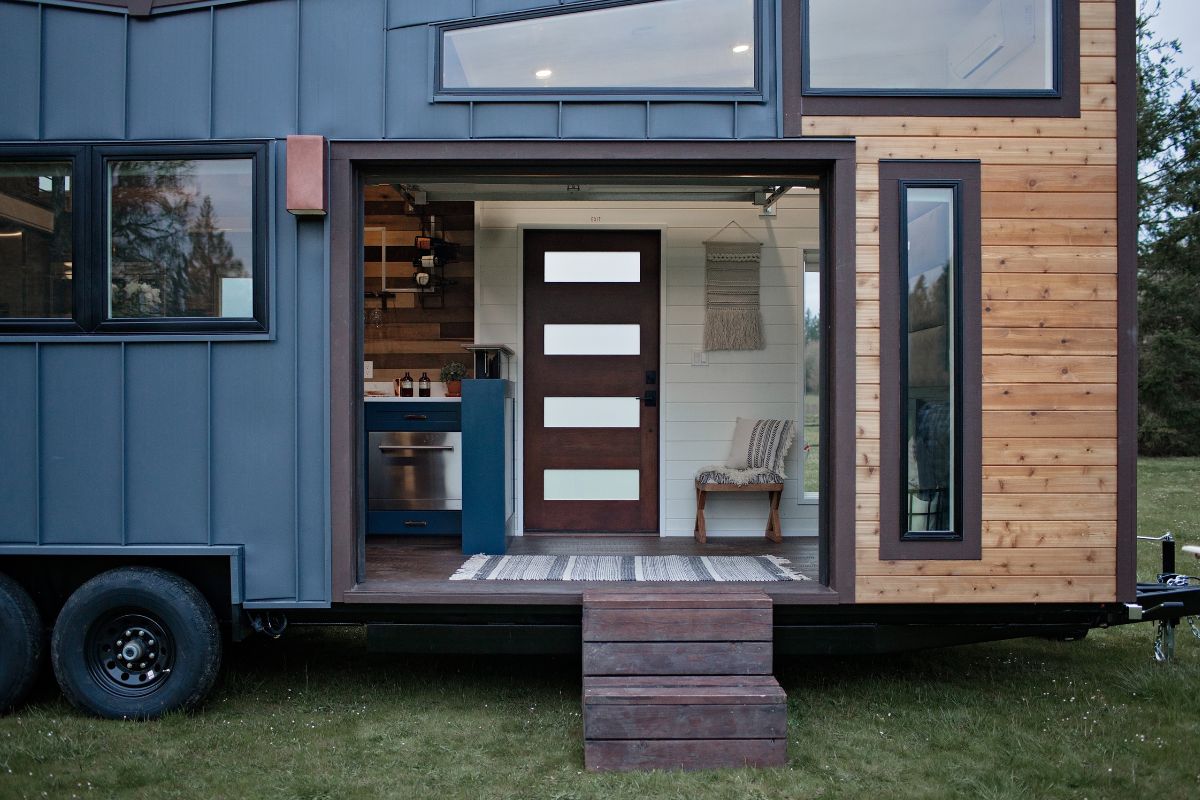
Many off-grid communities feature tiny homes for increased sustainability. Smaller homes require fewer materials and energy to maintain, further lowering utility costs and minimizing environmental impact. They encourage a minimalist lifestyle, instead prioritizing a connection with nature and meaningful relationships with neighbors.
.webp)
5 Practices for Sustainable Off-Grid Living
Transitioning to off-grid living is a tedious process. From working out the logistics and honing basic skills to pooling resources and phasing out utilities, making the switch to off-grid requires plenty of preparation. Here are 5 practices to implement for sustainable off-grid living.
Reliable Communication
There have been polarizing views on whether cell networks are considered off-grid. Whether you want to sever access to cell towers or live in an area with a weak signal, reliable communication is crucial. Satellite phones offer global coverage, allowing you to send texts and make calls without local infrastructure; however, they require a direct line of sight to the sky to connect with satellites. HAM radios, also referred to as amateur radios, are reliable for long-distance communication without the use of the internet or cell service, but they require a license and operational knowledge.
Two-way radios are ideal for close-knit communities to stay in touch, and portable radio antennas enhance range and signal, facilitating clear communication. Family Radio Service (FRS) and Multi-Use Radio Service (MURS) offer license-free communication, while General Mobile Radio Service (GMRS) requires an FCC license but offers greater power.
Living off-grid typically occurs in remote locations due to limited access to public utilities; however, those who live in urban areas may also choose to implement stand-alone systems for greater energy independence and self-sustainability.
Renewable Energy Generation
Living off-grid means living without dependence on electricity provided by public utilities. There are several alternative sources of energy, with the size of the energy system depending on your needs.
Solar panels are the most common installations for alternative energy, harnessing sunlight and converting it into electricity. Wind turbines use the kinetic energy of moving air to generate power, and microhydropower systems utilize water flow to generate electricity—an effective energy alternative if you have water running through your property. Hybrid systems use a combination of these sources for more reliable and consistent power.
Additional components for a stand-alone power system include a charge controller to regulate voltage and current, batteries for storing excess energy, and inverters to convert direct current (DC) into alternating current (AC) for household use.
.webp)
Water Systems
Separating your home from public utilities means securing a dependable water supply. Off-grid water systems involve water sourcing, treatment, and distribution. Wells tap into aquifers and use a pump to lift water into a storage tank, providing a reliable source of water. Rainwater harvesting collects roof runoff using gutters, pipes, and a storage tank, serving as a backup or even primary source of water in rainy climates.
Water treatment involves sedimentation to let heavy particles settle, filtration to trap smaller contaminants, and disinfection to kill bacteria. Gravity-fed systems are popular in off-grid setups due to their ability to remove contaminants and distribute water without the use of electricity. Solar-powered pump systems can be implemented to move water from storage to faucets.
Waste Management
The final primary concern to address in an off-grid living situation is sewage treatment. Proper waste management is crucial for protecting the environment, preventing local water contamination, and curbing toxic waste. Waste management systems not only address these risks but can also offer sustainable benefits.
Greywater, or water from baths, sinks, and washing machines, is wastewater that can be reused for irrigation or flushing toilets, reducing the use of potable water for non-potable needs. Blackwater is wastewater containing human waste and must be properly treated before being disposed of or reused in any way.
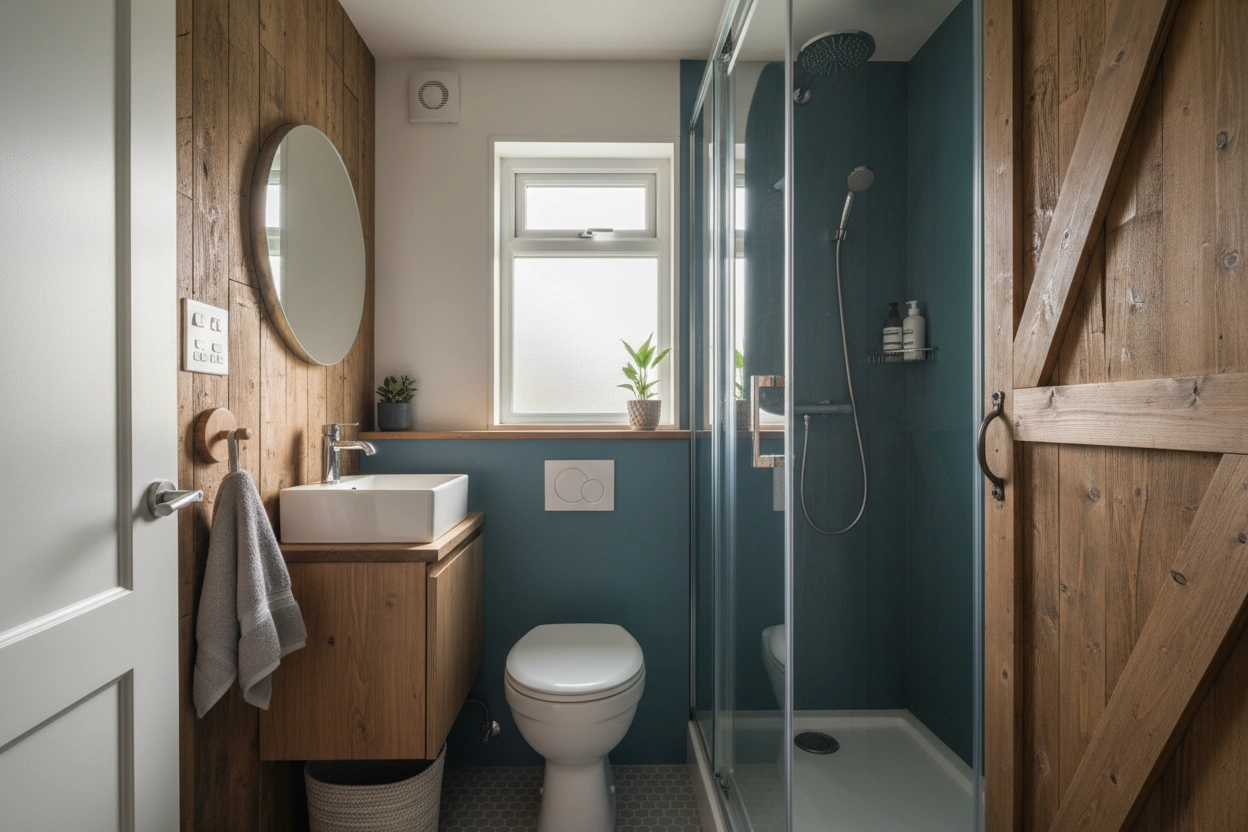
Composting toilets are a popular choice for sustainable off-grid living. They use aerobic decomposition to convert waste into compost. No plumbing is needed, saving on water and electricity consumption, and the compost can be used to fertilize non-edible plants. These toilets can be as simple as a toilet seat on a bucket of sawdust or more complex, like urine-diverting toilets, which separate liquid and solid waste to reduce odor and make waste management easier.
Septic tanks are underground tanks that use bacteria to treat waste. Solid sludge settles at the bottom while treated liquid waste (effluent) is released into a drain field. They provide a conventional flush-toilet experience, but they require professional installation and maintenance. These tanks are useful in tiny home communities where each home shares one large septic tank.
Food Production
Off-grid living doesn’t mean you won’t have access to grocery stores, but living off-grid often means you’re living in rural areas where the nearest market is over an hour away. While making a monthly trip and buying in bulk is viable, producing your own food is a sustainable way to create a secure food supply.
Gardening is essential in sustainable food production. Gardens should prioritize high-yield, nutrient-rich crops that can be stored for long periods, such as potatoes, carrots, and beans, as well as easy-to-grow staples like tomatoes, onions, and garlic. You can also consider incorporating wild berries or vegetables that are native to your area. A variety of vegetables, fruits, and grains is essential to a balanced diet.
Raising livestock is a sustainable source of protein. Chickens, rabbits, and goats are small livestock that are excellent for producing eggs, meat, and milk. Pigs and cows produce a high output of milk and meat, but they require much more space. Depending on the amount of land available, food production may be different. Off-grid communities with limited space often share a garden and livestock.
Maximize Sustainability With Off-Grid Living
At its bare bones, off-grid living requires harnessing energy, harvesting water, and managing waste; however, maximizing self-sustainability involves reliable food production and communication. Gradually incorporating these practices can slowly but surely disconnect you from the grid.
Making the switch to off-grid isn’t easy, but it’s rewarding in the long run. With greater self-reliance and energy independence, living free from public utilities reduces monthly costs, lessens environmental impact, and resists power outages. Plus, joining a community of like-minded people can provide the support and connection you need to prosper.


.svg)

.jpg)