7 Things That Make a Property Truly Feel Like Home

.jpg)
When you walk into a house, you can usually tell if it feels like home. It's not about square footage or shiny appliances—it’s about the feeling of comfort, ease, and belonging.
Turning a property into a home doesn’t happen overnight. It takes thoughtful touches, personal style, and a space that fits your life.
Some neighborhoods make this easier, with roomy lots, ocean views, and a peaceful setting that invites personalization. It's the kind of environment where houses feel less like properties and more like places to call your own.
Whether you're starting fresh or upgrading your current space, here are 7 things that can truly make a house feel like home.
1. A Personal Touch in Every Room
A home should reflect the people who live in it. Personal touches—like family photos, meaningful artwork, or a favorite throw blanket—bring life to a space and make it feel truly lived-in. These details turn a house into something more: a place that feels familiar, warm, and yours.
That’s why buyers are often drawn to neighborhoods in South Maui, places with spacious lots, peaceful surroundings, and room to grow. Among them, Maui Meadows homes for sale offer just that: a canvas for your personality. From open interiors ready for custom design to gardens perfect for personal touches, it’s easy to imagine how each corner could become uniquely yours.
It doesn’t take much—a handmade coffee table, a wall painted in your favorite color, or a shelf lined with your go-to books. But when the space supports those choices, personalizing it feels effortless. That’s when a house starts to feel like home.
2. A Comfortable and Inviting Atmosphere
Comfort plays a big part in how a home feels. Soft lighting, cozy blankets, and furniture you actually want to sit on all help create an inviting space. You don’t need expensive pieces, just things that make you want to kick off your shoes and stay a while.

A few warm lamps can change the mood of a room. Rugs underfoot can add warmth and soften hardwood floors. Even scents like lavender or freshly baked cookies can bring comfort. The goal is to make each room feel calm and welcoming, not just for guests but for you, every day.
3. Functionality That Matches Your Lifestyle
A home should work for you, not the other way around. The layout and design should fit the way you live. If you cook a lot, a kitchen with plenty of counter space matters. If you work from home, having a quiet space for focus is important. Families might need open areas for play, while someone who hosts friends often might want a bigger dining area.
Think about your daily routine and what makes life easier. Storage, flow between rooms, and even where you charge your phone, these things might seem small, but they shape how comfortable and functional your home feels.
4. A Sense of Safety and Security
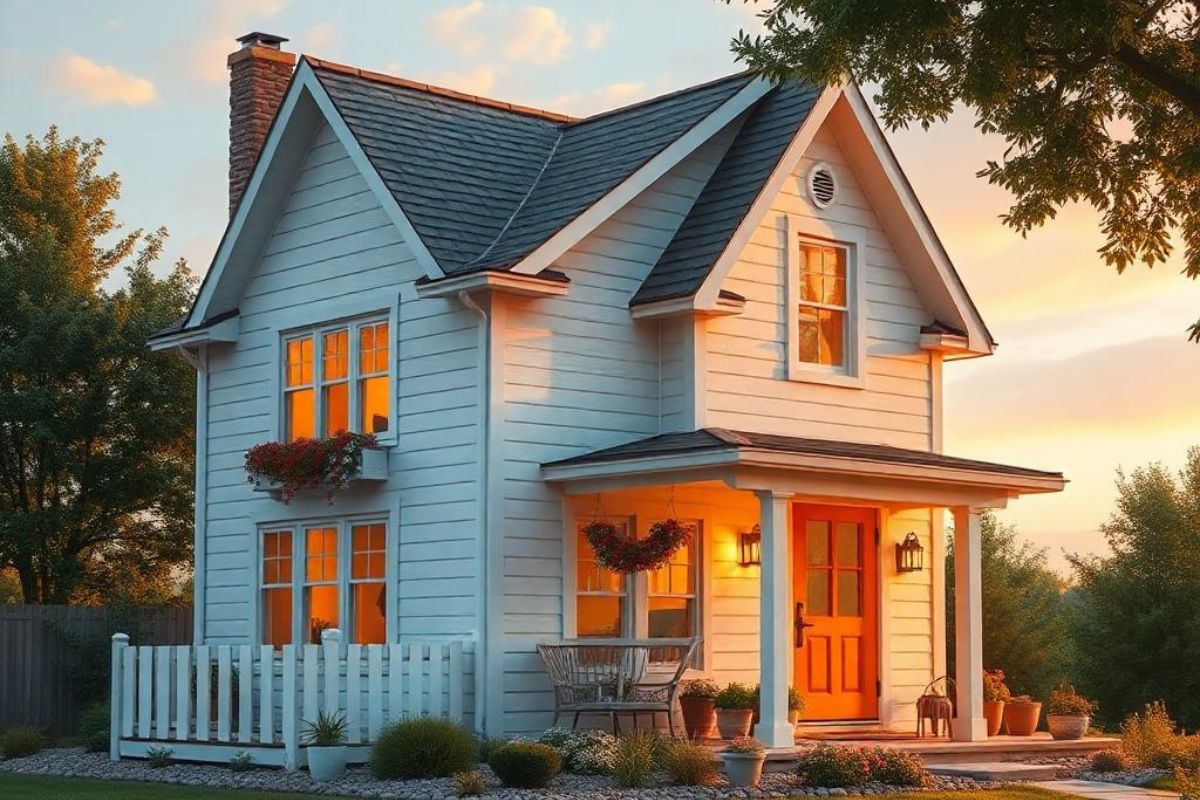
Feeling safe at home is essential. It’s hard to relax if you’re worried about your surroundings. Good locks, outdoor lighting, and a secure entry all help, but safety goes beyond just physical measures.
A quiet neighborhood, friendly neighbors, and a sense of community also play a part. When your surroundings feel trustworthy and familiar, it brings peace of mind. That sense of comfort allows you to enjoy your home more fully, whether you’re going to bed at night or just stepping outside to get the mail.
5. Spaces That Encourage Connection
One of the best things about a home is that it brings people together. Shared spaces, like the kitchen, dining room, or backyard, create natural spots for connection. Whether it’s a quick chat at the counter, a family dinner, or a weekend barbecue, these moments help build memories.
You don’t need a huge space. Even a small table or a cozy outdoor corner can be perfect for spending time with others. The point is to create places where people feel welcome to gather, talk, and enjoy each other’s company.
6. A Reflection of Your Values and Personality
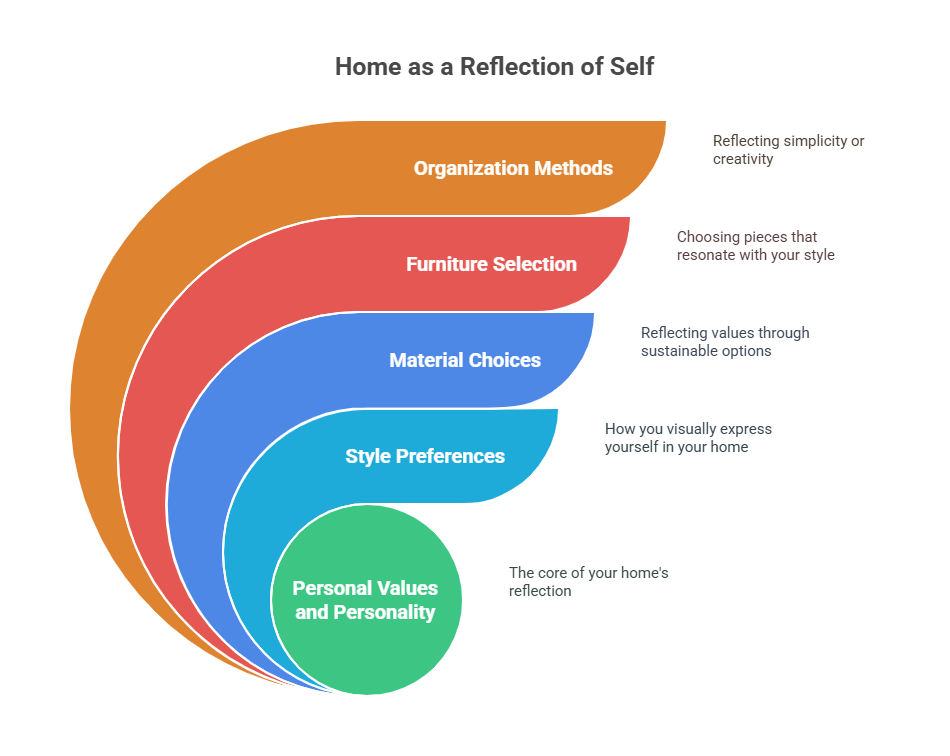
Your home is a reflection of who you are. It shows what matters to you, whether that's sustainability, creativity, simplicity, or comfort. Maybe you prefer a clean, minimalist look, or maybe your style is colorful and eclectic. Whatever it is, it should feel like you.
Even your choice of materials, furniture, and organization methods can reflect your values. Someone who loves nature might fill their home with plants and natural light. Someone else might focus on using recycled or secondhand items. When your home aligns with your personality and beliefs, it feels more meaningful.
7. The Right Amount of Imperfection
Perfect homes don’t always feel the most lived-in. Sometimes, it's the imperfections that bring warmth. A chipped mug that’s your favorite, a creaky floor that reminds you of your childhood home, or a couch that’s a little worn but incredibly comfy—these details give your home its story.
Trying to make everything flawless can actually make a space feel cold. Real homes have quirks, and that’s part of what makes them special. Embracing a little mess, a little wear, and a few oddities makes your home feel honest and welcoming.
A home is more than just walls and a roof—it’s a place that holds your routines, your memories, and your peace of mind. The 7 elements above—personal touches, comfort, functionality, safety, connection, self-expression, and imperfection—can turn any property into a place that feels truly yours.
You don’t have to do it all at once. Just start with small changes that reflect who you are and how you live. Before you know it, you’ll walk through the door and feel it: this is home.


.svg)
.png)
.jpg)