Tiny Bathroom Design: How to Make Small Spaces Work

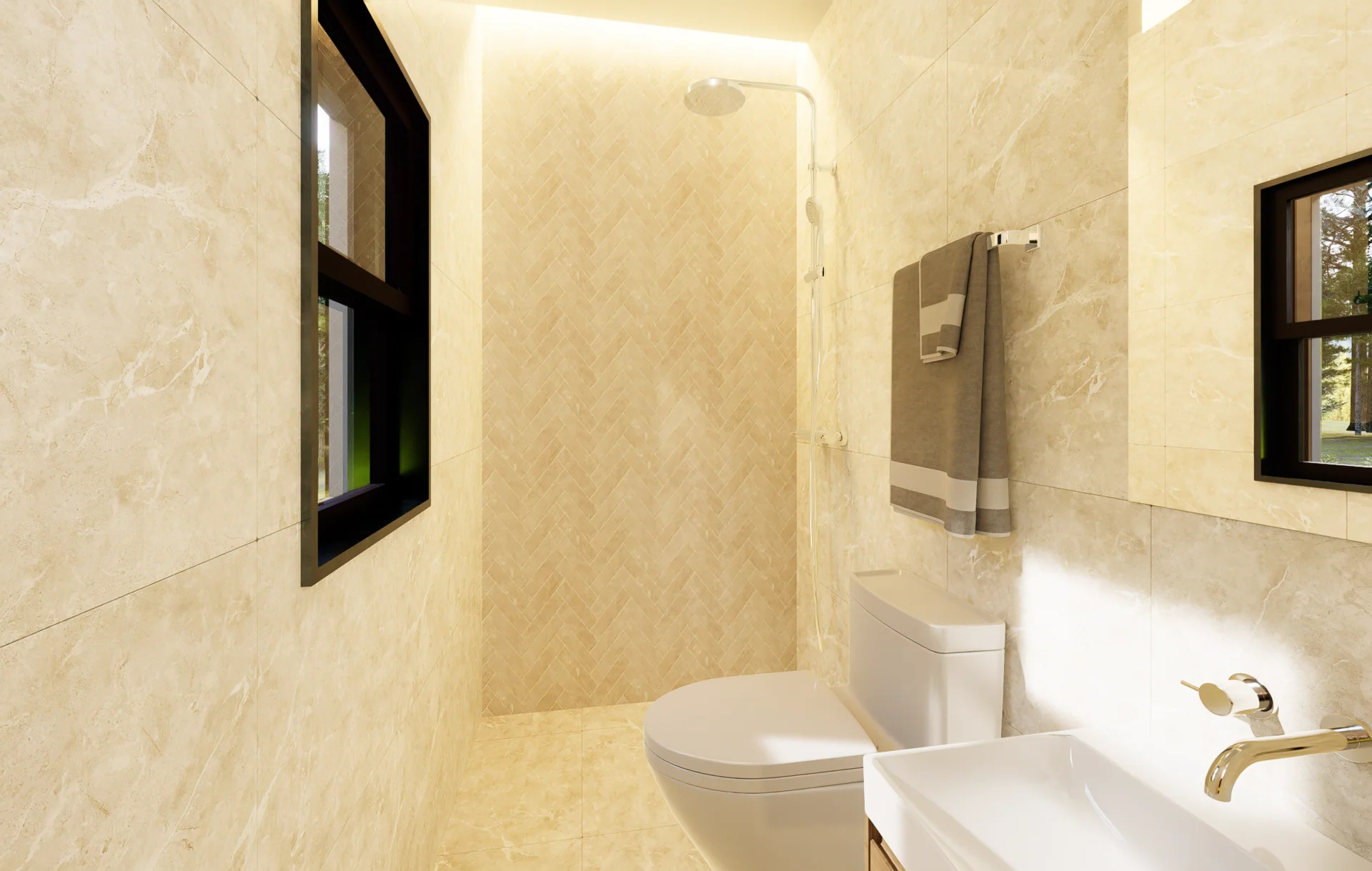
Designing a bathroom in a tiny home is one of the biggest challenges in small-space living. Unlike other areas of the home, a bathroom needs to fit multiple essential functions into a very limited footprint—often without compromising comfort or usability.
Poor planning can quickly lead to a space that feels cramped, cluttered, and difficult to use. Tight layouts, oversized fixtures, and a lack of storage are common issues that reduce both functionality and overall comfort.
A well-designed small bathroom takes a different approach. It focuses on efficient layout, proportional sizing, and smart storage solutions to make the most of every available centimetre. When done right, even the smallest bathroom can feel open, practical, and easy to use.
1. Start with Layout — Not Fixtures
When working with a small bathroom, layout is far more important than the fixtures themselves. Many design mistakes happen when people choose products first and try to make them fit later, rather than planning the space around how it will actually be used.
A good layout prioritises movement and accessibility. Even in a compact bathroom, there needs to be enough circulation space to move comfortably between the vanity, toilet, and shower. Poor fixture placement can disrupt this flow and make the room feel far more cramped than it actually is.
Door clearance is another key factor. Swinging doors, drawers, and shower screens all need space to operate properly. If these elements overlap or interfere with each other, the layout quickly becomes inefficient.
The goal is to keep the layout simple and functional. Focus on clear pathways, logical fixture placement, and maintaining as much open floor space as possible. In a small bathroom, every decision should support usability first—because once the layout is right, everything else becomes easier to work with.
2. Choose the Right Vanity Size (450mm vs 600mm)
The vanity is often the largest and most influential fixture in a small bathroom. Choosing the wrong size can significantly reduce usable floor space and disrupt the overall layout.
Getting this decision right is critical.
450mm Vanities (Ultra-Compact Solution)
A 450mm vanity is designed for very tight spaces where every centimetre matters. These are ideal for tiny homes, powder rooms, or bathrooms with a minimal footprint.
The main advantage is space efficiency. A smaller vanity creates more room to move, improves circulation, and prevents the layout from feeling overcrowded. However, this comes with a trade-off—storage is limited, and bench space is minimal.
For bathrooms with extremely limited space, this is often the most practical option.
600mm Vanities (Balanced Option)
A 600mm vanity offers a better balance between usability and space-saving. It remains compact enough for small bathrooms but provides more functional storage and a more comfortable everyday experience.
This size is often the preferred choice for small but frequently used bathrooms, as it allows for better organisation without taking up too much floor space.
Finding the Right Balance
The key is to choose the smallest vanity that still meets your daily needs. Oversizing the vanity is one of the most common mistakes in small bathroom design, as it reduces circulation space and makes the room feel tighter.
Selecting vanities designed for small spaces can help strike the right balance between functionality and limited space.
Suppliers like Ross’s Discount Home Centre offer a range of compact vanity sizes, including 450mm and 600mm options, making it easier to match the fixture to the layout without compromising usability.
3. Use Wall-Hung Fixtures to Increase Visual Space
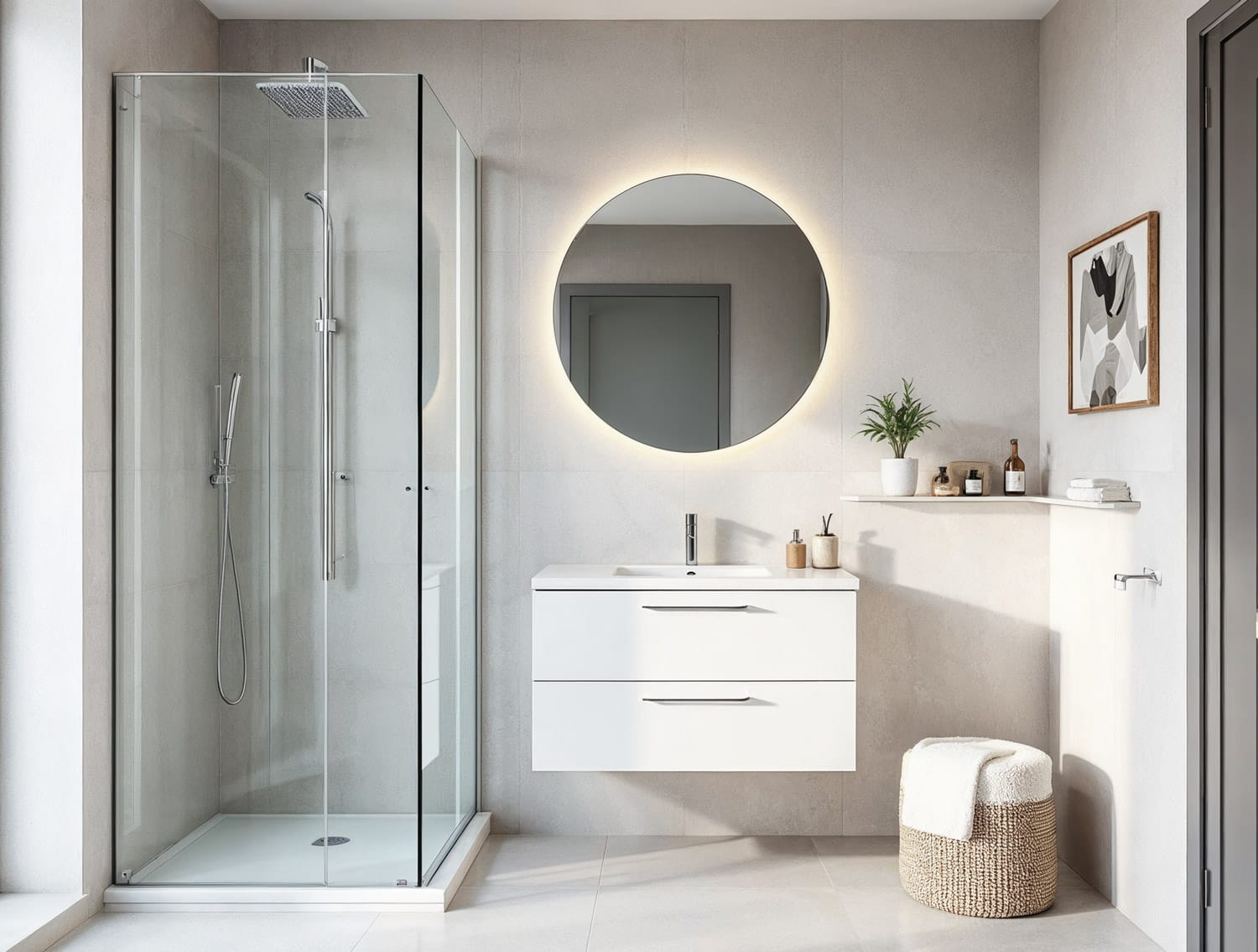
Wall-hung fixtures are among the most effective ways to create the illusion of space in a small bathroom. By lifting key elements, such as the vanity, off the floor, they create more visible floor area, which helps the room feel less confined.
This simple change has a strong visual impact. When the floor runs uninterrupted beneath the vanity, it enhances visual continuity and makes the overall layout feel more open. In compact bathrooms, this can significantly improve how the space is perceived, even without increasing the actual footprint.
There are also practical benefits. Wall-hung vanities make cleaning easier, as there are fewer obstacles on the floor. They also reduce visual weight, which is important in small spaces where bulky fixtures can quickly dominate the room.
Increasing visible floor space is a proven way to make a bathroom feel larger. In a limited layout, choosing fixtures that support a lighter, more open look can make a noticeable difference in both usability and comfort.
4. Rethink Shower Design for Better Flow
In compact bathrooms, the shower often becomes the dominant feature, which means its design has a direct impact on both movement and overall usability. If positioned or sized poorly, it can interrupt circulation space and make the layout feel restrictive.
Selecting the right shower type helps maintain a more efficient and open layout. Walk-in showers are particularly effective in small bathrooms, as they reduce barriers and support a more continuous floor plane. This improves bathroom flow and makes the space feel less confined. Corner showers are another practical option, allowing better use of available space without interfering with key movement areas.
Keeping the design minimal is equally important. Slim profiles and reduced framing lower the visual weight of the shower, helping maintain clear sightlines and better light distribution. This contributes to a more open and balanced layout.
In contrast, bulky enclosures and heavy visual barriers can quickly overwhelm a small bathroom. They break up the space, block light, and reduce the overall sense of openness.
As highlighted in the concept that every centimeter counts, efficient spatial planning is critical in compact environments. Applying this principle to shower design ensures the space remains functional, accessible, and visually cohesive.

5. Use Glass to Maintain Openness
In small bathrooms, maintaining clear sightlines is essential to creating a sense of space. Solid partitions and heavy materials can quickly break up the room, making it feel smaller and more confined than it actually is.
Glass shower screens are one of the most effective ways to preserve visual continuity. By allowing the eye to move freely across the space, they reduce visual barriers and help the layout feel more open and connected.
This also improves light distribution. Natural and artificial light can travel more easily throughout the room, which enhances brightness and contributes to a more comfortable environment. In compact layouts, this can make a significant difference in how the space is perceived.
The result is a bathroom that feels lighter, more open, and better balanced—without requiring any increase in physical size.
6. Maximise Storage Without Adding Bulk
Storage is essential in any bathroom, but in a small space, it needs to be handled carefully. Adding bulky cabinets or oversized units can quickly reduce usable floor space and make the room feel cluttered.
The goal is to increase storage without expanding the bathroom’s footprint.
Mirror cabinets are one of the most efficient solutions. They combine two functions in one fixture, providing concealed storage while maintaining a clean, uncluttered look. This helps keep everyday items accessible without crowding the benchtop.
Vertical storage is another effective approach. Using wall space instead of floor space allows you to store more without impacting circulation. Tall, slim storage units or shelving can make use of otherwise unused areas.
Recessed niches are also highly practical, particularly in showers. Built directly into the wall, they provide storage without protruding into the space, which helps maintain a streamlined layout.
By focusing on bathroom storage solutions that minimise bulk and maximise efficiency, you can keep the bathroom organised while preserving an open and functional feel.
7. Keep Materials Light and Consistent
Material selection has a strong influence on how spacious a bathroom feels. In smaller layouts, darker tones and heavy contrasts can make the room feel more enclosed, while lighter finishes help open it up.
Light colours reflect more light, which improves overall brightness and enhances the perception of space. This is especially important in bathrooms with limited natural light, where reflective surfaces can make a noticeable difference.
Consistency is just as important as colour choice. Using a cohesive palette across walls, floors, and fixtures reduces visual clutter and helps the space feel more unified. Too many contrasting materials or finishes can break up the room and make it feel smaller.
A simple, consistent approach creates a cleaner, more balanced look that supports both visual continuity and a more open feel.
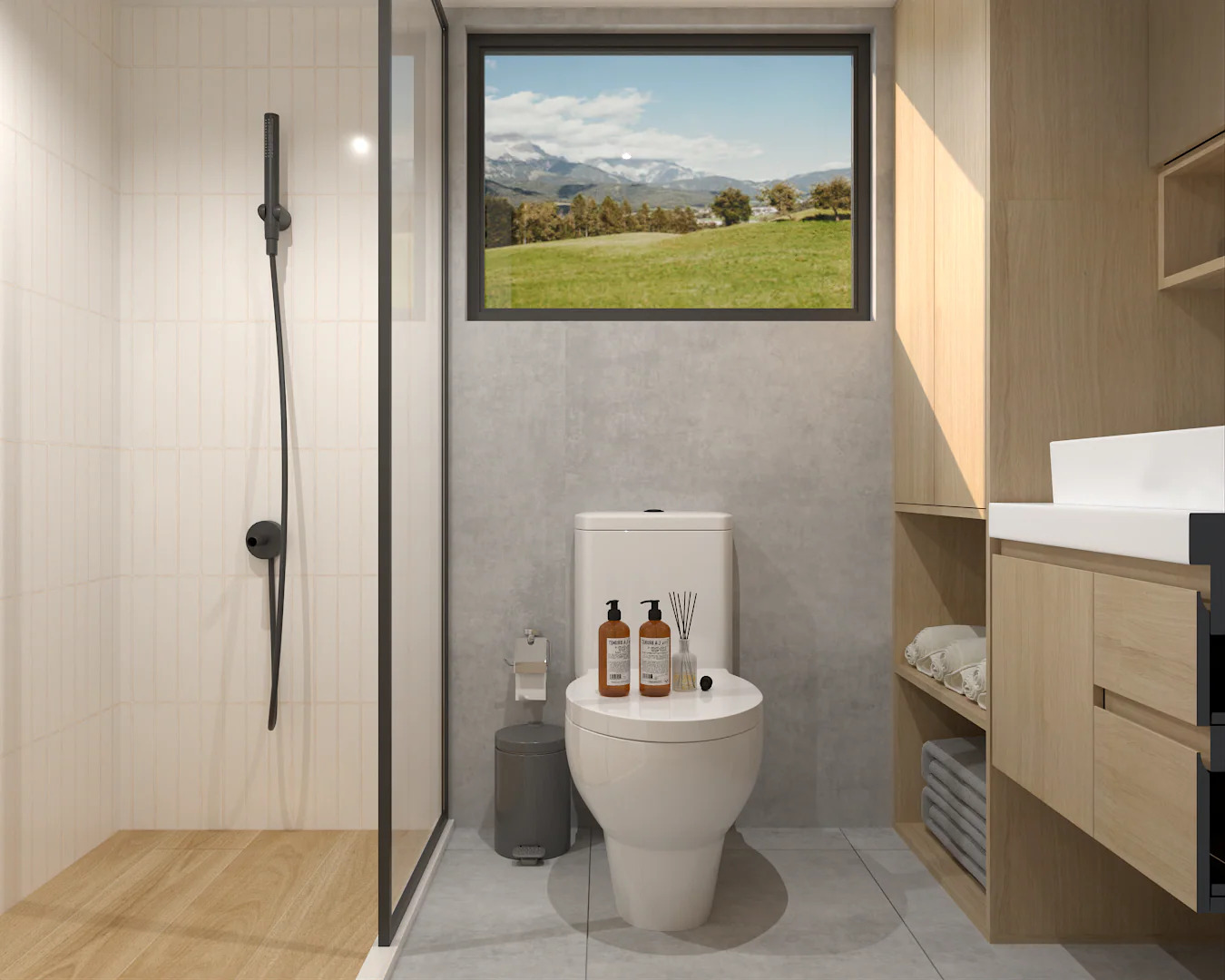
8. Prioritise Practicality Over Trends
In small bathrooms, functionality should always come before trends. While design trends can be appealing, they don’t always translate well into compact spaces where usability is critical.
Oversized fixtures, decorative elements, or layout choices driven purely by aesthetics can quickly reduce efficiency and make the space harder to use. What works in a larger bathroom often doesn’t scale down effectively.
Instead, focus on durability, ease of use, and long-term performance. A practical layout, well-sized fixtures, and thoughtful storage solutions will deliver far better results over time than trend-driven decisions.
In small spaces, good design is defined by how well it works—not just how it looks.
Conclusion
Designing a small bathroom successfully comes down to making smart, deliberate choices. A well-planned layout, correctly sized fixtures, and efficient storage solutions all work together to create a space that feels functional and comfortable.
Vanity size, in particular, plays a major role in the room's performance. Choosing the right size can improve movement, increase usable space, and support better organisation.
With careful planning and a focus on practicality, even the smallest bathroom—especially in a tiny home—can feel open, efficient, and easy to live with. Choosing well-sized, practical fixtures from suppliers like Ross’s Discount Home Centre can make it easier to achieve a bathroom that works within a compact footprint.


.svg)