Tiny Homes: Buy New or Renovate an Old One?

.jpg)
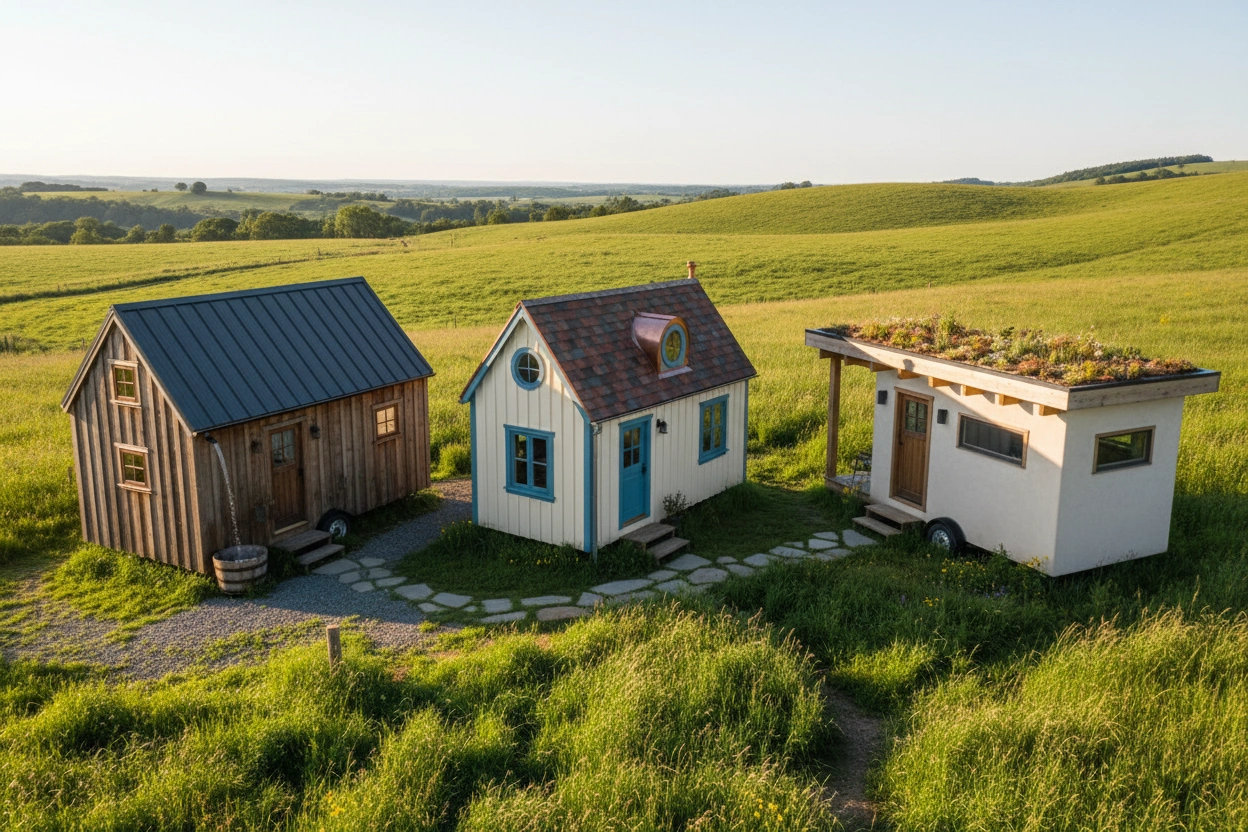
It used to be that tiny homes were nothing more than a fringe phenomenon, a curiosity. But times have changed, and tiny homes are now very much mainstream. The reason behind it is simple: rising housing costs, a desire for simpler living, and growing interest in sustainability. But just as with regular homes, deciding to buy a tiny home is only the first step. The next question is: is it better to buy new or renovate an existing one?
Both choices offer their own pros and cons and make financial and lifestyle sense, but the answer comes down to cost, predictability, customization, timeline, and, as with buying conventional homes, your tolerance for surprises.
What Does a New Tiny Home Cost?
New tiny homes, as you might expect, cover a wide spectrum of prices. DIY builds often start at the lower end, so if you have the skills, tools, and time, they can be an economical choice. Prefabricated or modular models usually occupy the middle price range, offering standardized layouts with less customization (and thus fewer unknowns). Fully custom designs occupy the top of the price range, especially if there are premium materials or high-end appliances involved.
So how does that break down in terms of dollars?
- DIY homes range anywhere from $25,000 to $90,000.
- A prebuilt home ranges anywhere from $30,000 to $100,000.
- A custom-built home can range from $30,000 to $150,000.
But those prices are only a baseline. There are a number of other factors that come into play, such as whether the home is built on a foundation or on wheels. Tiny homes on wheels are cheaper upfront, but those built on actual land can feel more "real." Container homes and hybrid designs come with structural and insulation features that affect price. There are also a number of ancillary costs including permits, fees, and more.
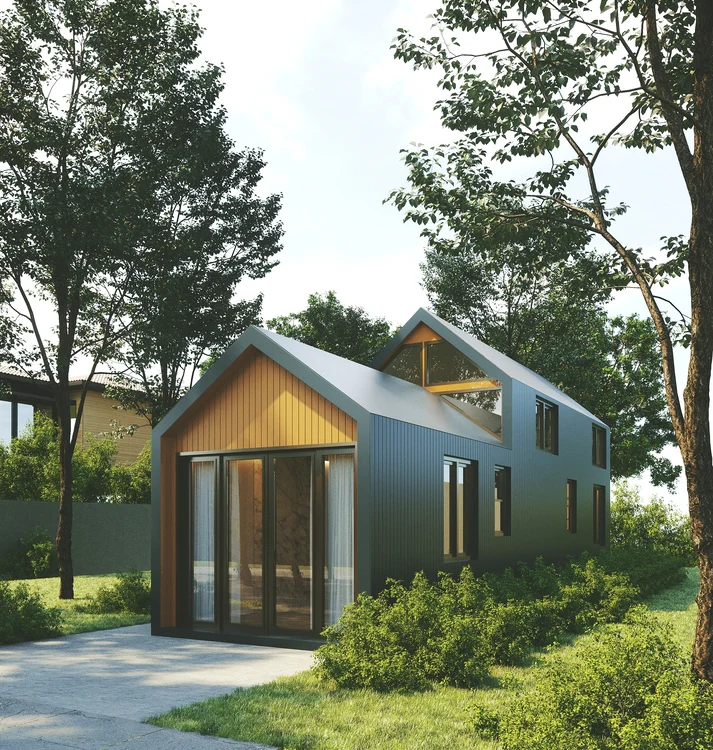
Pros and Cons of a New Tiny Home
Now let's break down some of the pros and cons of a brand new tiny home.
Pros
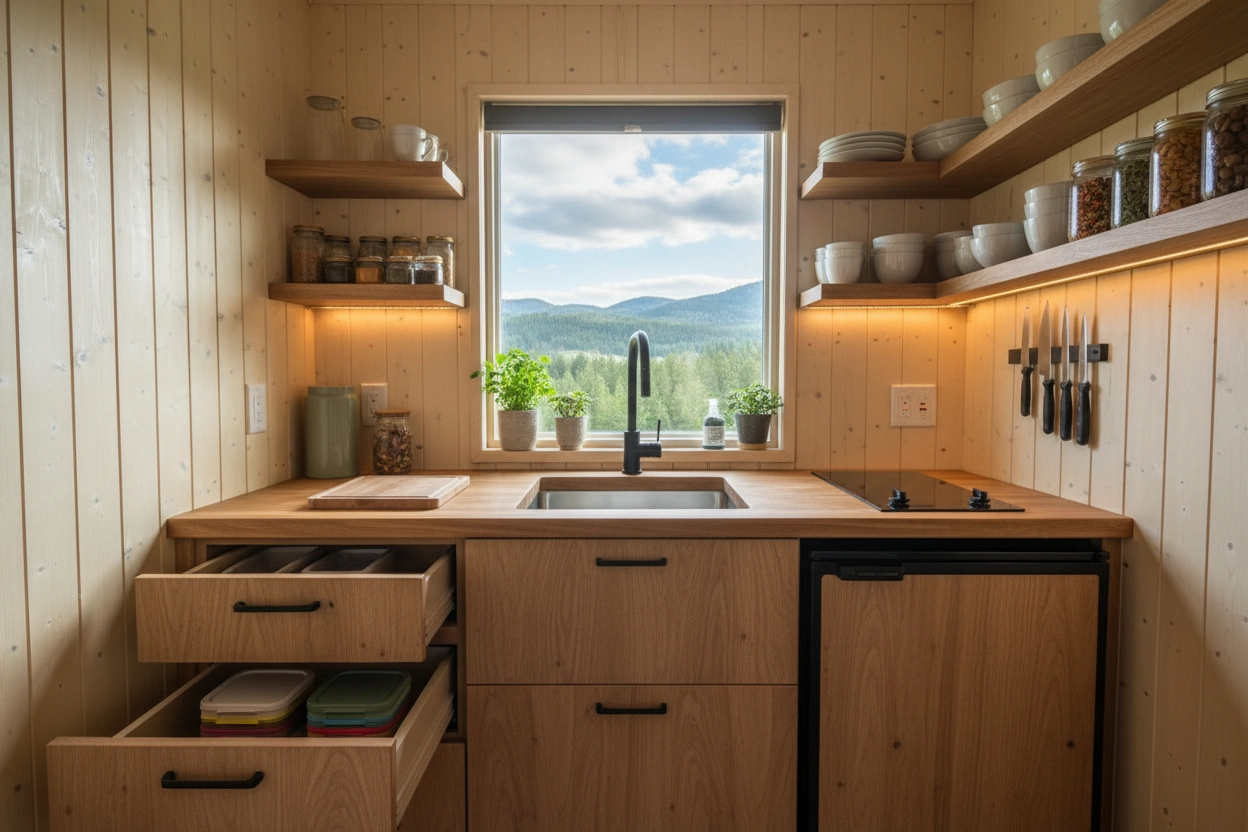
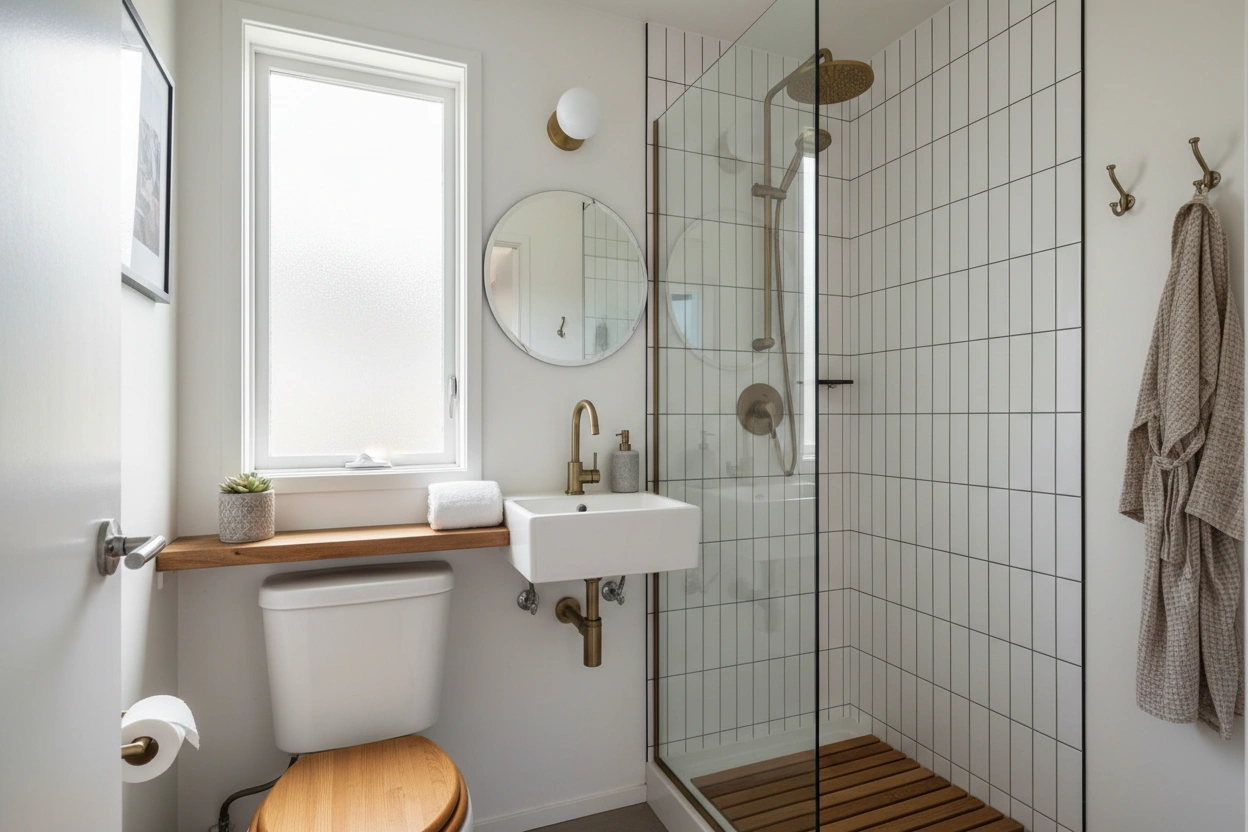
- New builds often come with maximum control over your design. You can choose layouts, finishes, and systems that match your needs and lifestyle.
- Modern construction usually means better insulation, better energy efficiency, and smart use of space.
- When planned carefully, new builds have fewer hidden issues, making budgeting less of a hassle. Plus, many new tiny homes come with warranties.
Cons
- The biggest drawback to buying new is the upfront cost. Customization, modern materials, and energy-efficient features are all great and desirable, but can also push prices up significantly. Build times may also be longer depending on the level of customization you're asking for.
- Once the construction is complete, flexibility diminishes. Making layout changes or other renovations can be costly or impractical, especially if the design is particularly tight.
What It Costs to Renovate an Existing Tiny Home
Just as with buying, renovating a tiny home can vary widely in terms of cost, though in general you can expect to pay anywhere from $250 to $400 a square foot, Minor upgrades like cosmetic finishes or cabinetry may be relatively inexpensive, while major overhauls to plumbing, electrical or insulation can run you as much as the home price itself or even more
Age and condition also matter. Older tiny homes, just like conventional homes, may have outdated wiring, inefficient insulation, or hidden water damage. A small project can turn into a large one before you know it.
These variables can make it hard to lock down a budget for a tiny home renovation, but you may also be able to control costs through DIY or phased work.
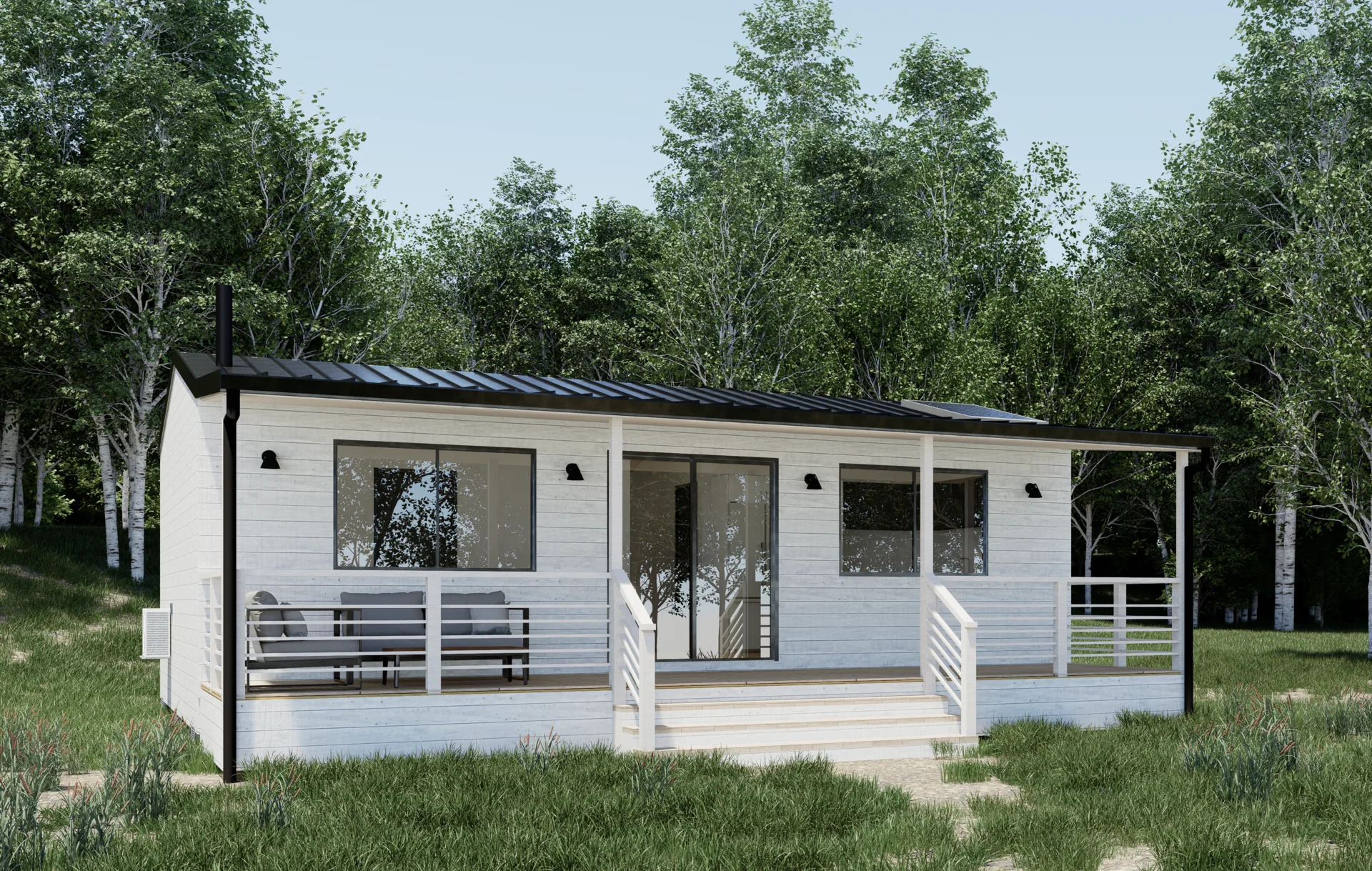
Pros and Cons of Renovation
Pros
Existing tiny homes are often cheaper than new builds, and renovation allows you to personalize the space more over time.
Renovation is also more flexible financially. You could upgrade in stages as funds allow, or use a home improvement loan to fund the entire project up front without potentially draining your savings account.
Cons
The biggest possible drawback to renovation is the potential for surprise. Hidden issues like electrical, plumbing or structural problems can arise unexpectedly and push costs up beyond your original plan. Older homes may struggle to meet energy efficiency standards without costly upgrades.
Renovation timelines are also notorious for stretching out past expectations, and this is especially true if specialized parts are involved. Living in a tiny home during renovations may also be significantly harder than it might be in a conventional home.
Which Option is Best?
As always, the answer is "it depends," largely on circumstances more than anything. If you value predictability, energy efficiency, and a clean start, buying new may be worth the upfront investment. If you have more DIY skills, flexibility in your budget, and lots of patience, renovation may be the more economical choice.


.svg)