The Tiny House Fantasy Has Issues

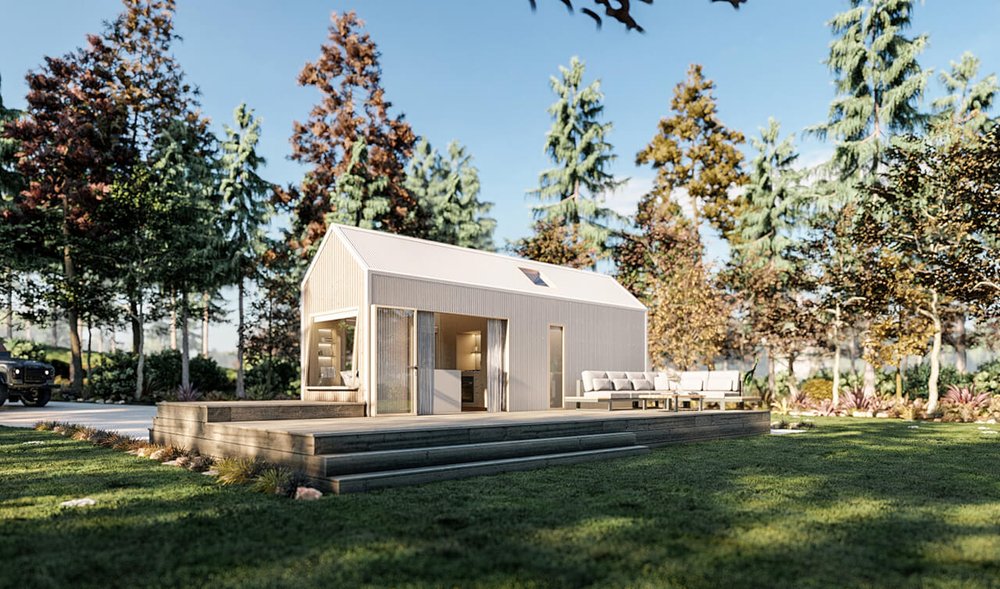
There are many things to be said about modern consumerism. To tell you the truth, none of them are nice. People live in an abundance of consumer products, use them once, not use them at all, throw them away, or keep them forever. Doesn’t really matter to the discussion at hand. But many are turning to small living quarters to undo the addition and wean themselves off the consumer needle. The NEEDY needle.
More and more of us are turning the tiny house idea into a romanticized getaway that you can take to the beach, to the woods, anywhere in the world! Neat, eh? Hop into your home and just enjoy your life forever.
Make a living creating video content of your life. Opt for a free video creator, say, Clideo, distribute your thoughts and way of living through the intricate webs of social ties, Instagram, and TikTok. Add subtitles,
Well, it’s not all that romantic. Nothing really is. While tiny homes are a practical and, frankly, wonderful solution for an increasing number of people, there are several roadblocks that you should consider before committing to one. Btw, obviously, we’re not discussing the house size here. Anyone with two functional brain cells, seriously considering a tiny home, already knows they will be somewhat claustrophobic. Less room for furniture, guests, books, impulse purchases, and musical instruments.
#1 Legal placement.
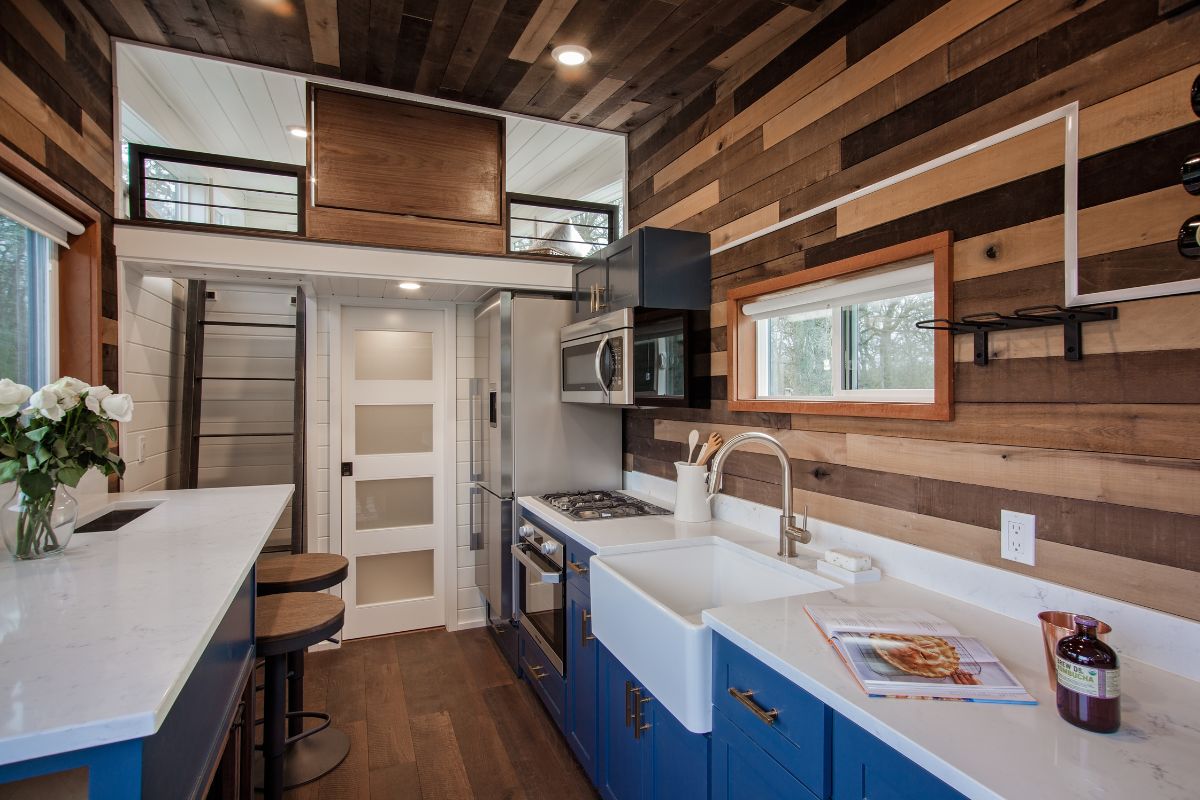
This is the number one dream killer around here. Oh, wouldn’t be great?? Wood cladding, large windows, a loft, a little porch, maybe a view of trees. Pal, you’re forgetting zoning rules, land-use codes, minimum dwelling requirements, utility regulations, septic rules, road access, and local definitions of what counts as a permanent residence.
A tiny home on wheels. If the state looks at it and sees an RV, not a house, it can limit where it is allowed to stay long-term. A tiny home on a foundation, hooray-hooray, may need to comply with building codes. Oh, and nobody considered alternative housing while writing it. In some places, a little thing called ‘accessory dwelling unit rules’ may help. In others, they may not apply at all. So you have 99 problems here and buying the darn thing is not one of them. Not yet, at least. The problem is finding a legal, stable, practical place to put it. Romantic project? More like a bureaucratic nightmare.
#2 Financing.
No glamor here, either. Traditional homes have a well-established financial system around them. You know how it goes. Mortgages, appraisals, insurance, comparable sales, predictable paperwork. Tiny homes do not always fit here, they don’t have a special branch to sit on. At least, in some jurisdictions. Depending on how they are built and classified, they may be treated as personal property, vehicles, RVs, or custom structures. And only sometimes, conventional real estate.
It’s time to say, ‘so what?’ That can mean fewer loan options, shorter repayment periods, higher interest rates, or the need for personal loans instead of standard mortgages. Even when the total price is lower than a traditional house, which is partly why you wanted the tiny house in the first place, the monthly financial picture could be a little twisted.
Be ready to find yourself in a funky middle zone. Too “house-like” to be a casual purchase, but not house-like enough for the usual lending channels. Again, this is not meant to discourage you, just to warn, so you can enter into this beautiful mess prepared and fully armed.
#3 Resale value = who knows?
Let’s face it, people who have enough money to buy a home, know exactly why their doing it, and it’s not only having-a-place-to-live simple. It’s an investment. Yes, sure, a tiny home is more personal. Your layout, storage choices, sleeping arrangement, stairs, heating system, bathroom type, kitchen setup, and mobility features are tuned in to your exact preferences. Great arrangement, in my opinion, while the house belongs to you. What happens if you want to sell? It can become a weakness.
Custom design equals narrow audience. I know you love that composting toilet, but it can be a deal-breaker for another buyer. A built-in desk was a must for you and your fancy content writing career and keeping a blog, but completely useless for the retired grandma that wants to take her grandkid for Tom-Sawyer-style holidays. In short, specific design = harder resell at the expected price. Tiny homes can hold value, but they are not automatically liquid assets.
#4 Maintenance
This part is actually unexpectedly specialized. A tiny home looks simple from the outside, but you know better than to believe your eyes. Check off your skills as we go along.
- Residential carpentry
- RV systems
- Compact plumbing
- Propane
- Solar panels
- Water tanks
- Batteries
- Trailer frames
- Special insulation
- Mini appliances
- Ventilation systems
- Composting toilets
- Custom-built storage
When something breaks, guess who’s fixing it? Can’t call a regular plumber, electrician, or handyman. That’s you now. Not to mention, replacement parts may be unusual. Access panels may be tight. That can be, for the lack of a better word, empowering, for hands-on people. But exhausting for those who want a house that behaves like a house.
#5 Weird lifestyle friction.
A tiny home is not an automatic simpler-life make. It exposes the life that is already there. If someone is disorganized, the mess becomes visible quickly. If a couple has different standards for cleaning, noise, spending, privacy, or daily routines, those differences become harder to ignore. If someone works from home, the boundary between professional and personal space are not there. Don’t get me started on pets, guests, children, hobbies, laundry, groceries, bad weather, and illness. Of course, the house does not cause these problems, but it gives them fewer places to hide. For some people, that is the entire point. For others, it becomes claustrophobic in the emotional sense, not just the physical one.
Lastly, again, I’m not discouraging anyone. I just don’t want you to think about it in a pretty princess home kind of way. It requires legal research, financial realism, maintenance planning, and honest self-knowledge. The real question is not whether you can live in a tiny home. Many people can. The better question is whether you understand the invisible systems around it.


.svg)
.jpg)