
5 Hidden Challenges of Tiny House Living (And How to Solve Them)

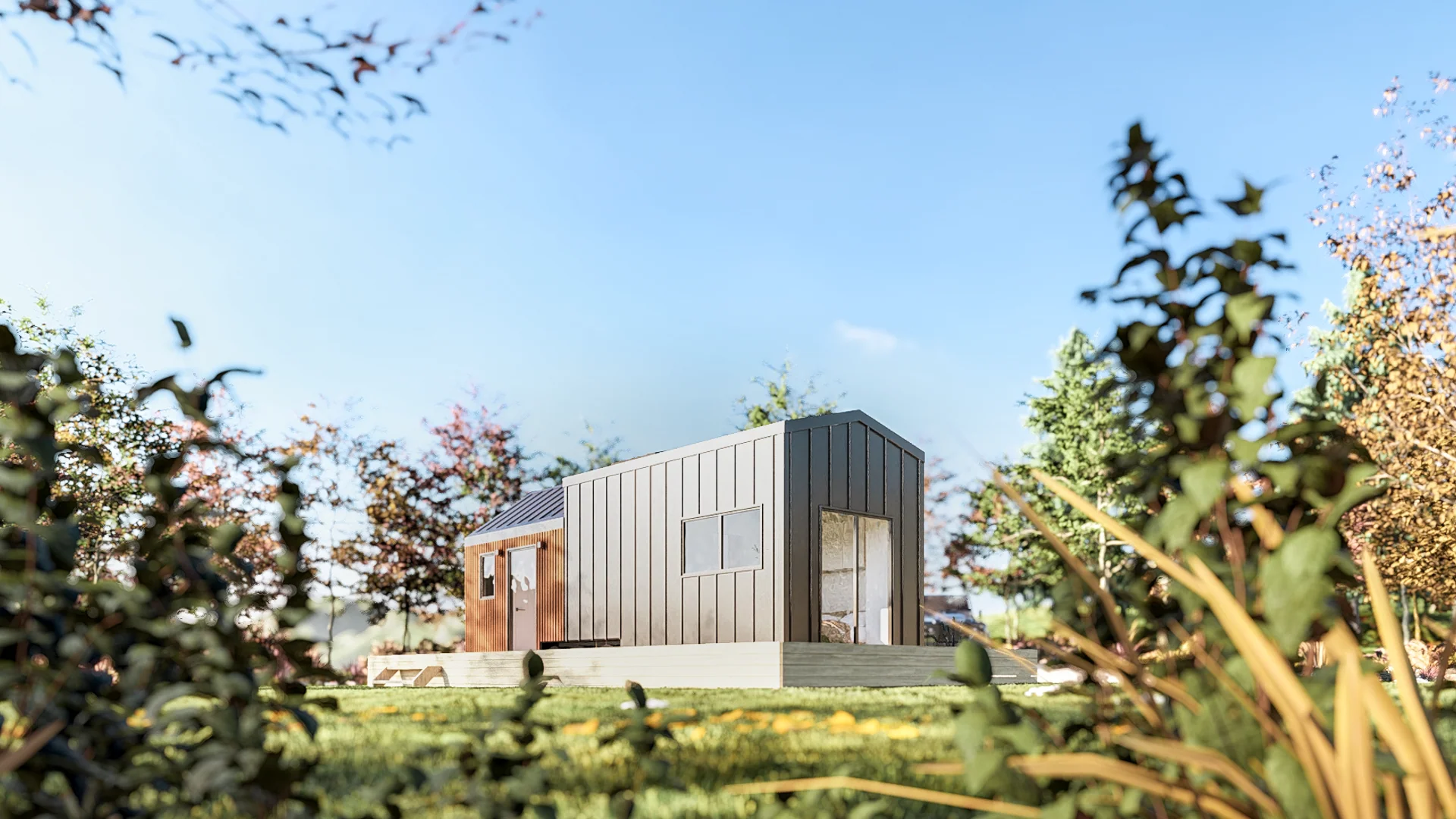
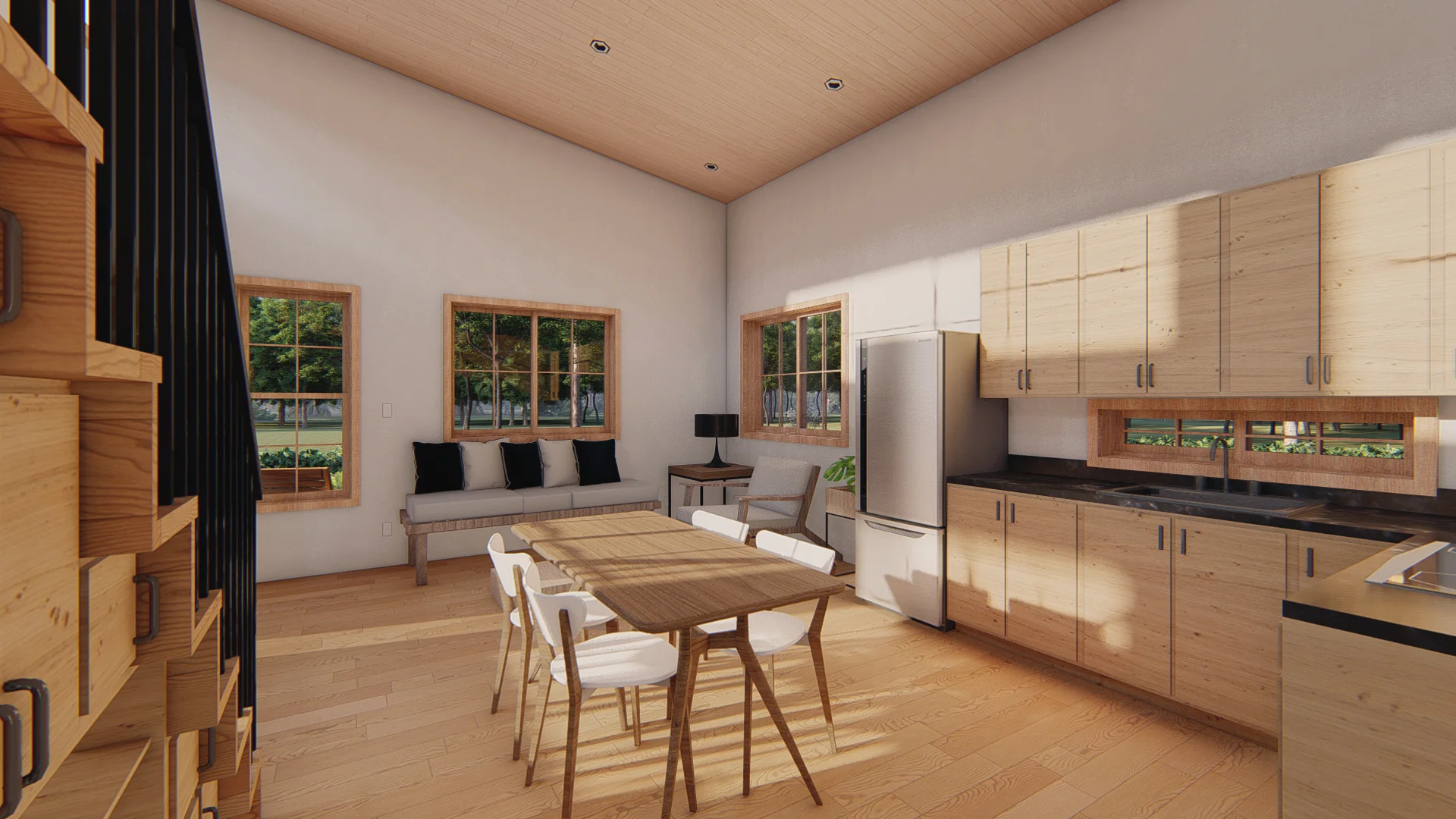
Let's be real—ditching the massive mortgage and moving into a tiny house sounds like an absolute dream. On paper, at least. You watch those YouTube tours and totally fall for the clever staircase drawers and cozy, wood-paneled reading nooks.
But what actually happens when you turn off the screen and move in?
Living in 300 square feet throws some weird curveballs your way. Things nobody really mentions on Instagram. Like the fact that your whole house is basically one room, and temperature control is a daily battle. Adapting to micro-living takes a bit of strategy. Let's dig into five completely normal, yet totally hidden, challenges of tiny house living—and exactly how you can fix them.
1. The "Everything Smells Like Dinner" Problem
In a normal-sized house, you pan-fry some salmon, shut the kitchen door, and go to bed in a room that doesn't smell like a seafood restaurant. In a tiny home? Your kitchen, living room, and bed share the exact same pocket of air. Cook a pungent meal, and those throw pillows and bedsheets are soaking it right up. Throw in a dog or a cat, and the dust buildup is wild.
How to fix it: Don't stop cooking your favorite meals. You just need to cycle that air out fast. Cracking a window helps, sure, but what if it’s pouring rain? Because your home's air volume is so small, smells get trapped and sink right into your fabrics. Grabbing a few high-efficiency smart air purifiers completely changes the game here. The app connectivity is honestly perfect for tiny living. You can check your air quality from your phone and crank the fan up from your loft bed the second you smell your toast burning. Keep it smelling like a house, not a diner kitchen.
2. The Dreaded "Loft Oven"
Heat rises. It's basic science, but if you have a sleeping loft, you're going to experience the "loft oven" firsthand. Even on a totally mild Tuesday afternoon, the top half of your house traps heat like crazy, turning bedtime into a sweaty nightmare. Meanwhile, your kitchen downstairs is perfectly cool. Getting the air to actually move around the whole house is weirdly tough when your walls are so close together.
How to fix it: You have to force the air to move. But there's a catch—you don't have the floor space to drag in a giant, clunky oscillating fan. Every inch of walkway matters. If you want a breeze without tripping over a bulky appliance every morning, mini tower fans are the best way to go. You can squeeze them into weird corners, sit them on the counter, or perch one right on your tiny nightstand. They break up that heavy, stagnant air without chewing up your floor plan.
3. Moisture and Condensation Traps
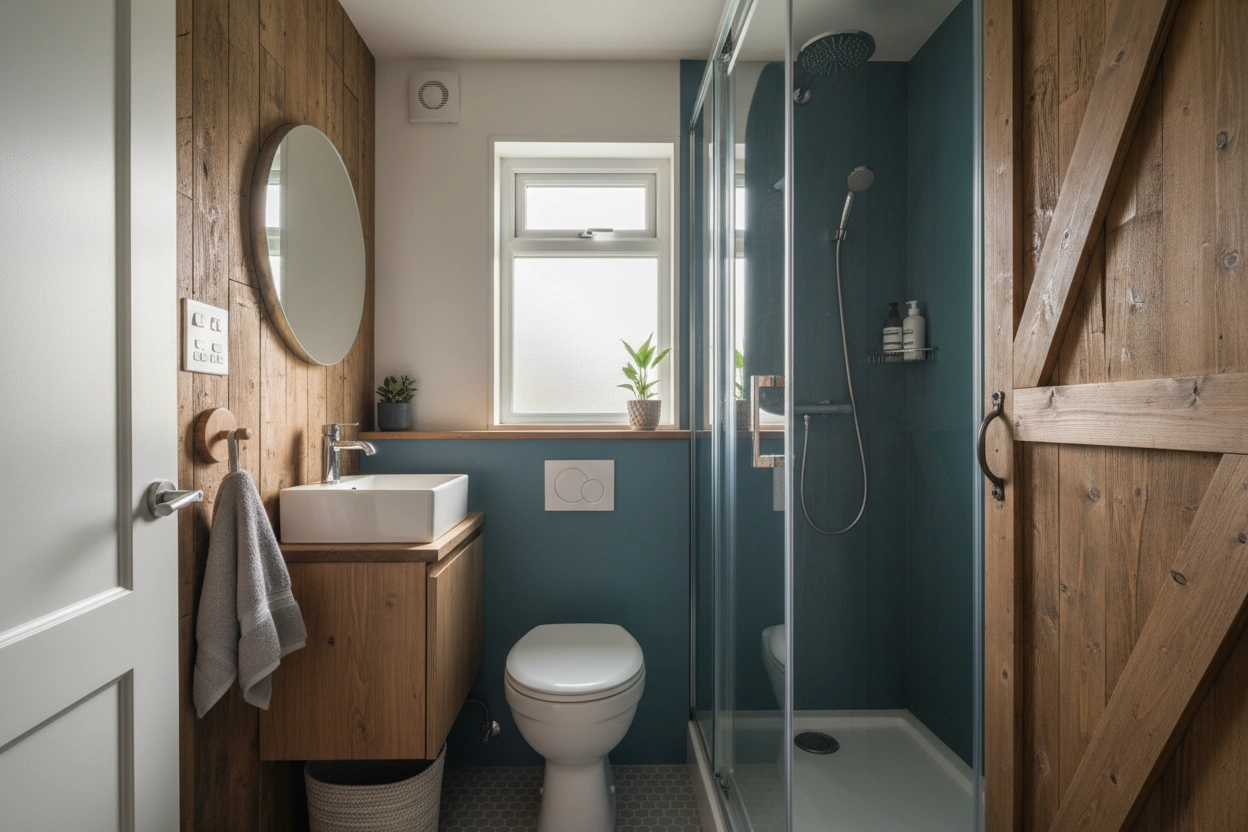
Take two people, a wet dog, and a hot shower, and put them all inside a highly insulated box. What do you get? A crazy amount of moisture. In a big house, it just sort of drifts away. In a tiny build, it slams straight into the cold glass, leaving your windows dripping. Let that slide for a few weeks, and you'll find mold creeping into the window tracks or hiding out right under your mattress.
How to fix it: Managing moisture has to become a daily habit. Period. Run a strong exhaust fan during every shower and keep it running for a good 20 minutes after you get out. Keep a cheap microfiber cloth by the bed to wipe down the glass if things look foggy in the morning. And seriously, buy an under-mattress airflow pad (like a hypervent barrier). Lifting the bed off the solid plywood lets it breathe and stops trapped body heat from turning into mold.
4. The Weight of Visual Clutter
Tossing your jacket on a chair and leaving a laptop on the table is normal behavior in a regular house. Do that in a tiny house, and the whole place looks trashed in seconds. Visual clutter screams at you when your living space is this small. It actually starts messing with your head, making a house designed for peace and quiet feel chaotic and cramped.
How to fix it: Adopt the "one in, one out" rule right now. Buy a new pair of boots? An old pair goes to Goodwill. Also, stop trusting those Pinterest photos of open shelving. It looks great until you actually live there. Hide your ugly stuff—cereal boxes, charging cords, extra shampoo—behind solid cabinet doors. Visual calm is everything. Grab a couch with deep trunks built underneath to bury the daily mess out of sight.
.jpg)
5. Hosting Friends in a Shoebox
These houses are made for one or two people. So what do you do when you want to invite friends over for pizza and beers? Suddenly, your cozy sanctuary feels a lot like a crowded elevator. You run out of chairs instantly, and just trying to get past someone to grab a drink from the fridge becomes an awkward dance.
How to fix it: Blur the lines between inside and outside. Your yard or patio has to work as your second living room. Build a decent deck, set up a fire pit, string up some cheap bistro lights, and maybe throw up an awning. When company drops by, open the doors wide. Keep some folding chairs stashed outside. If you push the main party out onto the patio, your tiny house just becomes the food prep station instead of a cramped hallway.
Final Thoughts
Moving into a tiny house isn't just about changing your address. It’s a massive lifestyle pivot. You're going to spend a lot more time thinking about airflow, condensation, and where to put your shoes than the average homeowner does. But if you know these challenges are coming and grab some smart gear to fix them early on, the downsides fade away fast. What you're left with is a customized space, lower bills, and a whole lot of peace of mind.


.svg)

.jpg)