10 Tips for Choosing Where to Buy a House

.jpg)
Buying a house is more than a real estate transaction. It’s a life decision. The location you choose affects your lifestyle, your finances, your routines, and even your relationships. It determines how you live, what you have access to, and how easily you can grow into your future.
Where you live is just as important as what you live in. Maybe you’re exploring beachside listings, city high-rises, or San Miguel de Allende houses for sale, hoping for that perfect blend of charm, community, and value. But even the dreamiest home can disappoint if it’s in the wrong place.
That’s why it's smart to look beyond the property and focus on location first. These ten tips will help you choose wisely—and avoid the common pitfalls that can turn a great house into a not-so-great decision.
1. Start with Your Life, Not the Listing
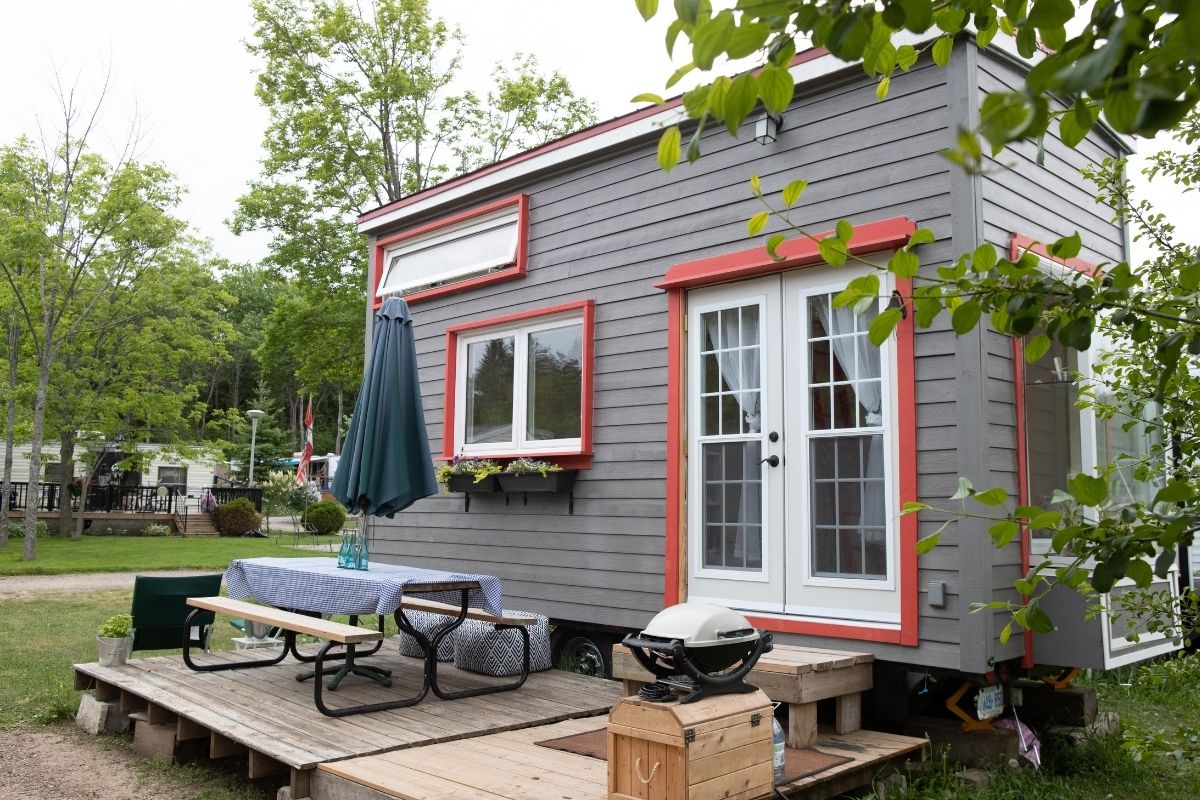
Before opening real estate apps or calling agents, ask yourself: What kind of life do I want to live? If you love early mornings, quiet streets, and space to garden, a city loft may not make sense. If you thrive on energy, live performances, and late-night dining, then a sleepy suburb will feel stifling. If you’re dreaming of downsizing and living simply, a tiny house in a walkable community might make more sense than a large home in a remote area. Location should fit your lifestyle, not the other way around.
Write down your ideal daily routine. Think about your must-haves. Then look for neighborhoods that support that vision. This mindset shift changes everything.
2. Explore the Local Real Estate Market
Some neighborhoods are rising stars. Others are past their peak. Some stay stable for decades. Understanding the local market tells you what you’re walking into.
Research average home prices over the past five years. Look at how quickly homes sell. See how prices compare to surrounding areas. A house that seems like a deal might be priced low for a reason. And a pricey property might hold long-term value thanks to smart zoning or development plans nearby. Talk to real estate professionals who specialize in the area. Their insight goes beyond what numbers can show.
3. Visit at Different Times and Days
One walk-through is never enough. A neighborhood’s mood can shift drastically between morning and night, weekday and weekend. What’s peaceful on a Tuesday at 11 a.m. might be noisy on Friday night. An empty street during the day might get packed with traffic or nightlife later on.
Spend time in the neighborhood during different hours. Park your car and walk. Sit at a nearby café and people-watch. These visits will reveal patterns you can’t catch online.
4. Get Familiar with the Neighborhood Surroundings
Even a gorgeous home can feel like a poor choice if it's surrounded by the wrong things. What's directly behind the backyard? A quiet field—or a loud mechanic shop? Are you next to a school? A nightclub? A bus route? These things will shape your experience more than fancy kitchen tiles ever will. Look closely at what’s nearby. Not just the home itself, but what you’ll see, hear, and deal with every single day.
5. Test the Local Vibe
This tip often gets overlooked—and yet it makes a huge difference. Every community has a personality. Some are tight-knit and quiet. Others are vibrant, diverse, and constantly changing. Neither is better than the other, but one might suit you more.
Chat with locals. Ask what they love and what they’d change. Go to a local park or farmers market. If you feel like an outsider who doesn’t quite fit in, pay attention to that. It may be a sign to keep looking. On the flip side, if the vibe instantly feels right, that’s a powerful indicator.

6. Make Sure Daily Essentials Are Close By
A stunning house loses its luster if you have to drive 30 minutes just to grab milk. Look at the logistics. Where’s the nearest grocery store? Pharmacy? Coffee shop? Emergency care? Hardware store? These things might seem minor now, but over time, convenience becomes a dealbreaker.
And don’t forget about the basics: trash collection, utility providers, water pressure, and delivery services. These day-to-day details matter far more than many people realize.
7. Check Commute Times and Transportation Options
Whether you work in an office, freelance from home, or split your time between cities, transportation matters. Try mapping your most common routes. Think about the airport, downtown, your kids’ schools, your gym, and your friends. Are the roads in good shape? Is traffic tolerable during rush hour? What are the public transit options? Is Uber available?
Remote workers often move to beautiful but disconnected places, only to feel stuck once they need to get somewhere quickly. Don’t let a lack of mobility box you in.
8. Evaluate Safety—Not Just Crime
Crime statistics matter, but they don’t tell the full story. Safety is also about perception and design. Are the streets well-lit? Do the sidewalks feel walkable and maintained? Are there other people walking dogs or jogging in the evening? Are homes cared for? Is there visible trash or vandalism?
These things signal how secure and respected the neighborhood feels. If something seems off, don’t ignore it. It’s better to pass on a house than to second-guess your surroundings every night.
9. Think Five Years Ahead
You’re buying for today—but living there tomorrow, next year, and the years after that. What happens if you change jobs? Start a family? Decide to work from home? Retire? Could this home and location still support your lifestyle then?
Some areas grow with you. Others don’t. Look at things like school zones, future developments, public infrastructure, and even local policies. Will this location still make sense for your future plans? Many people regret buying for the now instead of planning for the next.
10. Trust Your Gut
Data matters. Research matters. But so does intuition. After all the numbers are crunched and facts are reviewed, you still need to ask: How does this place make me feel?
Does it feel safe? Does it feel like home? Does it make you smile when you walk the block or imagine your stuff in the living room? If the answer is no—or if something feels off—don’t force it. No amount of good pricing or clever staging can override your instincts.
The Final Word
Buying a house is a big step. But it’s not just about the structure. It’s about everything surrounding it. The street. The neighbors. The mood. The opportunities. The daily rhythm. The best house in the wrong location will always feel like a compromise. But the right area—even with a less-than-perfect property—can become a place you love waking up in every day.
So, before you fall for the finishes or get swayed by a price tag, step back and look at the bigger picture. Where you live shapes your experiences, your happiness, and even your health. If you’re considering a specific destination, remember to look beyond the listings. Real estate is about lifestyle, not just land. Take your time. Ask the right questions. Walk the neighborhoods. And trust yourself to recognize when a place feels like home.


.svg)
.jpg)