
Top 5 Tiny House Roof Types: Pros, Cons, and Design Ideas

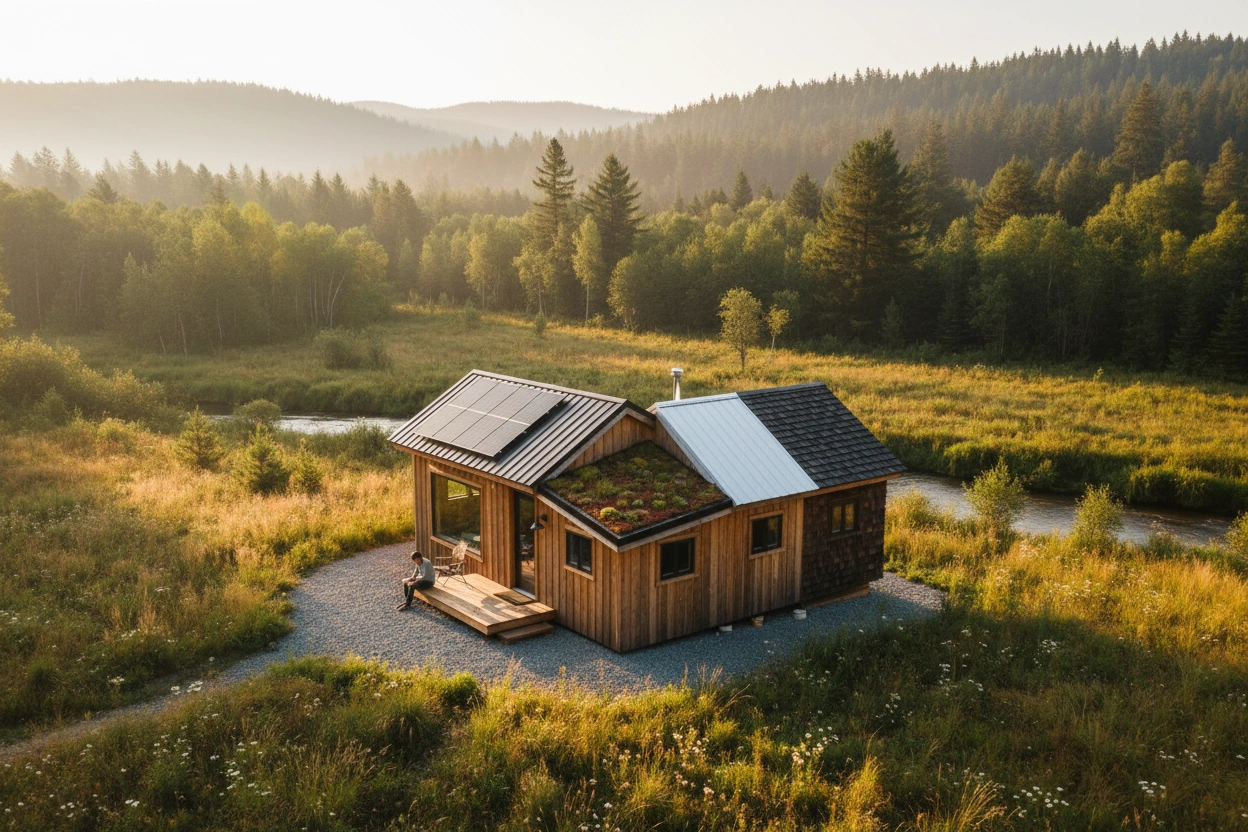
Building a tiny house is a unique venture that blends creativity with practicality. One of the most significant decisions you will face when designing your tiny home is selecting the right roofing type. The roof not only protects your house from the elements but also plays a critical role in the overall aesthetic and functionality of the space. In this article, we will examine the top five roofing types for tiny homes, discussing their pros, cons, and design ideas to help you make an informed decision. Understanding the various options available in tiny house roofing will empower you to choose the best roofing materials for tiny houses that suit your needs and style.
1. Gable Roof
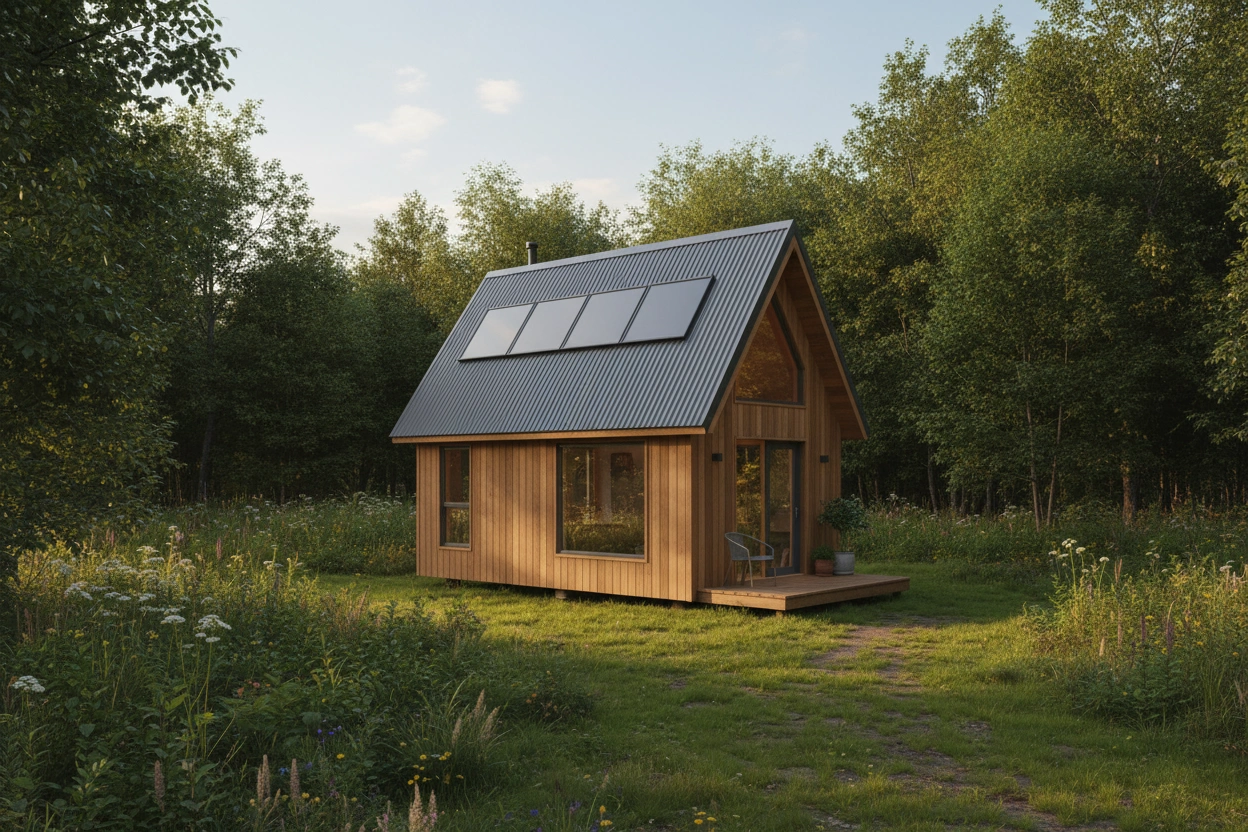
Overview of Gable Roofs
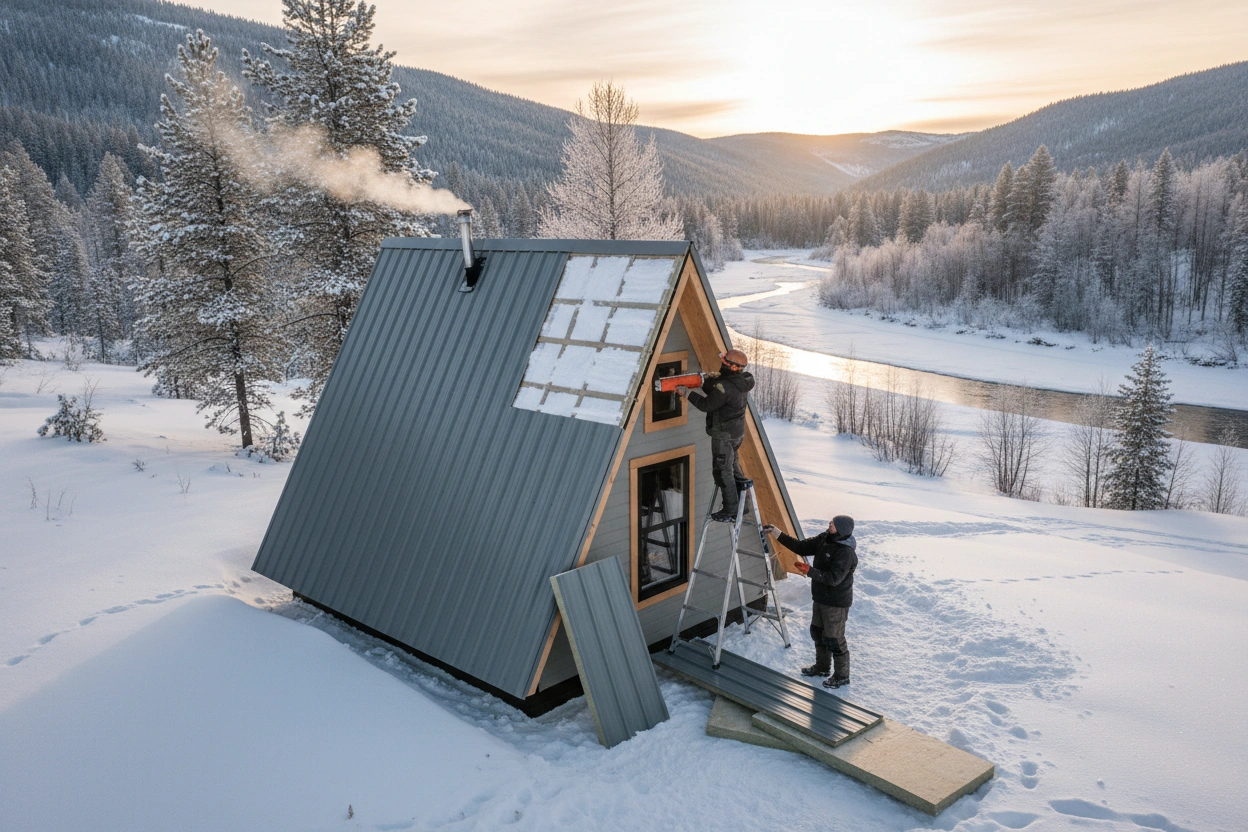
The gable roof is one of the most popular roofing types for tiny houses, characterized by its triangular shape. It consists of two sloping sides that meet at the peak, allowing for efficient water drainage and snow runoff. This design not only provides a classic look but also maximizes the interior space, making it ideal for lofted sleeping areas or additional storage.
Pros and Cons
Pros:
- Enhanced ventilation due to the peak, which can help regulate indoor temperature.
- Increased storage space in the attic or loft area.
- Simple construction, making it cost-effective and easier to build.
Cons:
- May not be suitable for areas with high wind loads, as the steep angles can catch the wind.
- Limited design options compared to other roof styles.
Design Ideas
For a gable roof, consider using contrasting colors for the siding and roofing materials to create a visually striking appearance. Incorporating dormer windows can also enhance natural light and ventilation in the loft area.
2. Shed Roof
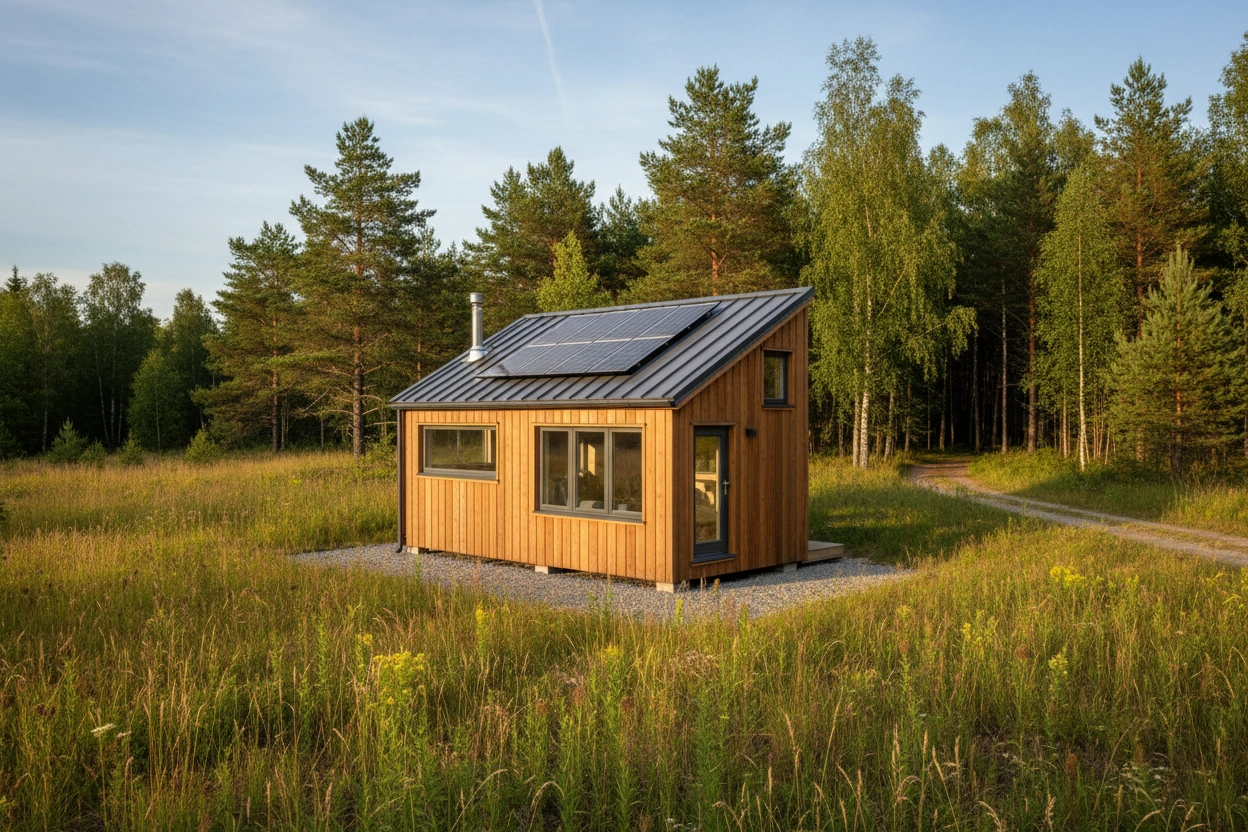
Overview of Shed Roofs
The shed roof, or mono-pitched roof, features a single sloping surface. This design has gained popularity in modern tiny house architecture due to its minimalist aesthetic and efficient water runoff capabilities. Shed roofs are particularly advantageous for their ability to capture solar energy when angled appropriately.
Pros and Cons
Pros:
- Simple and cost-effective to construct, making it ideal for DIY builders.
- Excellent for solar panel installation, maximizing energy efficiency.
- Offers a contemporary look that can complement various architectural styles.
Cons:
- Limited headroom on one side, which may restrict design options for loft areas.
- Potential for water pooling if not properly designed.
Design Ideas
To enhance the shed roof's functionality, consider adding skylights to improve natural lighting. Utilizing materials like metal or shingles in varying colors can create a unique visual effect. Additionally, integrating a rainwater collection system can promote sustainability.
3. Flat Roof
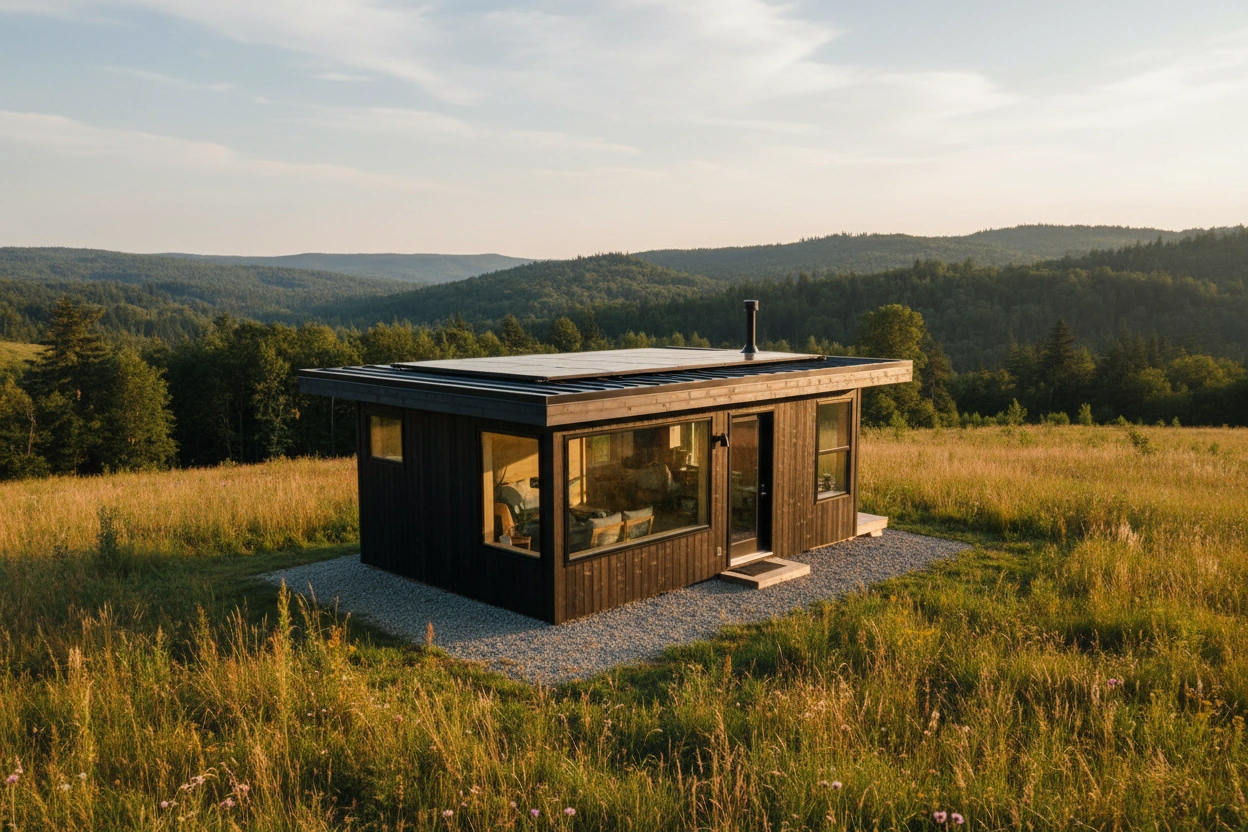
Overview of Flat Roofs
Flat roofs are characterized by their minimal slope, providing a modern and sleek appearance. This type of roofing is often associated with contemporary tiny homes and offers unique opportunities for outdoor living space, such as rooftop gardens or terraces.
Pros and Cons
Pros:
- Maximizes usable space, allowing for outdoor areas that can be enjoyed year-round.
- Simple design that can reduce construction costs.
- Easy access for maintenance and repairs.
Cons:
- Poor drainage can lead to water pooling, necessitating a well-designed drainage system.
- Limited insulation options, which can affect energy efficiency in extreme weather.
Design Ideas
For a flat roof, consider using high-quality waterproofing materials to ensure durability. Incorporating a green roof can enhance insulation and provide a natural space for plants. Additionally, furniture such as lounge chairs or a small garden can transform the flat roof into an inviting outdoor area.
4. Hip Roof
Overview of Hip Roofs
A hip roof features slopes on all four sides, creating a more complex shape compared to gable roofs. This design is particularly effective in areas with high winds or heavy snowfall, as it provides better stability and durability.
Pros and Cons
Pros:
- Excellent resistance to wind and snow loads, making it suitable for diverse climates.
- More aesthetic flexibility, allowing for various architectural styles.
- Increased attic space can be utilized for storage or living areas.
Cons:
- More complex construction may lead to higher labor costs.
- Requires more materials, which can increase overall costs.
Design Ideas
Consider using decorative elements such as exposed rafters or unique shingles to enhance the visual appeal of a hip roof. Adding large overhangs can provide shade and protect against rain, while dormers can improve light and ventilation.
5. Curved Roof
Overview of Curved Roofs
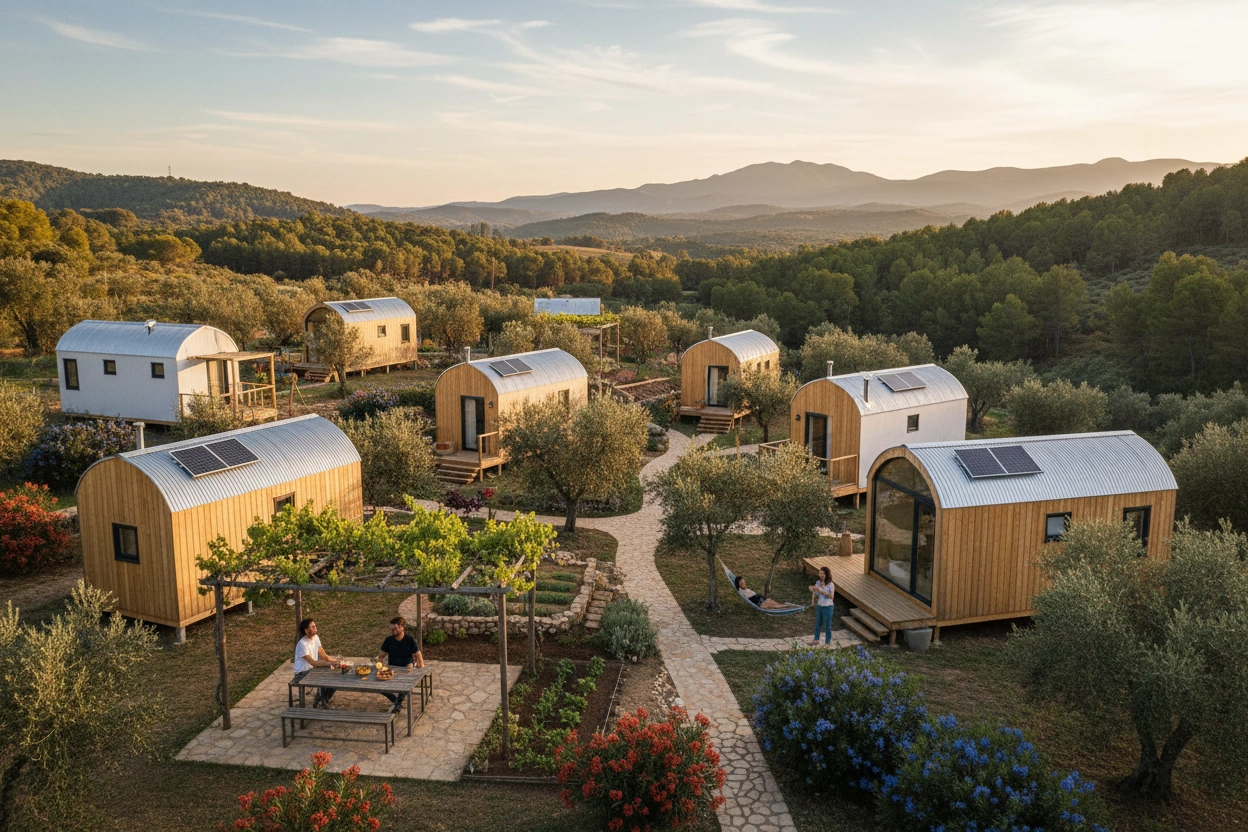
Curved roofs offer a unique and artistic look, often found in modern tiny homes. This type of roofing can be achieved using various materials, including metal and shingles, and can create a smooth, flowing silhouette.
Pros and Cons
Pros:
- Distinctive aesthetic that stands out from traditional roof designs.
- Allows for excellent airflow and natural light.
- Can be more resilient against harsh weather conditions due to its aerodynamic shape.
Cons:
- More challenging and expensive to construct, requiring skilled labor.
- Limited insulation options may affect energy efficiency.
Design Ideas
To make the most of a curved roof, consider using translucent roofing materials to enhance natural light. Incorporating large windows can also create a seamless connection between the interior and exterior spaces. Additionally, using eco-friendly materials can emphasize the sustainable aspect of your tiny home.
The Benefits of Choosing the Right Tiny House Roofing
Selecting the appropriate roofing type for your tiny house is essential for various reasons, including durability, aesthetics, and energy efficiency. Each roofing type has its unique benefits and challenges, so it is vital to consider your location, budget, and design preferences when making your decision. By understanding the nuances of tiny house roofing, you can create a space that is not only functional but also reflects your personal style.
For more information on tiny house roofing options and design ideas, visit TinyHouse.com. Our resources can guide you through the process of selecting the best roofing materials for tiny houses, ensuring that your tiny home meets your needs while remaining aesthetically pleasing. Whether you are building from scratch or renovating an existing structure, TinyHouse.com can help you make informed decisions that align with your vision for a tiny home.
Contact TinyHouse.com to learn more about how we can assist you in your tiny house journey.


.svg)
.jpg)