
Affordable Tiny House Roofing: Cost-Saving Tips for DIY Owners

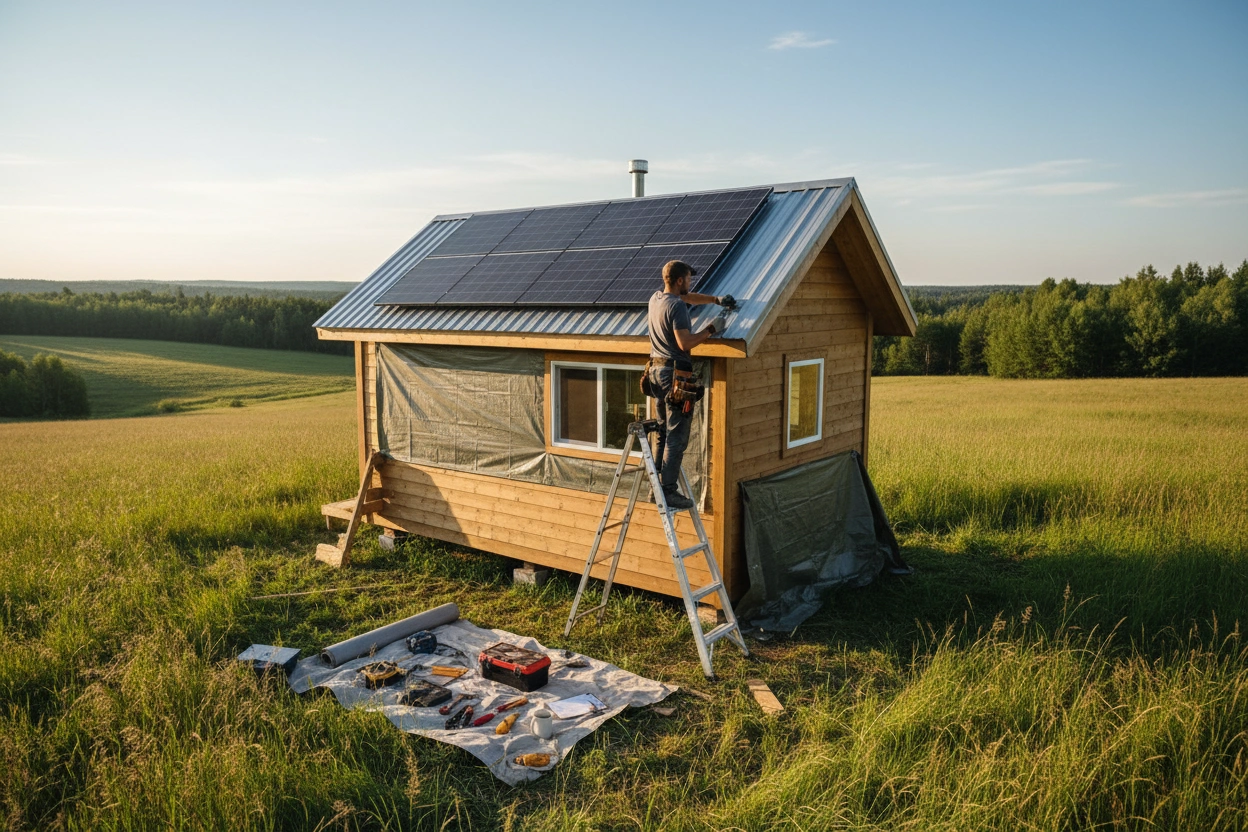
Building a tiny house often represents a lifestyle choice that embraces minimalism, sustainability, and financial freedom. One of the most critical aspects of constructing or renovating a tiny house is the roofing system. Tiny house roofing not only protects the structure but also plays a significant role in energy efficiency and aesthetics. However, the cost of roofing materials and labor can be daunting for DIY enthusiasts. This article provides valuable insights into affordable roofing options, effective cost-saving strategies, and tips to help you make informed decisions.
Understanding Tiny House Roofing
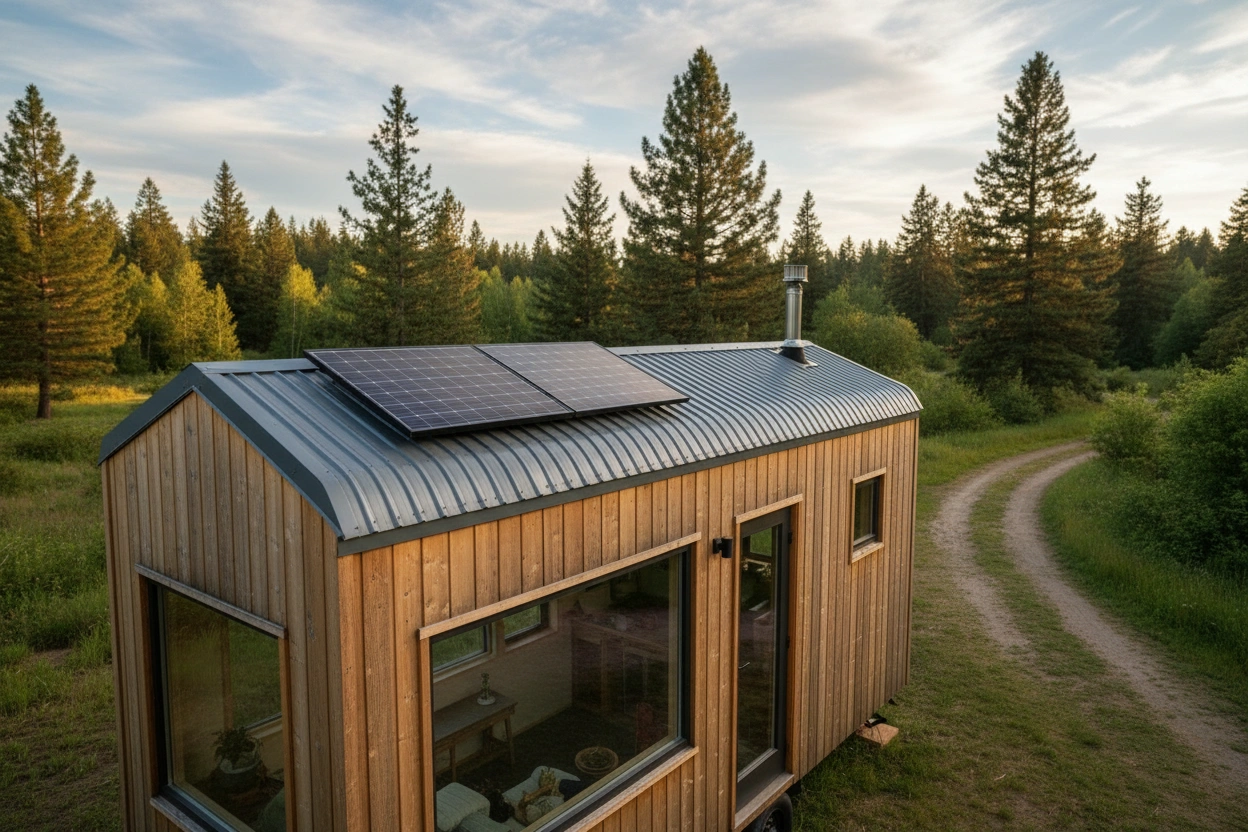
Tiny house roofing involves selecting the right materials and techniques that fit the unique structure and design of a small home. A well-chosen roof will enhance the overall look while providing necessary protection against the elements. The main considerations include durability, weight, insulation, and cost.
When it comes to tiny house roofing, many homeowners mistakenly believe that they are limited to conventional materials used in larger homes. In reality, tiny houses offer the flexibility to explore various roofing materials that are lightweight, affordable, and easy to install. This flexibility allows DIY owners to create a roof that reflects their personal style while staying within budget.
Key Considerations for Tiny House Roofing
Weight: Tiny houses have a weight limit due to their size and the foundation they rest on. Lightweight roofing materials are essential to avoid compromising the structure.
Durability: The roof must withstand different weather conditions, including rain, snow, and wind. Selecting durable materials ensures longevity and reduces the need for frequent repairs.
Insulation: Good insulation is vital for energy efficiency, helping to keep the home warm in winter and cool in summer.
Cost: Budget constraints are a common concern. Understanding the range of materials available allows for smart choices that balance quality and affordability.
Top 5 Roofing Types for Tiny Homes
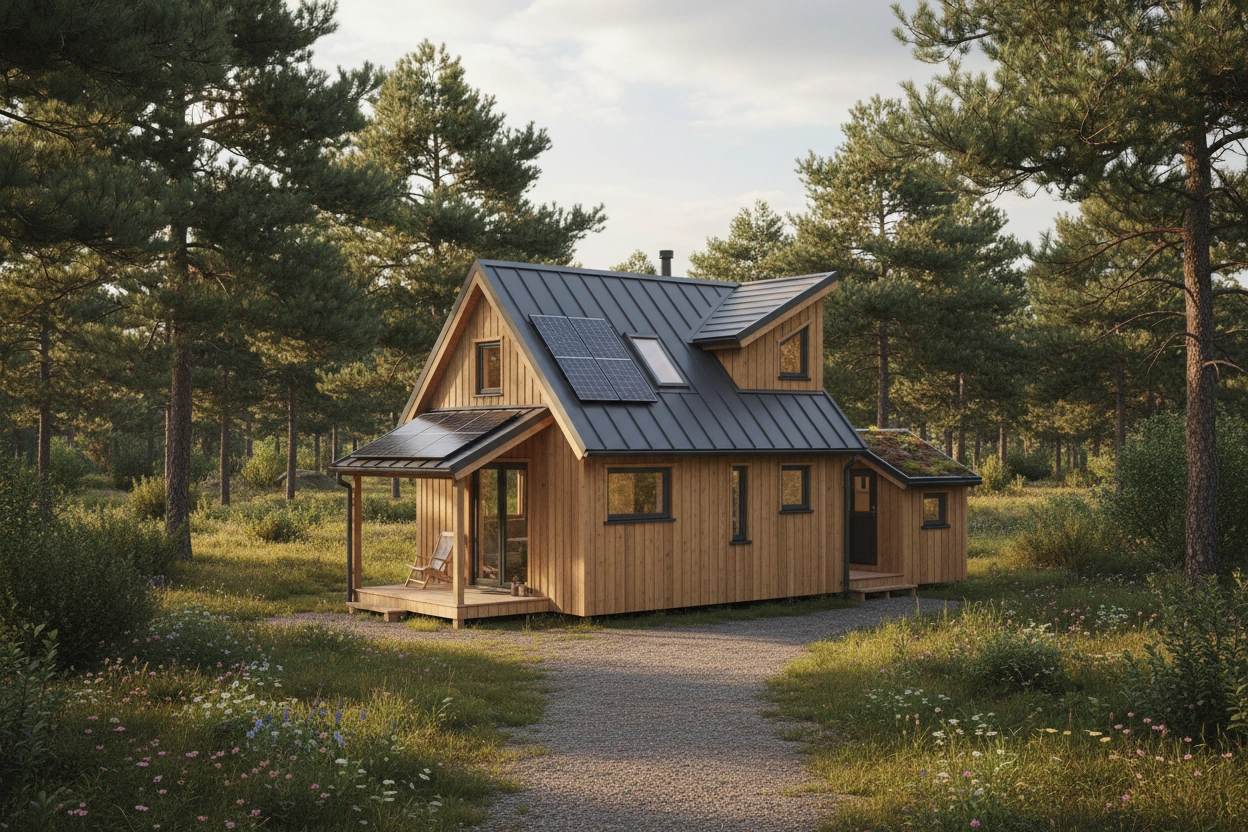
Choosing the right roofing type can significantly impact your tiny house's performance and aesthetics. Here are the top five roofing types suitable for tiny homes:
1. Metal Roofing
Metal roofing is a popular choice for tiny houses due to its lightweight and durable properties. It can withstand harsh weather conditions, making it an ideal option for various climates. Additionally, metal roofs are often made from recycled materials, contributing to sustainability.
Pros:
- Long lifespan (up to 50 years)
- Energy-efficient due to reflective properties
- Minimal maintenance required
Cons:
- Higher initial cost compared to some other materials
- Can be noisy during heavy rain or hail
2. Asphalt Shingles
Asphalt shingles are one of the most commonly used roofing materials in the United States. They are affordable, easy to install, and come in various colors and styles to suit different aesthetics.
Pros:
- Cost-effective
- Wide variety of styles available
- Easy to replace individual shingles
Cons:
- Shorter lifespan (15-30 years)
- Less durable in extreme weather conditions
3. TPO Roofing
Thermoplastic Olefin (TPO) is a single-ply roofing membrane that is gaining popularity for tiny homes. It is lightweight, easy to install, and offers excellent energy efficiency.
Pros:
- Reflective surface that helps reduce cooling costs
- Environmentally friendly, as it is 100% recyclable
- Resistant to UV rays and chemical damage
Cons:
- Requires professional installation for best results
- May not be as aesthetically pleasing as other options
4. Rubber Roofing
Rubber roofing, typically made from recycled tires, is another eco-friendly choice for tiny homes. Its flexibility makes it suitable for various roof shapes, including flat roofs.
Pros:
- Very durable and resistant to weathering
- Easy to install and repair
- Provides excellent insulation
Cons:
- Can be more expensive than asphalt shingles
- Limited color options
5. Wood Shakes
Wood shakes offer a natural aesthetic that appeals to many tiny homeowners. They provide good insulation and can be treated for fire resistance.
Pros:
- Attractive and unique appearance
- Good insulation properties
- Can last up to 30 years with proper maintenance
Cons:
- Requires regular maintenance to prevent rot and insect damage
- Higher cost compared to asphalt shingles
Cost-Saving Tips for Tiny House Roofing
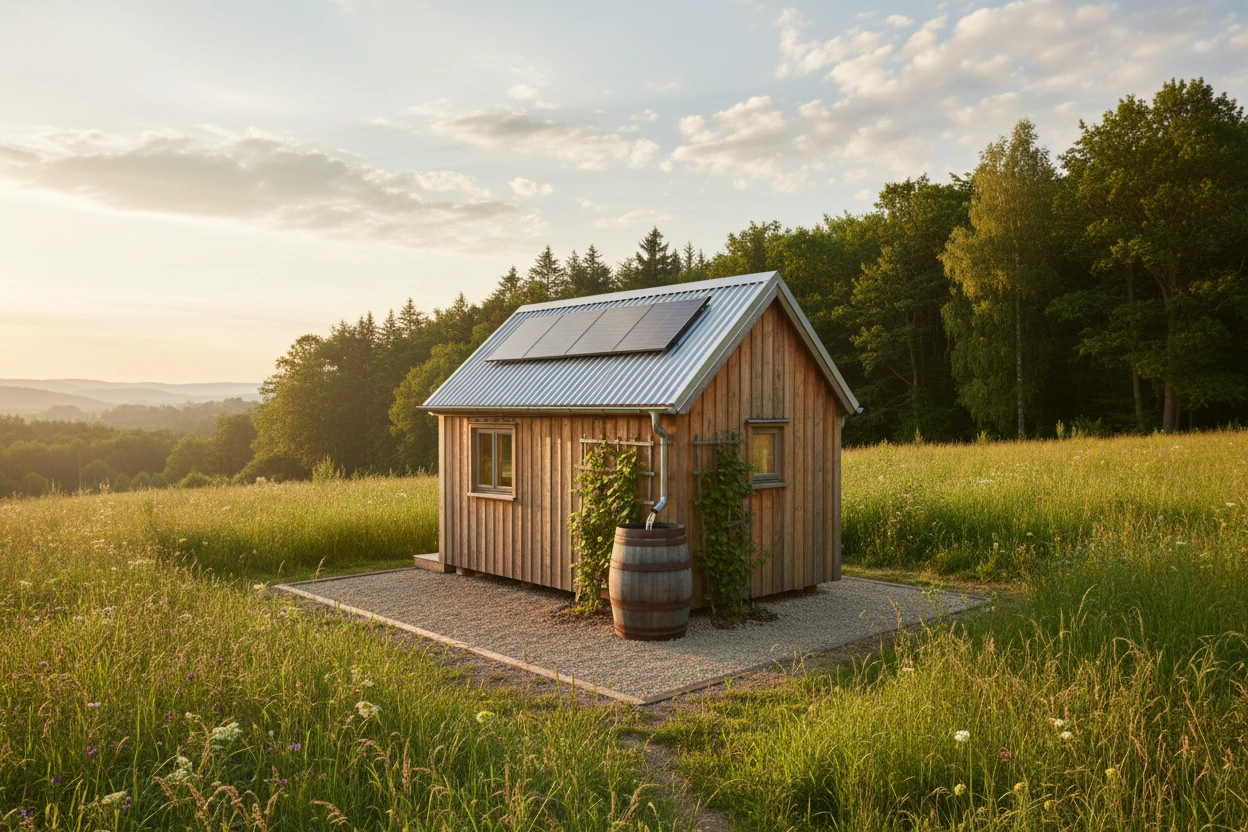
Implementing cost-saving strategies can help keep your tiny house roofing project within budget. Here are some actionable tips to consider:
1. Choose Materials Wisely
Selecting the right materials is one of the most effective ways to save money. Consider options that are both affordable and durable. For example, while metal roofing has a higher upfront cost, its longevity can save you money in the long run. Research the best roofing materials for tiny houses that fit your budget and needs.
2. DIY Installation
Installing the roof yourself can significantly reduce labor costs. Many roofing materials, such as asphalt shingles and TPO, are designed for easy installation, making them suitable for DIY projects. Invest time in researching installation techniques and safety precautions to ensure a successful outcome.
3. Plan for Future Maintenance
Choosing roofing materials that require minimal maintenance can save you money over time. For instance, metal roofs and TPO membranes typically need less upkeep than asphalt shingles or wood shakes.
4. Reuse and Recycle
Consider reusing materials from previous projects or sourcing reclaimed roofing materials. This approach can reduce costs and contribute to a more sustainable build. Check local listings or salvage yards for materials that can be repurposed, such as affordable tiny house roofing solutions.
5. Take Advantage of Discounts and Sales
Many suppliers offer discounts on roofing materials during certain times of the year. Keep an eye out for sales or clearance items to secure the best deals. Additionally, buying in bulk can lead to significant savings.
Common Mistakes to Avoid in Tiny House Roofing
While planning your tiny house roofing project, be aware of these common mistakes to ensure a smooth process:
1. Underestimating Costs
Many DIY owners underestimate the total cost of roofing materials and installation. Create a detailed budget that includes all necessary materials, tools, and any potential professional help.
2. Skipping Insulation
Proper insulation is critical for energy efficiency. Skipping this step can lead to higher energy bills and discomfort. Research insulation options that fit well with your chosen roofing material.
3. Ignoring Local Building Codes
Before starting your roofing project, check local building codes and regulations. Compliance is crucial to avoid fines or having to redo work that doesn’t meet standards.
4. Choosing the Wrong Pitch
The pitch of your roof can impact drainage and longevity. Ensure that the design of your tiny house allows for proper water runoff to prevent leaks and water damage.
5. Neglecting Ventilation
Proper ventilation is essential to prevent moisture buildup, which can lead to mold and rot. Incorporate ventilation systems as part of your roofing plan to maintain a healthy living environment.
The Intersection of Cost-Effectiveness and Aesthetic Appeal in Tiny House Roofing
In conclusion, tiny house roofing represents a unique opportunity for homeowners to balance cost-effectiveness with aesthetic appeal. By carefully selecting materials, planning for DIY installation, and avoiding common pitfalls, you can create a roofing system that meets your needs without breaking the bank. TinyHouse.com is dedicated to supporting aspiring tiny homeowners on their journey. Whether you are looking for more information on roofing options or need guidance on building your tiny home, our resources can help simplify the process. Visit TinyHouse.com for expert advice and to connect with a community of like-minded individuals passionate about tiny living.


.svg)
.jpg)
.jpg)
.jpg)
.jpg)