
Top 5 Tiny House Roofing Types for Every Climate and Budget

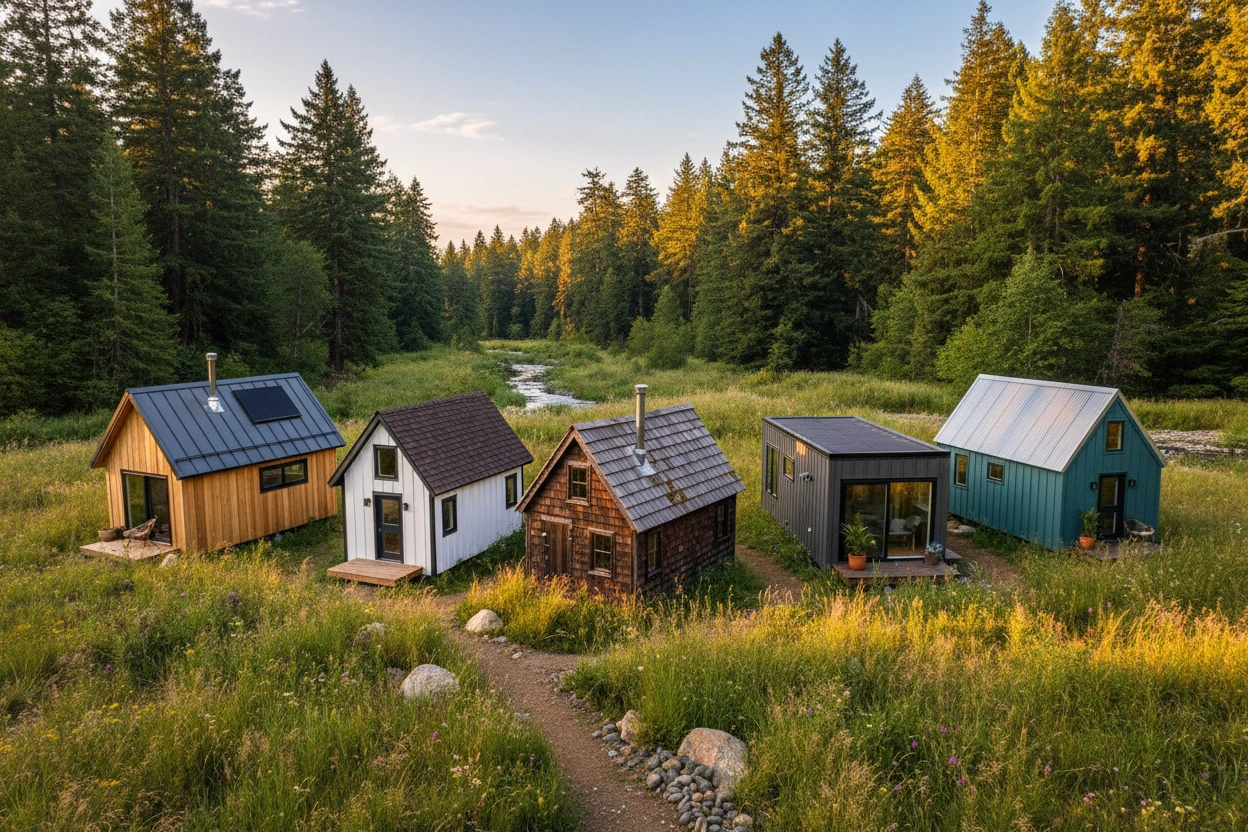
When considering the construction or renovation of a tiny house, selecting the right roofing material is essential. Tiny house roofing not only affects the aesthetic appeal of your home but also plays a crucial role in energy efficiency, durability, and maintenance. Given the variety of climates and budgets, it is vital to explore the best roofing materials available for tiny homes. This article outlines the top five roofing types that cater to different environmental conditions and financial considerations, ensuring your tiny house remains comfortable and stylish.
1. Metal Roofing: Durability Meets Efficiency
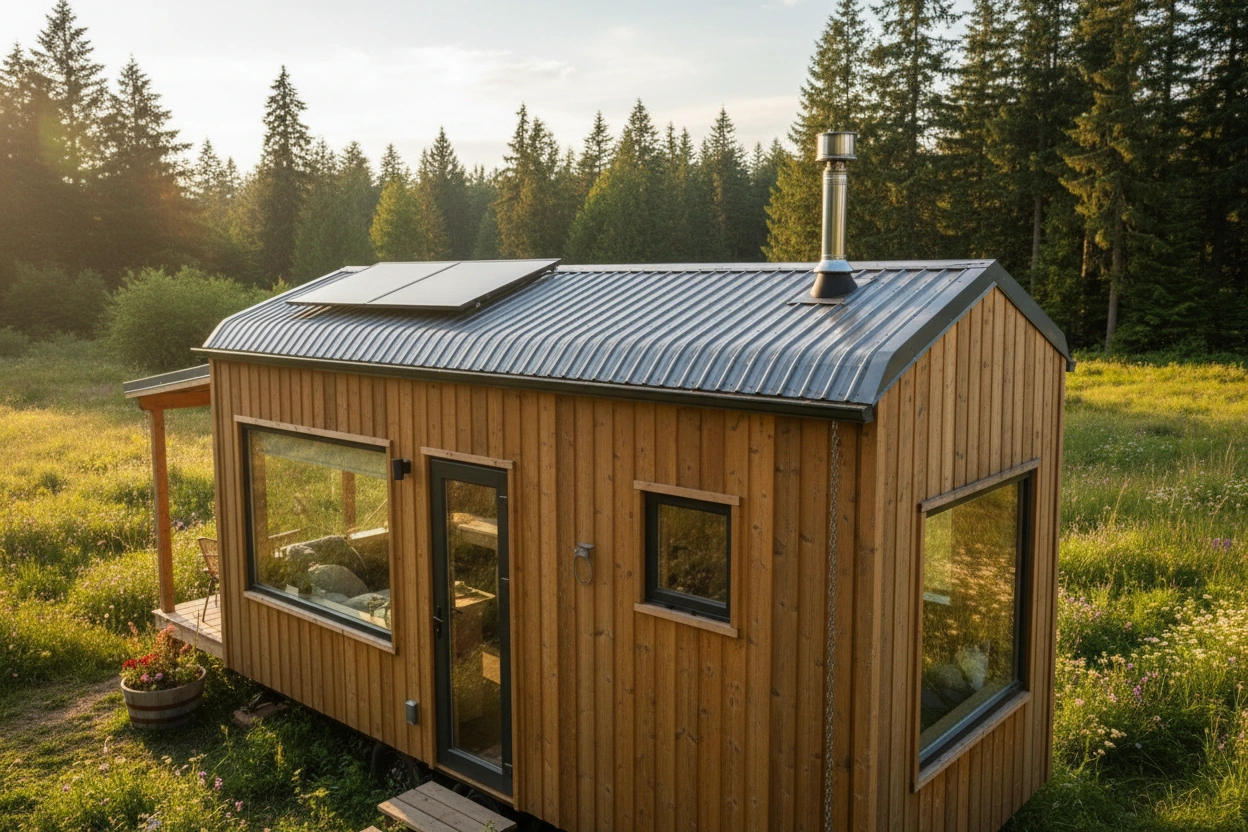
Metal roofing is a popular choice for tiny houses due to its longevity and energy efficiency. This material can withstand harsh weather conditions, including heavy rain, snow, and high winds, making it particularly suitable for regions prone to extreme weather. Metal roofs are often made from materials like steel or aluminum, which are known for their durability and resistance to corrosion.
In terms of energy efficiency, metal roofing reflects solar radiant heat, which can significantly reduce cooling costs during hot months. Additionally, many metal roofing options come with coatings that enhance energy performance, further contributing to reduced utility bills. The initial investment may be higher than other materials, but the long lifespan and minimal maintenance requirements make metal roofing a cost-effective option in the long run.
Benefits of Metal Roofing
- Longevity: Metal roofs can last 40-70 years with proper maintenance.
- Weather Resistance: They can handle extreme weather, including heavy snowfall and high winds.
- Energy Efficient: Reflective coatings can lower energy consumption by keeping the interior cooler.
2. Asphalt Shingles: Affordable and Versatile
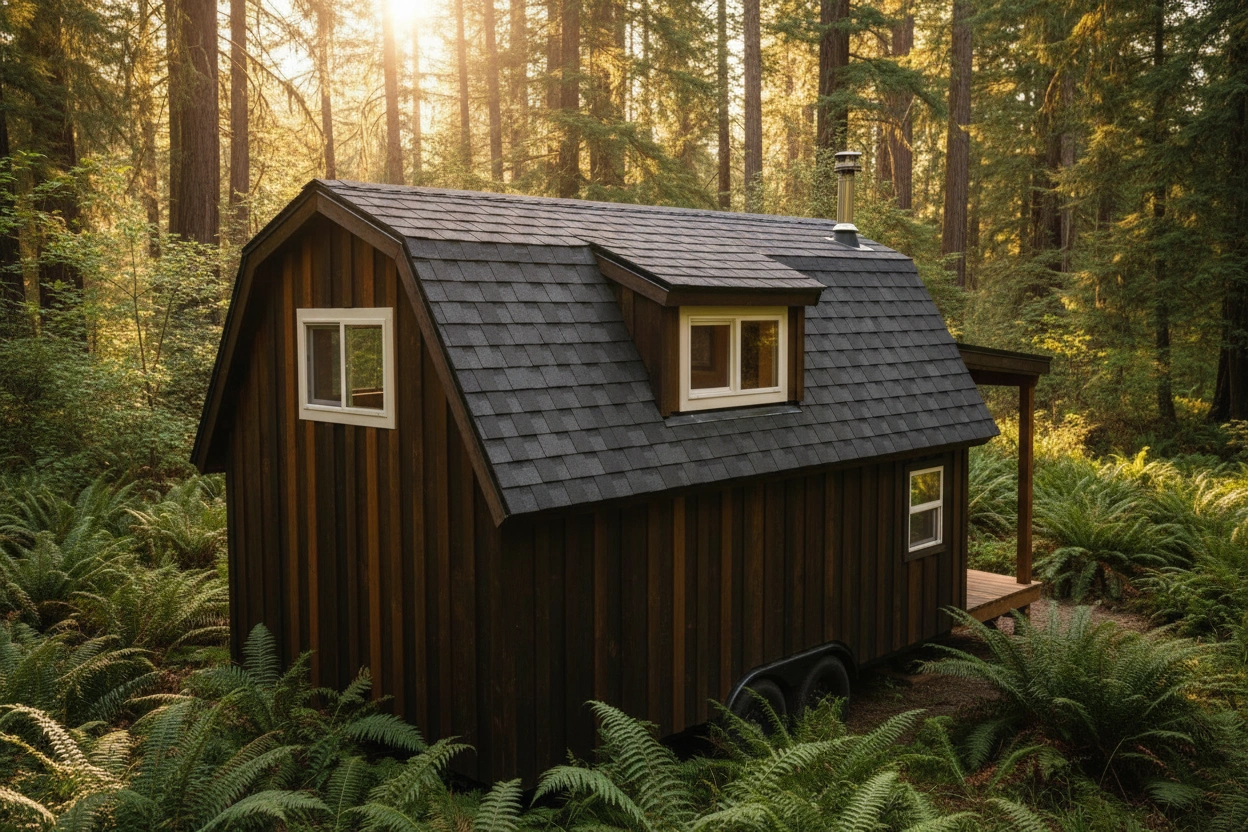
Asphalt shingles are among the most commonly used roofing materials in the United States, known for their affordability and versatility. They come in a variety of colors and styles, allowing homeowners to customize their tiny houses easily. This roofing type is particularly suitable for mild climates, as it performs well in moderate weather conditions.
The installation of asphalt shingles is relatively straightforward, making it an excellent option for DIY enthusiasts. While they typically have a shorter lifespan—ranging from 15 to 30 years—compared to metal roofs, they are significantly less expensive upfront. Furthermore, advancements in manufacturing have led to the production of architectural shingles, which offer better durability and aesthetics.
Pros and Cons of Asphalt Shingles
Pros:
- Low initial cost and easy installation.
- Variety of styles and colors for customization.
- Good performance in moderate climates.
Cons:
- Shorter lifespan compared to metal roofs.
- Less effective in extreme weather conditions.
3. Rubber Roofing: Eco-Friendly and Lightweight
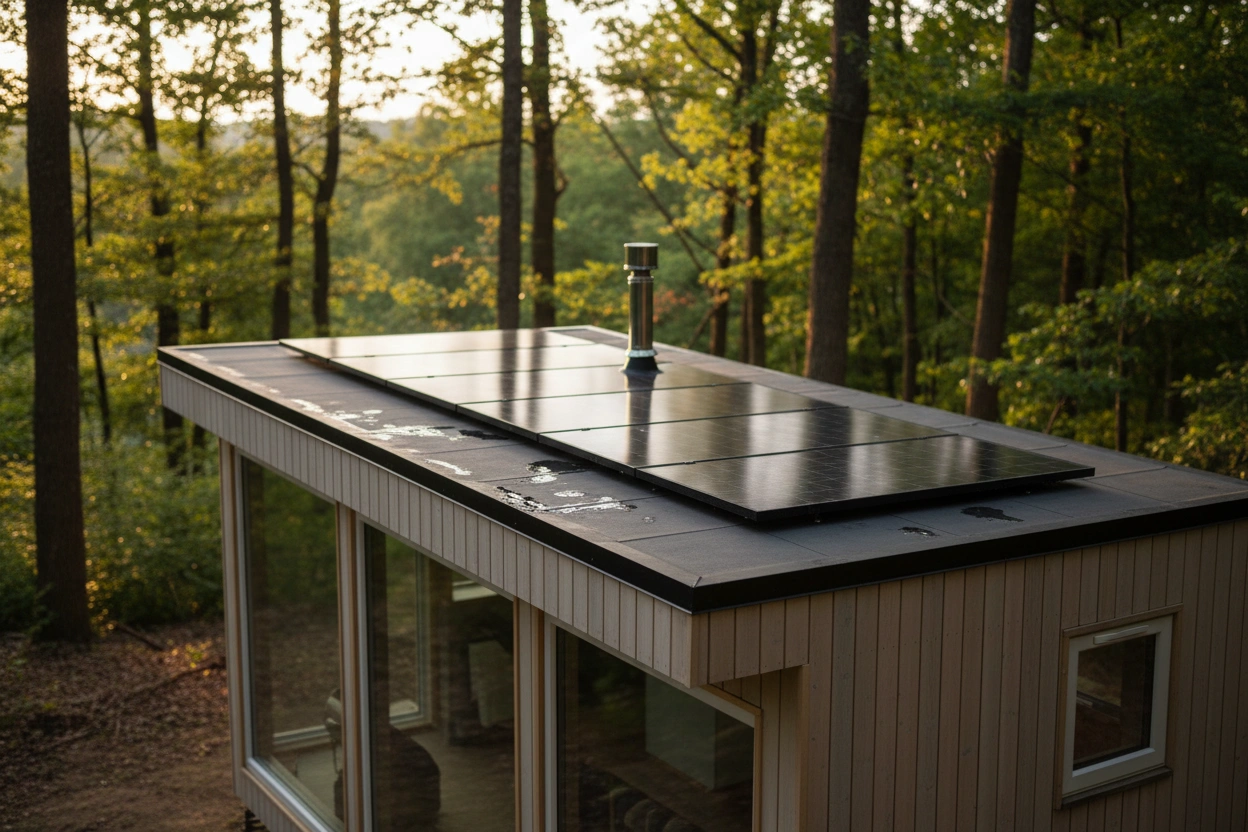
Rubber roofing is an innovative choice that appeals to environmentally conscious homeowners. Made from recycled tires and other materials, this roofing type is both eco-friendly and lightweight, making it ideal for tiny houses. Rubber roofing is particularly effective in regions with heavy rainfall, as it provides excellent waterproofing and drainage capabilities.
In addition to its environmental benefits, rubber roofing is highly durable and resistant to UV rays, making it less prone to cracking or fading over time. Its flexibility allows it to expand and contract with temperature changes, reducing the risk of leaks. While the initial cost can be higher than asphalt shingles, the longevity and minimal maintenance requirements often justify the investment.
Key Features of Rubber Roofing
- Eco-Friendly: Made from recycled materials, reducing landfill waste.
- Durable: Resistant to UV rays and extreme weather conditions.
- Flexible: Adapts well to temperature fluctuations, minimizing leaks.
4. Wood Shakes: Rustic Charm and Natural Insulation
For those seeking a more traditional or rustic appearance, wood shakes can add significant aesthetic value to a tiny house. Made from cedar, redwood, or pine, wood shakes provide excellent insulation, which can help regulate indoor temperatures. This roofing type is particularly well-suited for temperate climates, where the risk of rot and insect damage is lower.
While wood shakes offer a unique look and natural insulation properties, they do require more maintenance than other materials. Regular treatments and inspections are necessary to prevent rot, mold, and insect infestations. Homeowners should also consider fire ratings, as untreated wood shakes can be more susceptible to fire damage.
Considerations for Wood Shakes
- Aesthetic Appeal: Provides a natural, rustic look.
- Insulation: Excellent thermal properties help maintain comfortable indoor temperatures.
- Maintenance: Requires regular upkeep to prevent rot and insect damage.
5. Tile Roofing: Aesthetic Appeal and Longevity
Tile roofing is often associated with Mediterranean or Spanish-style architecture and is known for its durability and aesthetic appeal. Made from clay, concrete, or slate, tile roofs can withstand extreme weather conditions and provide excellent insulation. This roofing type is particularly popular in warmer climates, where its ability to reflect heat can contribute to energy savings.
While tile roofing is more expensive than many other materials, its longevity can make it a worthwhile investment. A well-maintained tile roof can last over 50 years, and its low maintenance requirements further enhance its appeal. Additionally, tile roofing is available in various styles and colors, allowing homeowners to achieve a unique look that complements their tiny house.
Advantages of Tile Roofing
- Durability: Can last over 50 years with proper care.
- Aesthetic Flexibility: Available in various colors and styles to match different architectural designs.
- Energy Efficiency: Reflects heat, contributing to lower cooling costs in warm climates.
The Right Choice for Your Tiny House Roofing
Selecting the appropriate roofing type for your tiny house involves considering various factors, including climate, budget, and personal preferences. Each roofing material has its unique benefits and drawbacks, which should be carefully evaluated to ensure the best fit for your needs. Whether you prioritize durability, aesthetics, or environmental impact, understanding the options available will help you make an informed decision.
For anyone looking to delve deeper into the world of tiny house construction and roofing options, TinyHouse.com offers a wealth of resources and guidance tailored to your journey. From tips on choosing the best roofing materials for tiny houses to comprehensive guides on tiny home design, TinyHouse.com is your go-to source for all things related to tiny living.
Take the Next Step with TinyHouse.com
With the insights gained about the top five tiny house roofing types, you are better equipped to choose the right roofing material for your home. Explore further options and resources on TinyHouse.com to help streamline your journey in tiny house living. For personalized advice and information, visit TinyHouse.com and start building your dream tiny home today.


.svg)
.jpg)
.jpg)
.jpg)
.jpg)