How to Choose the Best Tiny House Roofing Material for Your Climate


Selecting the right roofing material for your tiny house is essential for both functionality and aesthetics. The climate in which you live plays a significant role in determining the best roofing solution. Whether you are building from scratch or retrofitting an existing structure, understanding the various options available can help you make an informed decision. This article provides a comprehensive guide to tiny house roofing, focusing on the best roofing materials for tiny houses based on different climatic conditions.
Understanding Tiny House Roofing
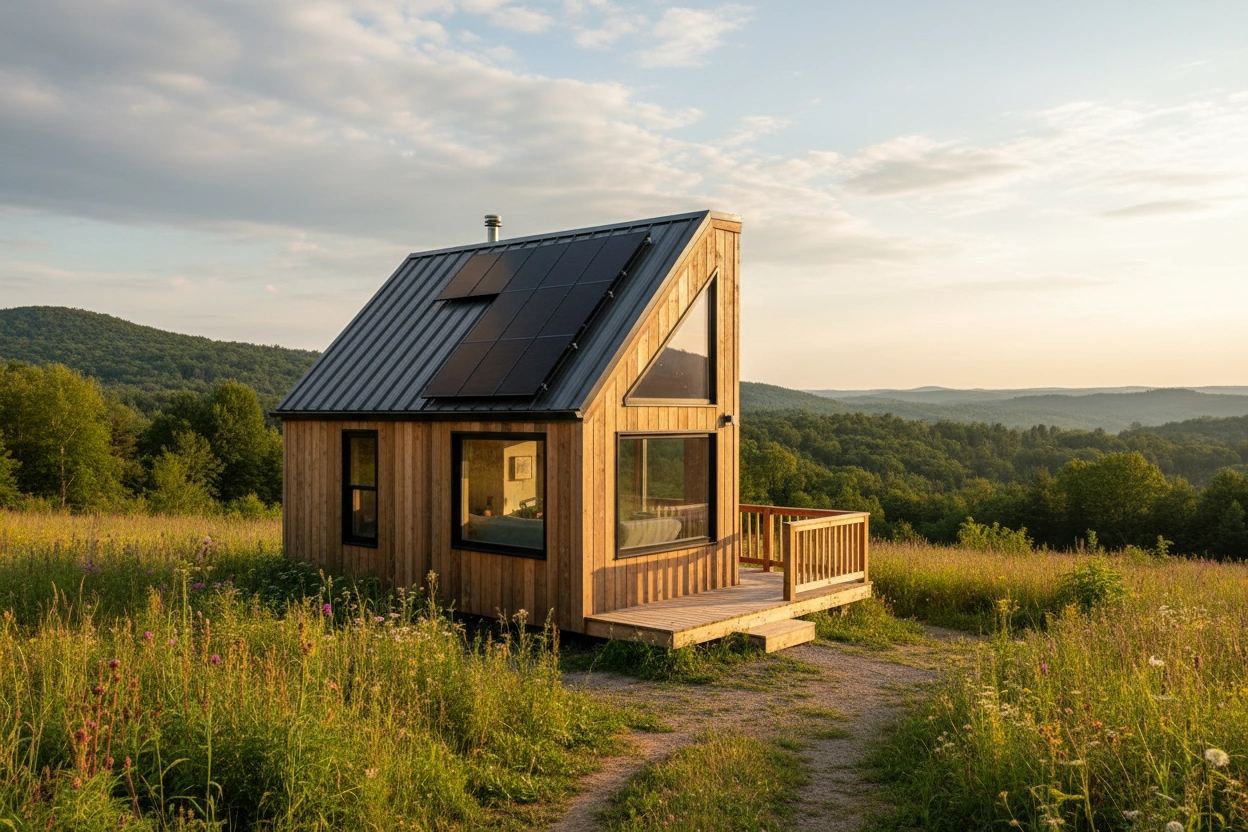
Tiny house roofing is not merely about aesthetics; it is about durability, insulation, and protection from environmental elements. Tiny homes often face unique challenges due to their size and structure, making the choice of roofing material critical. For instance, a well-chosen roof can enhance energy efficiency, withstand severe weather, and contribute to the overall longevity of the building.
When selecting roofing materials, consider factors such as local weather patterns, potential snow loads, wind resistance, and the overall architectural style of your tiny house. Each material has its advantages and disadvantages, making it essential to evaluate them carefully to find the best roofing materials for tiny houses for your needs.
Factors to Consider When Choosing Roofing Materials
Climate: Different materials perform better in specific weather conditions. For example, metal roofs are excellent in snowy regions due to their ability to shed snow easily, while asphalt shingles are more common in temperate climates.
Weight: Tiny houses have weight limitations. Choose lightweight materials that do not compromise the structural integrity of your home.
Cost: Budget constraints are common for tiny house builders. It's important to balance upfront costs with long-term durability and maintenance.
Aesthetic Appeal: The roofing material should complement the overall design of your tiny home, enhancing its visual appeal.
Installation and Maintenance: Consider how easy the roofing material is to install and maintain. Some materials may require professional installation, while others can be easily handled by DIY enthusiasts.
Top 5 Roofing Types for Tiny Homes
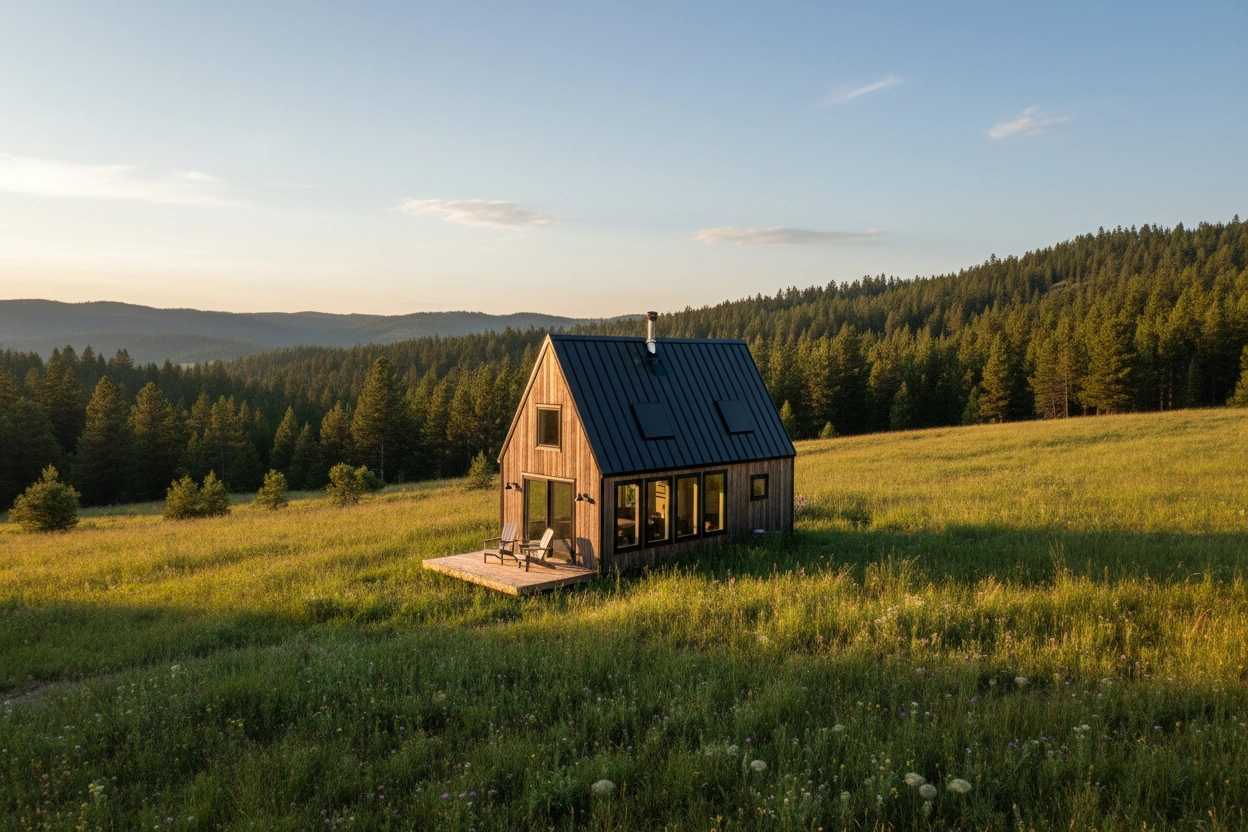
When it comes to tiny house roofing, several materials stand out due to their performance and adaptability. Below are the top five roofing types that are particularly well-suited for tiny homes.
1. Metal Roofing
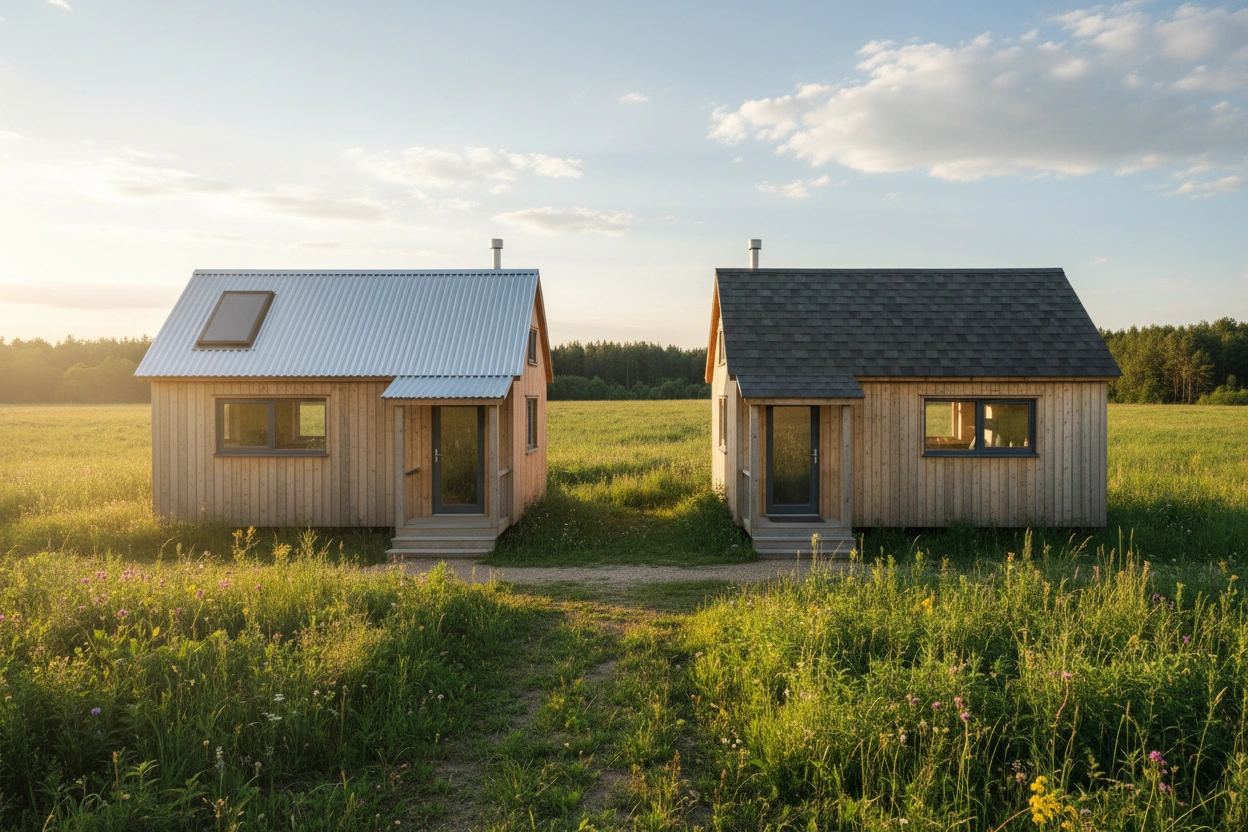
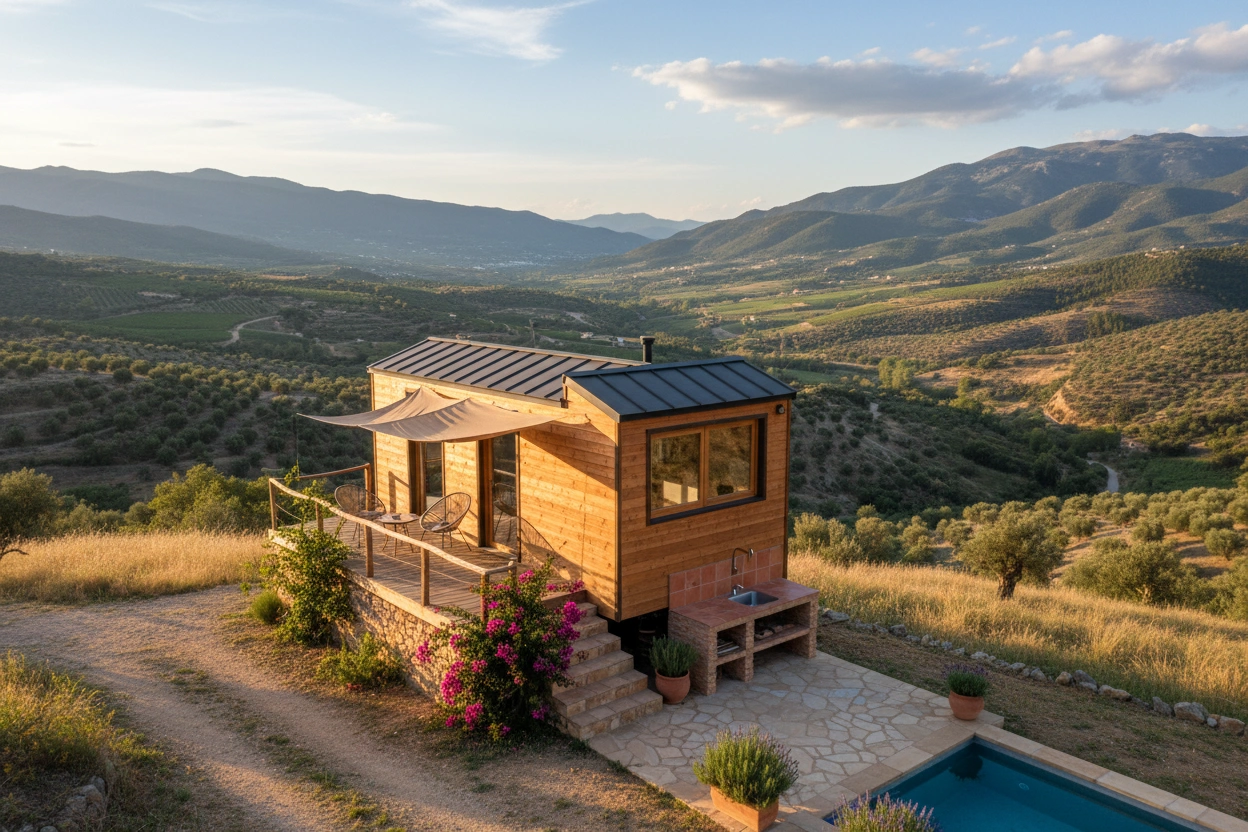
Metal roofing is a popular choice for tiny homes due to its durability and longevity. It can withstand harsh weather conditions, making it ideal for areas prone to high winds or heavy snowfall.
Benefits:
- Lightweight and easy to install.
- Reflects heat, helping to keep your home cooler in summer.
- Available in various styles and colors to match your design preferences.
Considerations:
- Higher upfront cost compared to other materials.
- Can be noisy during heavy rain unless insulated properly.
2. Asphalt Shingles
Asphalt shingles are one of the most commonly used roofing materials in the United States. They are affordable and versatile, making them a viable option for many tiny house builders.
Benefits:
- Cost-effective with a wide range of colors and styles.
- Easy to install and repair.
- Good insulation properties.
Considerations:
- Less durable than metal or tile, with a shorter lifespan.
- May require more maintenance in extreme weather conditions.
3. Slate Roofing
Slate roofing offers a unique aesthetic and is known for its longevity. It is an excellent choice for those looking for a high-end finish and exceptional durability.
Benefits:
- Extremely long-lasting, often exceeding 100 years.
- Fire-resistant and provides excellent insulation.
Considerations:
- Heavy and may require additional structural support.
- Higher installation costs and limited availability in some regions.
4. Rubber Roofing
Rubber roofing is an innovative option that has gained popularity for tiny homes. It is made from recycled materials and is highly resistant to environmental damage.
Benefits:
- Lightweight and flexible, making it easy to install.
- Good insulation properties and resistant to UV rays.
- Eco-friendly option.
Considerations:
- Can be more expensive than traditional materials.
- May not have the same aesthetic appeal for some homeowners.
5. Green Roofs
Green roofs, also known as living roofs, involve planting vegetation on the roof surface. This option is becoming increasingly popular among environmentally conscious builders.
Benefits:
- Provides excellent insulation and reduces energy costs.
- Improves air quality and promotes biodiversity.
- Can extend the lifespan of the roofing material underneath.
Considerations:
- Requires a more complex installation process and ongoing maintenance.
- Initial costs can be higher due to soil, plants, and irrigation systems.
Common Mistakes to Avoid When Choosing Roofing Materials
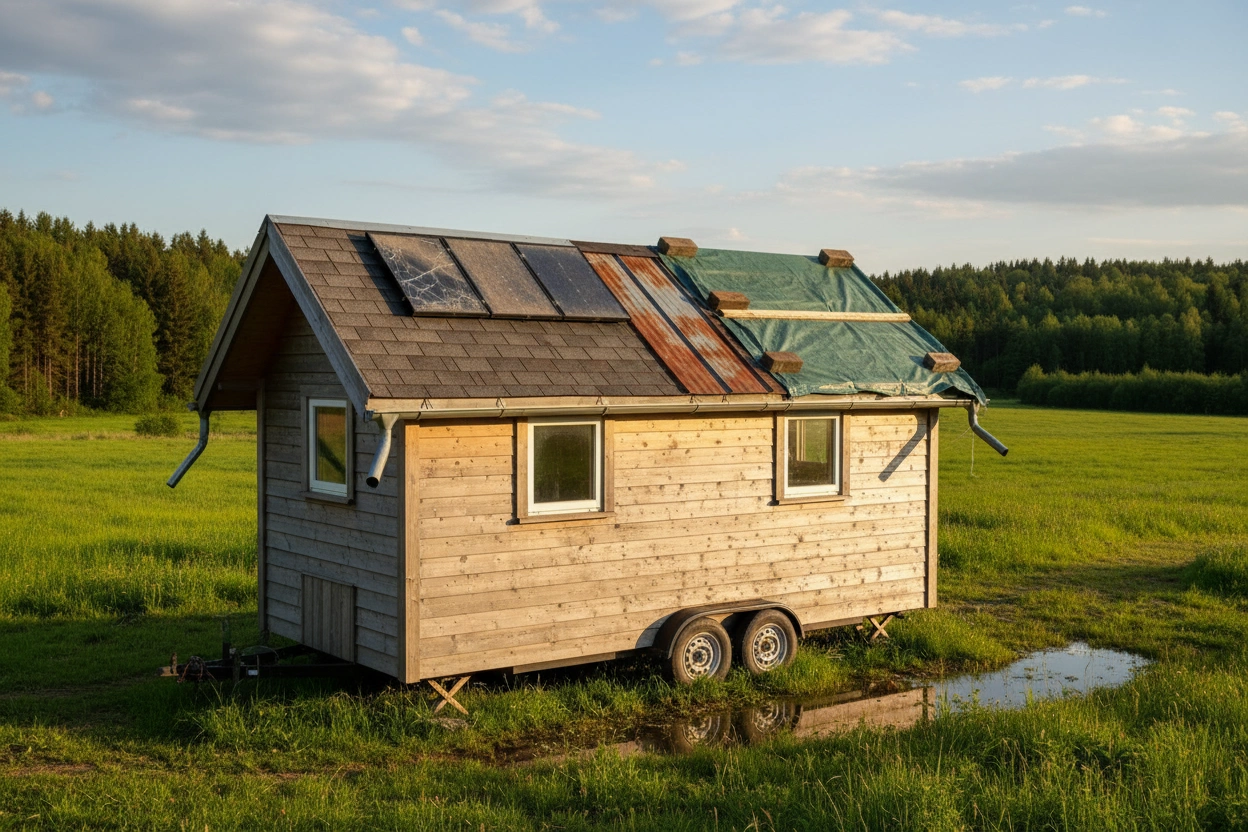
Selecting roofing materials for your tiny house can be a daunting task, and there are common pitfalls that many builders encounter. Understanding these mistakes can save you time, money, and stress.
1. Ignoring Climate Considerations
One of the most significant errors is overlooking the specific climate in which you live. For instance, using a roofing material that does not perform well in heavy rain or snow can lead to leaks and structural damage over time. Always research the performance of materials in your local climate before making a decision.
2. Underestimating Weight Limits
Tiny homes have specific weight limits due to their compact structure. Choosing heavy roofing materials without considering the load-bearing capacity of your tiny house can lead to serious structural issues. Always consult with a structural engineer or builder when selecting materials.
3. Overlooking Ventilation Needs
Proper ventilation is crucial for maintaining the integrity of your tiny house. Some roofing materials may trap heat and moisture, leading to mold and mildew growth. Ensure that your roofing choice allows for adequate ventilation.
4. Focusing Solely on Cost
While budget is a significant factor, selecting roofing materials based solely on initial cost can be misleading. Cheaper options may lead to higher long-term costs due to maintenance and replacement needs. Consider the total cost of ownership, including durability and maintenance. best roofing materials for tiny houses.
5. Neglecting Aesthetics
Choosing roofing materials that do not align with your design vision can detract from the overall appeal of your tiny house. Take the time to select materials that not only perform well but also complement your home's aesthetic.
Conclusion: Making the Right Choice for Your Tiny House Roofing
Choosing the right roofing material for your tiny house is a multifaceted decision that requires careful consideration of climate, weight, cost, and aesthetics. Each roofing option presents unique benefits and challenges, making it essential to evaluate them in the context of your specific needs and environment.
At TinyHouse.com, we provide valuable resources and expert guidance to help you navigate the complexities of tiny house construction and design. Whether you are just starting or looking for advanced tips, we can assist you in making informed decisions about tiny house roofing and more. affordable tiny house roofing solutions.
For more information and support in your tiny house journey, visit TinyHouse.com today. Our team is here to help you build or buy the tiny home of your dreams without the technical overwhelm.


.svg)